
My OpenLearn Profile
Personalise your OpenLearn profile, save your favourite content and get recognition for your learning


Get inspired and learn something new today
 article icon
Science, Maths & Technology
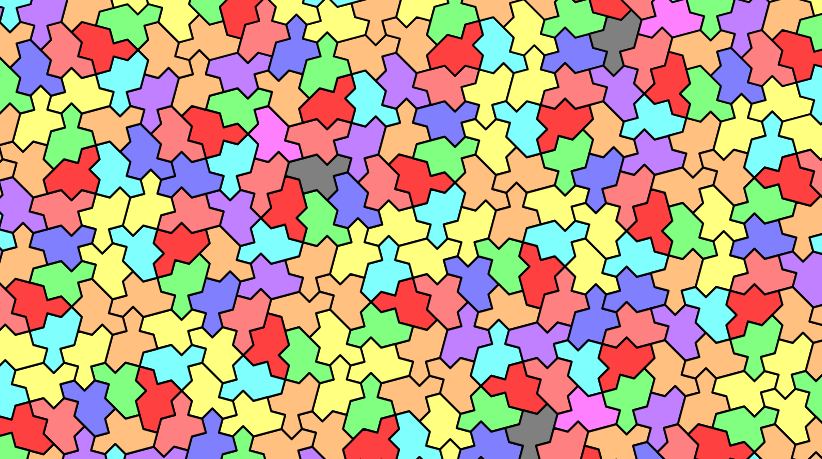
Solving the perplexing mathematicians' problem of the spectre
In 2023, a UK maths enthusiast called David Smith discovered a shape that had one incredibly special property. Using copies of this shape, nicknamed ‘the spectre’, one can cover a flat surface forever – without the pattern repeating itself. This special property is called aperiodicity, and David’s discovery solved a problem that had been ...
 free course icon
level 1: introductory icon
Badge icon
free course icon
level 1: introductory icon
Badge icon
History & The Arts
A freelance career in the creative arts
A freelance career in the creative arts is a free badged course which lasts 8 weeks, with approximately 3 hours’ study time each week. You can work through the course at your own pace, so if you have more time one week, there’s nothing to stop you pushing on and completing another week’s study. This course has a specific focus on the ...
 activity icon
History & The Arts
Behind The Reputation
In this interactive, you’ll uncover the real people behind the icons. Does the reality of the life of Van Gogh, Queen Elizabeth I and Charles Dickens match up with their reputation?
 free course icon
level 1: introductory icon
free course icon
level 1: introductory icon
Science, Maths & Technology
Basic science: understanding experiments
This free course, Basic science: understanding experiments, introduces you to science-based skills through simple and exciting physics, chemistry and biology experiments.
 collection icon
Education & Development
Race and Ethnicity Hub
This award-winning hub offers fresh perspectives on race, racism and ethnicity through free courses, articles, interactives and audio/visual materials.
 free course icon
level 2: intermediate icon
Badge icon
free course icon
level 2: intermediate icon
Badge icon
Education & Development
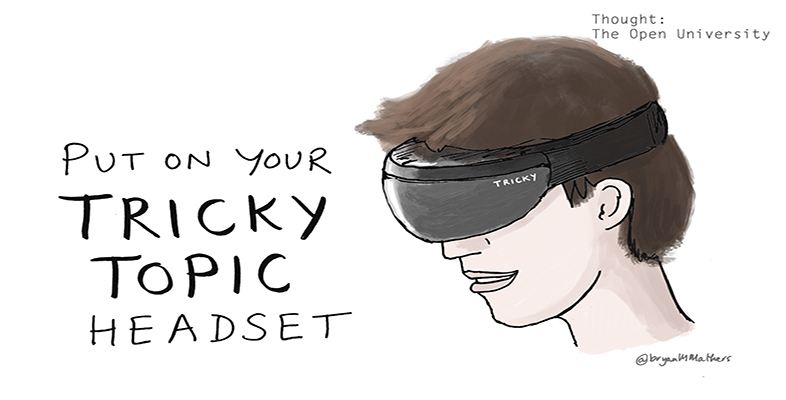
Teaching and learning tricky topics
This free course is designed to provide a background and understanding of tricky topics, the practical application of threshold concepts, and their connection with learning design, digital innovation and learning analytics. The course, and the innovative teaching tricky topic process which it explores, will be useful for trainee or experienced ...
 article icon
Health, Sports & Psychology
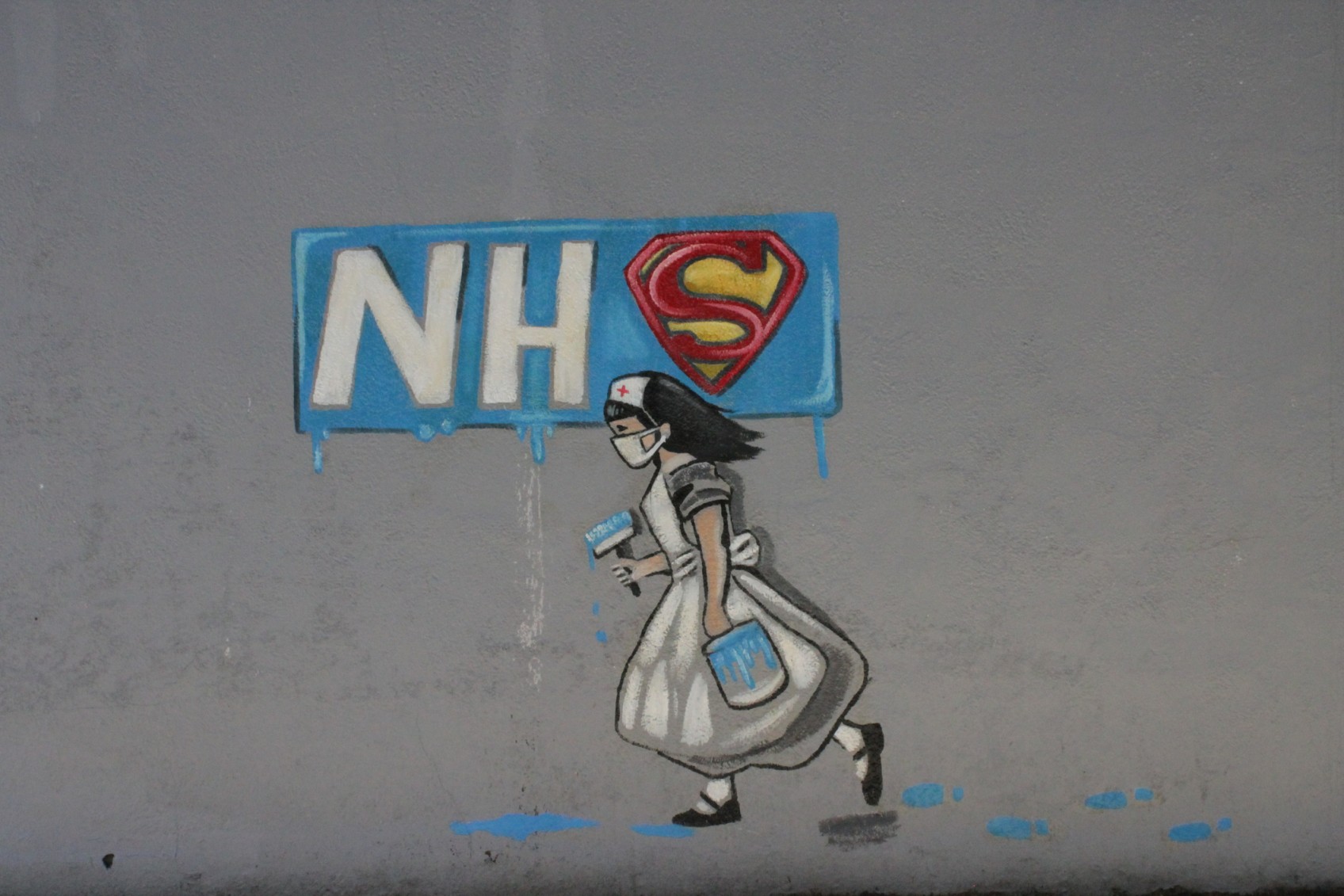
Nursing associate career pathways - not just the ‘top-up'
Read the stories of seven qualified nursing associates who spoke to Dr Gemma Ryan-Blackwell, who was Programme Lead for Foundation Degree in Nursing Associate Practice, and heard their journeys.
 article icon
Health, Sports & Psychology
Stress Awareness Month
Stress Awareness Month is held every April to increase public awareness about both the causes and cures for stress. We've put together some of our top FREE related wellbeing tips, courses and and other learning resources.
You can use OpenLearn to
Study free courses
From 1 to 100 hours of learning - discover hundreds of free courses to inspire and inform everyone.
Free coursesEarn while you learn
Earn a free digital badge or Statement of Participation as evidence of your learning to share with employers, friends and family.
Find out moreStudy skills
Improve your study skills and get acquainted with student life with our expertly created courses and resources.
Study skillsWork skills
Boost your employability skills and find useful resources to help you with your life outside of work.
Work skillsGet the most out of OpenLearn
Anyone can learn for free on OpenLearn but creating an account lets you set up a personal learning profile which tracks your course progress and gives you access to Statements of Participation and digital badges you earn along the way. Sign-up now!