

- Home
- Change the world and change your life by volunteering: Citizen Science with The Woodland Trust
Change the world and change your life by volunteering: Citizen Science with The Woodland Trust
Posted on • Charity sector, Environment, Volunteering
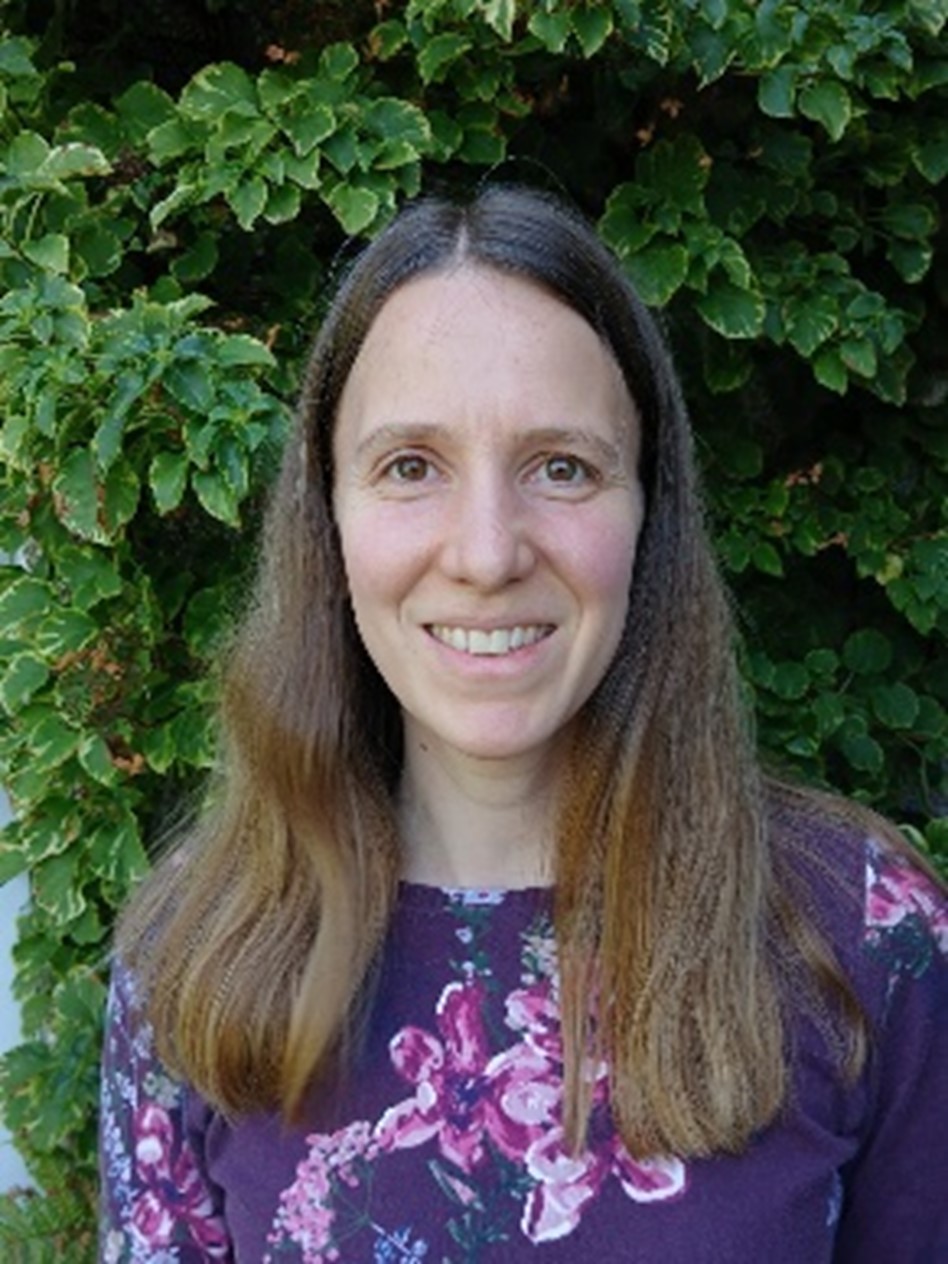
Judith Garforth, Citizen Science Officer at The Woodland Trust, talks about her work with volunteers on the Nature’s Calendar project. Explore Woodland Trust’s current jobs and volunteering opportunities. Read more about environment and development careers, skills and potential employers. Explore work experience and volunteering, how they can help your career, how to find and apply for opportunities and how to use your volunteering experience in CVs and job applications.
Nature’s Calendar
I manage the Nature’s Calendar project at the Woodland Trust, the UK’s largest woodland conservation charity. Nature’s Calendar is a citizen science project that tracks the timing of the seasons, and the effects of weather and climate change on wildlife in the UK. The project relies on volunteers, who record the dates of seasonal indicators occurring where they live, year-on-year. The indicators are simple things like snowdrops flowering, blackberries ripening and conkers falling to the ground.
The dates, collected by volunteers, and submitted to the Nature’s Calendar project website, continue a long record that began in 1736! This long-term record is used by scientists to investigate how climate change is affecting our wildlife. The data already indicate that some spring events are over a week earlier now than they used to be, with consequences for wildlife such as the timing of food chains getting out of sync.
A day in the life…
One of the things I love about my job is how varied it is. It never gets boring. No two days are the same and each day involves a real variety of tasks and skills.
- Volunteer management
- Several thousand volunteers take part in the project. I don’t know all the volunteers by name, because participation is largely via the website, but each day will involve some aspect of volunteer management e.g. answering questions and queries and recruiting new volunteers.
- Website content management
- The project has its own website which needs updating regularly with new content and blogs. This is where creative writing and even some photography skills are needed.
- Data curation
- The Nature’s Calendar database contains over 3 million records! A large part of my role is looking after the data collected and making it available to scientists who would like to use it for their research. Open University students often request the data for their research projects!
- Data analysis and scientific writing
- The scientist in me absolutely loves to analyse the data collected and to report back on the findings to the project volunteers. I contribute an analysis of Nature’s Calendar data to the State of the UK Climate report, for example.
- Project promotion
- The project needs volunteers from all over the UK. To promote the project, I often give talks to interested groups, prepare posts for social media and even get interviewed for the radio and TV!
I enjoy working for a charity with a cause I believe in, with wonderful colleagues whose enthusiasm is contagious. Even after almost 10 years, I still learn something new most days!
 Judith Garforth is the Woodland Trust Citizen Science Officer for the Nature’s Calendar project, having worked in the Citizen Science team at the Woodland Trust for almost 10 years. Prior to that, she worked in science education/communication at the Natural History Museum in London and for the company Mad Science (where her job title was ‘Mad Scientist’!). She has a PhD in Environmental Science from the University of Nottingham that was also supported by the UK Centre for Ecology and Hydrology and British Geological Survey.

-
Follow us on Social media
-


