In this bonus summer post, Jennifer Shepherd, Chair of the Faculty of Arts and Social Sciences team in Ireland, shares a behind-the-scenes glimpse into the Open University’s partnership with the John Hewitt Society’s annual Summer School.
What does summertime mean to you?
For me, it’s festival time.
Each summer, I find myself in the picturesque cathedral town of Armagh, Northern Ireland at the Marketplace Theatre, home to the annual John Hewitt International Summer School. Now in its 36th year, the festival is hosted by the John Hewitt Society, established to celebrate the legacy of local poet, art historian and social activist John Hewitt.
Hewitt’s legacy is everywhere in evidence here in Armagh in late July, as a diverse group of writers, visual artists, musicians, political commentators and social entrepreneurs gather to celebrate the power of story to explore some of the most pressing social issues we face today on the island of Ireland.
It’s warm and unpretentious and full of surprises.
One day the mainstage hosts eminent Irish playwright Frank McGuiness, sharing the wit and wisdom of a literary career spanning over 4 decades; another day finds bestselling crime writer Denise Mina discussing her take on hard-boiled crime fiction; still another, a round table of political commentators and journalists pitch ideas for engaging citizens meaningfully in the Northern Ireland political system.
Everywhere there’s story, whether it takes the form of images – such as Nigel Swann’s haunting photographs of the ‘Yellow Star’ houses of Budapest – or music, provided by award-winning folk artist Jack Warnock.
As an OU academic based in Northern Ireland, I have the pleasure of managing a partnership with the John Hewitt Society on the delivery of the Summer School. It’s a natural fit since the Open University has much to offer local conversations around politics, history, and creativity.
Collaborating with the John Hewitt Society for the last decade has allowed the Open University in Ireland to showcase the incredible quality of our teaching and research, particularly in the area of creative writing.
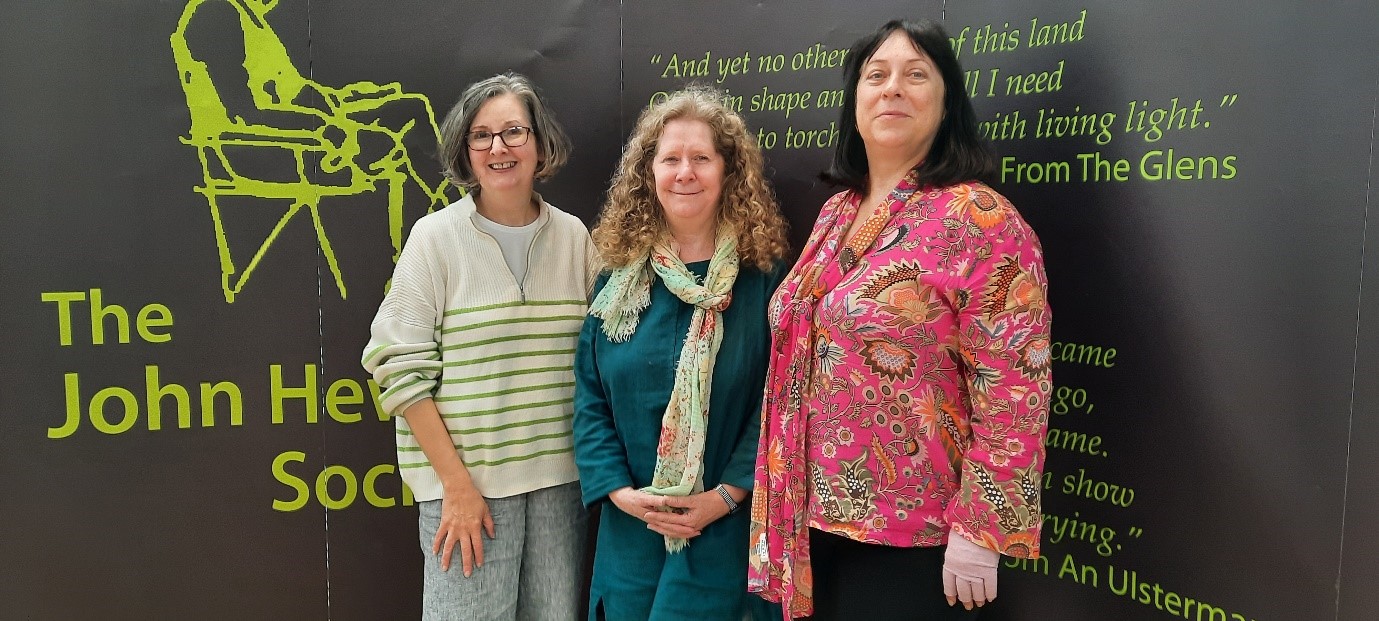
Heather Richardson, Nessa O’Mahony, and Siobhan Campbell
It’s a pleasure to meet festival-goers during the week who have signed up for workshops led by OU writers – this year, we were joined by novelist Heather Richardson, and poets Nessa O’Mahony and Siobhan Campbell. Festival-goers are full of praise for our teachers, noting that OU writers really ‘see’ each student and bring out the very best in them and their writing.
‘Oh, you’re with the OU,’ is how I’m often greeted when I introduce myself in the busy foyer between events—because if there’s a proverbial zero degrees of separation in Ireland, the same holds true here for the Open University.
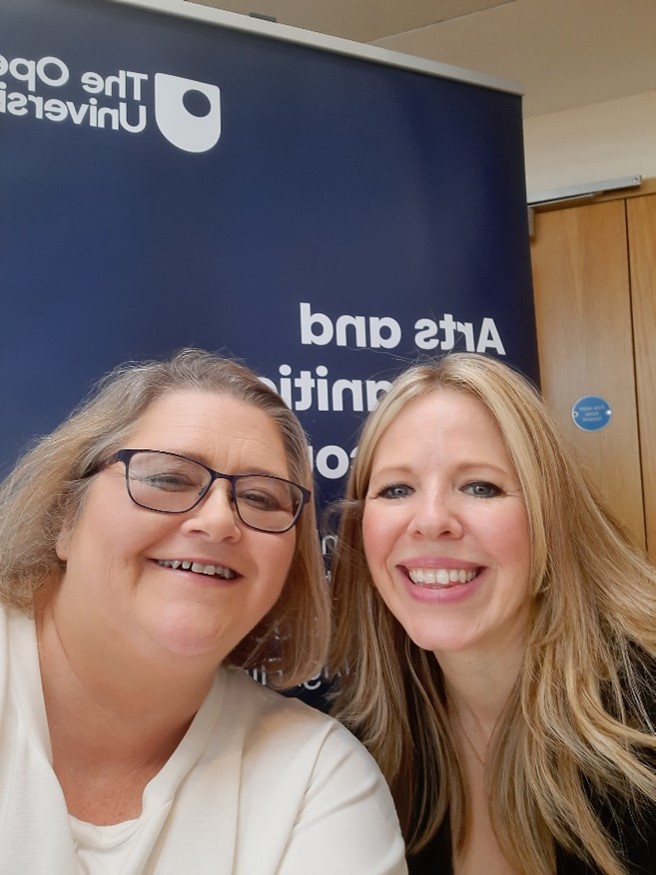
Jennifer Shepherd (right) with former OU student
At the local book vendor’s festival stall, a man tells me his friend is studying on the new English Lit MA and really enjoying it. I encounter a woman at the OU pop-up stand who confides that she’s already got a place reserved on an MA programme and wonders if she can get further details. Another man lingers over the OU leaflets on display and tells me a long story about a professional life that took many unplanned turns. He always wanted to study law but never got the chance – did I think it was too late for him? A former OU student of my own waves from across the crowded foyer and makes her way over for a catchup and selfie.
She reminisces fondly about her first OU module and grins at the memory of her debut at an Open University open mic night, the first of many engagements over the years as an accomplished poet and flash-fiction writer.
And maybe this is what I like most about my annual pilgrimage to Armagh each summer: to see the power of story at work in unexpected places. While speakers on the mainstage are inspiring us with tips for master storytelling or compelling new visions for a shared future in Ireland, I’m seeing something just as exciting at my Open University pop-up stand. People talk about their daily lives and, when they do, I get a glimpse of the way in which OU study allows people to write new futures for themselves and shape the story of their own lives in fresh and exciting ways.
Jennifer Shepherd
Originally from Canada, Jennifer Shepherd completed her PhD at the University of Alberta and post-doctoral fellowship at the University of Hull. She is a Senior Lecturer and Staff Tutor in the Department of English Literature and Creative Writing at the OU. As chair of the FASS team in Ireland, she is responsible for facilitating local knowledge exchange and engagement opportunities, as well as maintaining partnerships with Ireland-based organisations which include the John Hewitt Society, the Belfast Book Festival, and Dublin/Belfast Culture Nights.
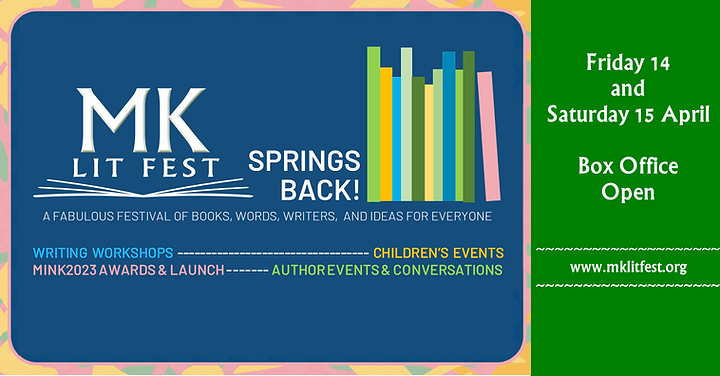
In recent months, several members of our Creative Writing team have been collaborating with our local bookish friends at Milton Keynes Literary Festival.
On Saturday 15th April, lecturer Lania Knight interviewed fellow novelist and life writer Kit de Waal about the extraordinary journey she has made since first voluntarily reading a novel at the age of 22.
Saturday was also be a big day for those writers who have been shortlisted for MKLitFest’s MinK2023 Writing Competition. In the leadup to tomorrow’s announcement of the winners, we caught up with Open University PhD graduand, Patrick Wright, who acted as a judge for the poetry categories.
Tell us a little about your first encounters with poetry and your journey to becoming a poet.
My mother used to recite quite a bit of poetry around the house when I was growing up — poems such as ‘Night Mail’ by W.H. Auden and William Wordsworth’s ‘Daffodils’. This was my first introduction to rhythm and rhyme. We also had a few anthologies lying around that I’d dip into. I recall studying poems by Norman Nicholson at school and I was especially taken by ‘Windscale’.
My interest was only really piqued though by my discovery as a teenager of Sylvia Plath. I saw then what poetry could do in terms of confessionalism and free verse. I began to experiment with writing my own poems at this time — without a clue about what I was doing. It wasn’t until I studied for an MA in Creative Writing, at the Centre for New Writing, University of Manchester, that I truly started to learn the craft and see myself as a poet.
How has winning awards and having poems selected for anthologies affected your writing life?
It’s given me encouragement. Poetry can be a solitary activity and there are times when I wonder if it’s worth the investment. Is it too rarefied or self-indulgent? However, moments of praise and recognition always make the sacrifice worthwhile. There can also be a tinge of glamour at times. Though I’ve learnt to not feel too intensely about the ups and the downs. I can’t rely on the fruits at the end of the process: writing must be enjoyed for its own sake; and yet there’s certainly a kick that comes with having work accepted by a magazine or anthology, and that feeling can be quite addictive. I’m now more confident too and willing to take additional risks: with form for example or having the courage to break the rules I was taught. With the success that’s come my way, I’m also persuaded that my poems can sit alongside the poets I admire.
You are an award-winning poet yourself, and now you have judged MK Litfest’s flash fiction competitions. From your experience on both sides of the process, what would you say makes for a prize-winning poem?
I suppose it must tick several boxes at once. Technical elements should be considered; but there’s also the theme, the way a poem strikes at the heart of something in the zeitgeist, or how it leaves an impression. There’s also the inevitable subjective aspect, and what I think works best at a given moment. It’s often fine margins — and I have no doubts that my thoughts as a judge might have changed if I’d read the same poems again another time or in a different mood. Taste and a complex set of characteristics that the reader values (some of which are hard to pin down) will often shape the final verdict. So, my message to poets is: Don’t be discouraged and keep writing. There’s every chance that next time you will have your work chosen.
Tell us a bit about some of the poems you shortlisted for MK Litfest.
In the 14-19 group I enjoyed ‘My Roots’, ‘To all you ash-grey men’, and ‘The Aftermath’. I thought that ‘My Roots’ was particularly impressive with the poet’s clear adherence to the theme (Milton Keynes and green spaces), awareness of form, organised stanzas, and memorable images.
In the 20-plus group, I liked ‘The Green’, ‘The Other One’, and ‘Covid Spring’. Each of these had a distinctive voice and demonstrated a striking or unusual use of language. ‘The Green’ stood out for me with its neat couplets and appreciation of sound.
How has your work and research at the OU shaped you as a poet?
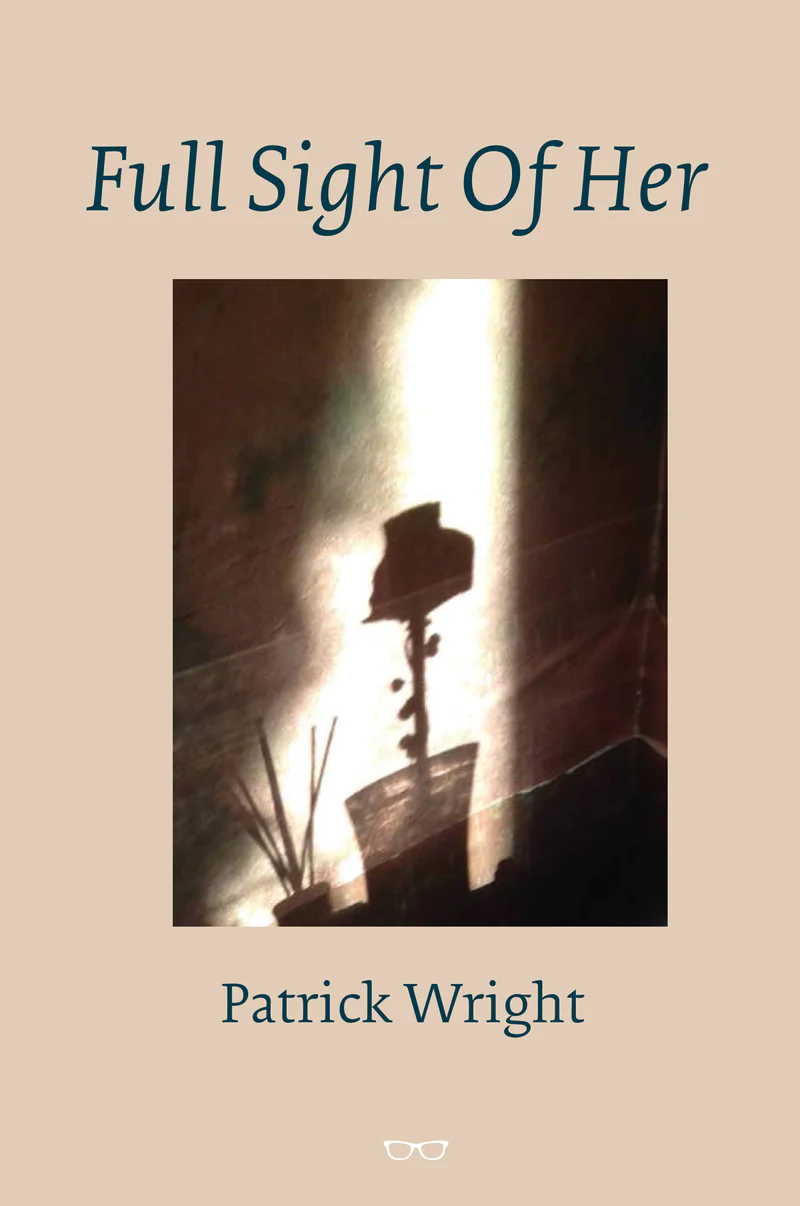
Looking back, my PhD in Creative Writing (Exit Strategy: Ekphrasis through the lens of the abstract and the formless) was a way of going in another direction from my first collection (Full Sight of Her). I was clear from the start that I wanted to be open to new forms, constraints, and feedback — always in the hope of allowing me to find a new voice and not sound like myself. This striving to get away from what I’d done before is one reason the collection is called Exit Strategy. It was about having a book of poems that could be expressive of a new identity, and I achieved that. The critical part helped me become more aware of other poets and where my writing fits in the present landscape.
Aside from new ways of making a poem in response to modern art (the focus of my thesis), I’m particularly interested in aligning myself with the current trend of exploring hybrid forms, such as the prose poem or the lyric essay. My current project follows in this vein: a memoir that includes prose poems.
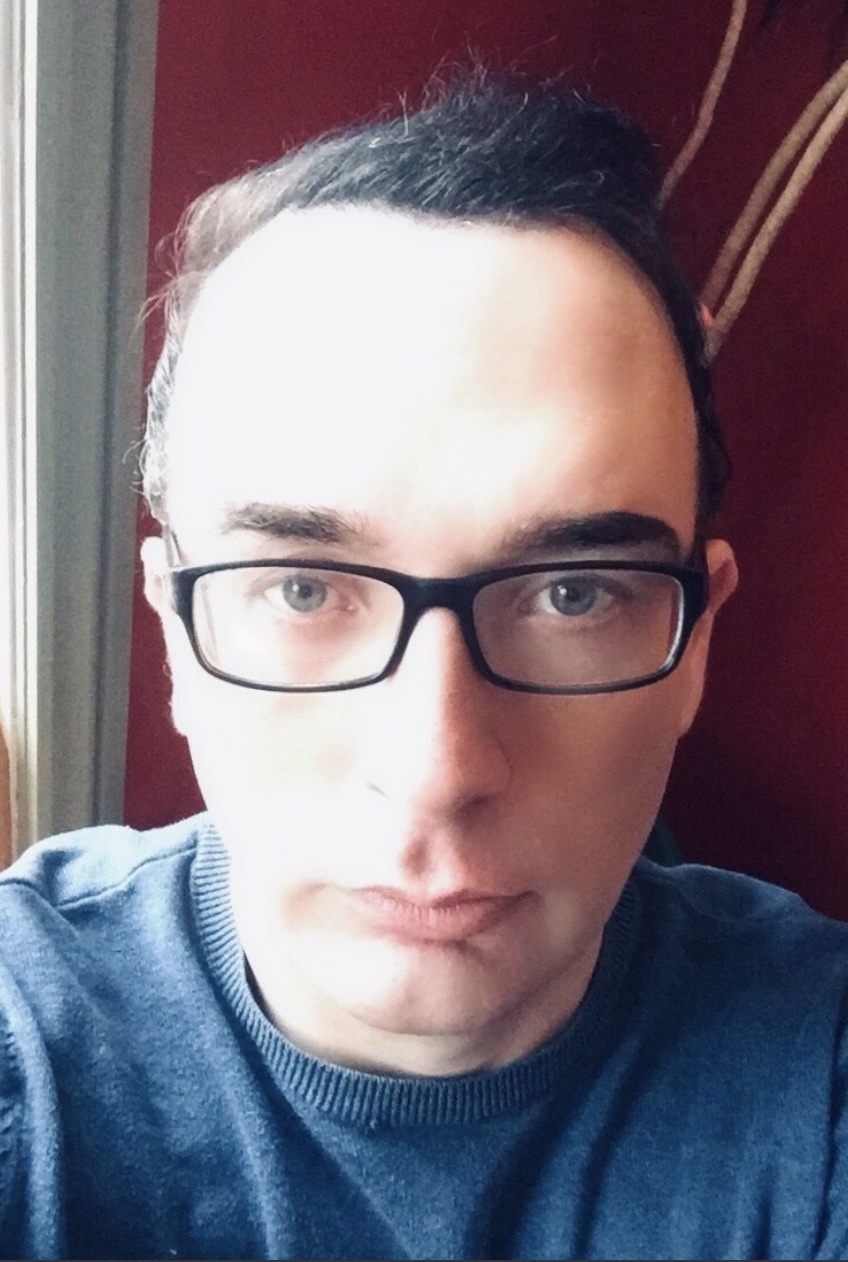
Patrick Wright has a poetry collection, Full Sight of Her, published by Eyewear and nominated for the John Pollard Prize. He has been twice shortlisted for the Bridport Prize and teaches English Literature and Creative Writing at the Open University. He has just completed a PhD in Creative Writing on the ekphrasis of modern and contemporary art, supervised by Jane Yeh and Siobhan Campbell.

 What does summertime mean to you?