-
“It’s OK not to know!”: Professor John Hattie and the power of feedback

Hayley Johns ~ Learning Designer Feedback, according to Professor John Hattie, is ‘one of the most powerful notions we have’ in education – and also one of the most variable. Earlier this year, I joined an instalment of Phil Anthony’s award-winning Digitally Enhanced Education webinar series to learn more about how institutions around the…
-
Working together in module design
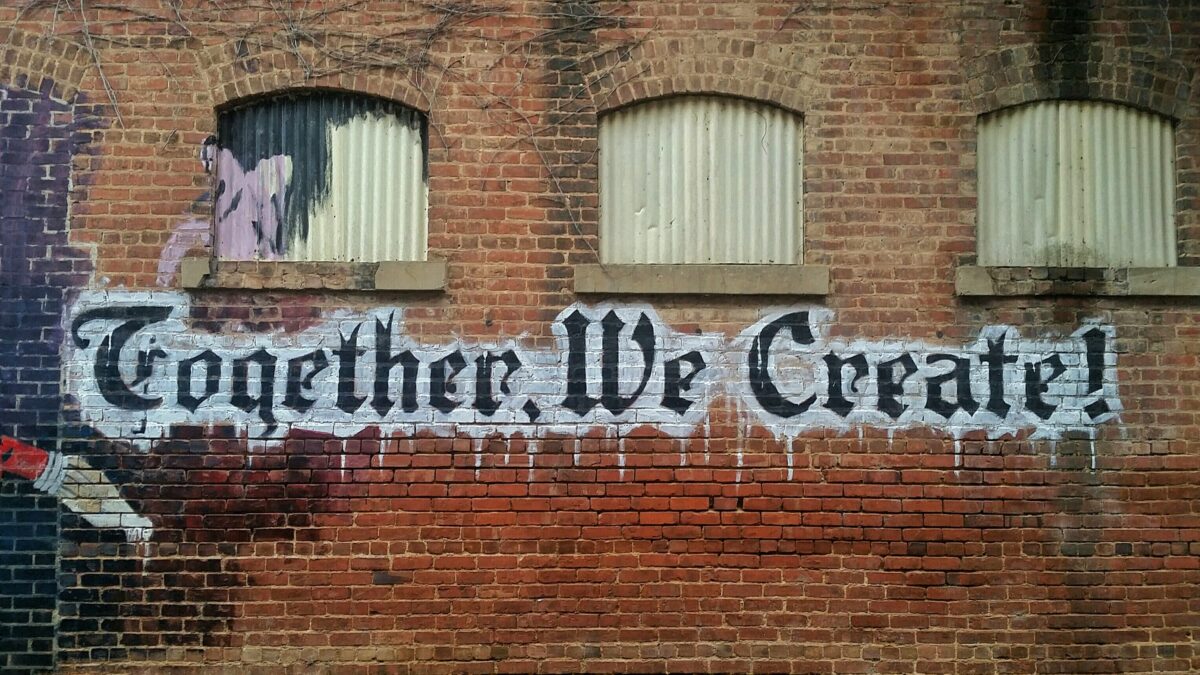
By Amy Leon and Catherine Du Baret High quality, online and distance education materials, building on a huge legacy of groundbreaking distance education. This is what Learning Designers and editors, working alongside academic colleagues, at the Open University shape and hone during the creation of new modules. The Open University (OU) creates around 150 new…
-
Listening to students in real time: how feedback leads to success

Like all robust development processes, our learning design approach includes a number of opportunities to learn from feedback. One is our curriculum design student panel (aimed at capturing students’ views on learning design ideas before they’re live). Another is real-time student feedback (RTSF), which gathers feedback from students as they’re studying with the aim of ensuring they get the support they need. Short questionnaires focusing on recently studied topics are embedded into…
-
Learning from practice: refreshing the OU activity types framework

The activity types framework – a categorisation of learning material into different types based on the student activity involved – is one of our core learning design tools. It shows, simply and accessibly, the variety of ways in which module teams can actively engage students with their subject content and skills development alongside reading, watching…
-
Conference to practice: reflecting on a week at ALT-C

-
Top tools for learning: a learning design team’s perspective

We spend a lot of time talking about tools for learning, so it’s not surprising that several members of the learning design team follow Jane Hart’s annual survey of top learning tools [link opens in new tab]. However, many of the tools we talk about are part of the OU’s VLE. It’s been a while since we reflected on the learning tools we use for…
-
Feedback loops: reflecting on five years of feedback from the curriculum design student panel

If you’ve ever felt frustrated by a product that doesn’t seem to work for you, you’ll understand the importance of building opportunities for feedback into a design process. It’s certainly an essential part of our learning design process: alongside various organisation-wide evaluation initiatives whose insights we access as part of our work, the learning design team runs the curriculum design student panel, which provides opportunities for students…
-
Active learning: making learning engaging

We’ve probably all sat through enough ‘death by PowerPoint’ slide decks to know what happens when we’re presented with information but don’t have the chance to engage with it. In the best-case scenario, we simply don’t learn anything. But often we leave the meeting or class worse off – with unanswered questions, frustration and reduced…