Category Archives: research

Another successful H890 Research and Scholarship in Digital Education Conference!

Four cartoon penguins seemingly attending a video conference with each in a separate location break the fourth wall by passing a cake from one to another outside of the cartoon frames.

H890 Conference image featuring cartoon penguins.

The 2026 edition of the H890 Research And Scholarship in Digital Education Conference has come to a close. With 27 superb presentations over 3 days, it has become an extremely diverse and rich event.

Day 1

The first conference session kicked off with a lovely welcome from IET Director Professor Bart Rienties in his ‘casual Friday’ blue hoodie, explaining how the conference and associated module align with the research interests of the Institute of Educational Technology.
We then welcomed our alumnus Sukaina Walji, now Director of the Centre for Innovation in Learning and Teaching (CILT) at the University of Cape Town, South Africa, for a wonderful keynote presentation describing a ‘research as storytelling’ innovation to gather a rich picture of how staff and students view the use of AI in assessments.

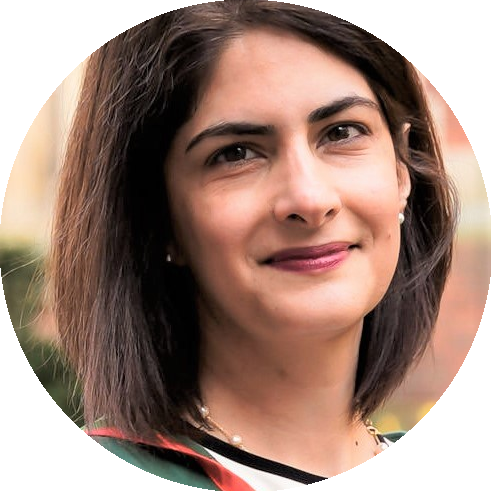
Sukaina Walji

Sukaina Walji, Day 1 keynote speaker

Given the unenviable task of being first student presenter to take the floor, Robert Nixon impressed us with a project on evaluating the use of technology in supporting dyslexia. Next up was Carol-Anne Beardmore, with her project on the potential of ‘citizen humanities’ (as opposed to ‘citizen science’) to transform history education. Our first Commonwealth Scholar followed, with Aliyu Akilu Barau discussing the use of mobile learning to develop health literacy in rural Nigeria. The first part of the day was rounded off by Pam Geraldine, explaining her use of Augmented Reality to create a cultural heritage app.

The second part of Day 1 kicked off with Janix Asare, another Commonwealth Scholar, and his use of a systematic literature review to uncover the use and potential of AI coding assistants. He was followed by Millie Glazebrook and her investigation of the use of Virtual and Augmented Reality to enhance primary students’ learning. This was followed by Onick Gwayi, using his Commonwealth Scholarship opportunity to investigate the impact on student outcomes of enhancing accessibility and inclusive practice features of online courses for trainee social science teachers. Next we had Commonwealth Scholar Walusungu Ngulube giving us an insight into her development of a mobile-first careers guidance resource for students in sub-Saharan Africa who traditionally have very little access to careers advice. And rounding off the first day we heard from Rashida Newbill, and her analysis of how we as educators can balance the omnipresence of AI with the need for students to develop critical thinking skills.

Day 2

Our Saturday session kicked off with a keynote from our very own Professor Tim Coughlan, Professor of Learning Innovation and Accessibility at the Institute for Educational Technology, Open University, UK. Tim spoke to us about the opportunities afforded by AI for accessibility and supporting disabled students.

Tim Coughlan

Professor Tim Coughlan

Following Tim was not an easy task but Claire Walder rose to the challenge, describing her project to investigate the usefulness and value of interactive online feedback resources for nursing students. Claire was followed by ChiaoYuan Chang, giving us an insight into teaching in Taiwan and teachers’ attitudes towards digital competency and technology use in the classroom. Then we heard from Commonwealth Scholar Michael Ngala and his project at Jaramogi Oginga Odinga University of Science & Technology (JOOUST)​ in Kenya to determine whether the choice of online versus face to face business management programmes is affecting learner outcomes. The first part of the session was rounded off by Helen Shepherd, and her investigating into ’emotional labour’ in a nursing degree, and whether online study and online spaces can help nursing students process emotionally difficult subject areas.

After the break we were listening to Professor Sammy Mutisya and his Commonwealth Scholarship opportunity to investigate the role of AI-powered Assistive Technologies to support disabled and traumatised students in two large refugee camps in Kenya. Andrea Mills then had us thinking about the use of tablet-based activities for enhancing the agency of under-fives and her investigation into this area. Zoe Dawson spoke next about Foreign Language Speaking Anxiety and how Immersive Virtual Reality may help students to overcome it. Then Commonwealth Scholar Keisha Campbell presented to us her project on using a Blended Learning MOOC to enhance STEM educators’ competencies. And finally we heard from Kim Froehler at some unholy hour in the Canadian morning, talking to us about the AI readiness of educators in British Columbia and her study to assess and support that readiness via online materials.

Day 3

Our planned keynote speaker for Day 3, Allison Littlejohn of University College London, had to step aside at a late stage due to health issues (Allison we wish you well for a speedy recovery!) and so we were extremely fortunate when Professor Emerita Rebecca Ferguson willingly stepped into Allison’s shoes and delivered us a fascinating keynote presentation on Research Futures and Grand Challenges, through the lens of the Learning Analytics community.
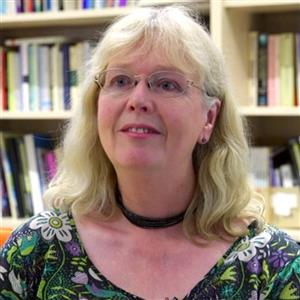
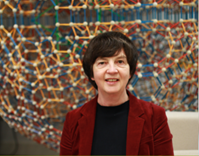
Rebecca Ferguson

Professor Emerita Rebecca Ferguson

Following Rebecca is never an easy task but Commonwealth Scholar Florence Kamonjo rose to the challenge with an explanation of her work to evaluate the use of WhatsApp for equitable academic engagement of staff and students at the University of Kabianga, Kenya. Next to go was Lee Lindsay, talking us through his project to use introductory pre-courses to support retention, by providing accurate ‘tasters’ of full courses to ensure that students are in the right place for what they want to achieve. Finally in the first part we heard from Commonwealth Scholar Salima Sewani and her use of AI with teachers of disabled students in Pakistan, to produce colouring books, songs, poems and other teaching resources for student learning and engagement.

After the break we heard from Marta Asensio, describing her project to investigate the use of social learning activities to improve the retention of asynchronous online learners. This was followed by Megan Hyndman’s presentation on the retention and attainment of non-traditional students (those from low socio-economic backgrounds, first-in-family university students etc) on online distance learning undergraduate courses. And finally we heard from Emma-Louise Hague, wrapping up the conference with a presentation on the use of audio to support memorisation in adult learners – nobody present will ever spell the word ‘bananas’ without thinking of a certain song now!

To read the students’ abstracts and communicate with them directly through the comments function, please see the conference programme here: https://www.open.ac.uk/blogs/H890Conference/index.php/2026-h890-research-scholarship-in-digital-education-online-student-conference/ 

Two more vibrant sessions for the MAOT Community of Practice

We’ve been fortunate to have two great sessions for the MAOT CoP in recent weeks.

On January 28th Koula Charitonos presented on ‘Participatory research with refugee and displaced communities: ‘moving up and down the ladder of co-creation’ and yesterday we had Rob Farrow and Fereshte Goshtasbpour speaking on ‘Charting the Passage: Navigating the Transition from Master’s Study to Doctoral Research‘ with a contribution from MAODE alumnus Sarah Alcock.

Koula Charitonos

Koula Charitonos

Koula spoke about her work in Uganda and Jordan, and navigating the ethical dimensions of co-creation in sensitive topic areas. She discussed the practical issues around training and workshops (language, timing, payment) and the value of allowing participants a real voice (in this case using the local radio station to help create audio narratives by some of the participants).


Rob Farrow

Rob Farrow

Fereshte Goshtasbpour

Fereshte Goshtasbpour

Rob and Fereshte highlighted the core elements of meeting the application and interview requirements for a doctoral position and how to write a good application, as well as looking at potential pathways for our own MAOT students towards doctoral study. Sarah provided a ‘student voice’ as someone who has recently trod that very pathway!

Sarah Alcock

Sarah Alcock

The recordings of both sessions are available via the MAOT Community of Practice website on Slack. To join (if you are a student or alumnus of any elements of the MAOT or MAODE) contact Simon Ball at the Open University.

Keynote speakers announced for H890 ‘Research and Scholarship in Digital Education’ Conference 2026!

Much excitement! Three excellent keynote speakers have been announced for the 2026 edition of the H890 Research and Scholarship in Digital Education online conference due to take place in April. Alongside presentations from every one of our current students on the module, we are honoured to announce the following:

  • On Friday 10th April 2026 (starting at 09:00 BST) the conference will be opened by Sukaina Walji, Director Centre for Innovation in Learning and Teaching, University of Cape Town, South Africa (and one of our very own alumni).
Sukaina Walji

Sukaina Walji

  • On Saturday 11th April 2026 (starting at 13:00 BST) we will enjoy a keynote from Tim Coughlan, Professor of Learning Innovation and Accessibility, The Open University, UK.
Tim Coughlan

Tim Coughlan


  • And on Monday 13th April 2026 (starting at 18:00 BST) the final session of the conference will begin with a keynote from Allison LittlejohnProfessor of Learning Technology at University College London, UK.

    Allison Littlejohn

    Allison Littlejohn

The conference is free to attend and open to anyone, but you must please register in advance. You can do that on the conference web page here: https://www.open.ac.uk/blogs/H890Conference/index.php/2026-h890-research-scholarship-in-digital-education-online-student-conference/ 

The student presentation titles and abstracts will also appear on the same page once they have been finalised in March.


New short CPD courses launching soon!

The Open University’s Institute of Educational Technology (IET) is launching a new suite of short CPD courses, covering skills essential to designing and delivering equitable and innovative digital teaching:

  • Generative AI in Education.
  • Teaching with eXtended Reality.
  • Teaching climate action: empower students to tackle the climate crisis.
  • Blended learning innovations for teachers and trainers.

The courses go live for registration on 7 January 2026. They’re 20 study hours long, entirely online and you can start at any time. A digital badge is awarded for successful study of each course. The courses are designed to develop knowledge and skills that you can immediately apply to your practice and draw on the pioneering research of IET’s ed-tech experts. They cover all education sectors and subject areas, and cost £150 each.

The courses are now LIVE!

Teaching with eXtended reality (XR) | Open University | HG087

Teaching for climate action | Open University | HG089

Blended learning innovations for teachers and trainers | Open University | HG090

Generative AI in education | Open University | HG091

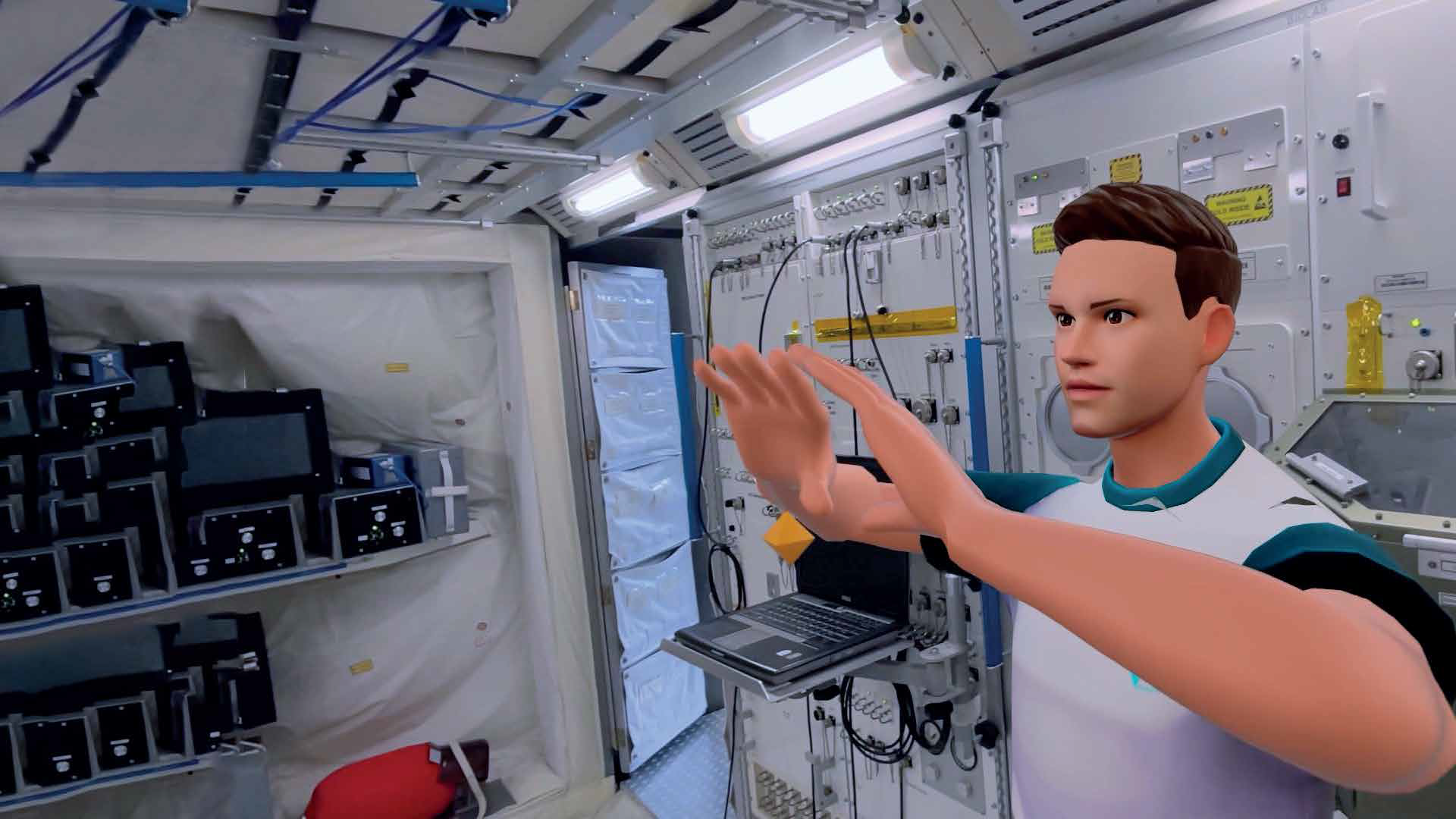
A screenshot from an Extended Reality feature, showing an animated character (controlled by a real life user) in a laboratory of some kind, with cabling, switches and electronic equipment in the background.

An eXtended Reality experience for astronaut training, demonstrated in HG087.

HG087: Teaching with eXtended Reality

Enhance your teaching with XR (eXtended Reality) by creating immersive, interactive learning that increases engagement, improves study outcomes, and prepares students for the future. Learn about Extended Reality tools, Virtual Reality and Augmented Reality methods, 3D modelling, Artificial Intelligence, and inclusive teaching strategies. Teaching with eXtended reality (XR) | Open University | HG087

Hundreds of canoes and kayaks surrounded a small inflatable dingy on greenish water.

A climate-related protest featuring hundreds of canoes gathered on a green water body.

HG089: Teaching climate action: empower students to tackle the climate crisis

Gain skills to integrate climate crisis-related teaching in your practice and empower students for action. Learn cross-disciplinary strategies for addressing climate change in your teaching and develop an action plan for your practice. Teaching for climate action | Open University | HG089

Two contrasting buildings side by side, one built in yellow stone and the other covered entirely in glass.

An image from course HG090 showing two contrasting buildings side by side, one built in yellow stone and the other covered entirely in glass. The HG090 ‘Blended Learning innovations for teachers and trainers’ course will show you ways of blending your existing teaching practice with innovative distance learning approaches to provide effective methods of educational delivery for the future.

HG090: Blended learning innovations for teachers and trainers

Build confidence to plan, deliver, and evaluate blended learning, using innovative tools and techniques and step-by-step strategies to enhance your teaching or training practice. Blended learning innovations for teachers and trainers | Open University | HG090

A view looking down inside a 'well' created from layering books and other paper documents round and round in a circle leaving a space in the middle.

An image from course HG091 showing a ‘well’ created by paper documents and books.

HG091: Generative AI in Education

Learn how to use Generative Al to enhance teaching, support learners, and make informed decisions while avoiding common pitfalls. Learn Generative AI basics, explore key themes, and discover practical ways to apply Generative AI ethically and equitably in all education sectors. Generative AI in education | Open University | HG091


Responsible use of GenAI in Education – webinar report

On Wednesday (29th October 2025) members of our Masters in Online Teaching Community of Practice were invited by our colleagues at the Open University of Sri Lanka to join them for the final event in their ten-webinar series on the use of GenAI in education.

The speaker was Professor Helen Crompton, Executive Director of the Research Institute for Digital Innovation in Learning at ODUGlobal, Professor of Instructional Technology, and Director of the Virtual Reality Lab at Old Dominion University, Norfolk, Virginia, USA.

Photo of Professor Helen Crompton

Professor Helen Crompton, Old Dominion University, USA

Professor Crompton gave a fascinating insight into the pace of development of GenAI, and compared its significance in causing a complete shift in educational practices commensurate with the development of the printing press, and the world wide web. She spoke about the various major players at the current moment – ChatGPT, Claude, Gemini and DeepSeek, for example, with more appearing all the time – and how their availability needs to revolutionise how we approach education, and in particular assessment within education. The notion of rote learning and assessing by memory is becoming a thing of the past (‘Hurrah’ some might say!). We need to think about how assessment can work with these tools, rather than trying to ban or avoid them. We can ask students to critique the outputs of GenAI in response to particular prompts, demonstrating their understanding of the topic, or to write a piece in parallel to GenAI and comparing the two responses. We need our learners to understand how to use GenAI, and to be conversant with the fallibility of these tools. Rather than copying and pasting the AI output and submitting it, we need learners to engage with the output, critique it, find the flaws, and in the process realise that these tools are not perfect and cannot be relied upon without checks.

A recording of the webinar will soon appear on the YouTube channel for the GenAI webinar series run by the Open University of Sri Lanka’s Open Education unit. All ten of the webinars have a home here: https://www.youtube.com/playlist?list=PLd4ezLHf_qqcK-c-SfOuzlO_6M_AePgRG 


MAOT students help to make H890 conference a resounding success!

H890 Research and Scholarship in Digital Education Conference 2025 – a summary

Dr Simon Ball, H890 Conference Organiser and Associate Lecturer, IET

A cartoon divided into four squares, each featuring a penguin, as if they were all in an online video conference. One wears large headphones, one is looking directly at the camera, and two are passing a cake between each other, subverting the fact that they are all in separate locations. This image is used as the main image on the H890 conference homepage.

Background

The second H890 Research and Scholarship in Digital Education Online Conference took place on April 11th and 12th 2025, as part of the Open University module ‘H890: Research And Scholarship In Digital Education’. This module is a postgraduate, 60-credit module that forms part of the Masters in Online Teaching. Each year the module students work on a scholarship project or design a larger research project, on a Digital Education theme of their own choice and relevant to their own professional context. They then present progress and findings at the online conference, which is open to the general public and to which all students of IET’s modules and micro-credentials are invited, along with OU staff.

Keynote Presentations

We were delighted that Professor Neil Selwyn of Monash University in Australia (currently seconded to Lund University in Sweden and actually speaking to us from Norway) agreed to deliver our opening keynote address. He reflected on ‘Ten things I’ve learnt about researching digital education’ (we received several bonus ‘things’ as there were about 14 in all!). There was so much food for thought I can’t cover here all of the points he made, but Neil guided our students to ensure they focus on the ‘state of the actual’ rather than future-gazing on ‘state of the art’; to evaluate technology objectively and not fall into the trap of trying to prove it’s a good thing; and to reflect on the people outside of the activity under focus rather than focussing only on those who have stepped forward to become involved.


Neil Selwyn portrait

Professor Neil Selwyn

Shailey Minocha portrait

Professor Shailey Minocha

Professor Shailey Minocha, Emeritus Professor of The Open University, UK, kindly delivered our Day 2 keynote and once more we found ourselves filled up with insights and guidance on ‘Planning and conducting impactful scholarship’. Shailey elaborated on the importance of effective stakeholder analysis in digital education research, working out who will participate, who will advise, who are the communicators, who are the obstructors – fitting in nicely with Neil’s point about reflecting on those ‘outside’ the immediate focus as well as those within. Shailey also advised us to plan for impact from the outset. The possible impact of a digital education research project should be intrinsic to its design. She suggested the Theory Of Change framework as a possible route to fully consider all stakeholders and possible impacts. Shailey’s final point was about Evaluative Thinking, which requires empathetic curiosity, perspective-taking, belief in the value of evidence, creativity in the choice of research methods, being critically reflective and reflective, and making research-informed decisions.

Student presentations

Following Professor Selwyn and Professor Minocha’s thought-provoking and stimulating keynote presentations, it was the turn of our students to make their presentations. Nerves were high, but every one of them did themselves proud with excellent presentations of some very interesting research and scholarship projects.

Kirsty Masterton: Phonetically decodable e-books – impact on early reading practices and progress.

Kirsty took the first student slot with a confident and fascinating study on the use of e-books to support phonetic decoding in children. Taking a quasi-experimental approach, Kirsty collected data on the mean assessment scores of youngsters using e-books and those using print books to develop their reading skills via phonics. She then conducted parent surveys to find out more about the contexts the children were learning in. Towards the end of her presentation she polled the audience, asking whether they thought the use of e-books in place of print books would lead to higher, lower, or unchanged decoding (reading) scores among the children. The results were pretty even across the three possible options, before Kirsty revealed that her hypothesis was that the use of e-books would lead to less parental input and therefore lower scores. Only further research will reveal the true situation!

Phillip Newton: The Human Argument: Finding a space for teachers voices in the design of learning platforms

Phillip described research on the way learning analytics are utilised and the voice of educators in that process. His research focuses on three questions: Which type of learning analytics are most important to teachers?​ How do teachers act upon learning analytic data? How can the design of courseware and learning analytics dashboards support teachers’ classroom approaches? Gathering data from educators in a variety of means including digital diaries, Phillip plans to utilise Theory of Change to produce meaningful and impactful findings.

Demelza Hayer: Breaking in: Early findings from an Open University Associate Lecturer’s action research scholarship project critiquing own breakout room practices

After the break we heard from Demelza, who is conducting scholarship on the use of breakout rooms in synchronous online sessions in nursing degree courses. Using an Action Research approach, Demelza is investigating how breakout rooms are currently used in these courses and how their use can be made more effective. She is currently delving through hours of tutorial recordings to try to codify common practices and themes.

Billy Smith: How can A.I. patients effectively develop pharmacy students’ consultation skills?

Billy continued the student presentations with his research on consultation skills training for pharmacy students. Traditionally exercises and assessments are undertaken with human actors playing the role of patients. In non-assessed activities these are often other students or faculty, taking up valuable time and giving the ‘patients’ a degree of subject expertise that makes the situation unrealistic. Assessed skills exercises often employ professional actors, which is expensive, inflexible (students must attend on the day the actor is hired) and can lead to inconsistent experiences as actors try to relieve their boredom at repeating the same scenario over and over by making small changes to their responses. New 3D models with AI technology can potentially replace the flawed models of human ‘patients’ with responsive digital patients. Billy’s research is looking into the educator perceptions of this technology, and how effective the AI ‘patients’ are at developing the pharmacy students’ skills in comparison with the traditional techniques.

Amy Johnstone: Virtually There: Student experiences of remote and blended museum studies work placements

Amy wrapped up day one of the conference with her work on placements in the museum sector and the role of blended or remote elements to these. Prior to the pandemic, placements were almost always done in person at a museum or remated venue. Almost all such activity was shifted online during periods of lockdown, and since then a hybrid model has developed, with potentially different outcomes for students experiencing additional equity barriers (race, language, cultural, disability, socioeconomic etc). Amy is looking into the barriers and opportunities for professional development for equity-deserving students undertaking remote and hybrid work placements as part of postgraduate professional education in Museum Studies. Amy is using digital storytelling methods to expose the experiences of students before she conducts a thematic analysis on her findings.

Bina Radia-Bond: Diminishing Distance: Fostering belonging by mature HE students as Communities of Inquiry

Following Professor Minocha’s keynote that opened day two of the conference, Bina spoke to us about communities of inquiry, and what they can tell us about mature students’ sense of belonging. Looking at the use of discussion forums, Bina is researching how the students form a sense of community – the second phase of her research will involve interviewing students directly about their experiences. She hopes that her study will reveal findings related to the importance of tutor presence in discussion forums, expressions of emotionality, construction and reconstruction of knowledge via peer discussion, and the benefits and limitations of the text-based medium.

Tracey Aytoun: Striving for Success: Exploring Participation, Feedback and achievement within Sunderland Online Undergraduate Nursing Students

Tracey delivered her presentation from the nursing training discipline, and with particular focus on the value of online discussion for students, a large proportion of whom are not native English speakers. Undertaking a nursing degree to render their existing qualifications usable in the UK, Tracey aims to identify factors that encourage or discourage student participation in the discussion forums, why students read or refrain from reading feedback, whether or not students submit formative and summative assignments and if there is a correlation between participation in these activities and student’s final grade. Using a mixed-method explanatory sequential approach, Tracey will gather student tracking data from their learning management system, before issuing student questionnaires and finally interviewing educators.

Maria Calonico: Cyborgs and Centaurs, and how they inspired my research on the impact of Generative AI on educators’ professional identities in Higher Education.

Maria’s work on Generative AI started from Case’s definition of a cyborg: An organism to which exogenous components have been added for the purpose of adapting to new environments – Maria asked herself, with the advent of Generative AI, are we all now potentially cyborg educators? Or are we, as Fassbender suggests, in fact centaurs – a human-AI partnership? To try to ascertain how academic staff are approaching this issue, Maria’s research question is: How are professional identities of academic staff at a Russell Group university ‘formed and re-formed’ over time when confronted with the widespread use of Generative Artificial Intelligence (GenAI) tools?​ Using focus groups and interviews, Maria will focus on changes over time using a narrative approach.

Marion Stanton: Repurposing technology designed to support who are non-speaking and physically impaired with communication: Can doing so enable these students to access the curriculum and lead to better learning outcomes than the currently available technological solutions made available to them?

Marion wrapped up the conference for us with her work on augmented and assisted communication (AAC) for students who are non-speaking, featuring contributions from some non-speaking students using this technology. Marion has identified an issue where many students with AAC needs are offered inappropriate technological solutions, leading to disengagement with education and resulting in a failure to achieve their potential. Using Theory of Change and Universal Design for Learning principles, Marion is aiming to find solutions that maximise the potential for these learners.

Conclusion

It is clear from the range of topics and sheer quality of all of the student presentations that H890 is meaningful to very capable students from a wide range of disciplines and sectors within the education profession. The conference contained such a fascinating mix of themes under the umbrella of ‘research and scholarship in digital education’, with the students’ work ably steered by tutor Rhona Sharpe.

We were delighted that our keynote speaker Professor Minocha attended much of the event across the two days and that her keynote generated so many questions from a fascinated audience. Professor Selwyn gave us so much food for thought with his enlivening and thought-provoking keynote that more questions flooded in than we had time to answer. We are hugely grateful to both of these highly regarded scholars for giving us their time and contributions.

Next, the students will focus on their H890 EMA before taking flight to further their research and scholarship or to implement what they have learned in their work contexts. My role as Conference Organiser will be filed away on a shelf, ready to emerge for the next presentation of H890 which begins in October. Should you wish to attend next year’s event, please keep an eye on the conference website at https://www.open.ac.uk/blogs/H890Conference/ – registration (free, of course) usually opens in January – we very much hope to see you there! In the meantime please use the comments facility on each student’s abstract page within the conference website if you wish to communicate directly with any of our student presenters from this year’s event.

From the MAODE to a PhD: Moses Mwebaze in focus

We are delighted to learn that one of our MAODE graduates has been successful in applying for a PhD scholarship.

Photo of Moses Mwebaze

Moses Mwebaze, MAODE alumnus and now PhD scholar.

Moses Mwebaze studied with us from 2019 to 2021. His MAODE studies were facilitated by achieving one of the highly sought-after Commonwealth Scholarship places funded by the UK government (which we have been fortunate to also receive for the first two years of the new Masters in Online Teaching). Studying online from his home region in Uganda brought issues of connectivity, time zones, and fitting study around an already demanding role as an eLearning Specialist.

Since graduating, Moses has been an active member of our MAOT Community of Practice, continuing to support our present students and in particular the current group of Commonwealth Scholars. His inputs to our live events have always been valued, and he brings interesting and fresh perspectives to our discussions.

Now his talents have taken him on to the next step in his academic journey. Moses has successfully achieved a place at the University of Eldoret in Kenya to study for a PhD. His area of research focus will be instructional design and development. He has recently worked with a group of rural university campuses of Uganda’s Busitema University to promote online learning through the eLearning Initiative-Uganda project facilitated by the Mastercard Foundation. Moses’ roles include building capacity in digital pedagogy, instructional design, and content development, finding solutions to unstable internet connectivity, and supporting the Learning Management System (LMS) operations.

We are so proud of everything Moses has achieved and wish him every success with his PhD. We are looking forward to directing our future MAOT students to his thesis and research papers!

H890 Online Conference a great success

Dr Simon Ball, H890 Conference Organiser and Associate Lecturer, IET

A cartoon divided into four squares, each featuring a penguin, as if they were all in an online video conference. One wears large headphones, one is looking directly at the camera, and two are passing a cake between each other, subverting the fact that they are all in separate locations. This image is used as the main image on the H890 conference homepage.

Background

The inaugural H890 Online Conference took place on April 12th 2024, as part of the Open University module ‘H890: Research And Scholarship In Digital Education’. This module is a postgraduate, 60-credit module that forms part of the Masters in Online Teaching. Each year the module students work on a scholarship project or design a larger research project, on a theme of their own choice and relevant to their own professional context. They then present progress and findings at the online conference, which is open to the general public and to which all students of IET’s modules and micro-credentials are invited, along with OU staff.

Keynote Presentation

Portrait photo of Professor Mpine Makoe.

We were delighted that Professor Mpine Makoe of the University of South Africa agreed to deliver our keynote presentation, opening the conference. Professor Makoe is an Open University Masters graduate herself, and since graduating in 2007 has gone on to become a globally recognised name in the field of Open and Distance Learning. She is the Executive Dean of the College of Education and the Commonwealth of Learning Chair in Open Education Practices/ Resources (OEP/OER) (2018-2022) at the University of South Africa (UNISA). She is a National Research Foundation (NRF) rated research professor in Open Distance eLearning (ODeL) and an OER ambassador for the International Council for Distance Education (ICDE). She is a UNESCO higher education expert working on the Futures for Higher Education 2050, a member of the University of the Futures Network. She has also facilitated the development of ODL policies in different universities in Africa as a consultant for the Commonwealth of Learning.

Professor Makoe delivered her keynote presentation on the theme of “Shaping the Futures of Digital Scholarship”. She described a key process for those working in higher education to Rethink (the mission of higher education in the digital era), Redefine (higher education’s response to society’s changing needs) and Repurpose (solutions to become workable in a highly digitalised world). She also highlighted the role of senior managers like herself in creating a landscape in which digital education can become optimally effective, saying “Aspirations of the futures of higher education are dependent on political will and enabling policy environments that will guide the strategies of digitalisation​.”

Future research methodologies would also need to adapt to a rapidly changing landscape, Professor Makoe argued. Where mapping of research gaps would need always to take into account an ‘anticipation’ element, taking note of trends and emergent techniques and technologies in order to create a range of potential scenarios, to enable the research to become truly transformative.

The keynote presentation wrapped up with a consideration of our own educational futures – what could the community of 2050 look like? What type of political, social and economic activities could people be engaged in? What would digital education need to look like as a result? She propose that four general themes would become prominent in our digital education future: ecological sustainability, networked learning hubs (compared to isolated classrooms and establishments), developmentally driven change, and open education.

Student presentations

Following Professor Makoe’s thought-provoking and stimulating keynote presentation, it was the turn of our students to make their presentations. Nerves were high, but every one of them did themselves proud with high calibre presentations of some fascinating research and scholarship projects.

Brenda Little – Contributory Factors to Disengagement with eLearning in the NHS Workforce

Drawing the short straw of having to speak first, directly after the keynote, didn’t put Brenda off her stride. She reported on her investigation into why engagement with digital professional development activities was low in her work context, routinely coming up against comments like “I’m too old for this” or “I don’t do computers” or “I didn’t join the NHS to…”. Brenda has designed a study to investigate what precisely it is that turns a portion of people off eLearning, what factors enable their engagement with other types of technology, and how those enablers could be used to increase engagement with eLearning.

Tina Hedger – Online learning and children – critically exploring their lived experiences

Next up we heard from Tina, a science teacher and teacher trainer. Her research had found that most eLearning studies are conducted either in primary-level education or in post-compulsory education, with comparatively few studies focussing on her area of secondary education, and of those a large proportion focussing on contexts in the USA or Sweden. She didn’t recognise much overlap between the contexts described in the research and the one she was teaching in. Tina has designed a research study to interview home-schooled students and to use her knowledge of technology-enhanced learning to build an alternative model for secondary education that is not always situated in the one-location-only school scenario, which does not suit all students (3000 children lose a day’s education daily in the UK due to suspensions alone). She will allow the children to deliver their own narratives, and shape them into recommendations for reshaping the traditional narrative to create a model for the successful education of children who do not fit well into the traditional school systems.

Marilyn Long – Can digital pedagogy create real-world inclusion for autistic student outliers?

Before the break we heard from Marilyn, who is researching the educational experiences of autistic students for her doctorate from the OU. She starts from the perspective that education is mainly designed for the ‘ideal’ student, who, much like the ‘average’ person for whom mass-market clothes are designed, doesn’t actually exist. The concept of the ‘ideal student’ can in fact be damaging to those who perceive themselves to be different and to therefore not ‘meet expectations’. This can lead to emotional stress and feelings of being ‘an outsider’. Marilyn’s research is ongoing but aims to challenge perceptions, encouraging policymakers to rethink their approach to inclusion and to challenge bias, changing the focus of ‘reasonable adjustments’ such that students are more readily included by a suite of offerings and approaches to learning, and the focus shifts from the individual adapting to fit the modes of learning to adapting the modes of learning to be more widely inclusive.

Andy Eagle-Weston –       Asynchronous online learning: facilitating management compliance in a UK university

After a short break, Andy got the second part of the conference underway by looking at the management side of education and the role of digital learning in aiding managers to become more ‘competent at managing people processes, aligned to the organisation’s behavioural framework’. His research questions included two main aspects: ‘How can learning design be used to motivate people managers to interact with learning content online? ‘ as well as ‘To what extent does the learning design of online asynchronous content encourage process and behavioural compliance?​’. Following the implementation of some asynchronous online learning materials (‘toolkits’) the results of Andy’s survey showed that 90% of respondents ‘believe the design of online learning material to be important in motivating engagement and completion​’ and yet over half of managers had not used them. Word was clearly not spreading. Andy has gathered his findings and shared them with the Organisational Development Team who are tasked with increasing the usage of the ‘toolkits’ that are so highly rated by those that have used them.

Nina Williams – ADHD and the VLE: Student Perspectives and Improvement Strategies

Next, Nina showcased her research proposal focussing on improving the student experience of individuals with ADHD. In addition to identifying and illuminating the challenges faced by students with ADHD, she will try to identify the most effective support strategies, that might then be more widely used. She will utilise digital diaries by the students themselves as well as a survey tool to gather data. Similarly to Marilyn’s research, the aim is to create a better fit for people who are different from the ‘average’ student. The areas that are most ripe for attention, according to Nina, are: Consistency (ensuring similar look and feel to materials withing the same course and between courses, clear and consistent layout, clear task instructions and smaller, more manageable ‘chunks’ of learning); Focus (providing a variety of experiences, issuing multiple reminders for activities, enabling self-regulation by the use of inbuilt tools); and Assessment and Feedback (reduction of stakes per assessment, creative approach to assignment design, peer assessment as preparation for negative feedback).

Ian Kirton – Investigation into the Digital Pedagogical Practices of Bucher Emhart Glass

Ian opened up the world of industry to the audience with his project set in the context of training in the glass production industry. In particular he investigated whether the didactic training methods common in eLearning in his context were the most effective method in achieving learning outcomes. Historically eLearning training materials were barely removed from the older face-to-face PowerPoint materials from which they descended. Ian designed a survey of staff members to ascertain what they wanted from their eLearning, and is in the process of combining this with a full evaluation of existing content (relevance, accuracy and depth of material), an investigation into the pedagogy that is currently employed in their eLearning training (including looking at learning engagement, comprehension and retention) and a wide-ranging assessment of the technological features (functionality, usability, accessibility) that may be supporting or hindering the learning process. Once the data is gathered, Ian will undertake a comparative analysis to compare student outcomes under the current system with those using alternative methods or platforms, and will then benchmark against industry standards and best practices in eLearning.

Ju Tope – Mini MOOC for Capstone IT project module

Tasked with rounding off the conference, Ju took us into the world of an OU module in computing, in which students have to come up with an idea for a project to undertake (and often struggle to do so). Her research had two strands – identifying what the learner needs in order to make an informed project choice, and what content educators think the students need in order to make a sound choice. Learners have been surveyed, educator focus groups held, other similar courses investigated, and pedagogical approaches considered. Now Ju is in the process of planning and designing a mini-MOOC after developing a framework for the intervention required. The mini-MOOC will use a constructivist approach although with a strong element of social learning, as this is what the data gathered indicated most likely to be able to deliver what the learners need.

Conclusion

As is evident from the breadth and depth of the student research and scholarship projects presented at the conference, H890 brings together not only highly capable students but those from vastly different working contexts. This helps to make the H890 conference a fascinating learning experience for all concerned. The student presenters were subsequently given the opportunity to vote for the most effective presentation among their peers, and as a result we were delighted to give both Brenda Little and Andy Eagle-Weston a Presentation Star Award certificate. We were delighted that our keynote speaker Professor Makoe remained in attendance for the full event and complimented all of our students presenters on the high standard of their work. Now, the students will focus on their EMA before taking flight to further their research and scholarship or to implement what they have learned in their work contexts. My role as Conference Organiser will be packed neatly away and put into temporary storage, ready to emerge for the next presentation of H890 which begins in October. Should you wish to attend next year’s event, please keep an eye on the conference website at https://www.open.ac.uk/blogs/H890Conference/ – registration (free, of course) usually opens in January. Please use the comments facility on each student’s abstract page within the conference website if you wish to communicate directly with any of the student presenters.

MAODE graduate nominated for Global Teacher Prize

Our very own Masters in Online and Distance Education graduate, Stephanie Akinwoya from Nigeria, has been nominated as one of the 50 best teachers in the world in 2023!

A posed portrait photo of Stephanie Akinwoya

Stephanie studied for the MAODE while working as a Physics teacher in her native Nigeria, graduating from the MAODE in 2021. She was supported to study the MAODE as one of our Commonwealth Scholarship holders. Upon graduation Stephanie won a place as an Atlantic Fellow at London School of Economics in 2022 and became a 2022 Fellow of the prestigious Fulbright Teacher Excellence Achievement Program. She has since been awarded a PhD scholarship at The Open University and arrived in the UK just one month ago to begin her research doctorate.

Stephanie’s interest in education stemmed from watching her mother’s total dedication and passion as a Chemistry teacher – an interest that eventually resulted in Stephanie becoming a Physics teacher. Seeing her mother explain abstract concepts simply – through their connection to ordinary life – ignited a passion in Stephanie for the sciences and the teaching profession. Her teaching journey started as an undergraduate student, volunteering to teach Physics and Mathematics at rural schools that lacked teachers. Teaching in these communities made her realise how many students (especially female students) have a phobia for STEM subjects or courses. This experience strengthened her resolve to address the gender disparity in STEM and ignite a passion for the sciences in all her students.

To ignite students’ curiosity and sustain their interest in learning, Stephanie employed a student-centred approach – using bitesize explainer videos, animations, hands-on activities, edutech tools and gamification to encourage mastery of concepts. She also started her Girls-Pro-STEM initiative in 2018 to generate interest in STEM amongst girls in public secondary schools. As part of this initiative, Stephanie has partnered with international organisations to provide training, support and mentorship to over 200 girls, many of whom have gone on to represent their school in national and international competitions. Stephanie’s is the first public school to win first prize in the Agbami Chevron Innovative STEM Project Competition (for building a smart self-powered house), and over 80% of her students have gained admission to tertiary institutions. After losing one of her students to suicide in 2020, and seeing how others struggled with their mental health (which is often seen as a taboo subject), Stephanie also created a platform called “Safe Space” as part of her MAODE study which has been used by over 200 students to access help on mental health issues.

Everyone at IET is delighted to hear about Stephanie’s nomination for this Global Teacher Award and wishes her every success with her PhD!


Time is running out to register for autumn start modules!

The banner from the top of the H890 module website, including a photo of two female students examining a paper document.

The module website for H890.

The brand new module H890 ‘Research and Scholarship in Digital Education’ begins in early October and registration closes imminently!  This is a fantastic module with some great practical experiences including designing a detailed research proposal OR undertaking your own piece of scholarship, and on either track you will present your work at our brilliant student online conference in April! It can be taken as an integral part of the Masters in Online Teaching or as a standalone unit that is ideal for anyone about to launch into a postgraduate research degree.

Similarly registration closes soon for our October-start micro-credentials, all of which take 12 weeks with an assignment submission date in early January. These usually run three times a year, with starts also in March and June. These include:
HZFM881 Online Teaching: Creating Courses for Adult Learners (Learn the practical skills you need to create online courses successfully, and develop your ability to teach adults online)
And four (soon 5) micro-credentials that can be used as part of the Masters in Online Teaching pathway (or taken as standalone courses):

(Launching in early 2024 we also have HZFM889 Teacher Development: Addressing the Climate Emergency which will form another option for the Masters in Online Teaching).

Sign up now to avoid missing out!