
A blog about design at the OU.
-
The progressive designer’s dilemma
A recent bit of Milton Keynes motorist online anger got me to reflect on a key design dilemma. What happens when you design something but those implementing and using that design simply do not share your design ethos? Faced with increasing serious traffic accidents on several sections of the main ‘grid’ roads in Milton Keynes,…
-
Takeaways from Research Room #8: Prototyping Utopias
Research Rooms are informal online spaces for discussion with members of research teams from academia, practice and communities, organised by The Glass-House Community Led Design and the Design Group. We kicked-off the 2026-2027 series with a look back on the project Prototyping Utopias and explored a variety of topics and questions around the value of future thinking, and how creative…
-
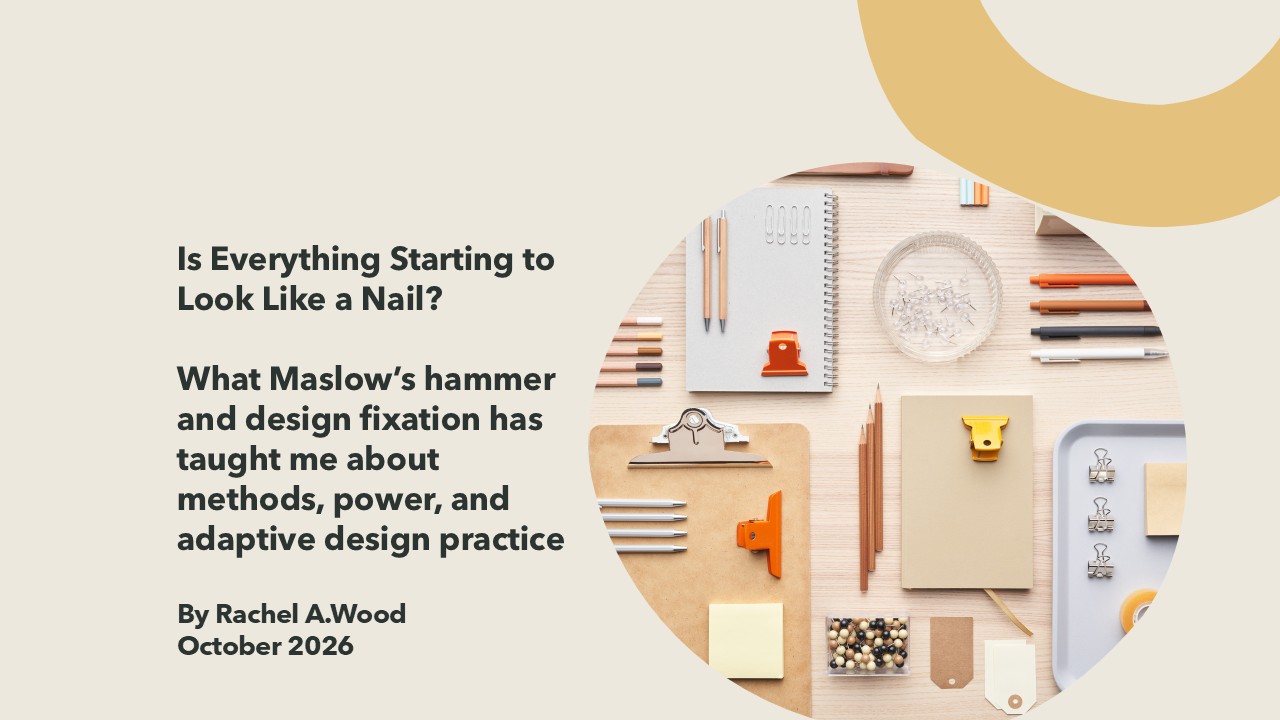
Is Everything Starting to Look Like a Nail?
What Maslow’s hammer and design fixation has taught me about methods, power, and adaptive design practice by Rachel A.Wood Most of us know Maslow’s hierarchy of needs. Less familiar, but equally useful for designers, is Maslow’s hammer: the tendency to treat every problem as if it can be solved by the tool already in hand.…
-
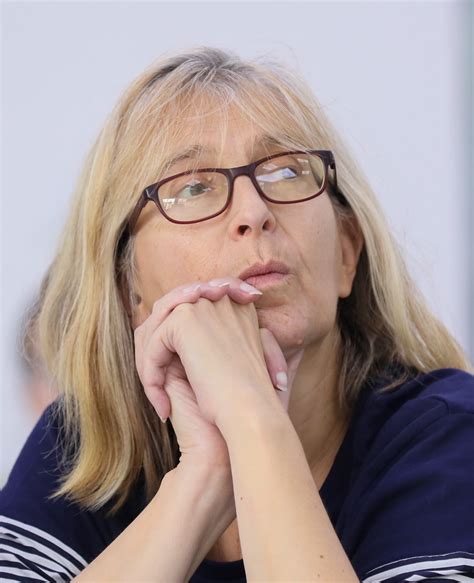
Narrative Beyond the Page
Reflections on Professor Karen Ferreira-Meyers’s Visit to The Open University From 1 to 4 September 2026, The Open University had the pleasure of hosting Professor Karen Ferreira-Meyers, a leading scholar of autofiction, life writing, autobiographical research and open education. The visit was organised through the Visiting Professor Programme and gave Professor Ferreira-Meyers the opportunity to…
-

Rethinking Feedback: Supporting Engagement in a Neurodiverse Higher Education Landscape
It’s late in the evening; a student prepares to open their feedback; they hesitate… For many students, receiving formative feedback is routine, expected, perhaps even welcomed. For others, it can be accompanied by tension, uncertainty, or fear. Formative feedback remains one of higher education’s most powerful teaching tools, shaping learning and supporting development. Yet despite…
-

The Open University recognised as an Official Skills for Planet University
We are delighted to share that The Open University has been formally recognised by the Design Council as an Official Skills for Planet University. This recognition acknowledges the work of the Design team in embedding sustainability, systems thinking and social impact throughout the curriculum and student learning experience. Developed by the Design Council, the Skills…
-
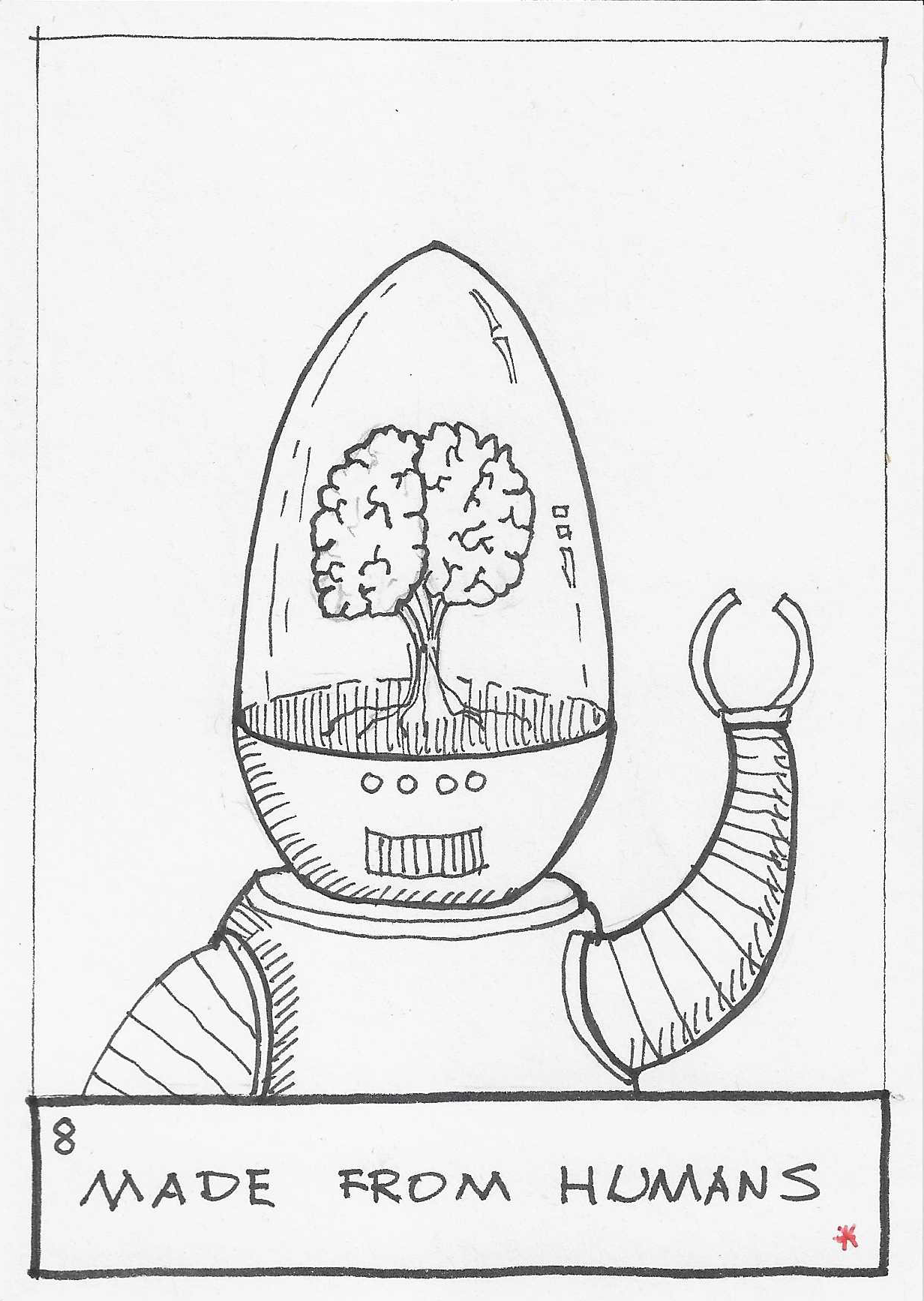
Predicting AI Futures Using Stories
I’ve just completed a bit of ‘analysis’ on the types of AI found in science fiction* and thought that turning these into Tarot Cards to predict the AI future would be a good idea. Put it this way, it’s not going to be any less unpredictable than allowing financial markets to dictate AI trajectories… Here’s…
-

Reflecting on the Annual Design Show
Back in July, I got to be part of something I had only really heard about before joining the OU, the Annual Design Show. Funnily enough, the show was also one of the first things I attended when I started here last year, before I had properly found my feet or even met most of…
-

OU Design Club – don’t wait, join now.
by Lily, an OU Design student Distance learning is great. It opens up so many opportunities. It allows you to study on your own terms and time. But at the same time distance learning can be strange. You log in. You study. You log out. Days blur together. You might be surrounded by people online…


