
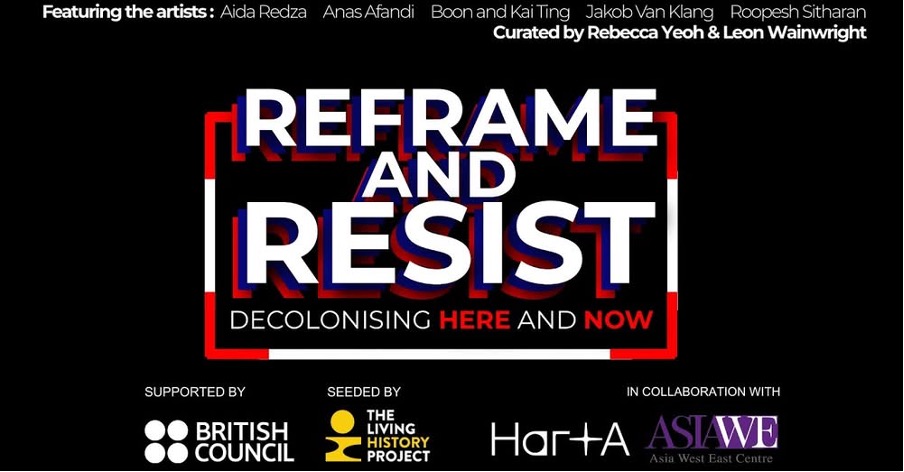
‘Reframe and Resist: Decolonise Here and Now!’ is a new initiative that seeks to transform the visual arts sector by addressing legacies of colonisation and environmental crisis. Supported with a grant of £10,000 from the British Council under a scheme designed to foster cultural exchange in Southeast Asia, part of its funding programme Connections Through Cultures, it brings together diverse stakeholders including activists, curators, artists and scholars.
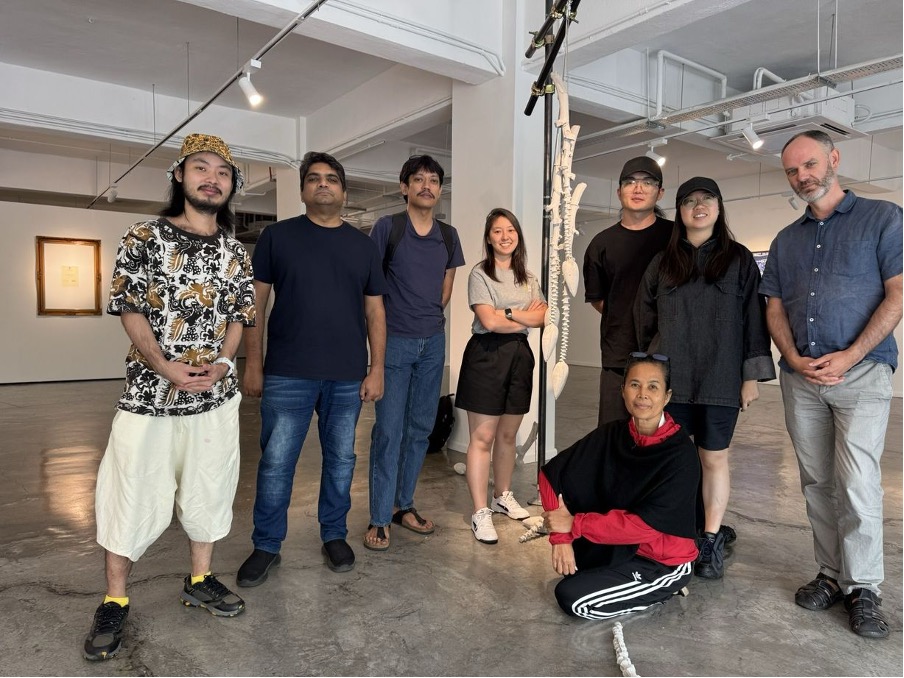
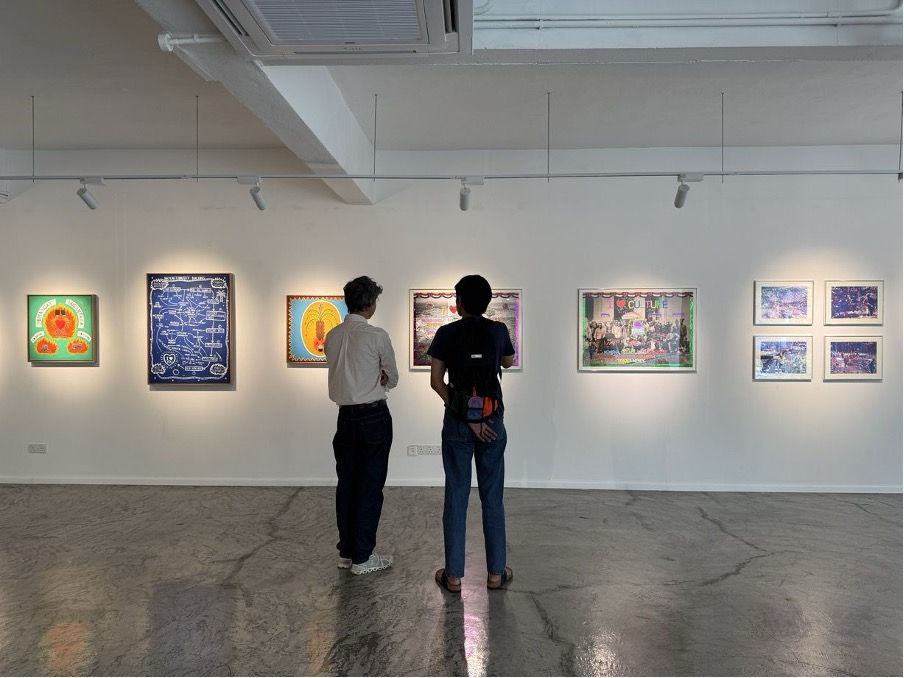
The project encompasses an exhibition in Kuala Lumpur at HARTA Space (6 – 28 September), where independent curator Rebecca Yeoh and OU professor of Art History Leon Wainwright showed work by group of six artists – Aida Redza, Anas Afandi, Boon and Kai Ting, Jakob Van Klang and Roopesh Sitharan – who were selected by jury following an open call for entries. Together their works show how contemporary art can offer a compelling and critical response by unpacking ‘what decolonisation means in everyday Malaysian life.’ (The Star, 27 Sept).
Partners in the project have shaped a programme of presentations and discussions around the exhibition, including the social history archiving and campaign group The Living History Project, Asia West East Centre/AsiaWE. An exhibition statement explains:
‘This is not a manifesto. It is an invitation to slow down, to feel, to learn, and to imagine new histories together. If that modest approach can begin to reshape how we care for our stories, our land and our communities, then it will have already succeeded.’
The commission of new works by artists has addressed a range of subthemes, linking colonial history to the present day – such as the persistence of healing traditions and their marginalisation by Western systems; consumerism and kitsch in urban development as a legacy of colonial modernity; the displacement of Indigenous communities; rivers and waterways as an archive of extraction and memory; and the privileges and exclusions embedded in colonial education systems.
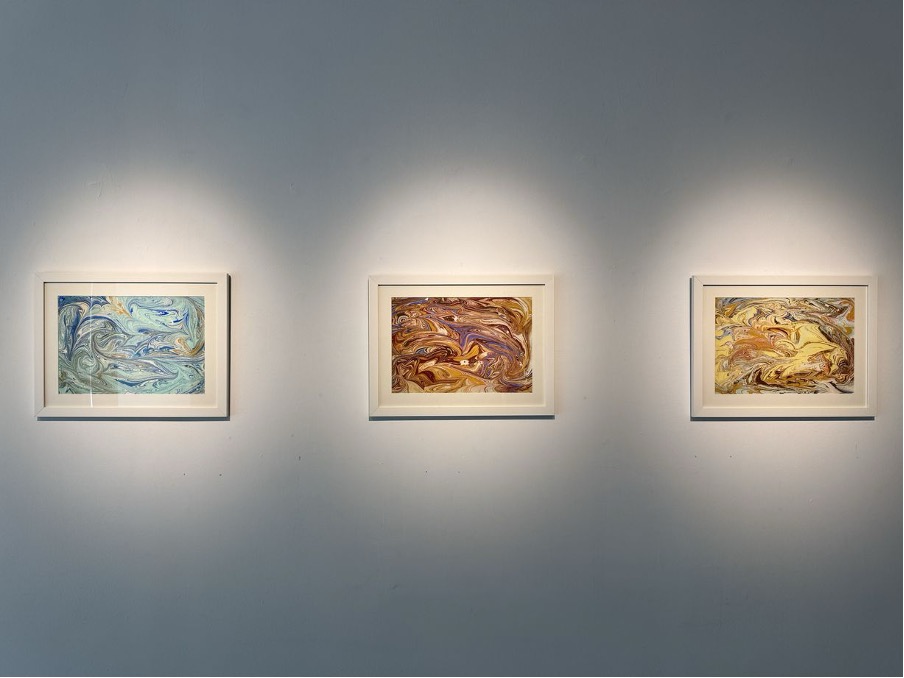
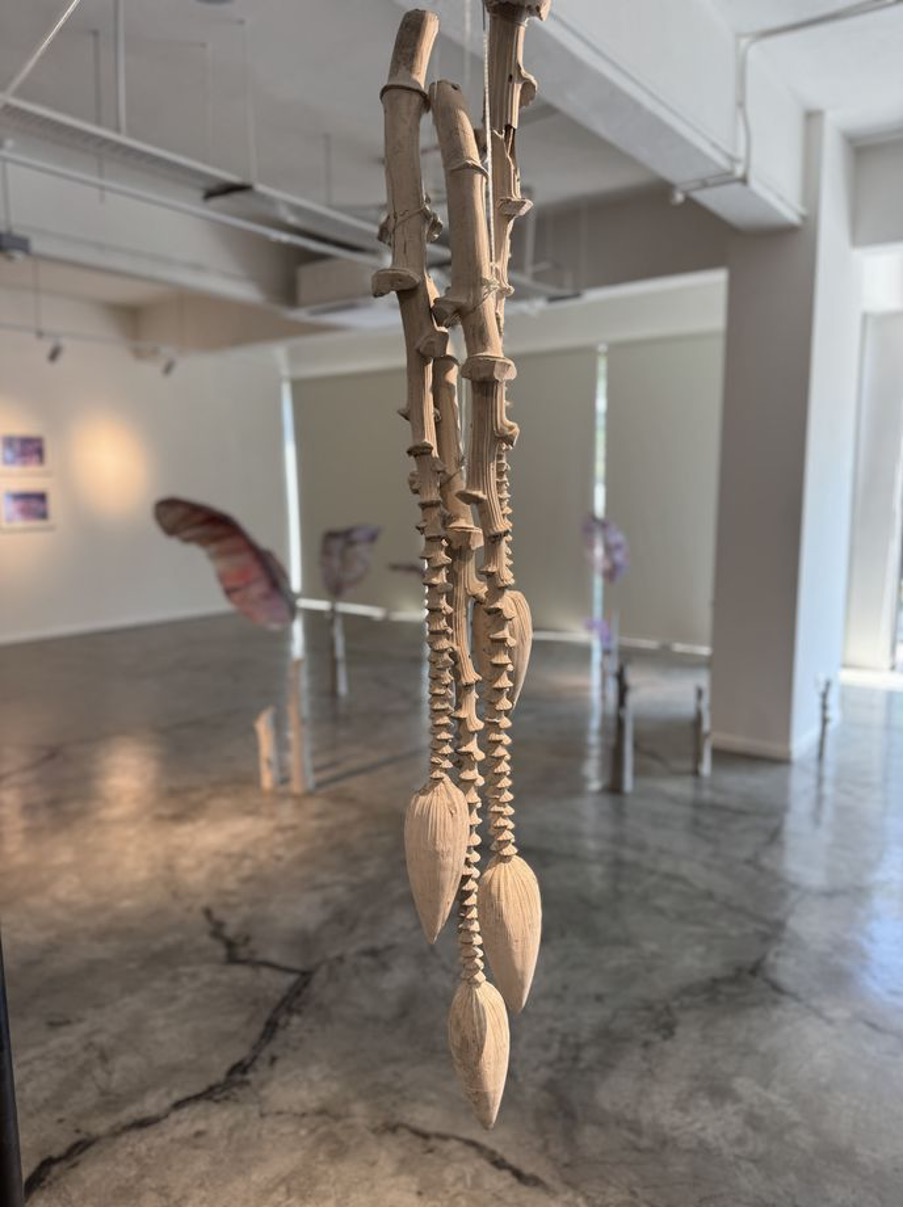
Alongside the exhibition, the programme features workshops and a public seminar with contributions from artists and invited scholars, events that frame decolonisation as a lived and contested practice rather than an abstraction of cultural theory. As Yeoh and Wainwright have insisted, as reported in the international platform ArtRabbit:
‘Decolonial thinking must not only tell new narratives but resist and disrupt those physical and epistemic infrastructures that rendered land, water, bodies and traditions invisible.’
Speakers at the project seminar include partners such as the prominent anthropologist, photographer and activist for the Orang Asli community Dr Kamal Solhaimi bin Fadzil (University of Malaya), writer and academic Professor Syed Farid Alatas (National University of Singapore) and artist and educator Dr Kate McMillan (Head of the Department of Culture, Media and Creative Practice at King’s College London), along with a host of experts from across the arts and humanities.
The project emerged from Rebecca Yeoh’s curatorial practice in Venice and with the Japan Foundation in Malaysia, and Leon Wainwright’s background of involvements in making the visual arts more open to global participation. A book-length publication is planned, which will document the project’s journey and reflect on its wider significance for art, education and cultural exchange between Malaysia and the UK.
Wainwright is founding editor of the OU’s Open Arts Journal www.openartsjournal.org and Art Editor for the magazine of contemporary writing Wasafiri (established in 1984 and supported by Arts Council England), and author of numerous books about global change and artists of the Caribbean, Black and Asian art communities in the UK and the Netherlands.
‘Reframe and Resist’ is just one of several British Council-supported activities in recent years undertaken through partnerships between the OU’s Professor Leon Wainwright and communities of artists, curators and activists, many from Global Majority/South countries. In 2024 as a visiting scholar at THE NEW INSTITUTE’s Centre for the Environmental Humanities at Ca’ Foscari University of Venice, he was invited by the Council to co-deliver part of the public programme around the British Pavilion at the Venice Biennale, together with partners in the UK and Italy. The work featured an event in Venice, involving the acclaimed art historian Cristina Baldacci and the Arts Council England organisation Iniva (the London-based organisation established in the 1990s by the late Stuart Hall, who was professor of sociology and cultural studies at the OU until 1997), as well as a grouping of artists from sub-Saharan Africa who were commissioned to create a ‘post national’ pavilion: https://iniva.org/programme/events/study-day-anticolonial-thinking-on-archives-water-and-climate-justice/
As Professor Wainwright explained about working with the British Council:
‘We can do such groundbreaking work with support from an organisation with the global visibility and prestige of the British Council. We are exploring what is at root an enticing subversion in the contemporary art sector, opening up decolonial perspectives and lines of action.’

Leave a Reply