
Category: Design for sustainability
-
Redesigning cities and transport systems
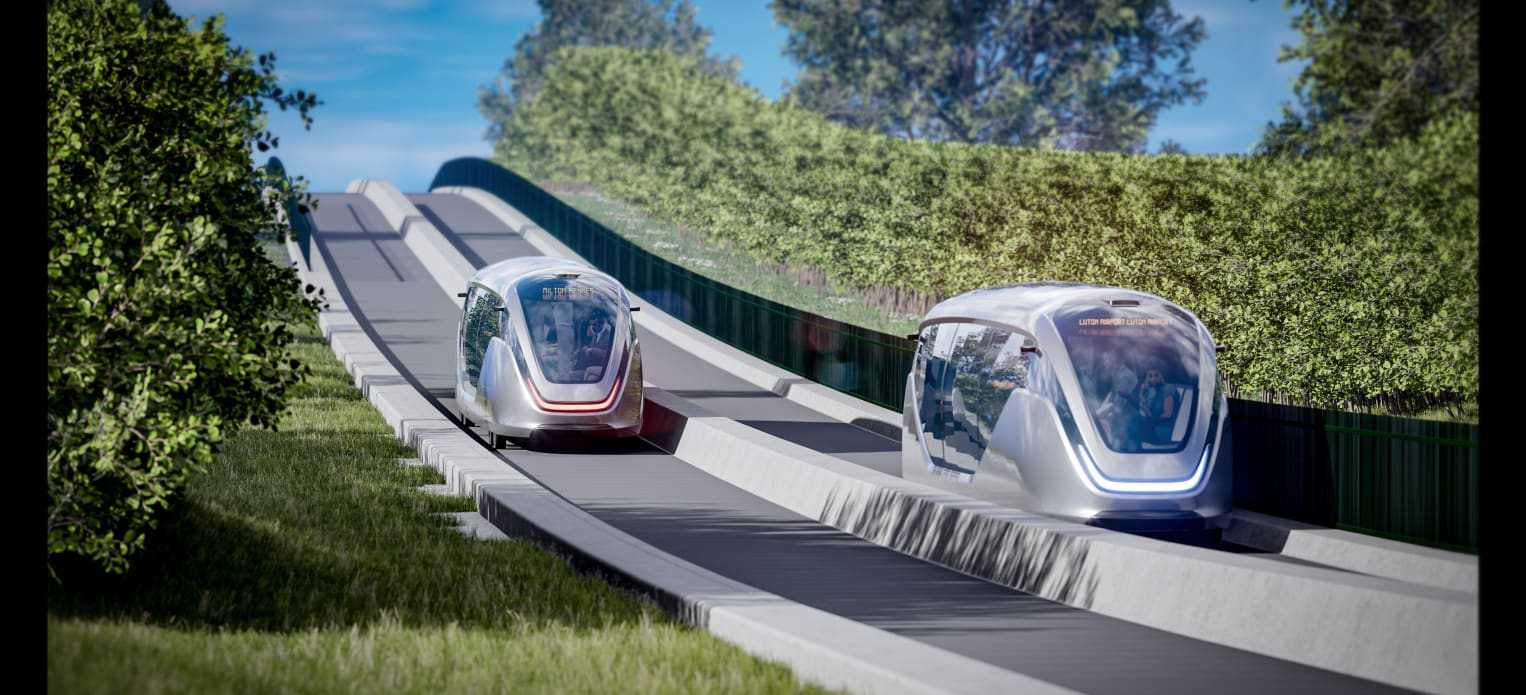
Over the last few years, I have posted here a number of blogs around the design of innovative public transport systems. These have included reinventing the tram, self-driving buses, new types of public transport through to ticketing systems that don’t require a dozen apps and an IT diploma to use. One theme that has emerged…
-

Designing comfort: or the joy of jumpers
I am currently running a survey trying to understand people’s perceptions of different aspects of comfort in multiple types and ages of homes in the North of England and the Scottish Borders, from 15th century cottages to Passive Houses (and if you’re in this area and want to fill in the survey you can…
-

Hello from the Newest Member of the OU Design Team!
I am Sejal Changede, and I am thrilled to join the Open University as a Lecturer in Design. The first time I truly questioned what I knew about design, I was sitting in a small workshop in India, watching an elderly silversmith work a piece of silver over a portable forge. He shaped and hammered…
-
Designing away digital mess
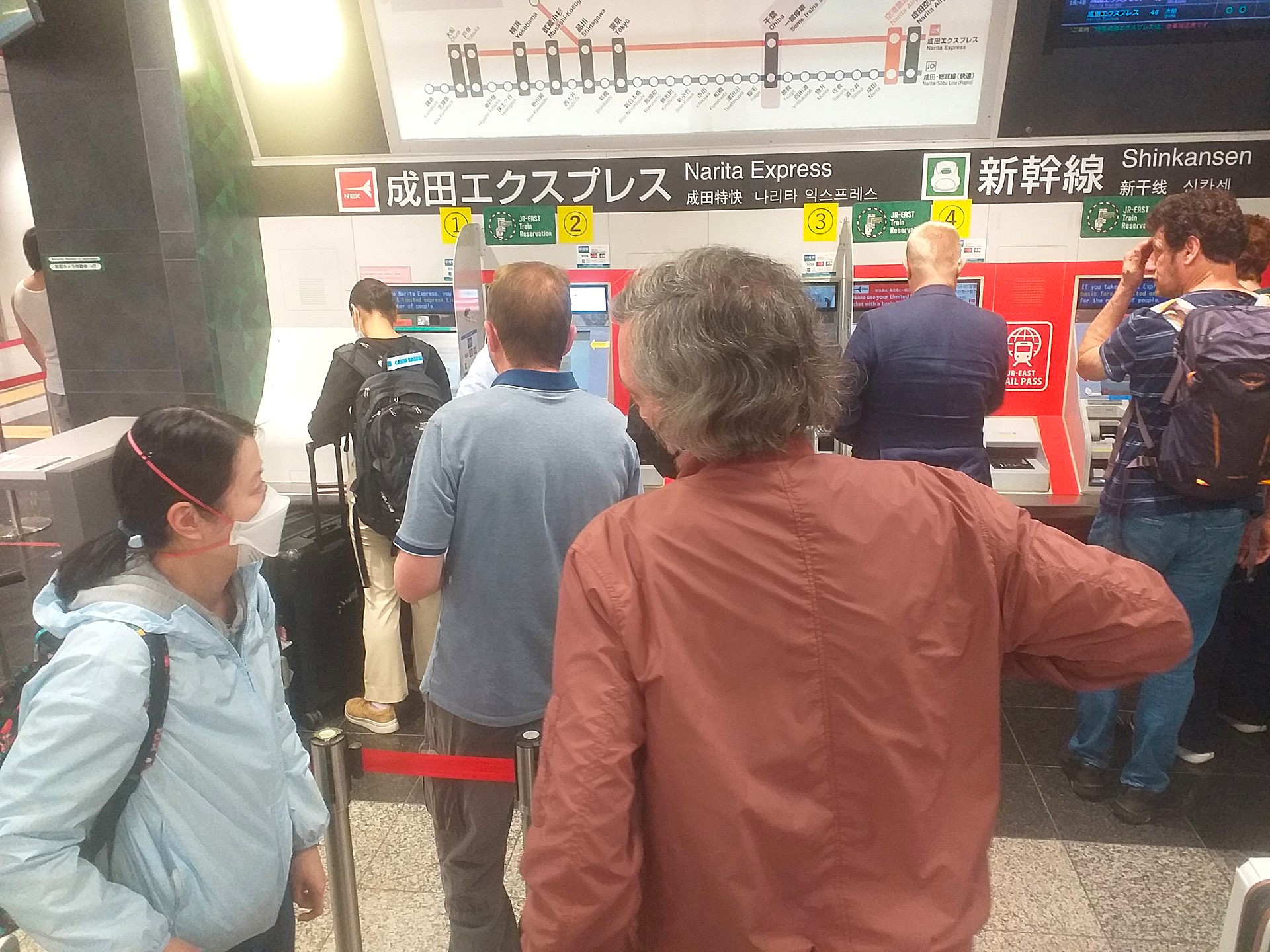
Have you ever found yourself frustrated by how complex and messy our digital society has made what were previously quite simple tasks? Take paying for parking your car. Once there were simple cash ticket machines (or even someone in a cabin at the entrance). Pay, display the ticket; job done. Now there may still be…
-
Graphical abstracts: great advertising?
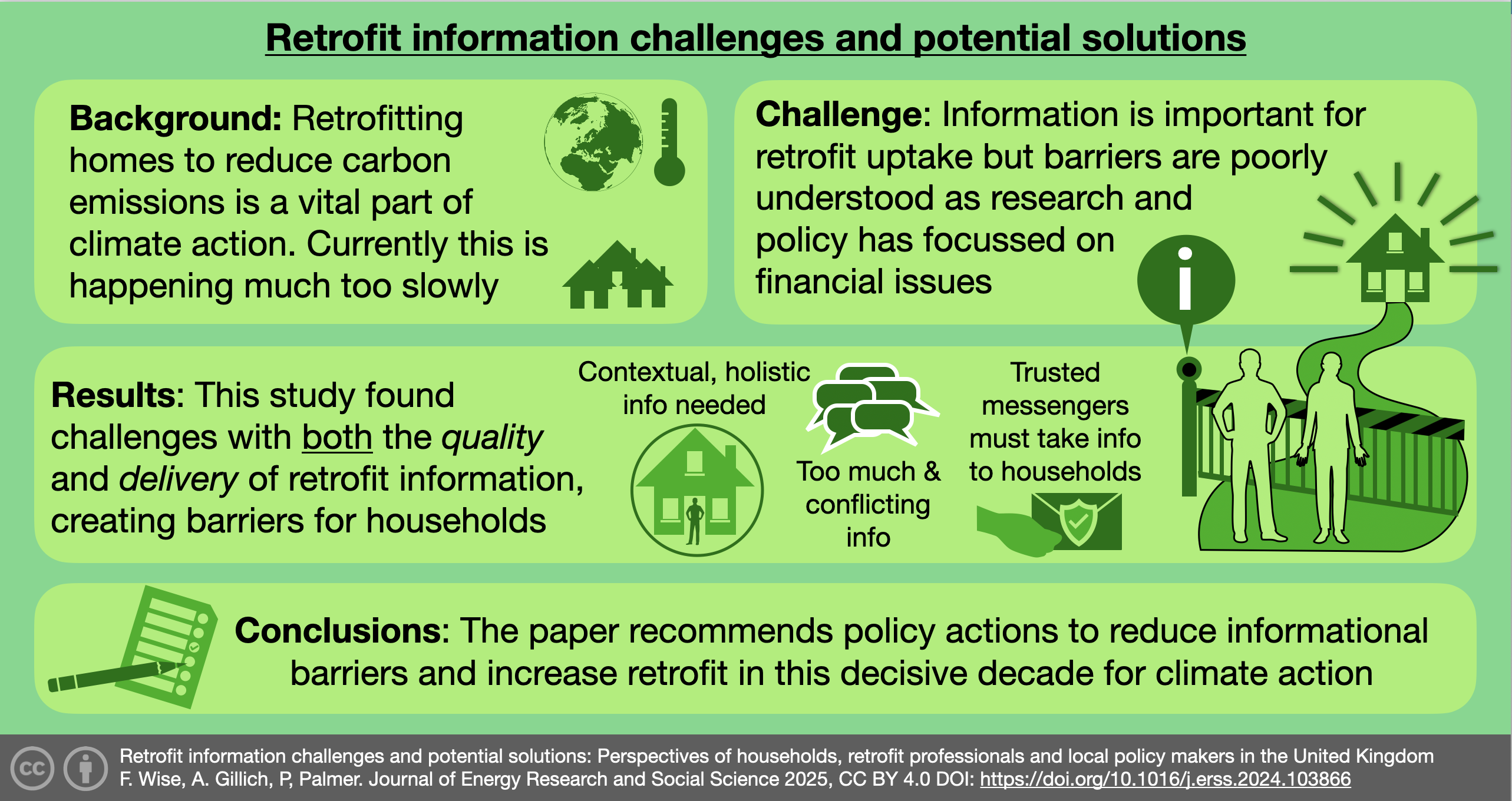
I was at an interdisciplinary professional development session last week exchanging tips on how early career academics could promote newly published journal articles to various audiences, academic, policy and even ‘normal people’. In a lull in the discussion of social media and industry newsletters I said, ‘And you could of course always create a graphical…
-
Campus Life_1: our green spaces
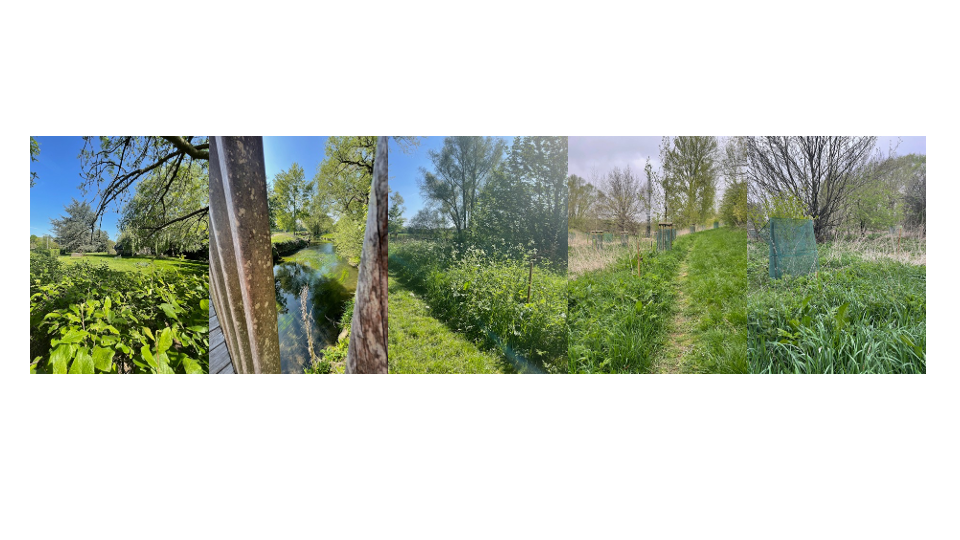
Walton Hall Campus As a 4 nation university we may sometimes forget that we have a central campus in Milton Keynes. Academics, technicians and administrators – the wearers of muddy boots on a building site in the early 1970s – today have the benefit of working in a green and diverse landscape covering 111 acres…
-
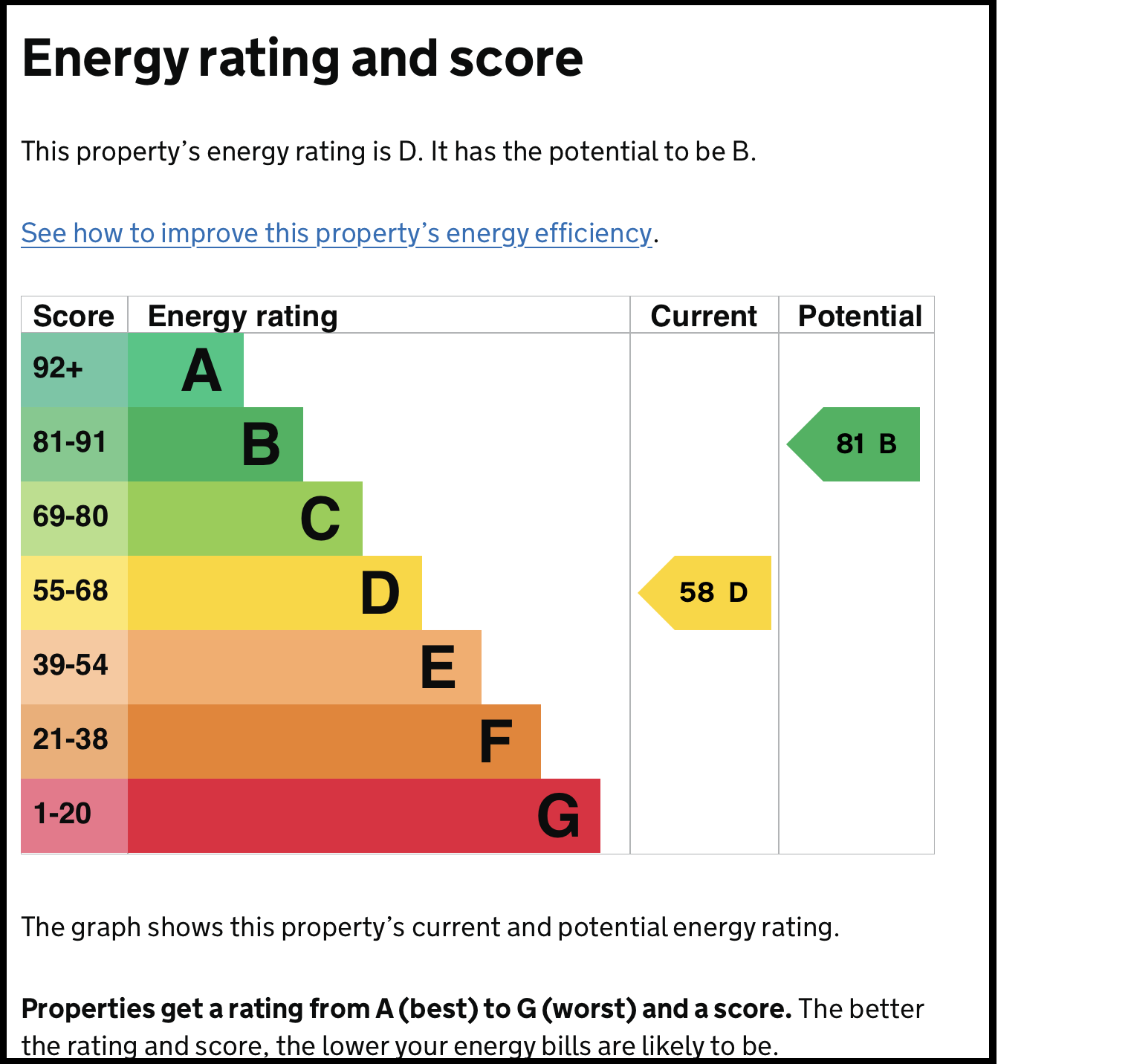
Energy Performance Certificate Reform: Mighty Metrics!
Energy Performance Certificates (EPCs) are required whenever homes are sold or let in the UK. The initial aim of EPCs was to provide a simple method for prospective occupants to compare and benchmark the energy and environment impact of homes, and to provide advice on potential improvements. EPCs rank a home’s performance from A (highest)…
-
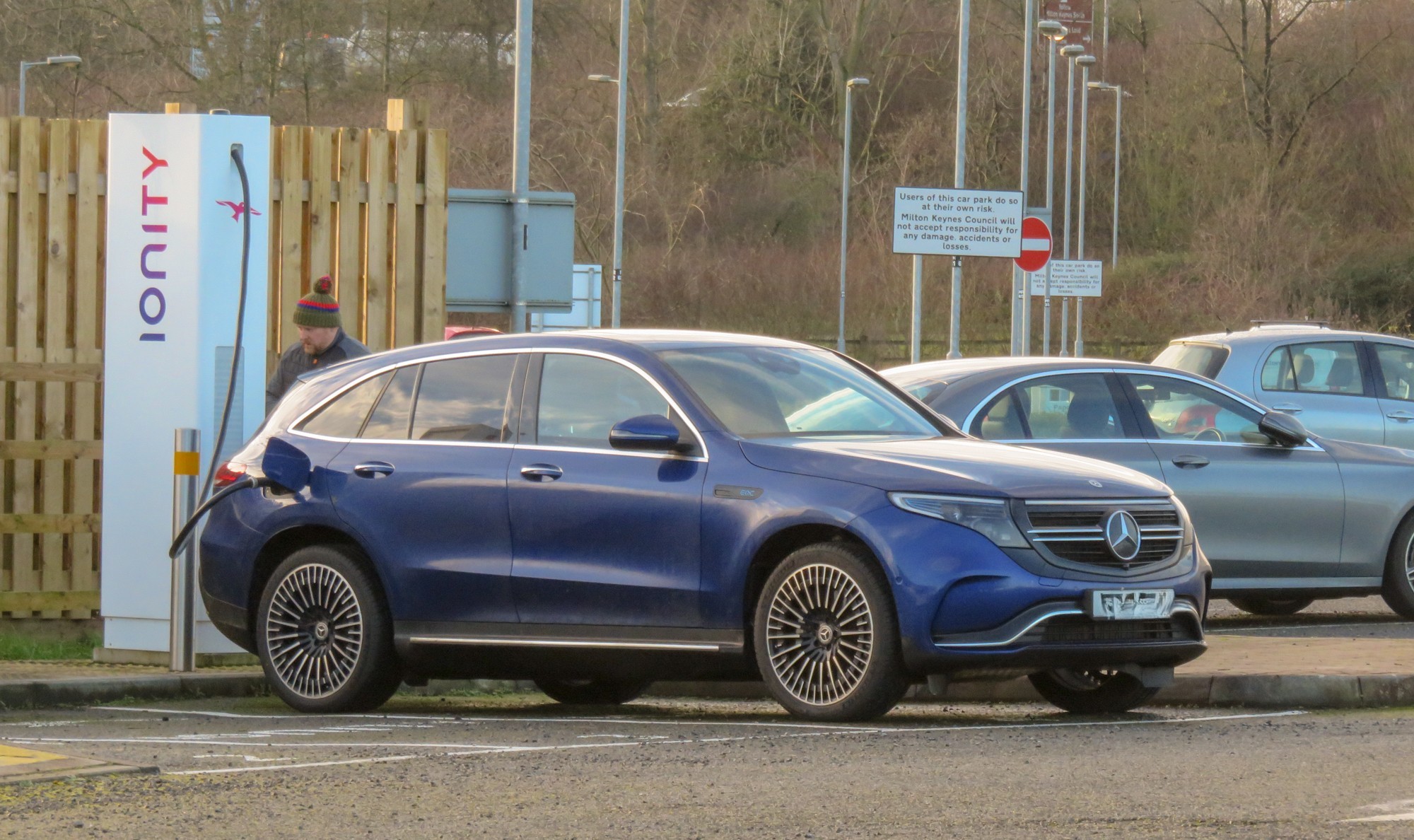
The designerly dance of the electric vehicle chargers
Just before lockdown, I and my colleagues Matt Cook and Miguel Valdez were involved in a research bid in response to an Innovate UK call to address the problem of on-street charging for electric vehicles. EV take-up had been predominantly by people who could charge their cars in their drive or garage. For others, charging…
-
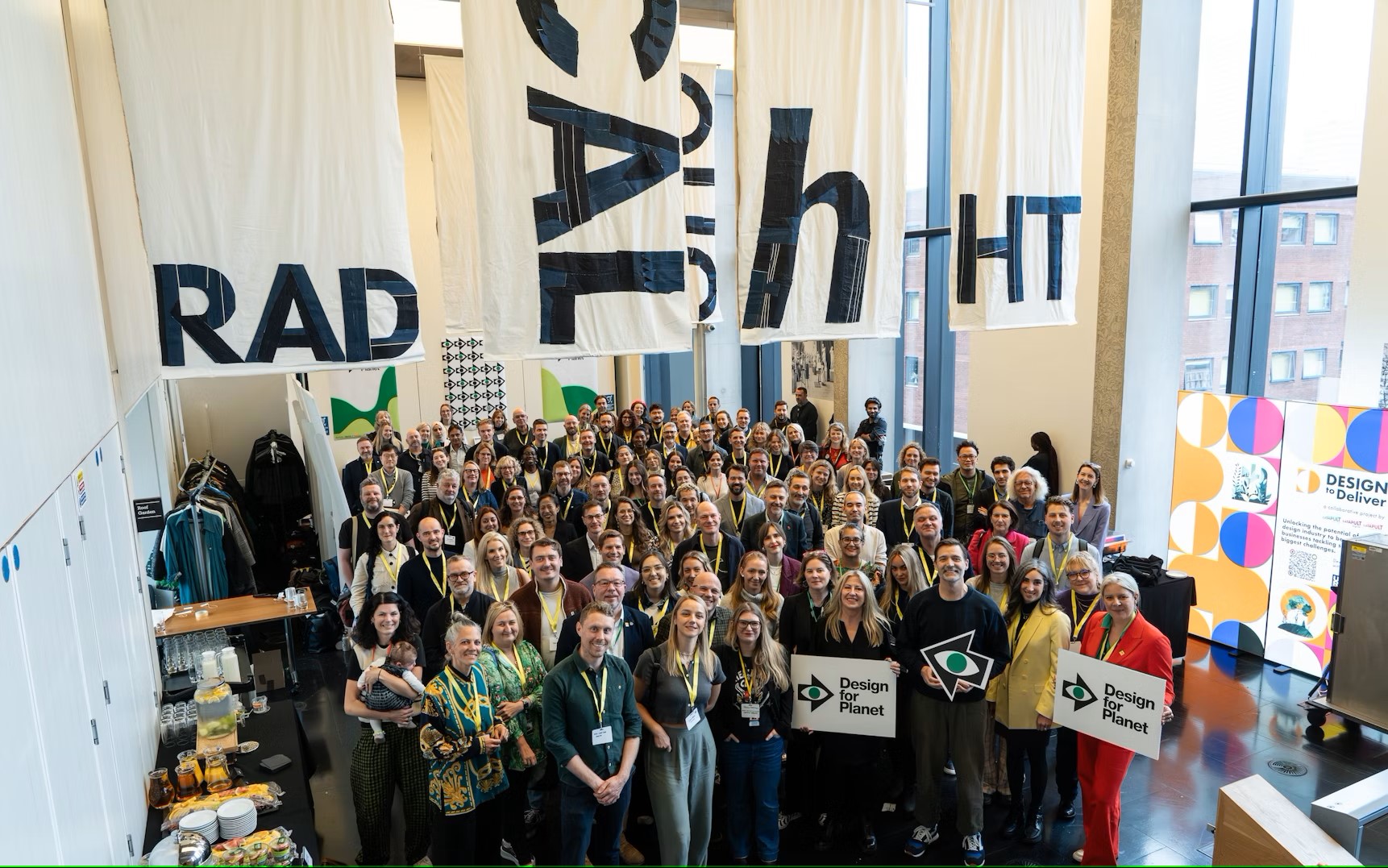
Design for Planet Festival 2024
This article was written on 15th November 2024 On 6th November, I had the privilege of attending the Design Council’s Design for Planet Festival 2024 in Manchester, where designers, studios, and businesses came together with the aim of working towards a net-zero future. The event was opened by inspiring leaders including Andy Burnham, Mayor of…
-

Transformative Learning for Sustainable Transitions
Inner Development Goals (IDG) Annual Summit in Stockholm This week, the non-profit initiative Inner Development Goals (IDG) held its annual summit in Stockholm. The goal of IDG is to harness the power of inner development to tackle global challenges, such as those outlined by the United Nation’s Sustainable Development Goals (SDGs). The IDG community has developed a framework…