
Category: Design Theory
-
Is Everything Starting to Look Like a Nail?
What Maslow’s hammer and design fixation has taught me about methods, power, and adaptive design practice by Rachel A.Wood Most of us know Maslow’s hierarchy of needs. Less familiar, but equally useful for designers, is Maslow’s hammer: the tendency to treat every problem as if it can be solved by the tool already in hand.…
-
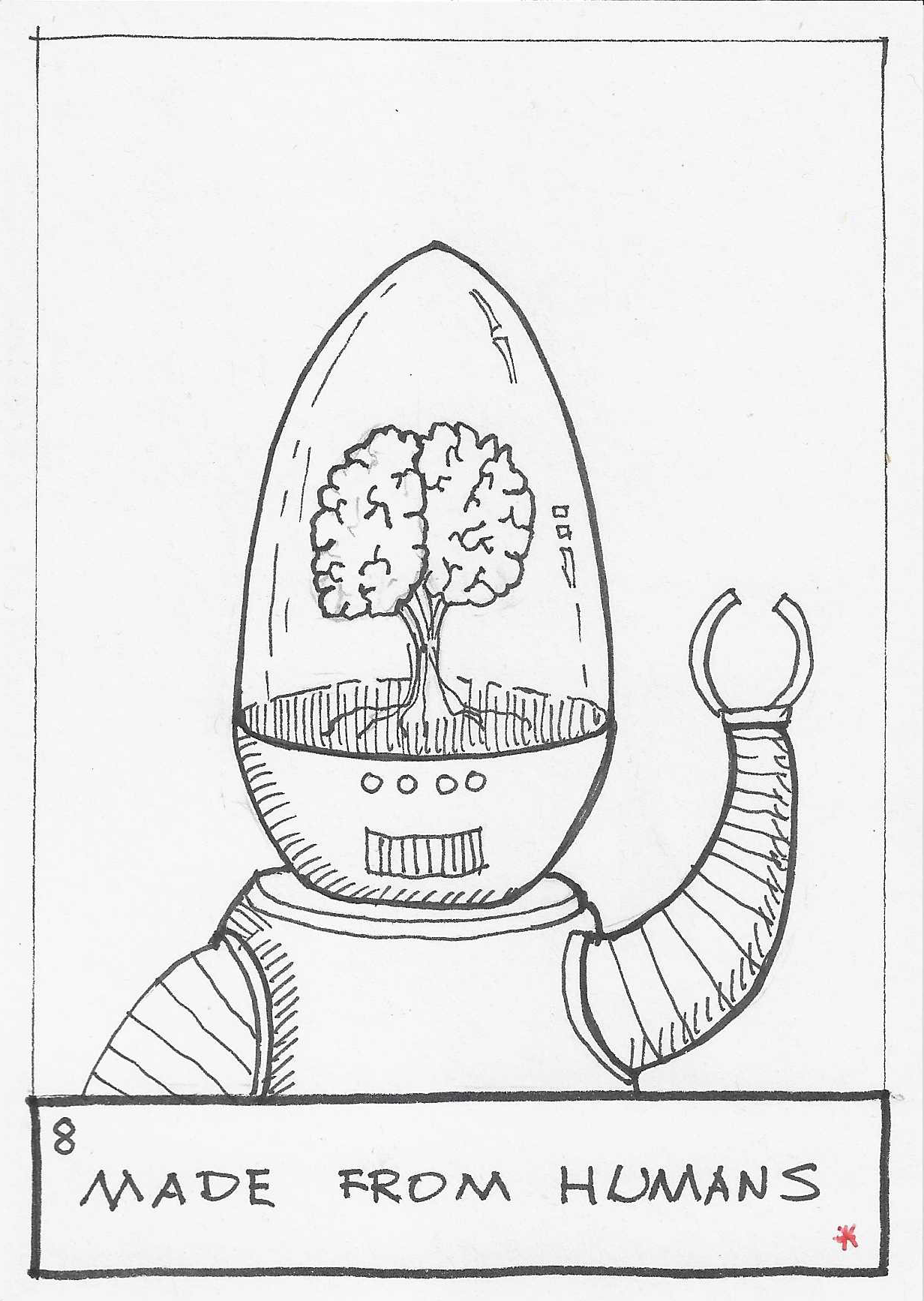
Predicting AI Futures Using Stories
I’ve just completed a bit of ‘analysis’ on the types of AI found in science fiction* and thought that turning these into Tarot Cards to predict the AI future would be a good idea. Put it this way, it’s not going to be any less unpredictable than allowing financial markets to dictate AI trajectories… Here’s…
-
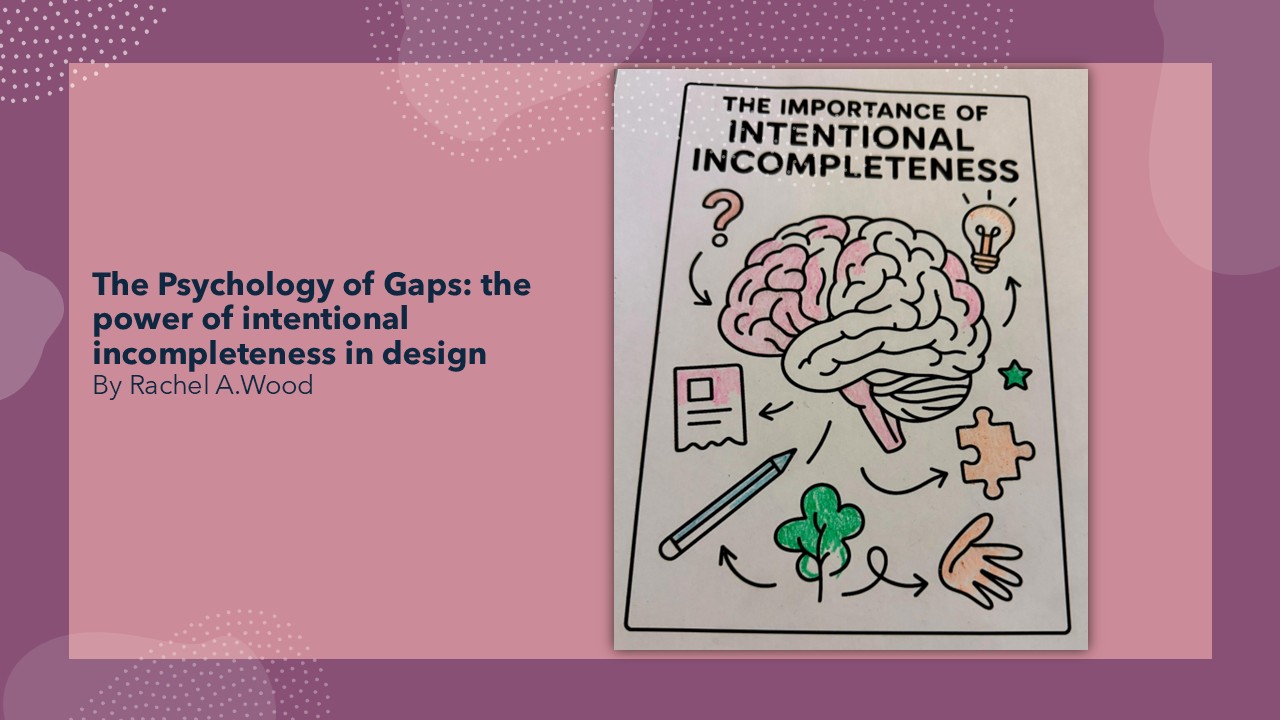
The Psychology of Gaps in Design
Why do unfinished things draw us in? by Rachel A.Wood The inspiration for this blog came during a lively conversation with fellow designers, as we explored new sources of inspiration. I found myself captivated by the concept of ‘intentional incompleteness’ and began to wonder how leaving things unfinished could transform both my practice and my research.…
-
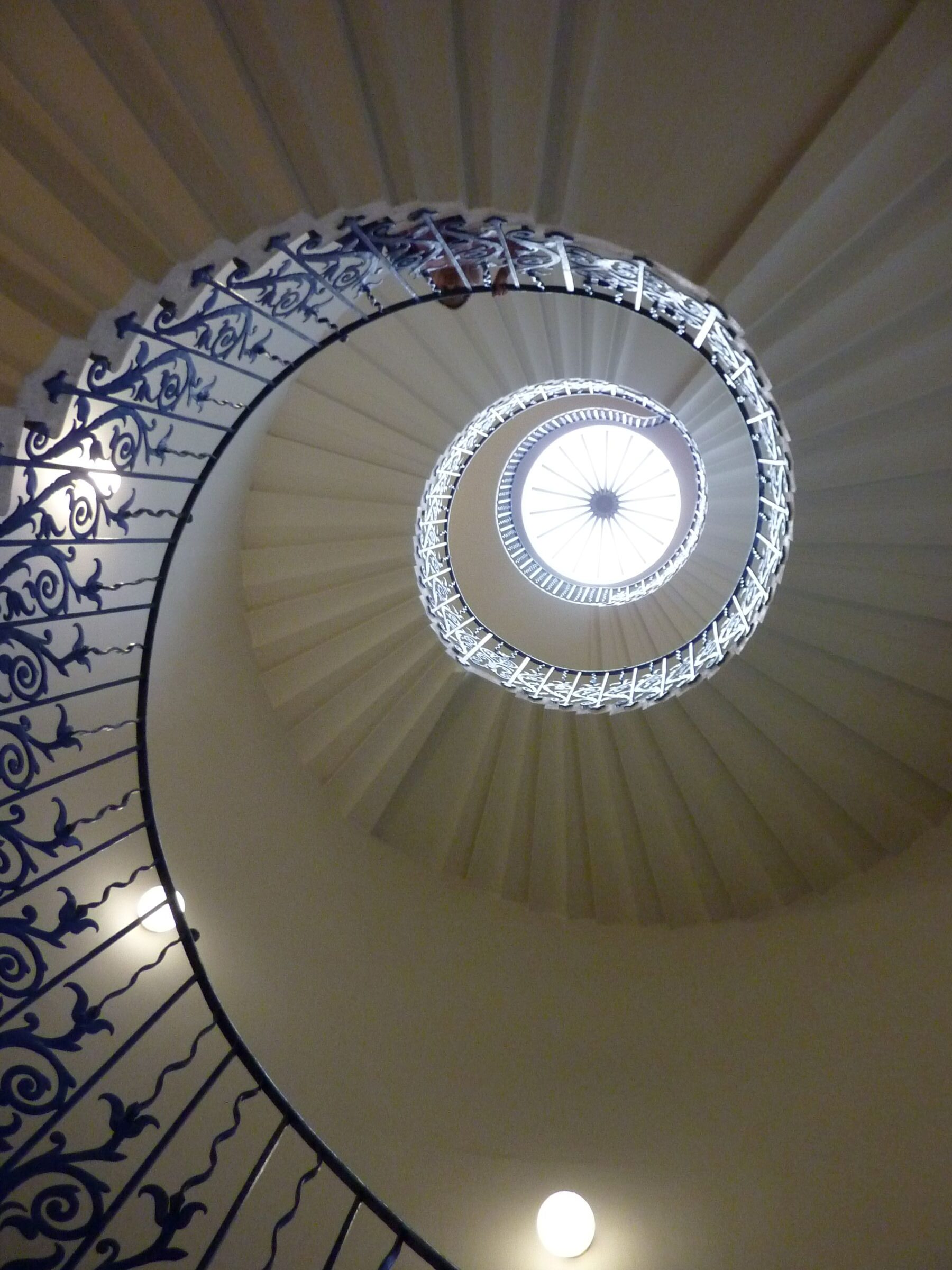
The art of looking up: A social prescription.
Social prescribing might feel like a new initiative but its key principle of connecting individuals with what matters to them, offering moments of joy and respite from personal struggle, echoes ideas found in the writings of some of the earliest philosophers. On A111, an arts and humanities module I teach alongside the design module, U101,…
-
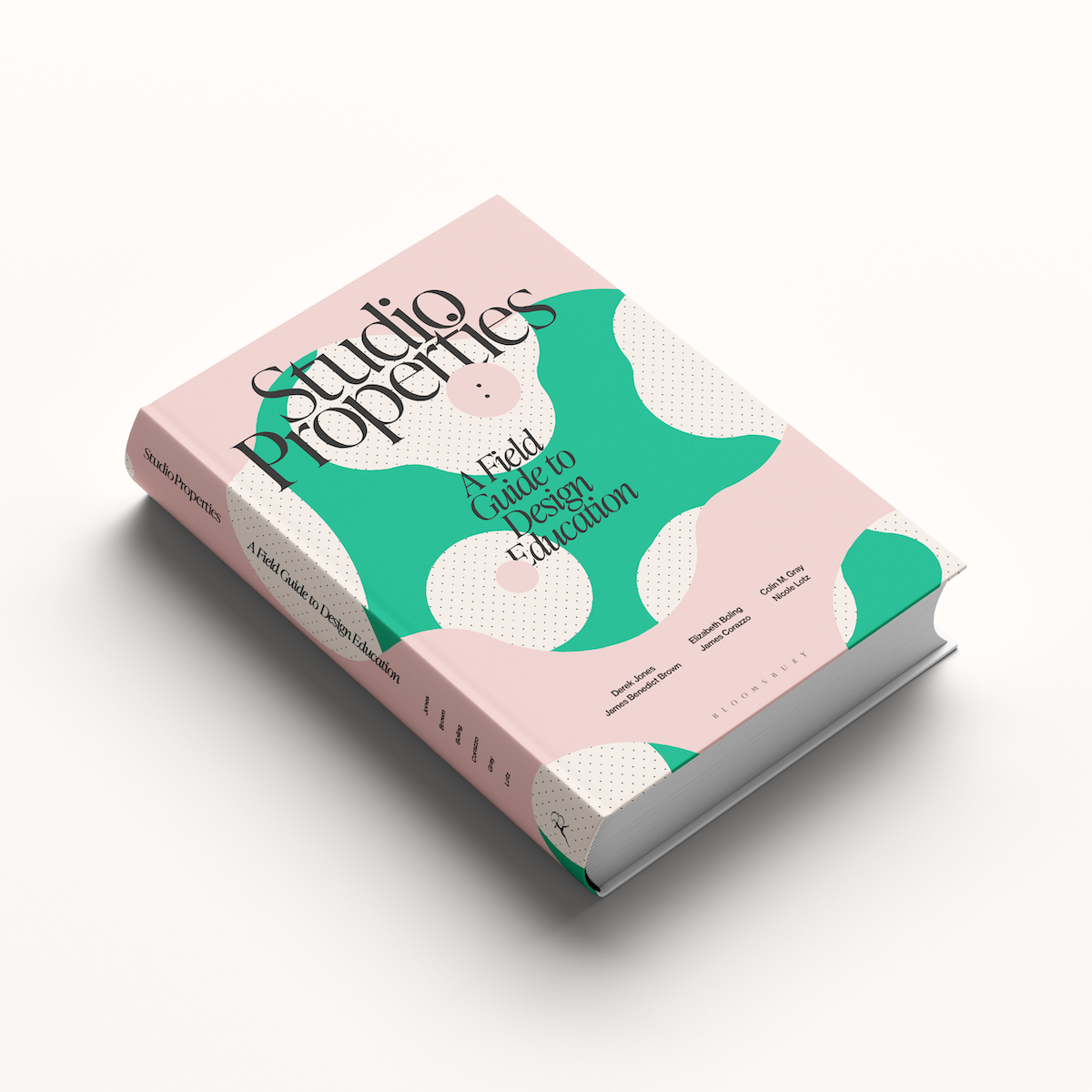
New Book: Studio Properties
“There is something very special about the studio as a place of practice and learning” After years of research and writing, Studio Properties: A Field Guide to Design Education is now out! The book is co-authored by a team of international design educators and scholars, including myself (Derek Jones) and Nicole Lotz. It builds on…
-
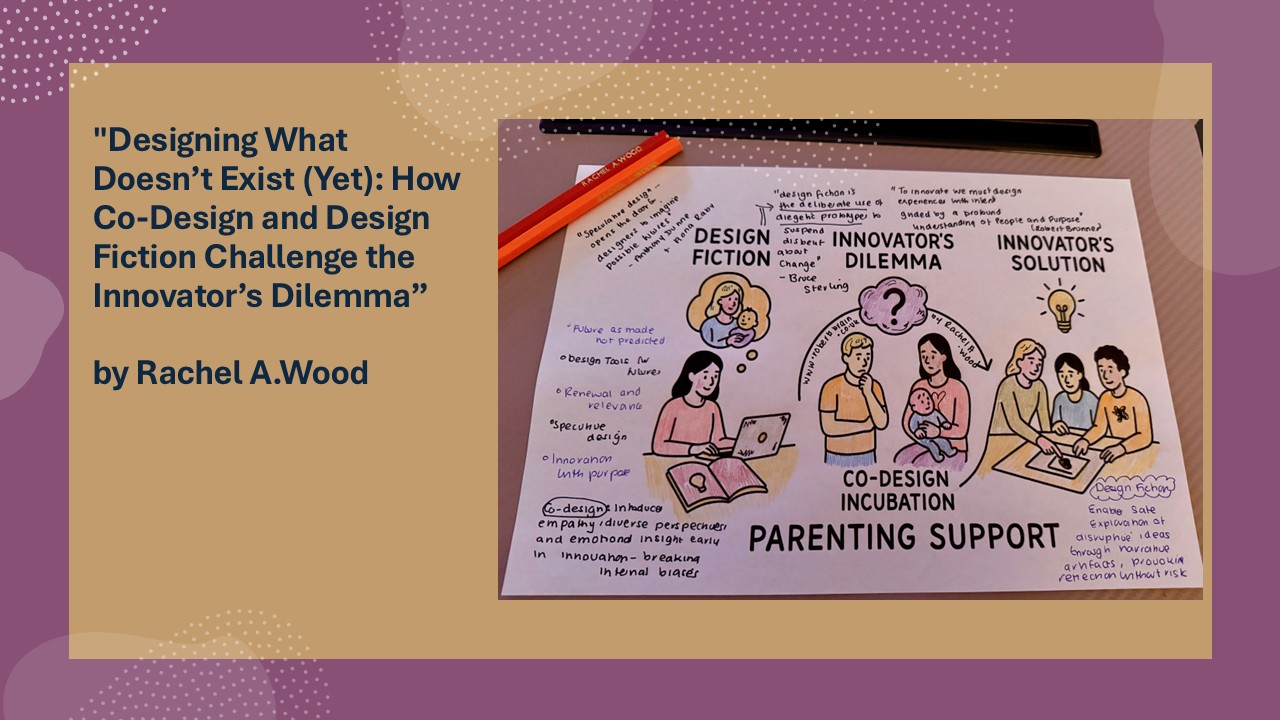
Designing What Doesn’t Exist (Yet)
Designing What Doesn’t Exist (Yet): How Co-Design and Design Fiction Challenge the Innovator’s Dilemma by Rachel A.Wood. A few months ago, I was starting to think about early prototypes for my research. As the result of this I looked at different ways to encourage new ideas. I started to read further about design fiction, and how it…
-

Designing the OU
We’ve been teaching design at the OU since its beginning in the 1970’s. So it’s always been fascinating to me how you design a thing like The Open University? And trust me, the OU was designed. If you look at the history of the the early vision and ideas for the OU, you can see…
-
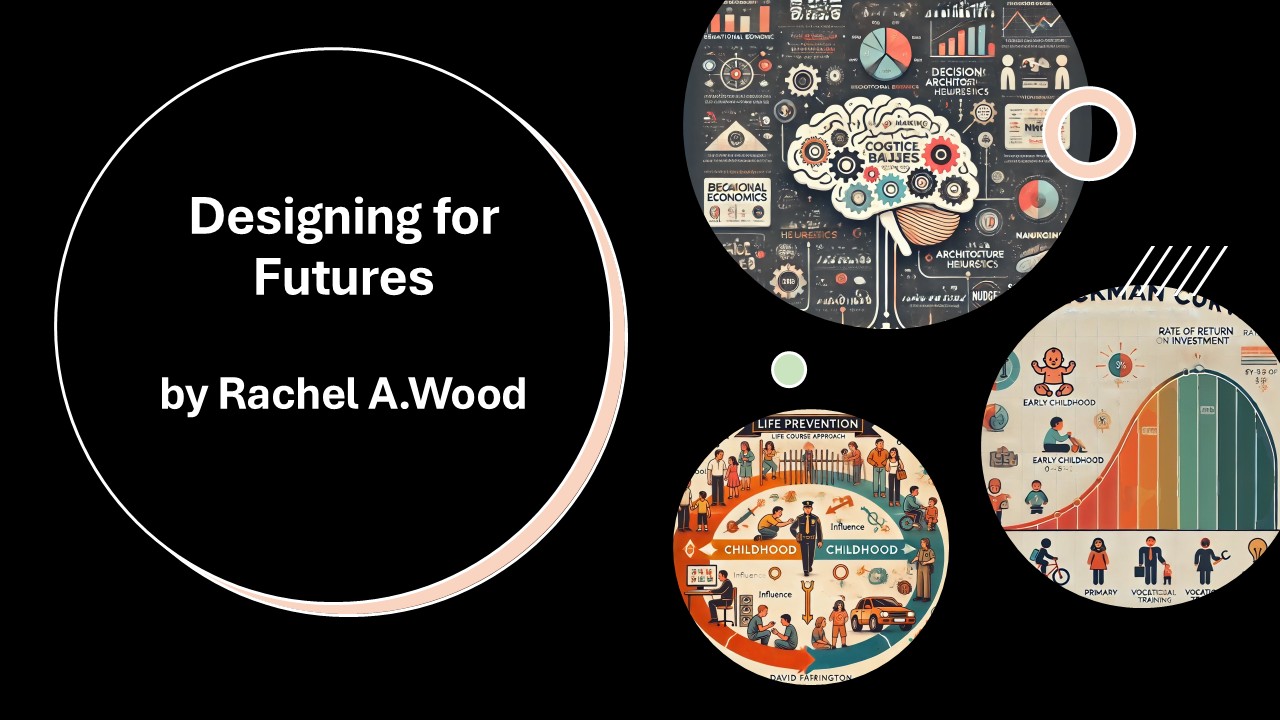
Designing for Futures
Designing for Futures: Building a Blueprint for Human Potential by Rachel A.Wood. In a world where every moment counts, our early experiences and continuous support shape not only individual destinies but the fabric of our communities. This blog is a tribute to David Farrington’s life course approach and builds upon the ground breaking insights of…
-
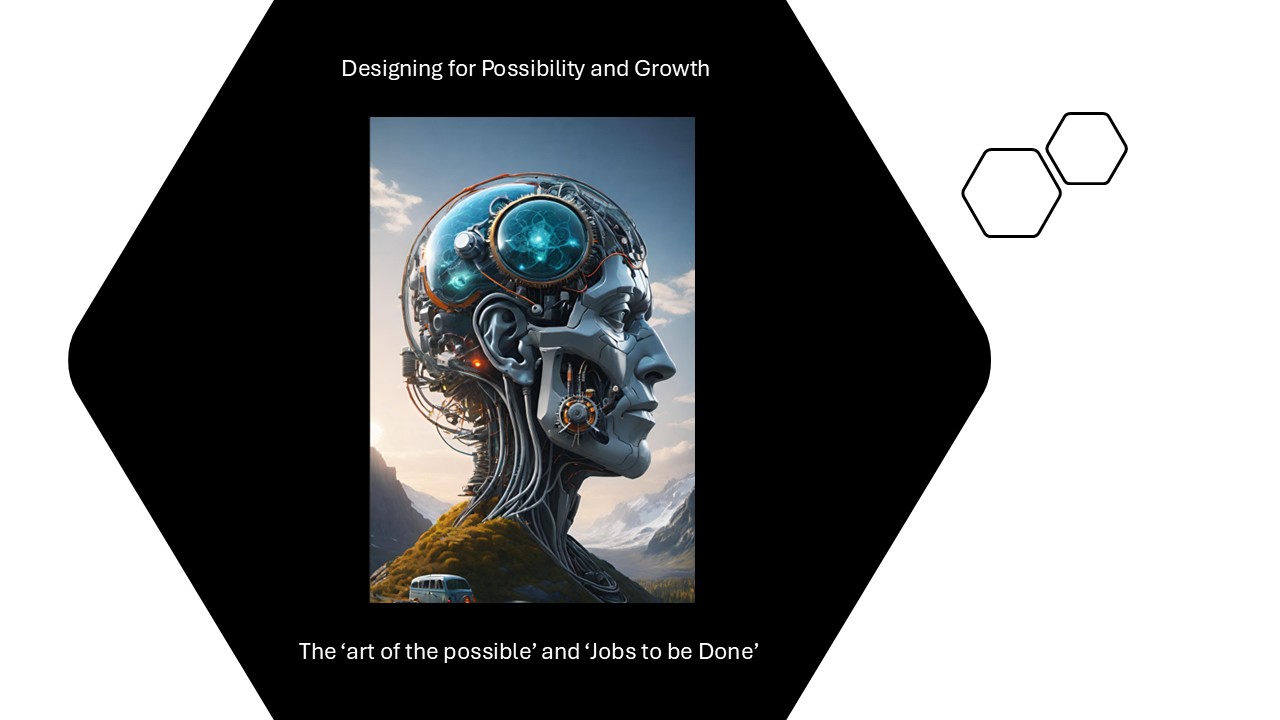
Designing for possibility and growth: the ‘art of the possible’ meets ‘Jobs-to-be-Done.’
Designing for possibility and growth: the ‘art of the possible’ meets ‘Jobs-to-be-Done.’ By: Rachel A.Wood. In my work as a designer, I use and talk about ‘the art of the possible’ (AoP) and the ‘Jobs-to-be-Done’ (JTBD) method very often. This is mainly because I have found that they are particularly useful in creating and sustaining a…
-
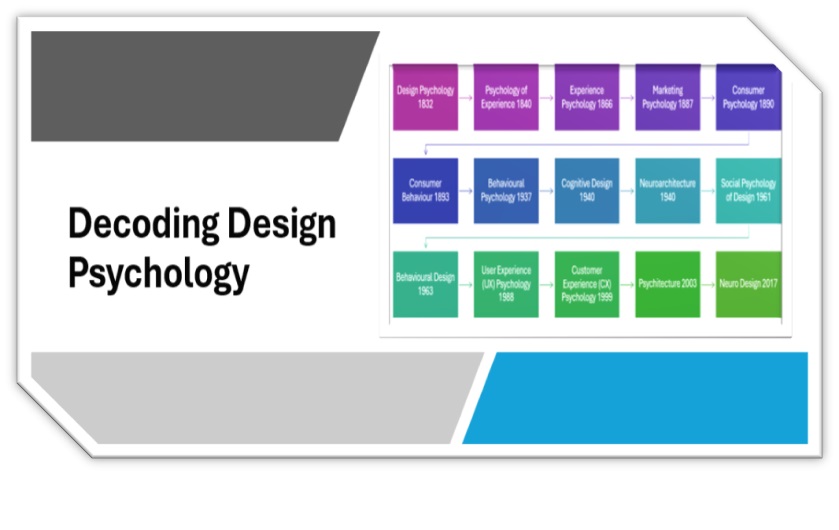
Decoding Design Psychology
A journey through the intersections of design and the mind by Rachel A.Wood There are different estimates of the number of designers who come from a psychology 𝚿 background, but in human centred design – estimates are likely to be around 10-20%. Being as I am passionate about psychology (which much of my past education…