
Last month, The Open University proudly hosted its second Sustainathon. The extracurricular event was an exciting, week-long online initiative in which STEM student teams tackled real-world sustainability challenges posed by third-sector organisations. This year, we were thrilled to collaborate with the National Trust (NT) and West London Waste Authority (WLWA), both of which are part of the external advisory group for OU STEM’s Environment, Earth and Ecosystem Sciences (EEES). They each set several sustainable challenges for the students
The OU Sustainathon is co-created by the OU Design Group and OU Careers and Employability Services. The event, held entirely online, was STEM Faculty-wide, offering students from across disciplines the chance to explore sustainability through a fresh perspective and develop new ideas and solutions. Through this process, we aim to raise their employability skills, such as communication, presentation and collaboration skills, as well as other capabilities such as curiosity, creativity and critical thinking.

Fig 1: Word Cloud of what students found most enjoyed.
The Sustainathon builds on the success of the OU Design Group’s past OU Designathon events. The Designathon is a real-world project-based, one-day online event that follows the same design problem-framing approach. However, due to its longer duration, the Sustainathon allows for deeper engagement. With a mentor assigned to each group, students had continuous support throughout the 7 days.
Running from 10 June to 16 June, the event took place immediately following the conclusion of the OU exams*, providing an enriching opportunity for students before the summer. The OU Sustainathon used a structured design-thinking problem-framing approach developed by Derek Jones, Nicole Lots, and Georgy Holden, which supported the creative, collaborative design-thinking process.
Each challenge consisted of three teams, and each team delivered one final presentation. 37 Students attended the project launch, and 33 participated in the final presentations, demonstrating their dedication and commitment. The participating students were self-selected from various study levels, ranging from Level 1 to Level 3, and included postgraduate students. Each group had a range of students coming from the different STEM fields, including Computing, Maths, Environmental Studies, and Design.
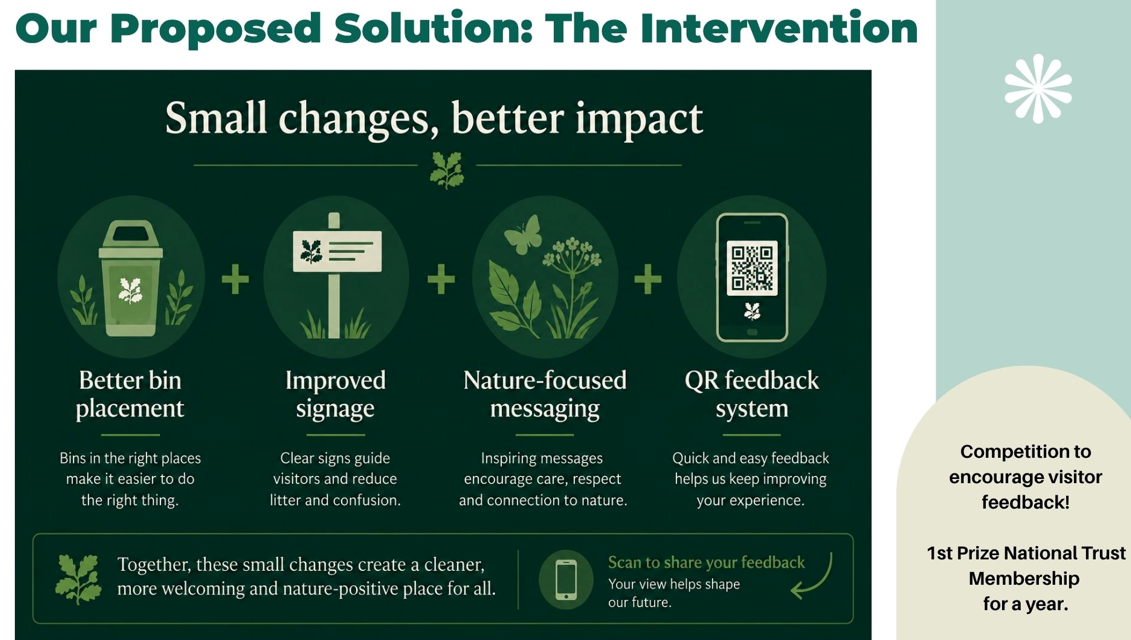
Fig 2. Group 1 – Small Changes, Better Impact.
One student shared what they found most enjoyable: “Working in a team, cross-disciplinary, and realising we all add such value, and all in such different ways! We are definitely ‘stronger together’, and the diversity was our strength!” and another expressed: “The most enjoyable aspect was the sense of collaboration and creativity, working with others, sharing ideas, and watching a simple concept grow into something meaningful. It felt energising to be part of a team where everyone contributed something different, and that mix of perspectives made the whole experience richer and more inspiring.”
This year, we added a pre-meet to our event the week before, taking on board last year’s participant feedback. This aided us in testing the technology, introducing the teams to each other, and introducing the design-thinking process.
The final presentations were truly impressive, showcasing the high standard of work produced in just one week. These presentations will be featured in this year’s OU Design Annual Show. Please visit the website when it launches to see summaries of each project.
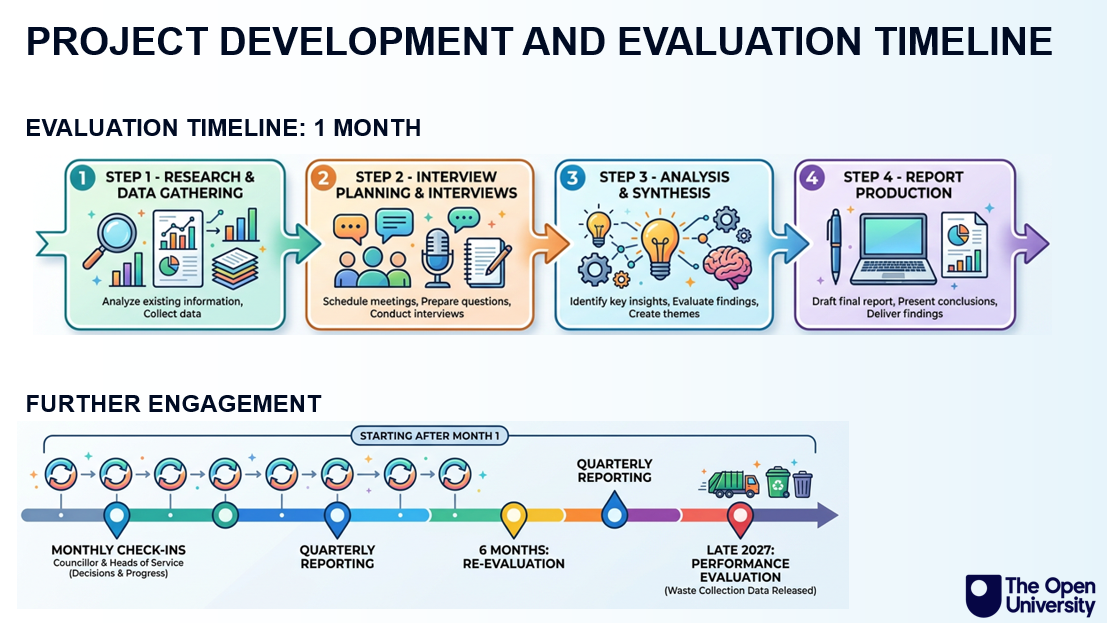
Fig 3 Group 5 – Evaluation strategy for the Simpler Recycling Policy
In all, the event was interactive, collaborative and rewarding for both students and the participating charities. The ideas, services, products, and concepts generated were not only innovative but also practical and applicable. Our students truly demonstrated their creativity and commitment to building a more sustainable future.
A special thank you to the OU Careers and Employability Services team. Georgina Hawkins and Matthew Woolley’s unwavering support in developing. And a big thank you to our challenge setters, Camilla Timms from NT and Terry Tudor from WLWA.
We also want to extend our gratitude to our fantastic mentors, Rachel Wood, Sam Osys, Ismay Mummery, Mahsa Bagheri, and Jamie Donaldson, all PhD students in Design. Their guidance was invaluable in helping students build essential design and employability skills, boosting their confidence for future careers.
And a thank you to Frances Jenner from EEES for supporting us and helping endorse the event.
*Note: For students who began their studies in October, OU has varying module start dates, so the timing of exams may differ for them.


Leave a Reply