
I first joined the Women’s Engineering Society (WES) when I was pregnant with my eldest child. As I headed out on maternity leave, I was keen to ensure I had a network and source of information for support as I navigated a career break and beyond. For much of the intervening time, I have been a quiet WES member, reading the journal and joining an event or two. More recently I have taken on the role of partner contact, liaising between the School and WES to promote the benefits – which now includes free WES membership for both students and staff – and contribute to the Education Special Interest group. And in the last year, I have also been volunteering locally on the #WattsInAHome project, funded by RAEng Ingenious public engagement grants scheme to share the history of the Electrical Association for Women (EAW) and organised by WES Heritage Officer, Helen Close.
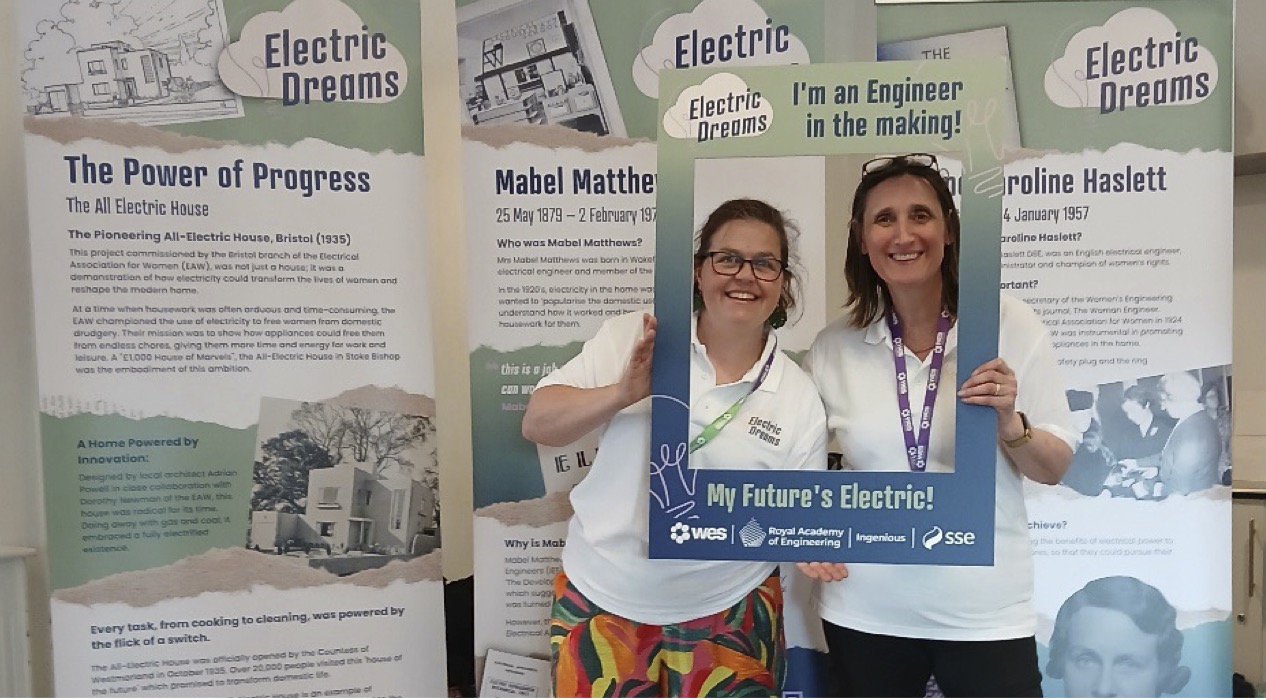
The EAW were established in 1925, with support from WES, to educate, encourage and represent women in the ‘Electrical Age’. From a couple of small groups in Glasgow and London, the organisation grew to a national network – competing for members with the WI – and established overseas links. EAW members influenced innovations in electricity – the UK plug, with its earth, fuse and standardised wiring colours; designs for a bachelorette flat and family homes to embrace the opportunities of electric lighting, heating and cooking; prefabricated homes and schools for post-war recovery …
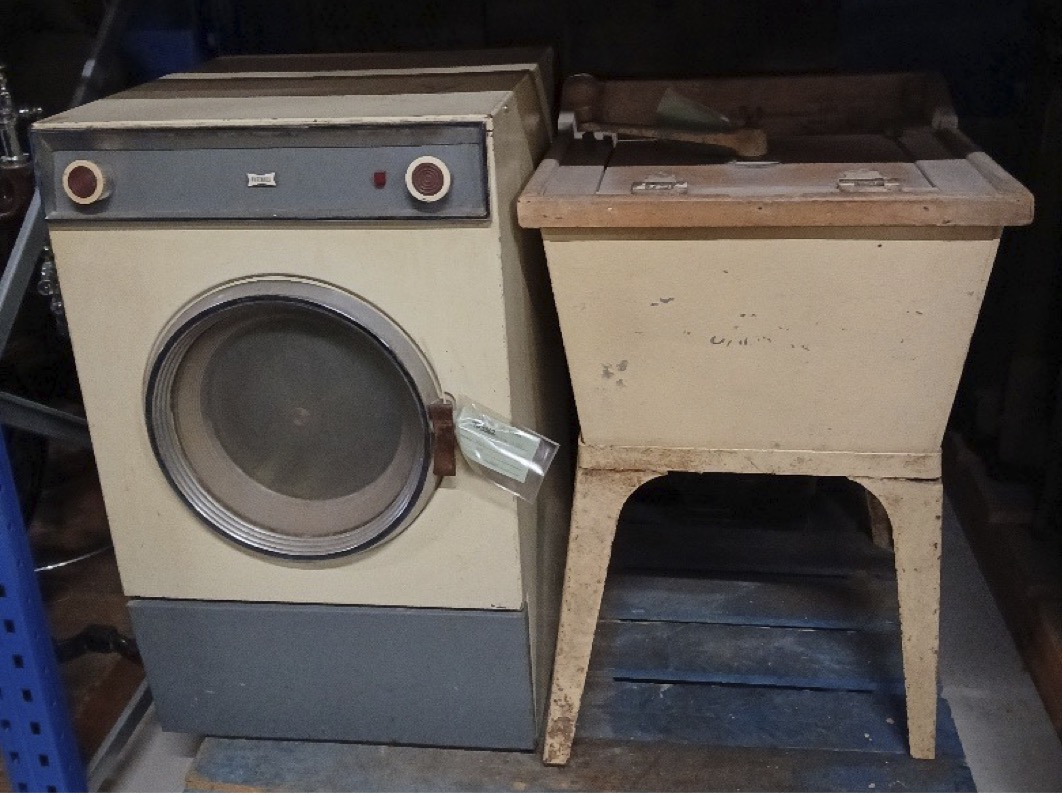
By the 1980s, electricity had become established as a technology, and more than half of women were working. Whilst these were welcome advances, they posed challenges for EAW. The electrical supply industry had been decentralised and was preparing for privatisation and fewer women were available to volunteer on branch committees or even to attend branch meetings. Manufacturing had also moved out of town, so less convenient for site visits or guest speaker’s diaries. The EAW was quietly wound up in 1986.
One of the surprises from volunteering on the project was reading through the digitised archive of The Electrical Age Journal and discovering how close I had come to the EAW. An Engineering careers talk in Bristol in the 1980s was part of a series they started, a textbook I had used as an Undergraduate had been a guide for women up until its 3rd edition, and a local social club had persisted beyond EAW to meet monthly through until 2020.
And as I read about the history of the EAW in Bristol, I discovered how electricity had shaped the city –clocks, trams, chocolate, concrete, theatre, boats and bridges all featured – alongside the predictable lighting, heating and cooking! The tie in with concrete was a particular surprise as, despite knowing that concrete design developed in the early 20th century – indeed the Institution of Structural Engineers originated as the Institute of Concrete, to facilitate and formalise design with this innovative material – I had not considered how that paralleled innovation in electricity for building services. Both electricity and concrete promised improved fire safety, whilst bright electric lights worked well with the longer spans and paler surfaces of concrete. And the introduction of electric lifts allowed novel building layouts, such as the basement book stacks in the library at the (then) new University of Bristol.
Having volunteered to share knowledge and enthusiasm, I was rewarded with new knowledge and regained enthusiasm for building design. Engagement with engineering heritage has informed my understanding of innovation and the role of communities in driving change, and I looking forward to progressing the adventure at Heritage Open Days this September.
Leave a Reply