
Category: Design research
-
Is Everything Starting to Look Like a Nail?
What Maslow’s hammer and design fixation has taught me about methods, power, and adaptive design practice by Rachel A.Wood Most of us know Maslow’s hierarchy of needs. Less familiar, but equally useful for designers, is Maslow’s hammer: the tendency to treat every problem as if it can be solved by the tool already in hand.…
-
Narrative Beyond the Page
Reflections on Professor Karen Ferreira-Meyers’s Visit to The Open University From 1 to 4 September 2026, The Open University had the pleasure of hosting Professor Karen Ferreira-Meyers, a leading scholar of autofiction, life writing, autobiographical research and open education. The visit was organised through the Visiting Professor Programme and gave Professor Ferreira-Meyers the opportunity to…
-
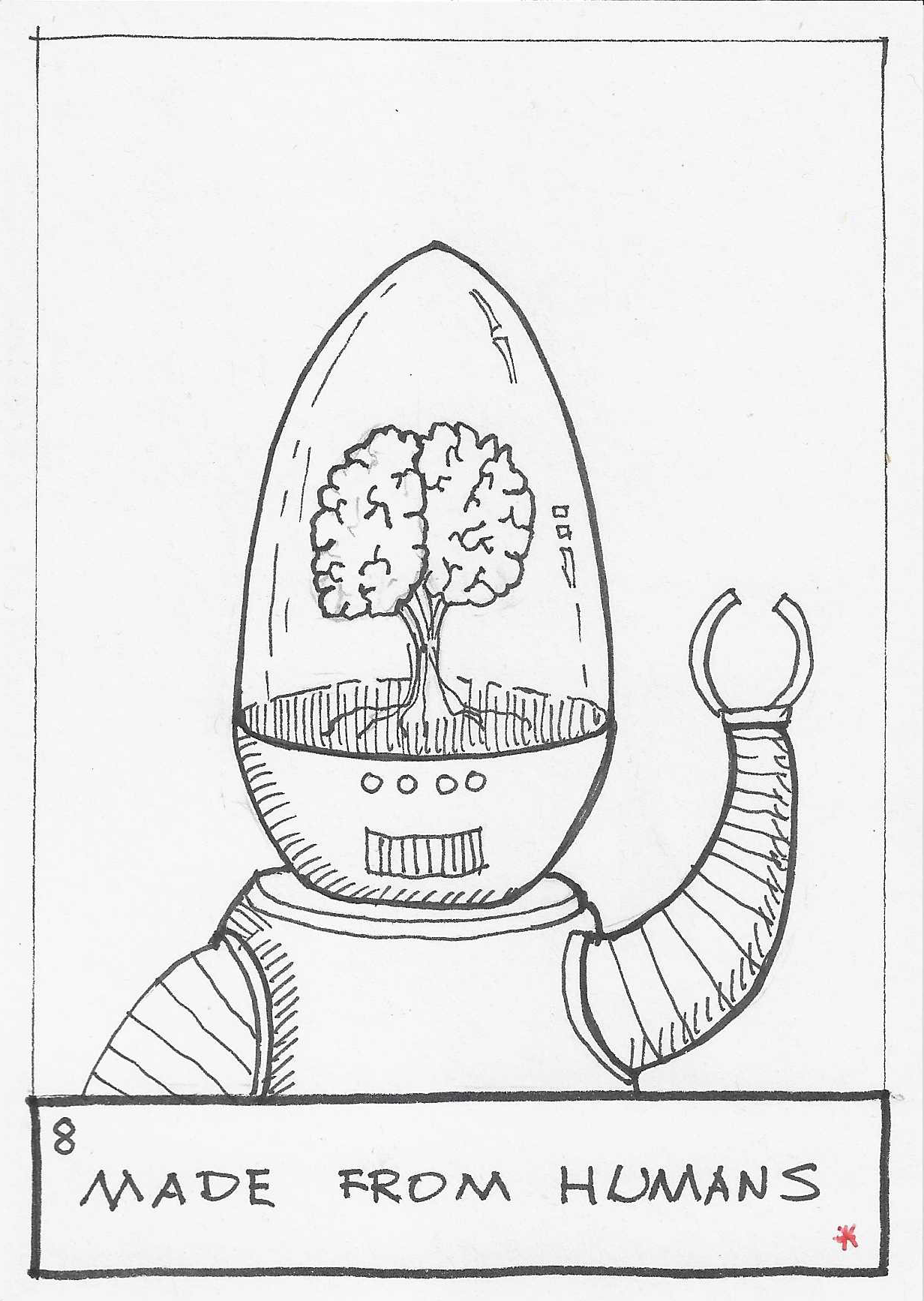
Predicting AI Futures Using Stories
I’ve just completed a bit of ‘analysis’ on the types of AI found in science fiction* and thought that turning these into Tarot Cards to predict the AI future would be a good idea. Put it this way, it’s not going to be any less unpredictable than allowing financial markets to dictate AI trajectories… Here’s…
-

Design education in its teenage years: reflections from DRS2026 Edinburgh
In June 2026, Edinburgh hosted the largest ever Design Research Society (DRS) Conference. I was struck by both the scale and the energy of the conversations taking place. As one of the track chairs for the Design Education research stream, alongside Ricardo Sosa (New Zealand) and Violeta Clemente (Portugal), I had the opportunity to engage…
-
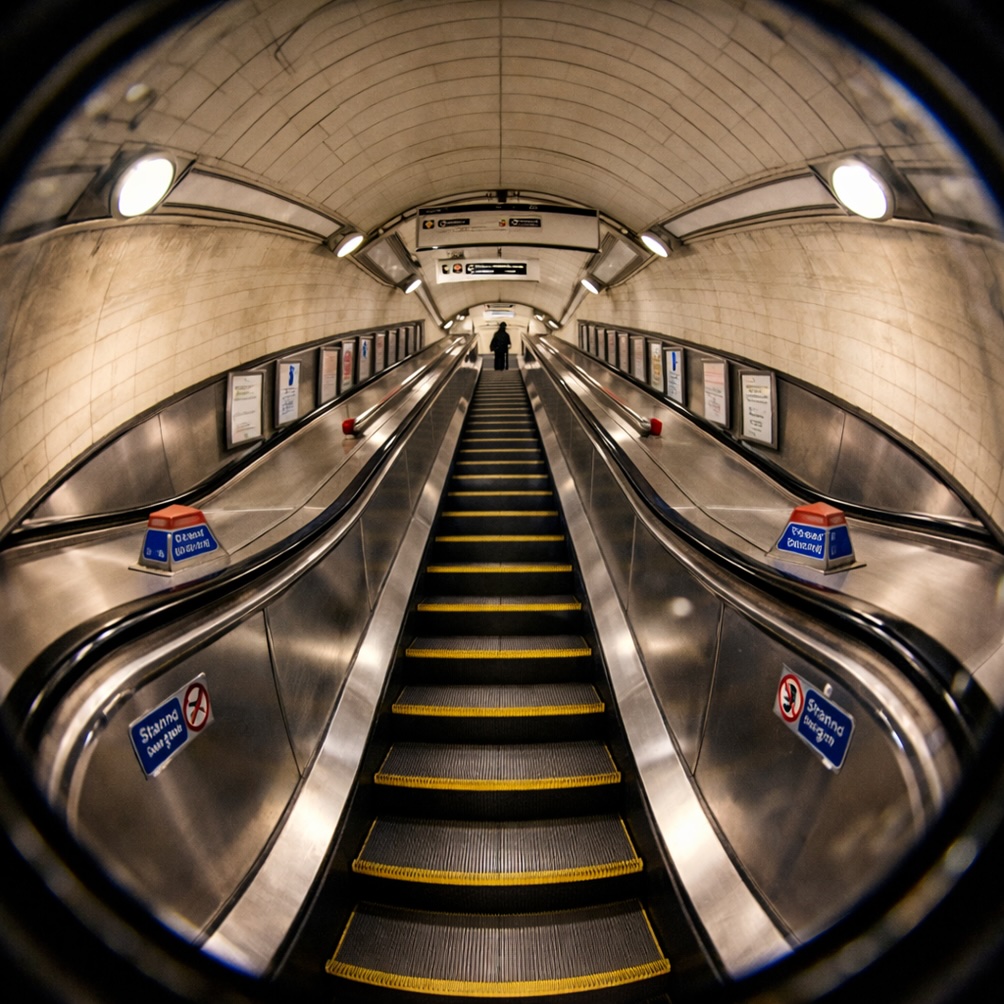
Designing for the Senses
Think for a moment about the last station or airport you travelled through. What did it sound like? Was there a constant hum of announcements? A screeching train? Rolling suitcases? People rushing past? Are you tuning anything out? What could you see? Consistent use of colour and organised signage, or disjointed and overwhelming visual cues?…
-

Situated Co-Design for Accessible Transport
Recently, I attended a conference, just two hours away. It required two trains, a fifteen-minute car journey and twenty minutes of walking, each way. The travel, alone, cost me three days of health. Often, disabled people are taxed for travel – payable in pain, fatigue and inflammation. Disabled people often travel through urban environments with…
-
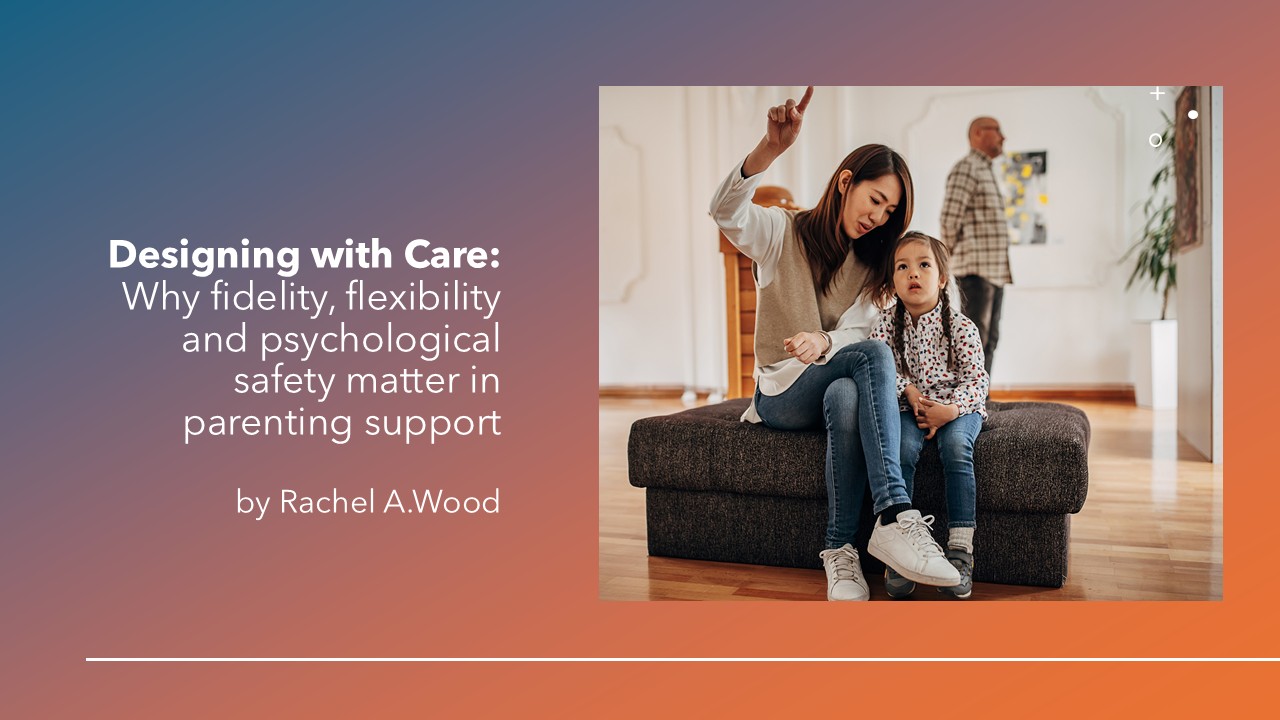
Designing with Care
Designing with Care: Why Fidelity, Flexibility and Psychological Safety Matter in Parenting Support By Rachel A.Wood. The inspiration for this blog came from reflecting on the second study in my research. It reflects on what it means to design parenting support with care, emphasising that services are shaped not only by their evidence base, but…
-

Keeping the Wunder in the Kammer
I have always enjoyed visiting museums. I’m not alone.1 They were, and still are, special ‘grounding’ places where I could return to favourite exhibits, like a much-loved storybook. At my childhood local museum, the exhibits were more domestic; a large dolls house that you could press a switch to light up and then climb little…
-
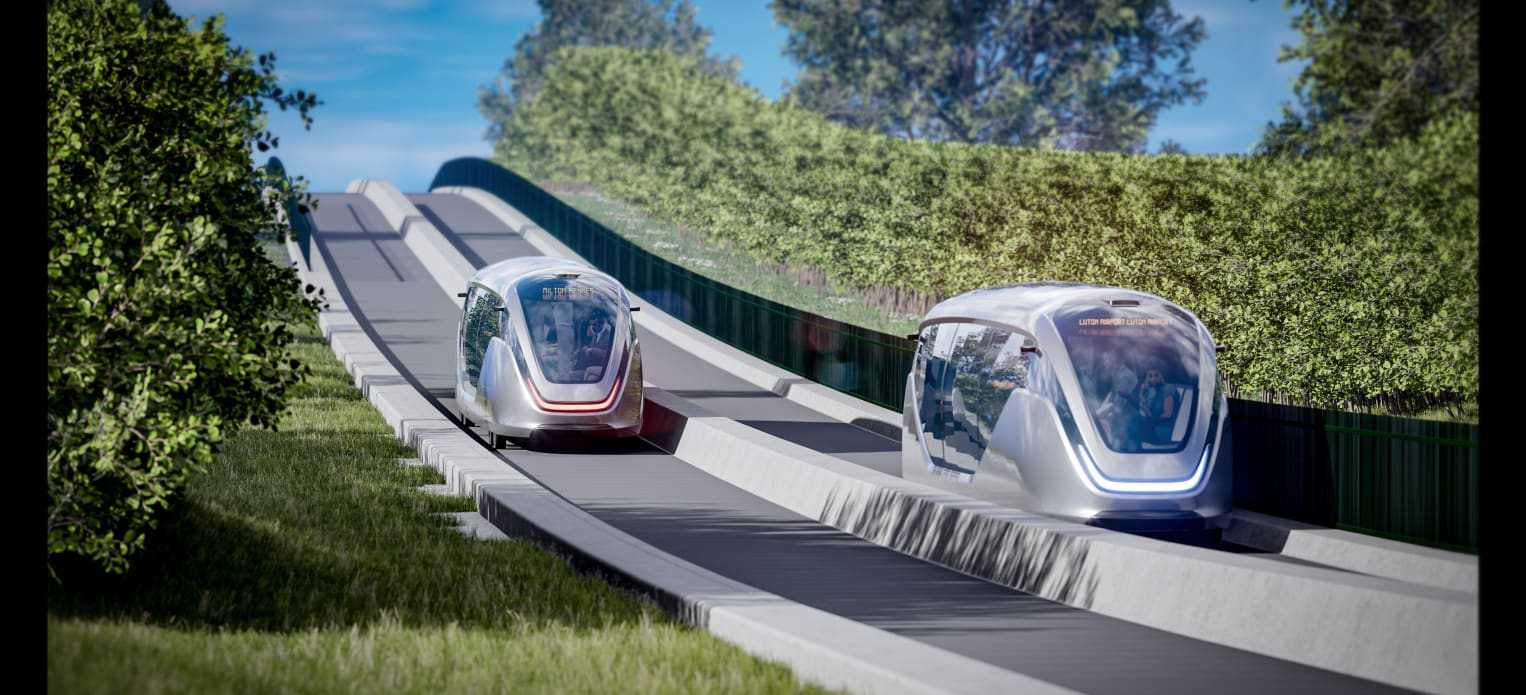
Redesigning cities and transport systems
Over the last few years, I have posted here a number of blogs around the design of innovative public transport systems. These have included reinventing the tram, self-driving buses, new types of public transport through to ticketing systems that don’t require a dozen apps and an IT diploma to use. One theme that has emerged…
-

Adventures in Copilot whispering
AnnMarie McKenna and Catherine Scott The AI Design Ed (AIDED) project began in 2024 with a survey of concurrent Open University design students, providing baseline data to support the main research aim of exploring the practical applications AI image generation tools within design education. Survey findings showed student attitudes and understanding of generative AI image…