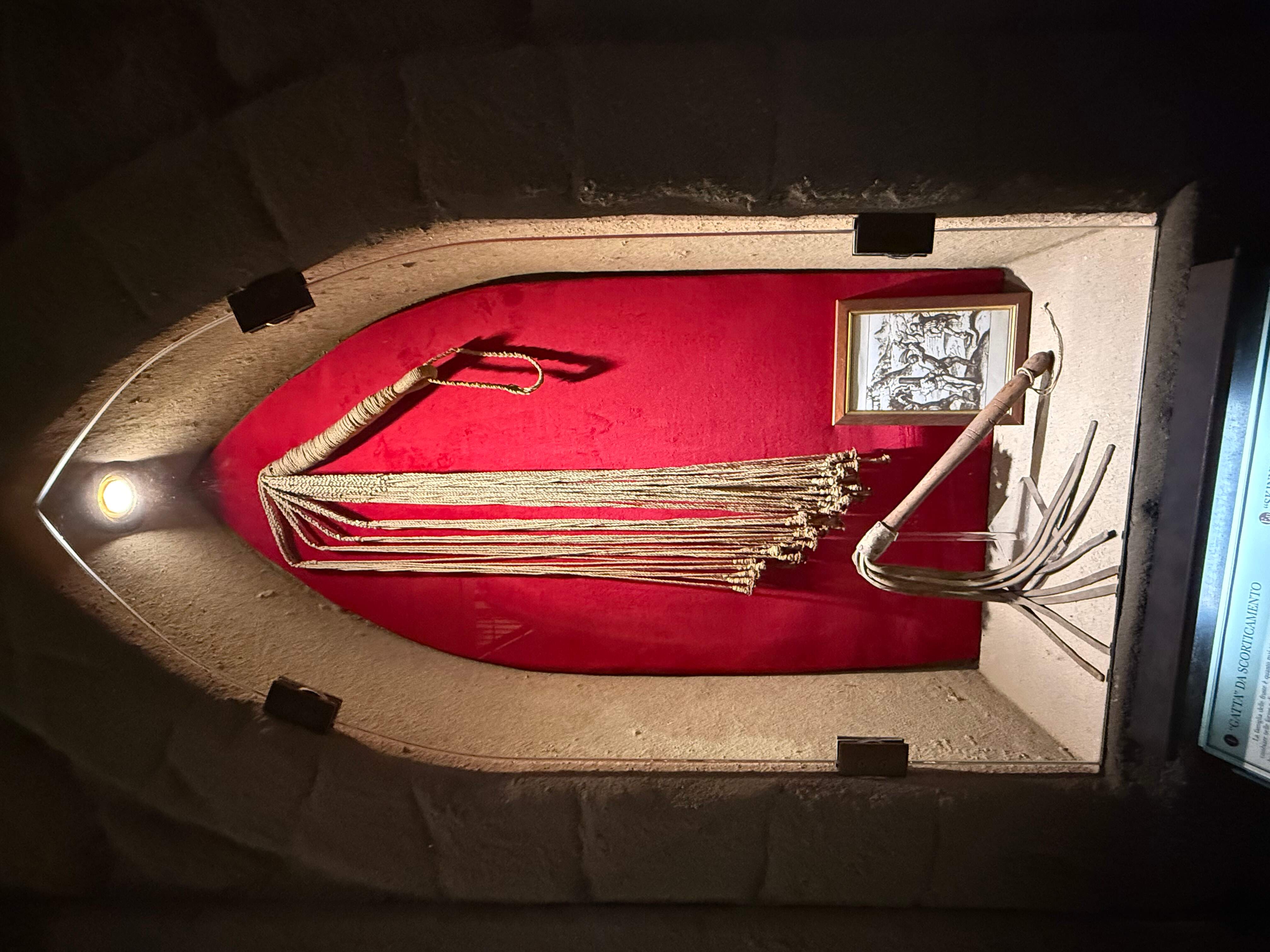
This summer, while on vacation visiting a friend, I stumbled upon a Museum of Torture in San Marino. It was a hot summer day, one of those that have become increasingly common as heatwaves across southern Europe turn into the new normal. So, driven less by an interest in torture and more by a desperate search for shade, we decided to take a look inside.
It took only a minute to realise that, of course, much of the history of torture in San Marino, much like in the rest of Europe, was linked to the history of witch hunts and the persecution of so-called ‘heretics.’ In other words, with the violence inflicted by Christian institutions upon those they deemed ‘other,’ ‘unruly,’ or simply people they did not like.
To justify the rather pricey tickets, we made an effort to read all the descriptions. They were so graphic and vile that, within minutes, we all became nauseous.
So, a content warning before I continue: this blog discusses graphic violence and torture. Please refrain from reading further if you find such descriptions triggering, although, given the subject matter, perhaps they should be disturbing to all of us.
I think the most horrifying aspect of the museum was the realisation that the objects on display were actually used on real human beings, and the violence they represented was not only practised but also justified in the name of the highest moral authority of the Church. As the museum made clear right from the beginning, this history was not only connected to religious authority but stemmed directly from it:
“The history of Christianity has been soaked in blood from its beginnings. If Christians were initially persecuted for their faith by the Roman Empire, tribunals were being established by the Roman Catholic Church as early as the 3rd century A.D. to suppress and eradicate heresy. What had been tolerated and accepted for centuries as divergences of thought to be punished with excommunication now attracted the death penalty. So began a real war of extermination. In the first half of the 13th century the Holy Inquisition was established, with Domenico di Caleruega in the role of the first Inquisitor General. There was only one aim: eradicate heresy by any means. The first Inquisition was established in the French city of Toulouse in 1233. Soon after, tribunals were founded in Aragona in Spain and spread very rapidly to Germany, Holland, Spain, Portugal and France”
Below, in Figure 1, you can see a chair covered in sharp spikes, one of the torture devices used during interrogations by the tribunals of the Inquisition. The victim would be stripped completely naked and bound to the chair, with the spikes designed to inflict pain, particularly on intimate parts of the body.
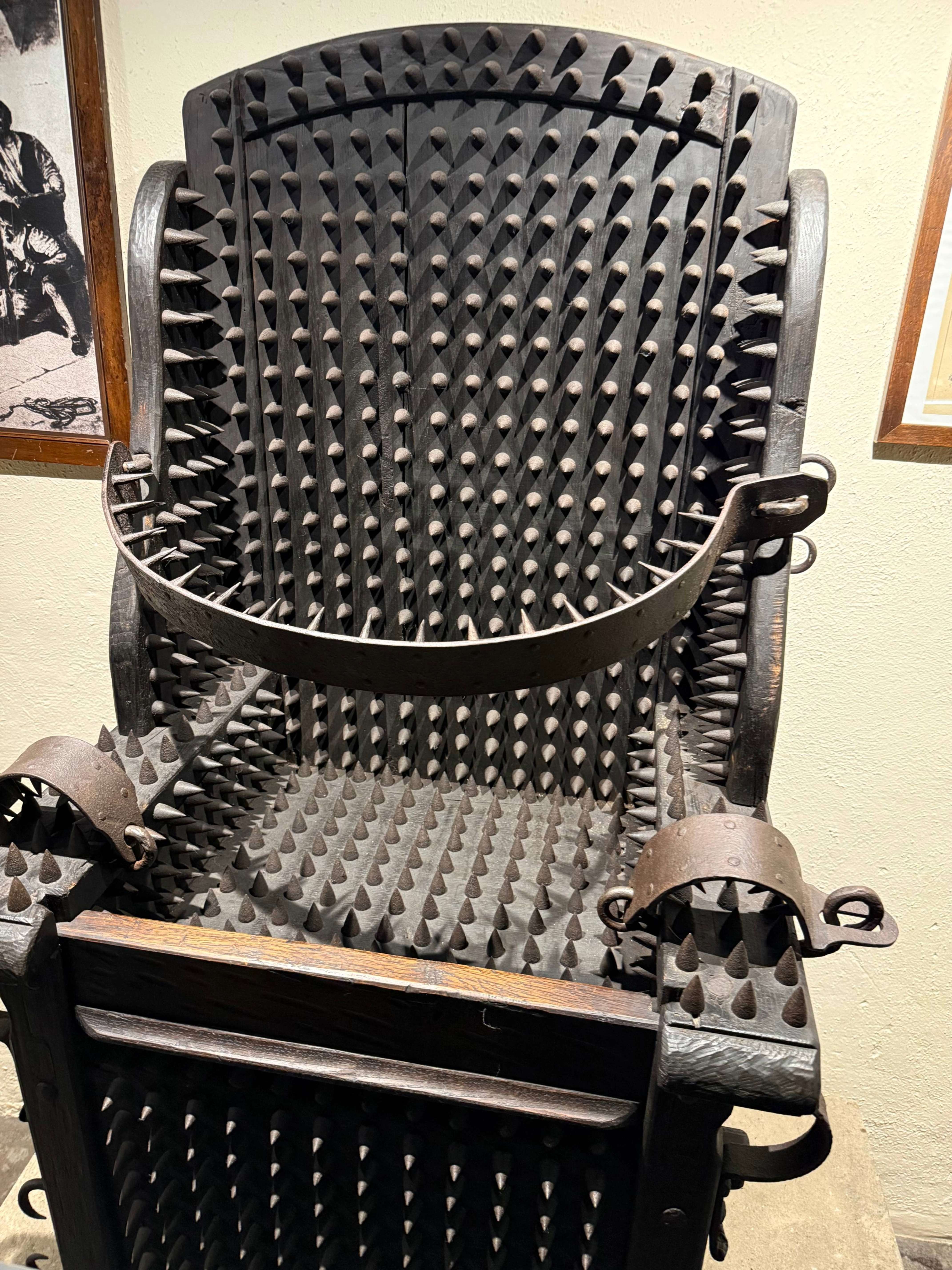
Figure 1. The Inquisitorial Chair. Museum of Torture, San Marino.
This form of torture was linked to what the Church considered sins of lust and supposed sexual transgressions, often associated with the Devil and his followers. These punishments were closely tied to Christian ideas of purity, sin, and control over people’s bodies and sexuality. Ironically, what was presented as protecting moral order was used to justify extreme cruelty.
Related to this were the infamous chastity belts (See Figure 2), supposedly used to control women’s sexuality and ensure their fidelity while their husbands were away. However, their extended use could turn them into tools of torture, causing wounds, infections, and even death from blood poisoning.
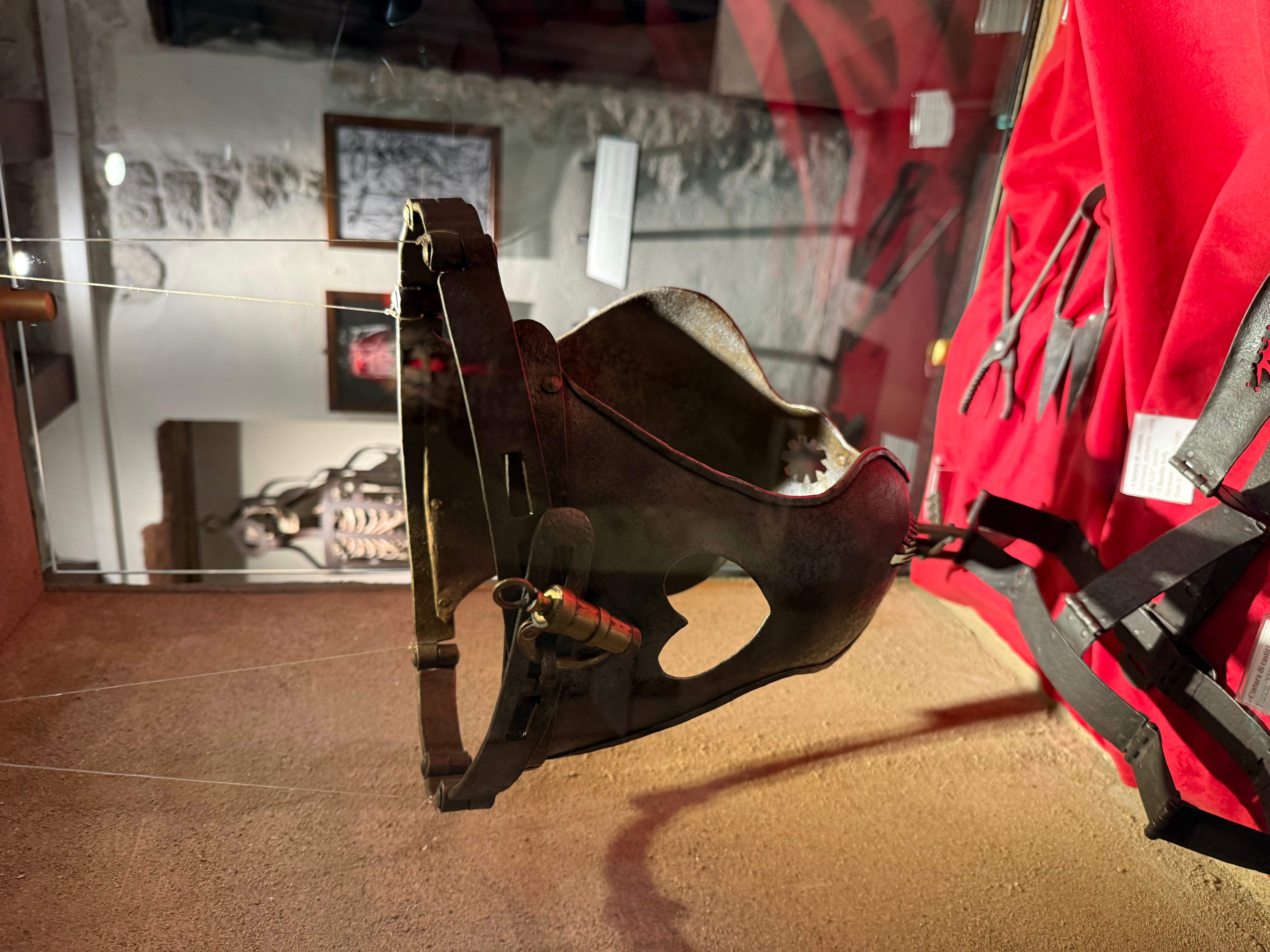
Figure 2. Chastity Belt. Museum of Torture, San Marino.
While these torture devices date back to the Inquisition, according to the museum, some were also used in modern times, including during World War II and periods of political unrest in Latin America. This is undoubtedly a dark chapter of Christian history, but one worth remembering. It reminds us the consequences of religious authoritarianism, particularly relevant today in light of the growing influence of Christian nationalist movements in various parts of the world. History reminds us how easily those with different ways of thinking and living can be othered, targeted, and dehumanised. Such tendencies need not lead to physical violence to be concerning, especially when fundamental rights such as freedom of religion and conscience are at stake. After all, what might be considered heresy next?