Author Archives: Simon Ball

Commonwealth Scholarship applications now open for the MAOT

Commonwealth Scholarships 2026

The Institute of Educational Technology, The Open University, UK

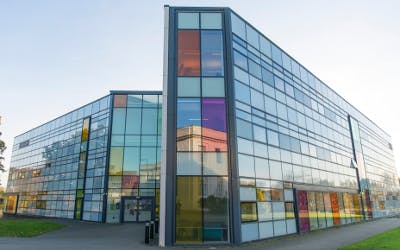
The Institute of Educational Technology building, The Open University, UK

Do you have a serious interest in online teaching, technology-enhanced learning and educational technology?

Commonwealth Distance Learning Scholarships available for The Open University’s Masters in Online Teaching

The Open University’s Institute of Educational Technology (IET) has been awarded 5 fully funded Commonwealth Distance Learning Scholarships for citizens of the following countries to study IET’s Masters in Online Teaching (MAOT):

Bangladesh, Belize, Botswana, Cameroon, Dominica, Eswatini, Fiji, Gabon, The Gambia, Ghana, Grenada, Guyana, India, Jamaica, Kenya, Kiribati, Lesotho, Malawi, Malaysia, Maldives, Mauritius, Montserrat, Mozambique, Namibia, Nauru, Nigeria, Pakistan, Papua New Guinea, Rwanda, Saint Helena, Saint Lucia, Saint Vincent and the Grenadines, Samoa, Sierra Leone, Solomon Islands, South Africa, Sri Lanka, Tanzania, Togo, Tonga, Tuvalu, Uganda, Vanuatu, Zambia

We are pleased to invite applications for these scholarships. The closing date for applications is 16.00 (GMT) on Tuesday 31 March 2026.

The Scholarships are funded by the UK Foreign, Commonwealth & Development Office (FCDO) and are intended to contribute to the development needs of Commonwealth countries by enabling talented and motivated individuals to access training and skills required for sustainable development by undertaking part-time Masters study with UK universities while remaining in their home countries.

Intended beneficiaries

High-quality candidates from eligible Commonwealth countries who wish to access training not available in their home countries, who wish or need to remain in their home country while they study, and who have the potential to enhance the development of their home countries with the knowledge and leadership skills they acquire.

About the Masters in Online Teaching

The Open University’s Masters in Online Teaching (MAOT) is studied entirely online. The MAOT develops skills in the theory-informed design of technology-enhanced, blended and online learning. The MAOT is designed to address educational inequity in all its forms and, as such, is relevant to achieving inclusive, high quality, equitable blended and online education.

The Commonwealth Distance Learning Scholarships are for three years’ part-time distance learning, commencing in February 2027. The scholarships will cover the full cost of tuition fees but no other expenses. You will need daily access to a computer and a good Internet connection to study the MAOT programme.

It is likely that Commonwealth Distance Learning Scholarship holders will study the following modules, in the order stated. However, there may be some variation in the exact content offered.

Stage 1 – February-October 2027:

·       Compulsory module H880 Technology-enhanced learning: foundations and futures.

Stage 2 – October 2027 – September 2028
60 credits from the following 15-credit microcredentials, currently presented twice annually:

•     Online teaching: Evaluating and improving courses.

•     Teacher development: Embedding mental health in the curriculum.

•     Online teaching: Accessibility and inclusive learning.

•     Online teaching: Embedding social, race and gender-related equity.

Stage 3 – October 2028 – May 2029:

Who can apply?
To be eligible for a Commonwealth Distance Learning Scholarship to study the Masters in Online and Distance Education you must:

  • Be a citizen of, or have been granted refugee status by one of the eligible developing Commonwealth countries listed above, or be a British protected person; and
  • Be permanently resident in one of the eligible developing Commonwealth countries listed above; and
  • Hold a first degree of at least upper second class (2:1) standard. A lower qualification and sufficient relevant experience may be considered in certain cases; and
  • Be unable to afford to study the programme without this scholarship.

You will also need access to a computer with reliable broadband internet access. You do not need to be working in technology-enhanced learning, but you should be interested in developing expertise in this area.

General conditions for the Scholarships are available here: https://cscuk.fcdo.gov.uk/scholarships/commonwealth-distance-learning-scholarships-candidates/.

How to apply

  • Visit the Masters in Online Teaching website to find out more about the programme. Do not attempt to register for any of the modules.
  • Read the Commonwealth Distance Learning Scholarships Information for Candidates and the Advice for applicants pages
  • If you have any questions, please contact [email protected] in the first instance, giving the subject ‘2026 Commonwealth Scholarships query’.
  • Complete the Commonwealth Distance Learning Scholarship application form by 16.00 (GMT) on 31 March 2026 and submit it online. You should complete all sections of the application form as fully as possible as the form will be the basis for selection of candidates. Pay particular attention to describing in detail how you intend to achieve in-country benefit as a result of your study of the Masters in Online Teaching.
  • You should not use Generative AI to complete your form as we are assessing candidates on demonstrable experience and realistic, context-specific plans for the future. All applications will be checked for Generative AI use.
  • Shortlisted candidates will be invited for an online interview.

About the Institute of Educational Technology

IET is a leader in the field of pedagogy, advancing distance learning globally with innovative technology.

Since it was established in 1970, IET has been central to The Open University’s mission to be the world leader in every aspect of delivering supported, open and distance learning.

Explore our Research and Innovating Pedagogy reports.

About The Open University

The OU is the largest academic institution in the UK and a world leader in flexible distance learning.

Since 1969, the OU has taught more than 2 million students worldwide. The OU has more than 170,000 current students, including over 15,000 from overseas.

Two more vibrant sessions for the MAOT Community of Practice

We’ve been fortunate to have two great sessions for the MAOT CoP in recent weeks.

On January 28th Koula Charitonos presented on ‘Participatory research with refugee and displaced communities: ‘moving up and down the ladder of co-creation’ and yesterday we had Rob Farrow and Fereshte Goshtasbpour speaking on ‘Charting the Passage: Navigating the Transition from Master’s Study to Doctoral Research‘ with a contribution from MAODE alumnus Sarah Alcock.

Koula Charitonos

Koula Charitonos

Koula spoke about her work in Uganda and Jordan, and navigating the ethical dimensions of co-creation in sensitive topic areas. She discussed the practical issues around training and workshops (language, timing, payment) and the value of allowing participants a real voice (in this case using the local radio station to help create audio narratives by some of the participants).


Rob Farrow

Rob Farrow

Fereshte Goshtasbpour

Fereshte Goshtasbpour

Rob and Fereshte highlighted the core elements of meeting the application and interview requirements for a doctoral position and how to write a good application, as well as looking at potential pathways for our own MAOT students towards doctoral study. Sarah provided a ‘student voice’ as someone who has recently trod that very pathway!

Sarah Alcock

Sarah Alcock

The recordings of both sessions are available via the MAOT Community of Practice website on Slack. To join (if you are a student or alumnus of any elements of the MAOT or MAODE) contact Simon Ball at the Open University.

Micro-credential registration closes soon!

Two of our most popular micro-credentials, namely HZVM884 Online teaching: accessibility and inclusive learning and HZVM885 Online teaching: embedding social, race and gender-related equity are about to begin another presentation in March. Both are 12-week courses offering 15 postgraduate credits, and can be used towards the Masters in Online Teaching.

A graphic depicting a series of open doors, one behind the other.

Open doors to education with HZVM884.

HZVM884 focusses on developing the skills to create accessible and inclusive online learning environments. With the guidance of online teaching and accessibility experts, students of this course gain knowledge in pedagogy, technology, procedures, and legal requirements to enhance course accessibility. The course highlights the benefits of a blended learning approach and explores how technology can support learners with disabilities or additional needs. The assessed task involves a practical task designed to be of direct use to students in their own professional contexts.

An image of a person studying HZVM885.

Develop skills in gender, race and social inclusion with HZVM885.

HZVM885 gives educators an understanding of the differences between equality, inclusion, and educational equity and of the ways equitable participation in online learning can be provided in different learner contexts. Experts in learning design who are experienced in addressing inequity in all its forms have produced the course, which includes vital learning on equity in the curriculum and making it more inclusive. It also focusses on the importance of breaking the cycle of exclusion, discrimination, and disadvantage through the design and delivery of online teaching.

On both courses you will be studying alongside students from around the globe – we already have students from Africa, Asia and Oceania registered on this presentation of the course. So join them and benefit from the experiences of professionals in a variety of contexts around the world.

Registering for either of these micro-credentials also enables you to benefit from the MAOT Community of Practice in perpetuity, which gives you access to a series of approximately fortnightly free webinars from experts in the sector.

The registration deadline for HZVM884 is March 1st 2026.  Register here: https://www.open.ac.uk/postgraduate/modules/hzvm884/ 

The registration deadline for HZVM885 is March 15th 2026. Register here: https://www.open.ac.uk/postgraduate/modules/hzvm885/


Keynote speakers announced for H890 ‘Research and Scholarship in Digital Education’ Conference 2026!

Much excitement! Three excellent keynote speakers have been announced for the 2026 edition of the H890 Research and Scholarship in Digital Education online conference due to take place in April. Alongside presentations from every one of our current students on the module, we are honoured to announce the following:

  • On Friday 10th April 2026 (starting at 09:00 BST) the conference will be opened by Sukaina Walji, Director Centre for Innovation in Learning and Teaching, University of Cape Town, South Africa (and one of our very own alumni).
Sukaina Walji

Sukaina Walji

  • On Saturday 11th April 2026 (starting at 13:00 BST) we will enjoy a keynote from Tim Coughlan, Professor of Learning Innovation and Accessibility, The Open University, UK.
Tim Coughlan

Tim Coughlan


  • And on Monday 13th April 2026 (starting at 18:00 BST) the final session of the conference will begin with a keynote from Allison LittlejohnProfessor of Learning Technology at University College London, UK.

    Allison Littlejohn

    Allison Littlejohn

The conference is free to attend and open to anyone, but you must please register in advance. You can do that on the conference web page here: https://www.open.ac.uk/blogs/H890Conference/index.php/2026-h890-research-scholarship-in-digital-education-online-student-conference/ 

The student presentation titles and abstracts will also appear on the same page once they have been finalised in March.


New short CPD courses launching soon!

The Open University’s Institute of Educational Technology (IET) is launching a new suite of short CPD courses, covering skills essential to designing and delivering equitable and innovative digital teaching:

  • Generative AI in Education.
  • Teaching with eXtended Reality.
  • Teaching climate action: empower students to tackle the climate crisis.
  • Blended learning innovations for teachers and trainers.

The courses go live for registration on 7 January 2026. They’re 20 study hours long, entirely online and you can start at any time. A digital badge is awarded for successful study of each course. The courses are designed to develop knowledge and skills that you can immediately apply to your practice and draw on the pioneering research of IET’s ed-tech experts. They cover all education sectors and subject areas, and cost £150 each.

The courses are now LIVE!

Teaching with eXtended reality (XR) | Open University | HG087

Teaching for climate action | Open University | HG089

Blended learning innovations for teachers and trainers | Open University | HG090

Generative AI in education | Open University | HG091

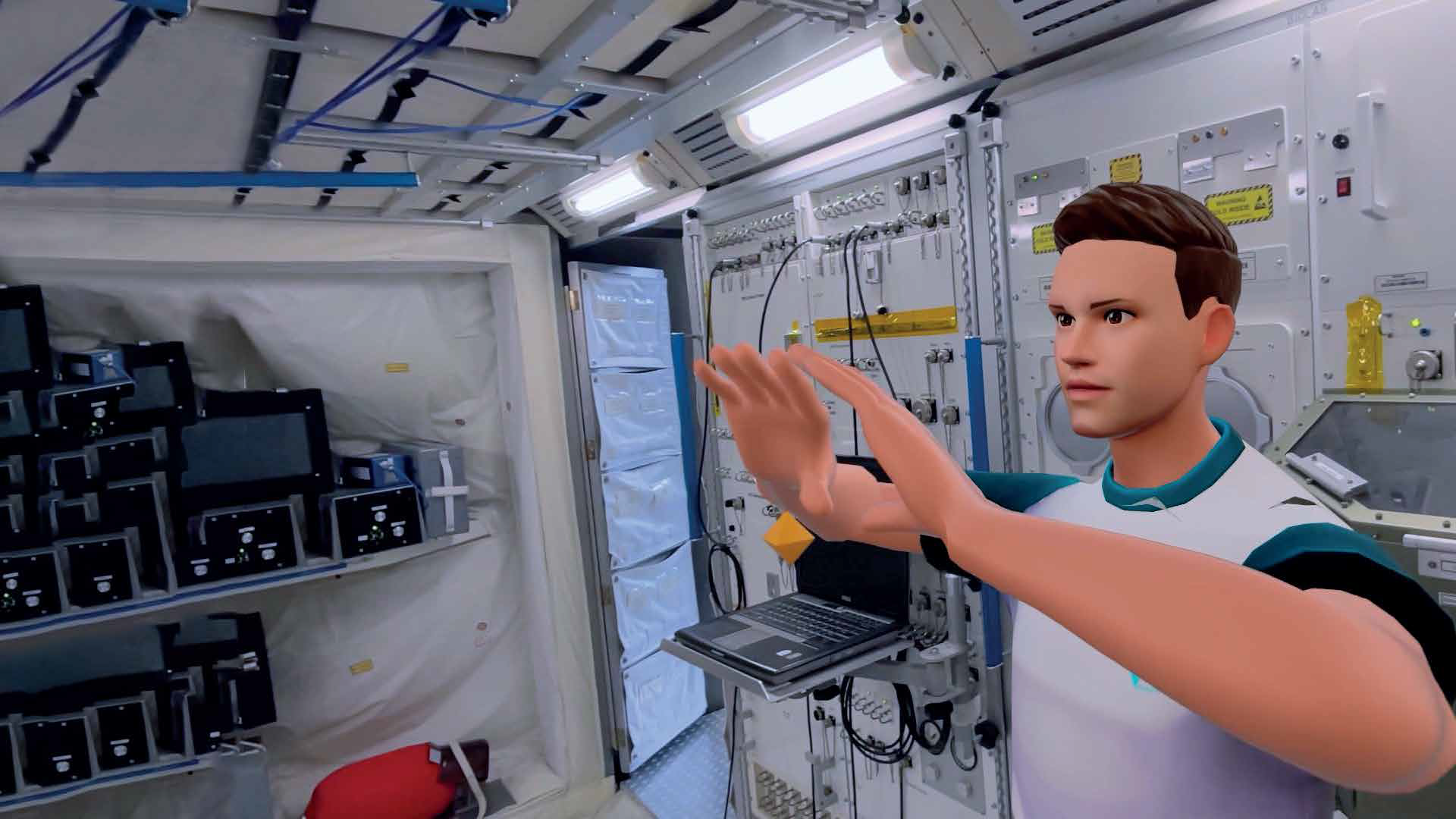
A screenshot from an Extended Reality feature, showing an animated character (controlled by a real life user) in a laboratory of some kind, with cabling, switches and electronic equipment in the background.

An eXtended Reality experience for astronaut training, demonstrated in HG087.

HG087: Teaching with eXtended Reality

Enhance your teaching with XR (eXtended Reality) by creating immersive, interactive learning that increases engagement, improves study outcomes, and prepares students for the future. Learn about Extended Reality tools, Virtual Reality and Augmented Reality methods, 3D modelling, Artificial Intelligence, and inclusive teaching strategies. Teaching with eXtended reality (XR) | Open University | HG087

Hundreds of canoes and kayaks surrounded a small inflatable dingy on greenish water.

A climate-related protest featuring hundreds of canoes gathered on a green water body.

HG089: Teaching climate action: empower students to tackle the climate crisis

Gain skills to integrate climate crisis-related teaching in your practice and empower students for action. Learn cross-disciplinary strategies for addressing climate change in your teaching and develop an action plan for your practice. Teaching for climate action | Open University | HG089

Two contrasting buildings side by side, one built in yellow stone and the other covered entirely in glass.

An image from course HG090 showing two contrasting buildings side by side, one built in yellow stone and the other covered entirely in glass. The HG090 ‘Blended Learning innovations for teachers and trainers’ course will show you ways of blending your existing teaching practice with innovative distance learning approaches to provide effective methods of educational delivery for the future.

HG090: Blended learning innovations for teachers and trainers

Build confidence to plan, deliver, and evaluate blended learning, using innovative tools and techniques and step-by-step strategies to enhance your teaching or training practice. Blended learning innovations for teachers and trainers | Open University | HG090

A view looking down inside a 'well' created from layering books and other paper documents round and round in a circle leaving a space in the middle.

An image from course HG091 showing a ‘well’ created by paper documents and books.

HG091: Generative AI in Education

Learn how to use Generative Al to enhance teaching, support learners, and make informed decisions while avoiding common pitfalls. Learn Generative AI basics, explore key themes, and discover practical ways to apply Generative AI ethically and equitably in all education sectors. Generative AI in education | Open University | HG091


MAODE student publishes fascinating memoir

MAODE graduate Carol Waites has published her memoir covering several decades working at the United Nations in Geneva as an English and writing skills teacher.

Photo of Carol Waites

Carol Waites, MAODE alumnus

Carol’s book, now available in digital and paperback editions, covers three decades of a career at the Palais des Nations, and includes fascinating recollections and anecdotes going back to her very first attempts to get a foot in the door at the UN right through to dealing with the Covid-19 pandemic. Carol held a variety of positions over the years but these were always dedicated to helping her students improve their English and writing skills and pass associated qualifications, some of which were necessary for them to retain their positions within the organisation. She provides fascinating insights into the everyday lives of those working at the United Nations complex in Geneva and the synergies and tensions between this location and the New York counterpart (as well as smaller outposts around the world).

One of the open resources that Carol has become widely known for is her supply of weekly writing tips which she shares freely on her LinkedIn profile and via her free-to-access mailing list at https://carolswritingtips.com/ These tips help to ensure that her intimate knowledge of English writing practice remains shared with the community and isn’t only secreted away inside her brain now that she is enjoying a well-deserved retirement from the UN and has moved into consultancy on professional writing and exam preparation. Recent tips include such common and yet vital topics such as “Using commas in this changing world” and “Using the active voice in your correspondence”.

The Masters in Online Teaching staff say “Bravo Carol!” on the publication of your memoir “Behind The Flags” – we wish you every success with it!


Responsible use of GenAI in Education – webinar report

On Wednesday (29th October 2025) members of our Masters in Online Teaching Community of Practice were invited by our colleagues at the Open University of Sri Lanka to join them for the final event in their ten-webinar series on the use of GenAI in education.

The speaker was Professor Helen Crompton, Executive Director of the Research Institute for Digital Innovation in Learning at ODUGlobal, Professor of Instructional Technology, and Director of the Virtual Reality Lab at Old Dominion University, Norfolk, Virginia, USA.

Photo of Professor Helen Crompton

Professor Helen Crompton, Old Dominion University, USA

Professor Crompton gave a fascinating insight into the pace of development of GenAI, and compared its significance in causing a complete shift in educational practices commensurate with the development of the printing press, and the world wide web. She spoke about the various major players at the current moment – ChatGPT, Claude, Gemini and DeepSeek, for example, with more appearing all the time – and how their availability needs to revolutionise how we approach education, and in particular assessment within education. The notion of rote learning and assessing by memory is becoming a thing of the past (‘Hurrah’ some might say!). We need to think about how assessment can work with these tools, rather than trying to ban or avoid them. We can ask students to critique the outputs of GenAI in response to particular prompts, demonstrating their understanding of the topic, or to write a piece in parallel to GenAI and comparing the two responses. We need our learners to understand how to use GenAI, and to be conversant with the fallibility of these tools. Rather than copying and pasting the AI output and submitting it, we need learners to engage with the output, critique it, find the flaws, and in the process realise that these tools are not perfect and cannot be relied upon without checks.

A recording of the webinar will soon appear on the YouTube channel for the GenAI webinar series run by the Open University of Sri Lanka’s Open Education unit. All ten of the webinars have a home here: https://www.youtube.com/playlist?list=PLd4ezLHf_qqcK-c-SfOuzlO_6M_AePgRG 


MAOT students help to make H890 conference a resounding success!

H890 Research and Scholarship in Digital Education Conference 2025 – a summary

Dr Simon Ball, H890 Conference Organiser and Associate Lecturer, IET

A cartoon divided into four squares, each featuring a penguin, as if they were all in an online video conference. One wears large headphones, one is looking directly at the camera, and two are passing a cake between each other, subverting the fact that they are all in separate locations. This image is used as the main image on the H890 conference homepage.

Background

The second H890 Research and Scholarship in Digital Education Online Conference took place on April 11th and 12th 2025, as part of the Open University module ‘H890: Research And Scholarship In Digital Education’. This module is a postgraduate, 60-credit module that forms part of the Masters in Online Teaching. Each year the module students work on a scholarship project or design a larger research project, on a Digital Education theme of their own choice and relevant to their own professional context. They then present progress and findings at the online conference, which is open to the general public and to which all students of IET’s modules and micro-credentials are invited, along with OU staff.

Keynote Presentations

We were delighted that Professor Neil Selwyn of Monash University in Australia (currently seconded to Lund University in Sweden and actually speaking to us from Norway) agreed to deliver our opening keynote address. He reflected on ‘Ten things I’ve learnt about researching digital education’ (we received several bonus ‘things’ as there were about 14 in all!). There was so much food for thought I can’t cover here all of the points he made, but Neil guided our students to ensure they focus on the ‘state of the actual’ rather than future-gazing on ‘state of the art’; to evaluate technology objectively and not fall into the trap of trying to prove it’s a good thing; and to reflect on the people outside of the activity under focus rather than focussing only on those who have stepped forward to become involved.
 

Neil Selwyn portrait

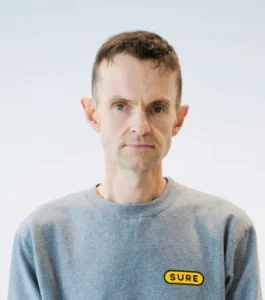
Professor Neil Selwyn

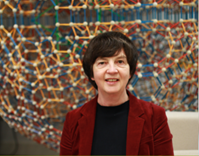
Shailey Minocha portrait

Professor Shailey Minocha

Professor Shailey Minocha, Emeritus Professor of The Open University, UK, kindly delivered our Day 2 keynote and once more we found ourselves filled up with insights and guidance on ‘Planning and conducting impactful scholarship’. Shailey elaborated on the importance of effective stakeholder analysis in digital education research, working out who will participate, who will advise, who are the communicators, who are the obstructors – fitting in nicely with Neil’s point about reflecting on those ‘outside’ the immediate focus as well as those within. Shailey also advised us to plan for impact from the outset. The possible impact of a digital education research project should be intrinsic to its design. She suggested the Theory Of Change framework as a possible route to fully consider all stakeholders and possible impacts. Shailey’s final point was about Evaluative Thinking, which requires empathetic curiosity, perspective-taking, belief in the value of evidence, creativity in the choice of research methods, being critically reflective and reflective, and making research-informed decisions.

Student presentations

Following Professor Selwyn and Professor Minocha’s thought-provoking and stimulating keynote presentations, it was the turn of our students to make their presentations. Nerves were high, but every one of them did themselves proud with excellent presentations of some very interesting research and scholarship projects.

Kirsty Masterton: Phonetically decodable e-books – impact on early reading practices and progress.

Kirsty took the first student slot with a confident and fascinating study on the use of e-books to support phonetic decoding in children. Taking a quasi-experimental approach, Kirsty collected data on the mean assessment scores of youngsters using e-books and those using print books to develop their reading skills via phonics. She then conducted parent surveys to find out more about the contexts the children were learning in. Towards the end of her presentation she polled the audience, asking whether they thought the use of e-books in place of print books would lead to higher, lower, or unchanged decoding (reading) scores among the children. The results were pretty even across the three possible options, before Kirsty revealed that her hypothesis was that the use of e-books would lead to less parental input and therefore lower scores. Only further research will reveal the true situation!

Phillip Newton: The Human Argument: Finding a space for teachers voices in the design of learning platforms

Phillip described research on the way learning analytics are utilised and the voice of educators in that process. His research focuses on three questions: Which type of learning analytics are most important to teachers?​ How do teachers act upon learning analytic data? How can the design of courseware and learning analytics dashboards support teachers’ classroom approaches? Gathering data from educators in a variety of means including digital diaries, Phillip plans to utilise Theory of Change to produce meaningful and impactful findings.

Demelza Hayer: Breaking in: Early findings from an Open University Associate Lecturer’s action research scholarship project critiquing own breakout room practices

After the break we heard from Demelza, who is conducting scholarship on the use of breakout rooms in synchronous online sessions in nursing degree courses. Using an Action Research approach, Demelza is investigating how breakout rooms are currently used in these courses and how their use can be made more effective. She is currently delving through hours of tutorial recordings to try to codify common practices and themes.

Billy Smith: How can A.I. patients effectively develop pharmacy students’ consultation skills?

Billy continued the student presentations with his research on consultation skills training for pharmacy students. Traditionally exercises and assessments are undertaken with human actors playing the role of patients. In non-assessed activities these are often other students or faculty, taking up valuable time and giving the ‘patients’ a degree of subject expertise that makes the situation unrealistic. Assessed skills exercises often employ professional actors, which is expensive, inflexible (students must attend on the day the actor is hired) and can lead to inconsistent experiences as actors try to relieve their boredom at repeating the same scenario over and over by making small changes to their responses. New 3D models with AI technology can potentially replace the flawed models of human ‘patients’ with responsive digital patients. Billy’s research is looking into the educator perceptions of this technology, and how effective the AI ‘patients’ are at developing the pharmacy students’ skills in comparison with the traditional techniques.

Amy Johnstone: Virtually There: Student experiences of remote and blended museum studies work placements

Amy wrapped up day one of the conference with her work on placements in the museum sector and the role of blended or remote elements to these. Prior to the pandemic, placements were almost always done in person at a museum or remated venue. Almost all such activity was shifted online during periods of lockdown, and since then a hybrid model has developed, with potentially different outcomes for students experiencing additional equity barriers (race, language, cultural, disability, socioeconomic etc). Amy is looking into the barriers and opportunities for professional development for equity-deserving students undertaking remote and hybrid work placements as part of postgraduate professional education in Museum Studies. Amy is using digital storytelling methods to expose the experiences of students before she conducts a thematic analysis on her findings.

Bina Radia-Bond: Diminishing Distance: Fostering belonging by mature HE students as Communities of Inquiry

Following Professor Minocha’s keynote that opened day two of the conference, Bina spoke to us about communities of inquiry, and what they can tell us about mature students’ sense of belonging. Looking at the use of discussion forums, Bina is researching how the students form a sense of community – the second phase of her research will involve interviewing students directly about their experiences. She hopes that her study will reveal findings related to the importance of tutor presence in discussion forums, expressions of emotionality, construction and reconstruction of knowledge via peer discussion, and the benefits and limitations of the text-based medium.

Tracey Aytoun: Striving for Success: Exploring Participation, Feedback and achievement within Sunderland Online Undergraduate Nursing Students

Tracey delivered her presentation from the nursing training discipline, and with particular focus on the value of online discussion for students, a large proportion of whom are not native English speakers. Undertaking a nursing degree to render their existing qualifications usable in the UK, Tracey aims to identify factors that encourage or discourage student participation in the discussion forums, why students read or refrain from reading feedback, whether or not students submit formative and summative assignments and if there is a correlation between participation in these activities and student’s final grade. Using a mixed-method explanatory sequential approach, Tracey will gather student tracking data from their learning management system, before issuing student questionnaires and finally interviewing educators.

Maria Calonico: Cyborgs and Centaurs, and how they inspired my research on the impact of Generative AI on educators’ professional identities in Higher Education.

Maria’s work on Generative AI started from Case’s definition of a cyborg: An organism to which exogenous components have been added for the purpose of adapting to new environments – Maria asked herself, with the advent of Generative AI, are we all now potentially cyborg educators? Or are we, as Fassbender suggests, in fact centaurs – a human-AI partnership? To try to ascertain how academic staff are approaching this issue, Maria’s research question is: How are professional identities of academic staff at a Russell Group university ‘formed and re-formed’ over time when confronted with the widespread use of Generative Artificial Intelligence (GenAI) tools?​ Using focus groups and interviews, Maria will focus on changes over time using a narrative approach.

Marion Stanton: Repurposing technology designed to support who are non-speaking and physically impaired with communication: Can doing so enable these students to access the curriculum and lead to better learning outcomes than the currently available technological solutions made available to them?

Marion wrapped up the conference for us with her work on augmented and assisted communication (AAC) for students who are non-speaking, featuring contributions from some non-speaking students using this technology. Marion has identified an issue where many students with AAC needs are offered inappropriate technological solutions, leading to disengagement with education and resulting in a failure to achieve their potential. Using Theory of Change and Universal Design for Learning principles, Marion is aiming to find solutions that maximise the potential for these learners.

Conclusion

It is clear from the range of topics and sheer quality of all of the student presentations that H890 is meaningful to very capable students from a wide range of disciplines and sectors within the education profession. The conference contained such a fascinating mix of themes under the umbrella of ‘research and scholarship in digital education’, with the students’ work ably steered by tutor Rhona Sharpe.

We were delighted that our keynote speaker Professor Minocha attended much of the event across the two days and that her keynote generated so many questions from a fascinated audience. Professor Selwyn gave us so much food for thought with his enlivening and thought-provoking keynote that more questions flooded in than we had time to answer. We are hugely grateful to both of these highly regarded scholars for giving us their time and contributions.

Next, the students will focus on their H890 EMA before taking flight to further their research and scholarship or to implement what they have learned in their work contexts. My role as Conference Organiser will be filed away on a shelf, ready to emerge for the next presentation of H890 which begins in October. Should you wish to attend next year’s event, please keep an eye on the conference website at https://www.open.ac.uk/blogs/H890Conference/ – registration (free, of course) usually opens in January – we very much hope to see you there! In the meantime please use the comments facility on each student’s abstract page within the conference website if you wish to communicate directly with any of our student presenters from this year’s event.
Commonwealth Scholarship applications now invited for The Open University’s Masters in Online Teaching


Commonwealth Scholarships logo

Do you have a serious interest in online teaching, technology-enhanced learning and educational technology?

Would you like to gain a Master’s degree with one of the UK’s leading providers of digital education, for study commencing in February 2026? Are you a citizen of one of the following developing Commonwealth countries, a refugee from one of the following countries, or a British Protected Person?

Bangladesh, Belize, Botswana, Cameroon, Dominica, Eswatini, Fiji, Gabon, The Gambia, Ghana, Grenada, Guyana, India, Jamaica, Kenya, Kiribati, Lesotho, Malawi, Malaysia, Maldives, Mauritius, Montserrat, Mozambique, Namibia, Nauru, Nigeria, Pakistan, Papua New Guinea, Rwanda, Saint Helena, Saint Lucia, Saint Vincent and the Grenadines, Samoa, Sierra Leone, Solomon Islands, South Africa, Sri Lanka, Tanzania, Togo, Tonga, Tuvalu, Uganda, Vanuatu, Zambia

Are you permanently resident in one of the above countries?

The Open University’s Institute of Educational Technology (IET) has been awarded 10 fully funded Commonwealth Distance Learning Scholarships for citizens of the countries listed above who wish to study IET’s Masters in Online Teaching (MAOT). We are pleased to invite applications for these scholarships.

The closing date for applications is 16.00 (GMT) on Tuesday 20 May 2025.

These Scholarships are funded by the UK Foreign, Commonwealth & Development Office (FCDO) and are intended to contribute to the development needs of Commonwealth countries by enabling talented and motivated individuals to access training and skills required for sustainable development by undertaking part-time Masters study with UK universities while remaining in their home countries.

Intended beneficiaries

High-quality candidates from eligible Commonwealth countries who wish to access training not available in their home countries, who wish or need to remain in their home country while they study, and who have the potential to enhance the development of their home countries with the knowledge and leadership skills they acquire.

About the Masters in Online Teaching

The Open University’s Masters in Online Teaching (MAOT) is studied entirely online. The MAOT develops skills in the theory-informed design of technology-enhanced, blended and online learning. The MAOT is designed to address educational inequity in all its forms and, as such, is relevant to achieving inclusive, high quality, equitable blended and online education. The Commonwealth Distance Learning Scholarships are for three years’ part-time distance learning, commencing in February 2026. The scholarships will cover the full cost of tuition fees but no other expenses.

It is likely that Commonwealth Distance Learning Scholarship holders will study the following modules, in the order stated. However, there may be some variation in the exact content offered.

Stage 1 – February-October 2026:

Stage 2 – October 2026 – September 2027
60 credits from the following 15-credit microcredentials, currently presented twice annually:

  • Online teaching: Evaluating and improving courses.
  • Teacher development: Embedding mental health in the curriculum.
  • Online teaching: Accessibility and inclusive learning.
  • Online teaching: Embedding social, race and gender-related equity.
  • Online teaching: Addressing the climate emergency (first presentation date to be confirmed).

Stage 3 – October 2027 – May 2028:

Who can apply?
To be eligible for a Commonwealth Distance Learning Scholarship to study the Masters in Online and Distance Education you must:

  • Be a citizen of, or have been granted refugee status by one of the eligible developing Commonwealth countries listed above, or be a British protected person; and
  • Be permanently resident in one of the eligible developing Commonwealth countries listed above; and
  • Hold a first degree of at least upper second class (2:1) standard. A lower qualification and sufficient relevant experience may be considered in certain cases; and
  • Be unable to afford to study the programme without this scholarship.

You will also need access to a computer with reliable broadband internet access. You do not need to be working in technology-enhanced learning but you should be interested in developing expertise in this area.

General conditions for the Scholarships are available here: https://cscuk.fcdo.gov.uk/scholarships/commonwealth-distance-learning-scholarships-candidates/.

How to apply


From the MAODE to a PhD: Moses Mwebaze in focus

We are delighted to learn that one of our MAODE graduates has been successful in applying for a PhD scholarship.

Photo of Moses Mwebaze

Moses Mwebaze, MAODE alumnus and now PhD scholar.

Moses Mwebaze studied with us from 2019 to 2021. His MAODE studies were facilitated by achieving one of the highly sought-after Commonwealth Scholarship places funded by the UK government (which we have been fortunate to also receive for the first two years of the new Masters in Online Teaching). Studying online from his home region in Uganda brought issues of connectivity, time zones, and fitting study around an already demanding role as an eLearning Specialist.

Since graduating, Moses has been an active member of our MAOT Community of Practice, continuing to support our present students and in particular the current group of Commonwealth Scholars. His inputs to our live events have always been valued, and he brings interesting and fresh perspectives to our discussions.

Now his talents have taken him on to the next step in his academic journey. Moses has successfully achieved a place at the University of Eldoret in Kenya to study for a PhD. His area of research focus will be instructional design and development. He has recently worked with a group of rural university campuses of Uganda’s Busitema University to promote online learning through the eLearning Initiative-Uganda project facilitated by the Mastercard Foundation. Moses’ roles include building capacity in digital pedagogy, instructional design, and content development, finding solutions to unstable internet connectivity, and supporting the Learning Management System (LMS) operations.

We are so proud of everything Moses has achieved and wish him every success with his PhD. We are looking forward to directing our future MAOT students to his thesis and research papers!