
Over the last few years, I have posted here a number of blogs around the design of innovative public transport systems. These have included reinventing the tram, self-driving buses, new types of public transport through to ticketing systems that don’t require a dozen apps and an IT diploma to use.
One theme that has emerged is the difficulty of innovating within an service sector that has operated in broadly the same way for the best part of a century, around which are built professional skills and where institutional and regulatory structures are also part of that established regime. How do you make the transition to a better design that is disruptive to that long-established norm?
This month, an interesting report ‘Towns and Trams; learning from the French’ was published by a consortium of the organisations Create Streets, Freewheeling and the Campaign for Better Transport, supported by the RAC Foundation. As part of the research for this report, a team of five senior British policymakers with direct responsibility for housing, new towns, transport and planning visited three French locations where tramways have been used to unlock development.
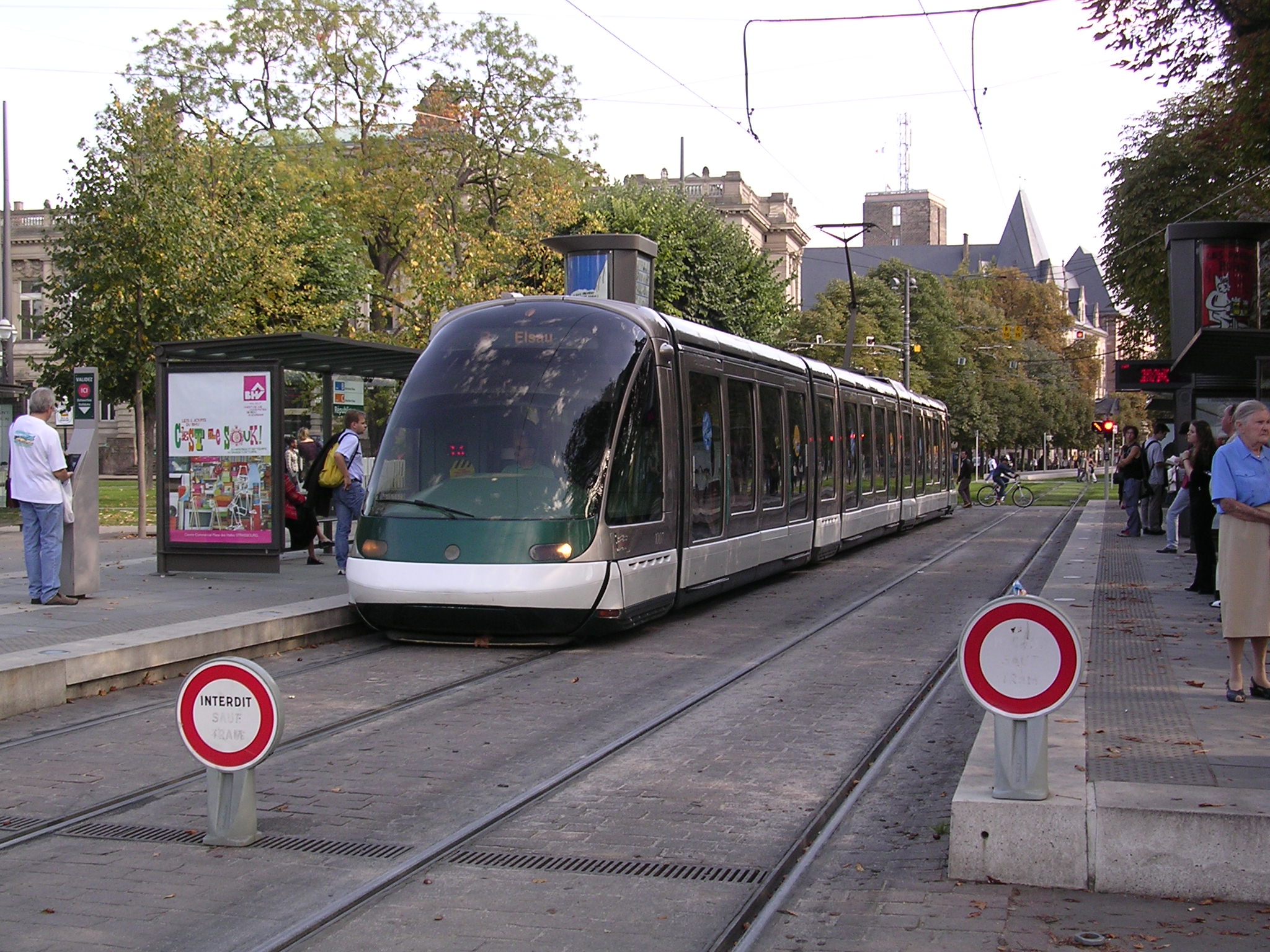
In Britain, new tram systems have been built, but the cost is much higher per kilometre than in France, meaning that they are only economically viable in large cities and can take a decade or more to be built. Only eight big cities among the UK’s 53 towns and cities with a population of 150,000+ have a tram system. In France, since 2000, a new tramway has opened in France every six months, enabling thousands of accessible new homes to be built. Today, all but two French towns and cities with a population of more than 150,000 have a tram service.
This situation is not just a transport issue – it’s about our housing crisis, and one key lesson is that many of the French tram systems were explicitly designed to facilitate the sort of housing growth eluding us in the UK. The problem is not that of physically designing an integrative transport/urban system; it’s all about the institutional structures that the French have put in place and we have not. Our long-established institutional and fragmented norm hinders the transition to a better transport/urban system.
The British policymakers identified the structural ingredients that appear to underpin French success:
- Dedicated transport funding
- The decoupling of transport investment from specific housing schemes
- Strong local powers over land, roads and design
- Standardised and lower-cost tram delivery
- The deliberate design of road space to favour non-car travel and avoid on-street parking provision.
The conclusion was that the UK needs the devolution of powers and funding, together with sustained political leadership, for medium-sized urban settlements to be able to develop urban systems built around new tram systems rather than car-oriented sprawl.
Interestingly, this report made no reference at all to the sort of innovations in urban transit design concepts that I have reviewed in my recent blog posts. These include the so-called ‘Trackless Tram’, utilising modern electronic guidance systems that replace metal rails, coupled with the rapid recharging of battery packs, thus eliminating the need for overhead power lines. Autonomous operations also make the provision of a more frequent 24/7 service viable. The French have built up a new urban development regime around the conventional electric tram design. For Britain, the strategic institutional and financing factors identified in this report are vital, but might new urban transit designs also be key? Conventional trams may be a design regime that is being supplanted by something more appropriate to mid 21st century mobility needs.
Some elements of those structural ingredients are coming into place, though in a rather fragmented way. New regional authorities with stronger transport and development powers are beginning to emerge. There are also new town proposals which would involve strategic planning and land assembly powers. All these provide opportunities to design transit-oriented urban designs appropriate to British culture.
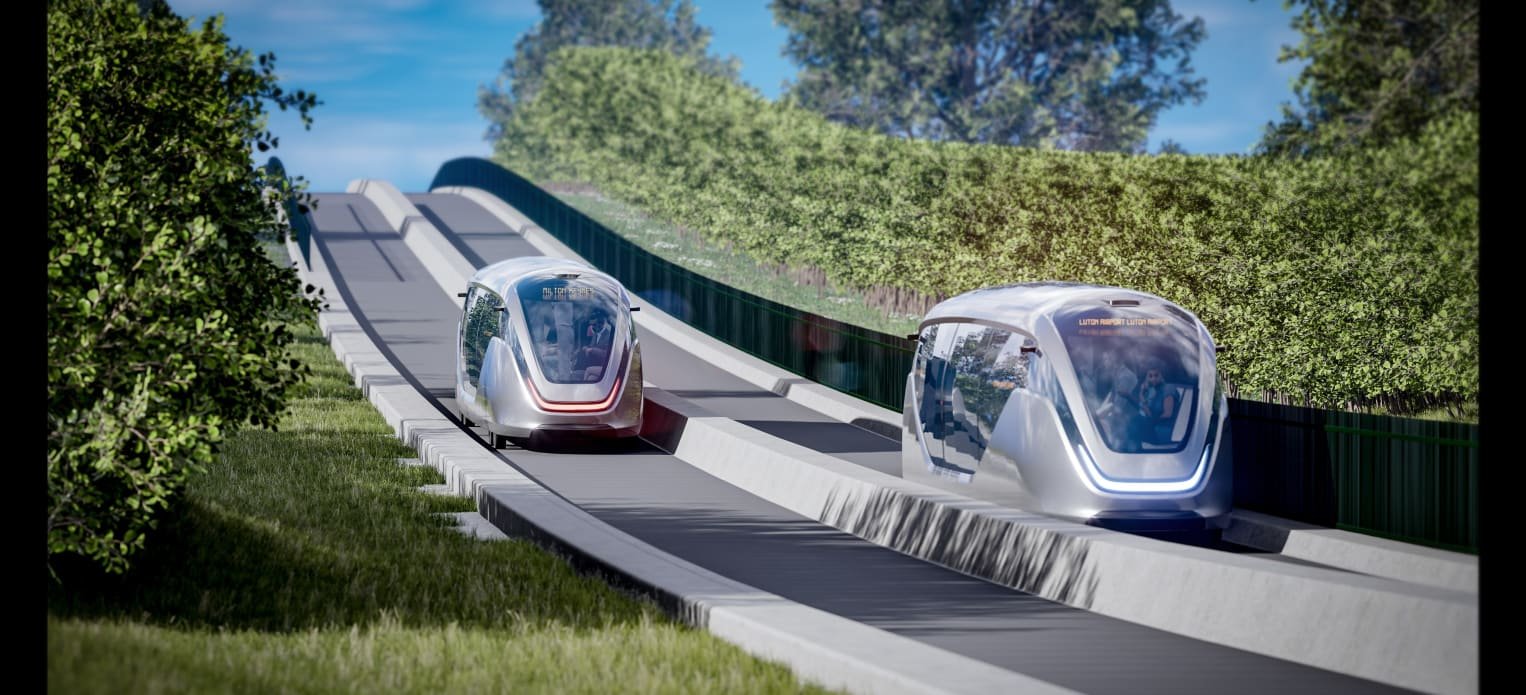
A key feature of trackless trams is that they can help overcome the problems of the sheer cost and inflexibility of conventional trams. Significantly, the New Towns Taskforce proposes one of the new phase of new towns to be the expansion of Milton Keynes as a ‘renewed town’ with the expansion area being combined with reshaping the way people travel over the whole city by delivering a Mass Rapid Transit system to correct the 1960s error of Milton Keynes car-oriented design. This Mass Rapid Transit system is of the autonomous ‘trackless tram’ design concept and not high-cost conventional rail-based trams. A similar concept is one of the options being considered for Cambridge.
New urban transit designs and their transformative role in urban design could actually be on their way to becoming a reality. Well, maybe…..
Leave a Reply