

Paul Astles and Catriona Matthews ~ Learning Designers
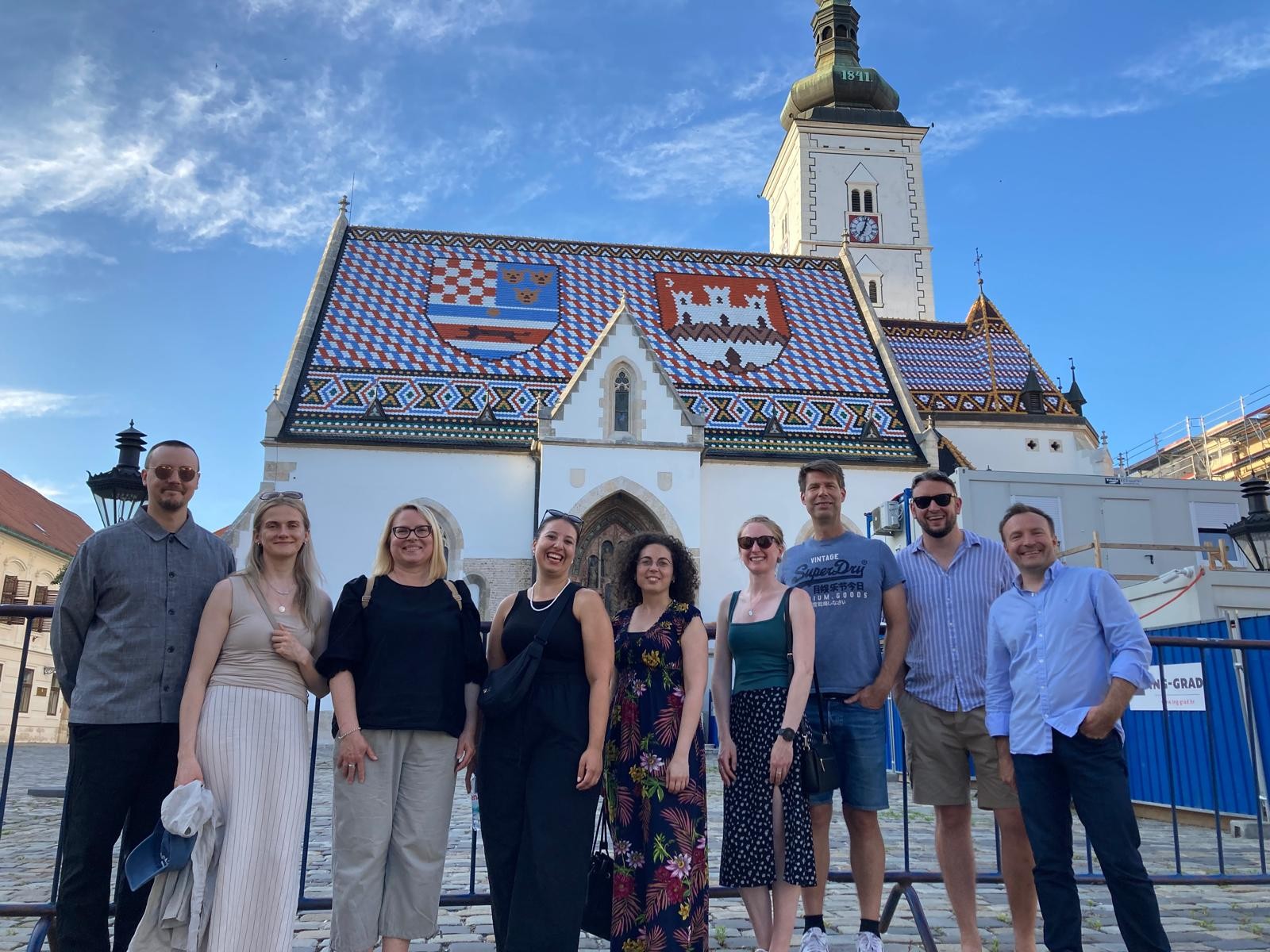
Since 2022, members of The Open University’s (OU) Learning Design and Institute of Educational Technology (IET) teams have played an integral role in the Erasmus+ project Innovating Learning Design in Higher Education (iLED). The three-year iLED project was co-ordinated by the University of Zagreb and alongside the OU, partners from Goethe University (Germany) and the University of Oulu (Finland) completed the project team.
The project explored innovative approaches to learning design through four key objectives:
-
- Developing a learning outcomes-based design tool
- Co-creating virtual and blended learning experiences
- Innovating curricula for flexible learning
- Strengthening educators’ digital pedagogy skills.
This article is a reflection on our experiences and journey through the project from start to end. Over the years there were different strands of work, and we will be reflecting on each in turn.
Strand 1: Evaluating a Learning Design Tool
Prior to the start of the iLED project, a Learning Design Tool had already been created by the University of Zagreb. This tool was created using source code from the OU’s own in-house Learning Design Tool. Both tools support users to reflect on their learning design but in different ways. The ‘new’ tool focuses more on high level activity design whilst the OU tool focuses more on student workload estimation.
Our contribution to this strand was the evaluation of training materials created to support users with using the tool and upskilling their knowledge of fundamental learning design concepts. Our feedback focused around ensuring the different support pathways were clearly distinguished to support a smoother user onboarding experience.
We also took time to better understand and familiarise ourselves with the tool. This was important as we were going to be spending quite a lot of time using it over the next few years!
Strand 2: Creating and reviewing authentic learning scenarios
To help inspire and support others to consider the pedagogy of their learning designs the project, teams collaboratively created ten ‘authentic learning scenarios’. The scenarios were selected using learning design tool data on the most used pedagogical approaches.
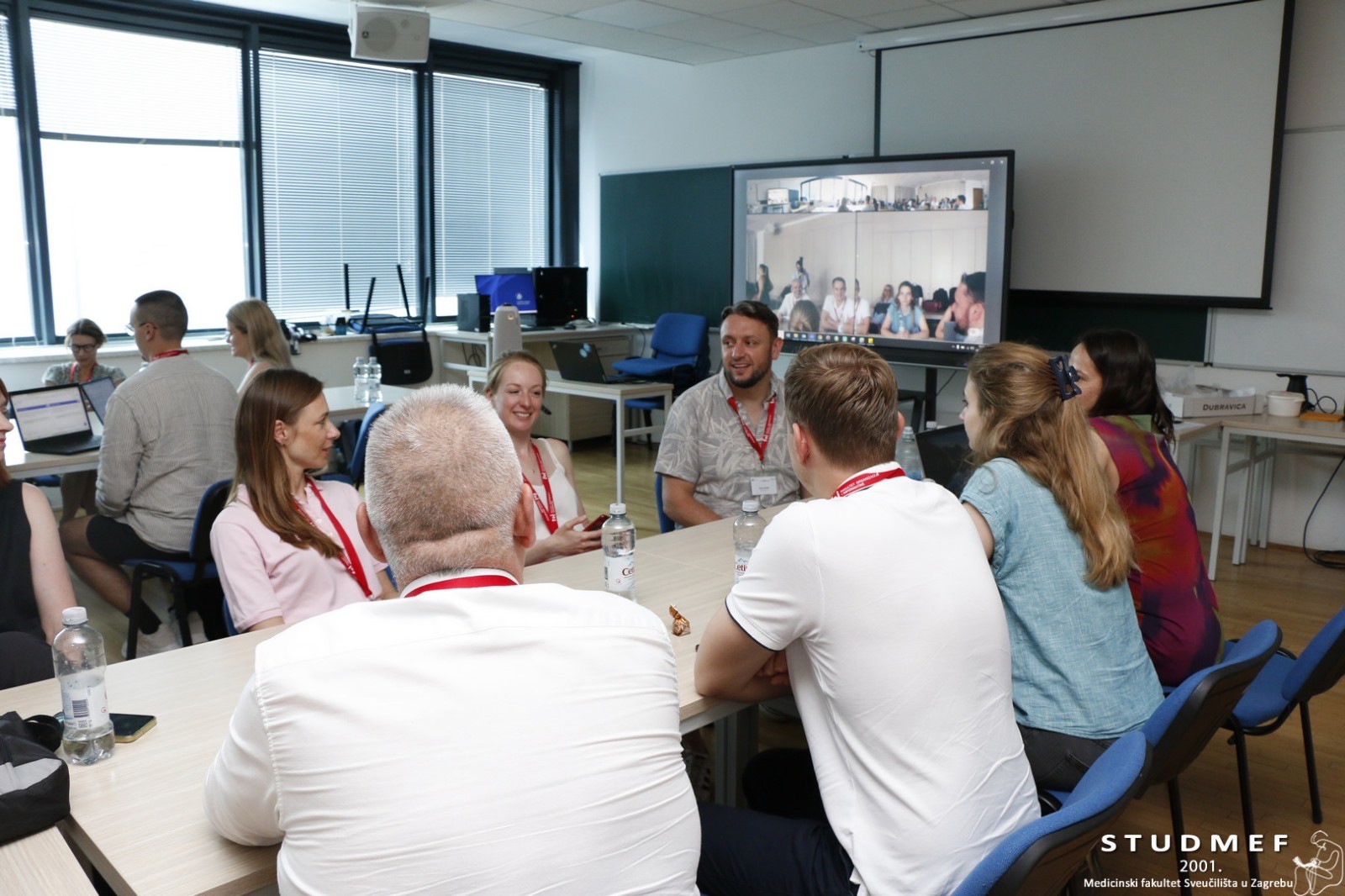
To evaluate the usefulness of these scenarios and identify how educators may require support in their implementation each partner University ran a series of focus groups. These were structured using the ORID framework. This discursive approach encouraged participants to narrow down and reflect on which learning scenarios resonated most with them and was easily adaptable across the different institutions and languages.
Using the focus group outcomes the team updated the content of the scenarios and learning design tool support materials. Workshops were held in native languages across partner universities allowing for rich, reflective conversations. This helped the success of each session as the educators could speak more freely without having to consider what the correct phrases were in English. It also showed the universal applicability of the ORID framework to help move conversation towards a decision. These focus group outcomes were translated back into English for analysis and comparison. We undertook thematic analysis of the qualitative data that came from the focus groups run at the OU. The emerging themes from each institution were collated into a forthcoming journal article to help disseminate the findings.
Strand 3: The learning design tool in practice
Strand three focused on curriculum innovation using the learning design tool to help identify changes that could be made to real student learning experiences. We began strand three by contributing to a conference paper which explored the impact of ‘weighting’ learning outcomes. The process of applying weightings to learning outcomes was something also trialled within Strand 3. Going through the process from ideation and evidence gathering, through to writing up a conference paper was a key learning experience for us during this time. It provided insight into academic process and research creation. This gave us confidence when approaching our own scholarship work and reinforced good academic process and rigour.
During this strand we also sought a broad range of student viewpoints about the learning design tool. At the OU we asked the student volunteers in the Curriculum Design Student Panel what they thought about the tool and its use in a ‘student facing’ context. The outcomes of the student engagement were recommendations about course overviews, stressing the importance of bite-sized insights, and consistent presentation of course design information. The outcomes were especially valuable for the wider work we do within the OU Learning Design team that is focused on workload planning. It also highlighted the importance of aligning innovation with student outcomes in mind.
Strand 4: Designing, implementing and evaluating a massive open online course (MOOC).
During the second to last strand, we embarked on an ambitious journey to enhance digital pedagogy competences of educators through open educational resources. At the heart of this initiative was the development of a Massive Open Online Course (MOOC).
Creating our respective areas of responsibility for the MOOC (the OU group took primary responsibility for designing and developing the ‘Learning Design’ and ‘AI’ sections) was a lesson in the complexities of cross-institutional collaboration. The distributed development approach—where each partner university took responsibility for different sections—enabled rapid content creation but presented challenges in maintaining consistency across the course. Through persistent quality reviews, iterative design processes, and diplomatic negotiations across time zones and competing priorities, the project team successfully collaborated to ensure high accessibility standards were met and meaningful learning experiences were created.
Those who completed the course reported positive outcomes, with many gaining valuable insights into designing effective online learning experiences at scale. This strand of work ultimately demonstrated the value of focusing on student experience in online learning, something we champion every day in our roles as Learning Designers here at the OU!
The Final Conference: AI and Learning Design.
Our participation in the iLED conference was a huge highlight of the three-year project. The conference, held at Zagreb University, was a celebration of all of the hard work put in by the team over the years, as well as an opportunity to connect the project’s work and learnings with current debates.
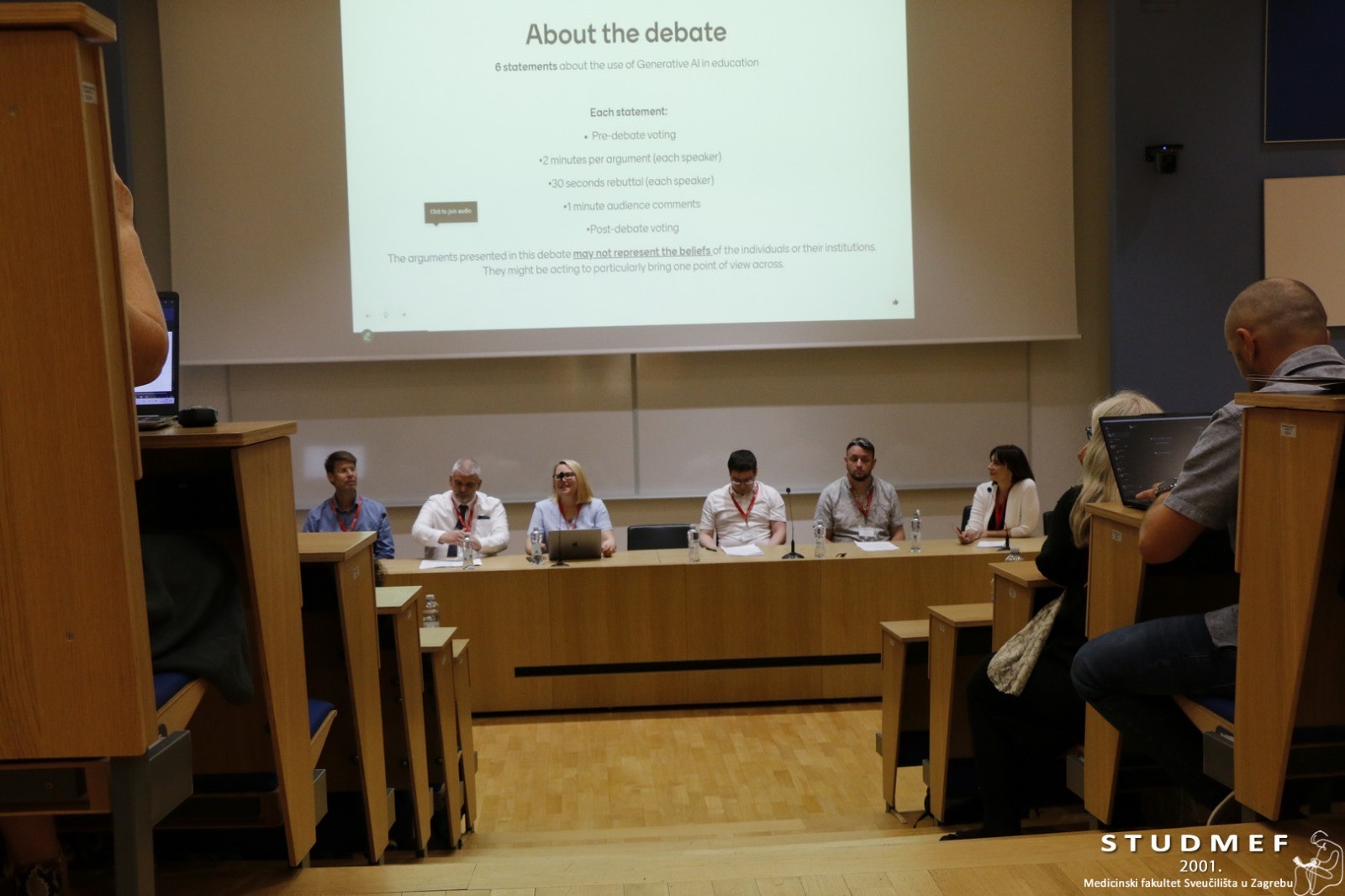
Paul contributed to a debate panel about AI in education and delivered a playful yet evidence-based debate performance. Although he might not have swayed everyone in the audience this approach clearly resonated and helped him to win several of his arguments. The panel offered a lively discussion which supported the audience to critically evaluate the value and challenges that AI can offer within education.
The OU team co-lead a workshop in the afternoon with colleagues from Germany and Finland. Each partner University provided examples of good practice in the context of AI in higher education. We had the opportunity to support colleagues to engage with our activity design resources which were positively reviewed! It was great to see the universal applicability of our work. We also found immense value in learning from our international colleagues and having space to reflect on and discuss each other’s work.
What have we learnt from the project?
As you can imagine we have learnt a lot from this project and not just about learning design and pedagogies.
As well as boosting our subject knowledge we learnt a lot about working in a fast paced, high-profile project environment. This experience fostered valuable skills in prioritisation and gave us confidence to advocate for and protect our time to deliver required outcomes. Perhaps most surprisingly, we found camaraderie in the shared chaos of tight deadlines and academic writing process – discovering that our European partners were, too, navigating uncertainty alongside us. The staged project structure, while challenging, provided a framework that helped us anticipate workload peaks and prioritise effectively.
We’ve also grown more confident with engaging stakeholders across various seniority levels and learned to respectfully challenge approaches that conflict with evidence-based practices. Though we regularly collaborate with academic colleagues, this project offered unique insights into grant processes, research methodologies, and the operational nuances of international university partnerships—knowledge that we will undoubtedly bring to our future projects.

To find out more about the iLED project, its findings and outputs, visit the iLED project website. You can contact us to ask us any questions you may have on this topic at the Learning Design Inbox.
Banner and ice cream images: courtesy of Paul Astles. Debate and Work session images via STUDMEF.