

Faculty of Arts and Social Sciences
Welcome to the Faculty
The Faculty of Arts and Social Sciences deals with the full range of human experience. Intrinsically interdisciplinary in approach, the Faculty produces cutting-edge research that informs our world-class teaching and inspires our students, academics and the general public. Find out more about the Faculty.
Schools


** NEW ** Research news and events are regularly published through the faculty’s three research centers, each representing a school. Visit OpenARC, the Centre for Global Challenges and Social Justice, and the Open Psychology Research Centre to explore the diverse research activities within each school.
Study
 The Faculty of Arts & Social Sciences offers 23 undergraduate degree courses, as well as a wide range of certificates, diplomas and postgraduate qualifications, across 14 disciplines. Each of our qualifications combines insights from the different disciplines, bringing context and breadth to your learning. Our learning materials are informed by the world-leading research our academics conduct. Find out more about our study.
Research
 The Faculty has a vibrant interdisciplinary research culture, across all our 14 subject areas. Our interests span three millennia from understanding classical antiquity to developing future solutions to contemporary environmental challenges. Alongside research on the UK, its rich cultural history and present-day social problems, our research also has a global scope, extending to Africa, Oceania, the Americas, the Middle East and South and East Asia. Find out more about our research.
-
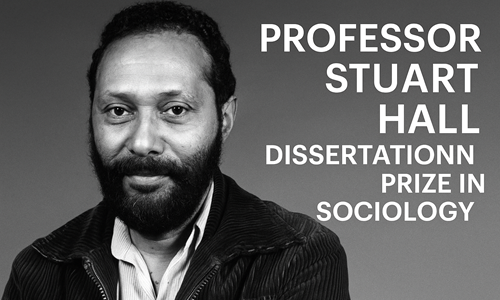
Sociology launches Stuart Hall Dissertation Prize
18th June 2025Sociology announces the Professor Stuart Hall Dissertation Prize, awarded annually to three outstanding Sociology dissertations that contribute to...
-
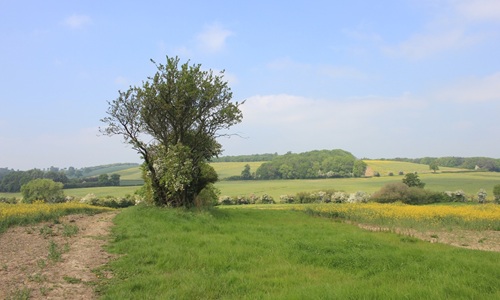
Historic England Blog on the Register of Historic Battlefields
13th June 2025A Historic England Blog post by OU historian David Grummitt celebrates the 30th anniversary of Historic England’s Register of Historic...
-

OpenARC holds the first Festival of the Arts and Humanities
23rd May 2025OpenARC held its first ever Festival, celebrating the research, broadcast work, public engagement and impact in the School of the Arts and...
Banner image: Prochasson Frederic / Alamy
No events
Follow us on
Request your prospectus

Explore our qualifications and courses by requesting one of our prospectuses today.
Are you already an OU student?

Explore

Undergraduate
Postgraduate
Policy
-
Follow us on Social media
-


©2025.