

Faculty of Arts and Social Sciences
Welcome to the Faculty
The Faculty of Arts and Social Sciences deals with the full range of human experience. Intrinsically interdisciplinary in approach, the Faculty produces cutting-edge research that informs our world-class teaching and inspires our students, academics and the general public. Find out more about the Faculty.
Schools


** NEW ** Local & Global, the fourth edition of the School of Social Sciences and Global Studies (SSGS) magazine has just launched. In the latest re-branded, re-named issue of this annual digital publication, staff and students within SSGS share ideas on the world we live in, as well as teaching and research highlights.
Study
 The Faculty of Arts & Social Sciences offers 23 undergraduate degree courses, as well as a wide range of certificates, diplomas and postgraduate qualifications, across 14 disciplines. Each of our qualifications combines insights from the different disciplines, bringing context and breadth to your learning. Our learning materials are informed by the world-leading research our academics conduct. Find out more about our study.
Research
 The Faculty has a vibrant interdisciplinary research culture, across all our 14 subject areas. Our interests span three millennia from understanding classical antiquity to developing future solutions to contemporary environmental challenges. Alongside research on the UK, its rich cultural history and present-day social problems, our research also has a global scope, extending to Africa, Oceania, the Americas, the Middle East and South and East Asia. Find out more about our research.
-
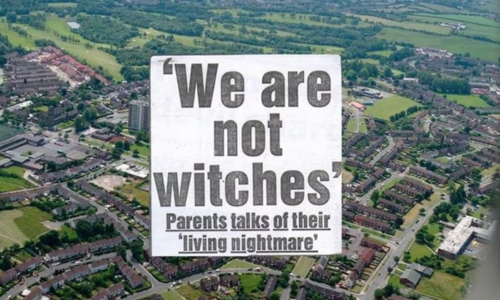
Religious Studies academic appears as expert on Rochdale Satanists documentary
26th April 2024Religious Studies Senior Lecturer David Robertson provides expertise for Rochdale Satanist scandal documentary.
-

OU Academic contributes to scoping new special report on climate change
25th April 2024Dr Arabella Fraser, Senior Lecturer in Development, was among UK experts nominated by BEIS to contribute to the IPCC’s scoping exercises on the...
-
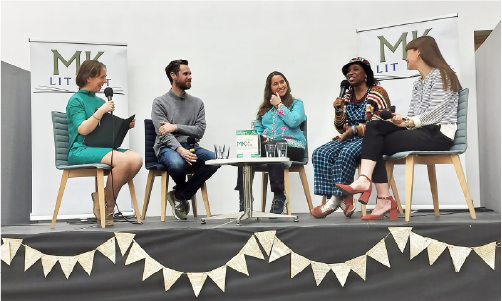
OU Creative Writing partner with MK Lit Fest for fiction writing series
19th April 2024OU-sponsored MK Lit Fest series The Long and Short of It: From flash fiction to the doorstop novel brings new audiences to ground-breaking...
Banner image: Prochasson Frederic / Alamy
2nd Annual Research Festival on Global Challenges and Social Justice
Wednesday, May 15, 2024 - 11:00 to Friday, May 17, 2024 - 15:00
Online and in-person, Library seminar rooms 1&2
GCSJ Seminar series: Toothless tigers? Regional organisations and democracy promotion
Friday, June 14, 2024 - 12:00 to 13:00
Online, via Microsoft Teams
Literature and Music Research Group Symposium on Words, Music and Silence
Friday, June 28, 2024 - 10:00 to 19:00
Bournemouth University
Follow us on
Request your prospectus

Explore our qualifications and courses by requesting one of our prospectuses today.
Are you already an OU student?


Explore

Undergraduate
Postgraduate
Policy
-
Follow us on Social media
-


