OU News
News from The Open University
- Home
- How to make new housing estates work for the people who live there
How to make new housing estates work for the people who live there
Posted on • Education, languages and health
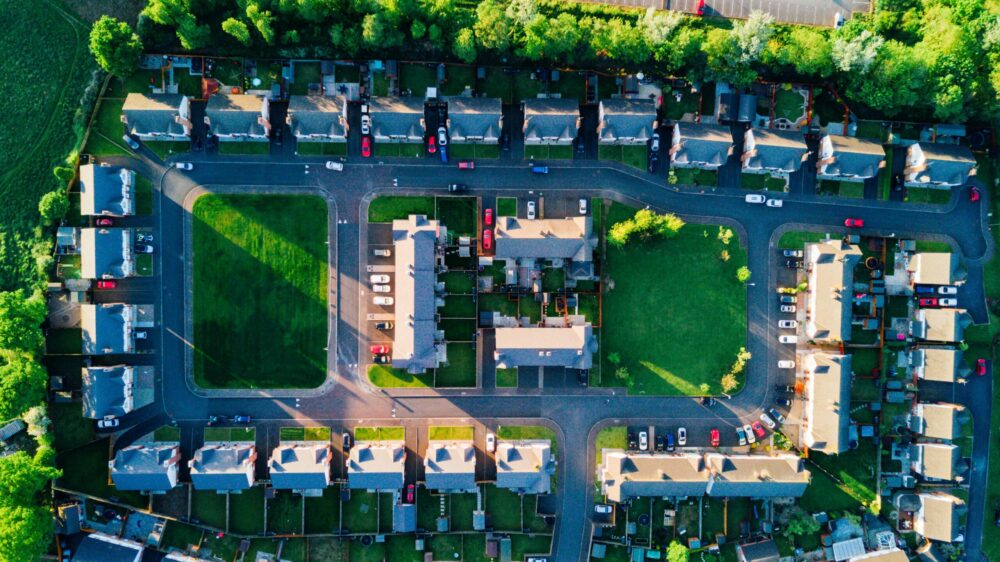
The UK is grappling with a housing crisis, with a shortage of 2.5 million homes in England alone. To address this, the government has pledged to build 1.5 million homes by 2029 and 12 new towns before the next election.
Building new homes, as part of small developments or in large new towns, is imperative for affordable and comfortable living. However, it is only a starting point. Making new housing estates into good places to live requires adequate transport links, access to schools and shops, and a sense of belonging for those who live there.
Earlier this year, I led research into two new estates in Milton Keynes, Glebe Farm/Eagle Farm and Whitehouse. Both areas have been under development for nearly a decade, and new houses continue to be built. Our research with residents, service providers and community workers in both estates reveals how simply building homes does not create an environment for people to thrive.
New homes provide much-needed stability and security, particularly for people who have experienced housing insecurity.
But residents in new developments reported that they also face considerable challenges. Lack of public transport, limited availability of schools, childcare facilities or GP surgeries and delayed or non-existent community hubs are commonly cited problems.
New estates are often built without adequate infrastructure or amenities to accommodate residents. While developers and local authorities blame each other for these shortcomings, residents draw the short straw. Whitehouse has had to wait eight years before opening the doors to its community building. The shops and local pub that residents said they were promised have yet to be built.
Read the full article on The Conversation
Picture credit: Kelly on Pexels


Explore

Undergraduate
Postgraduate
Policy
-
Follow us on Social media
-