OU News
News from The Open University
- Home
- Foraged mushrooms and sea beet featured in British meals in the 16th century. Why not today?
Foraged mushrooms and sea beet featured in British meals in the 16th century. Why not today?
Posted on • Arts and social sciences
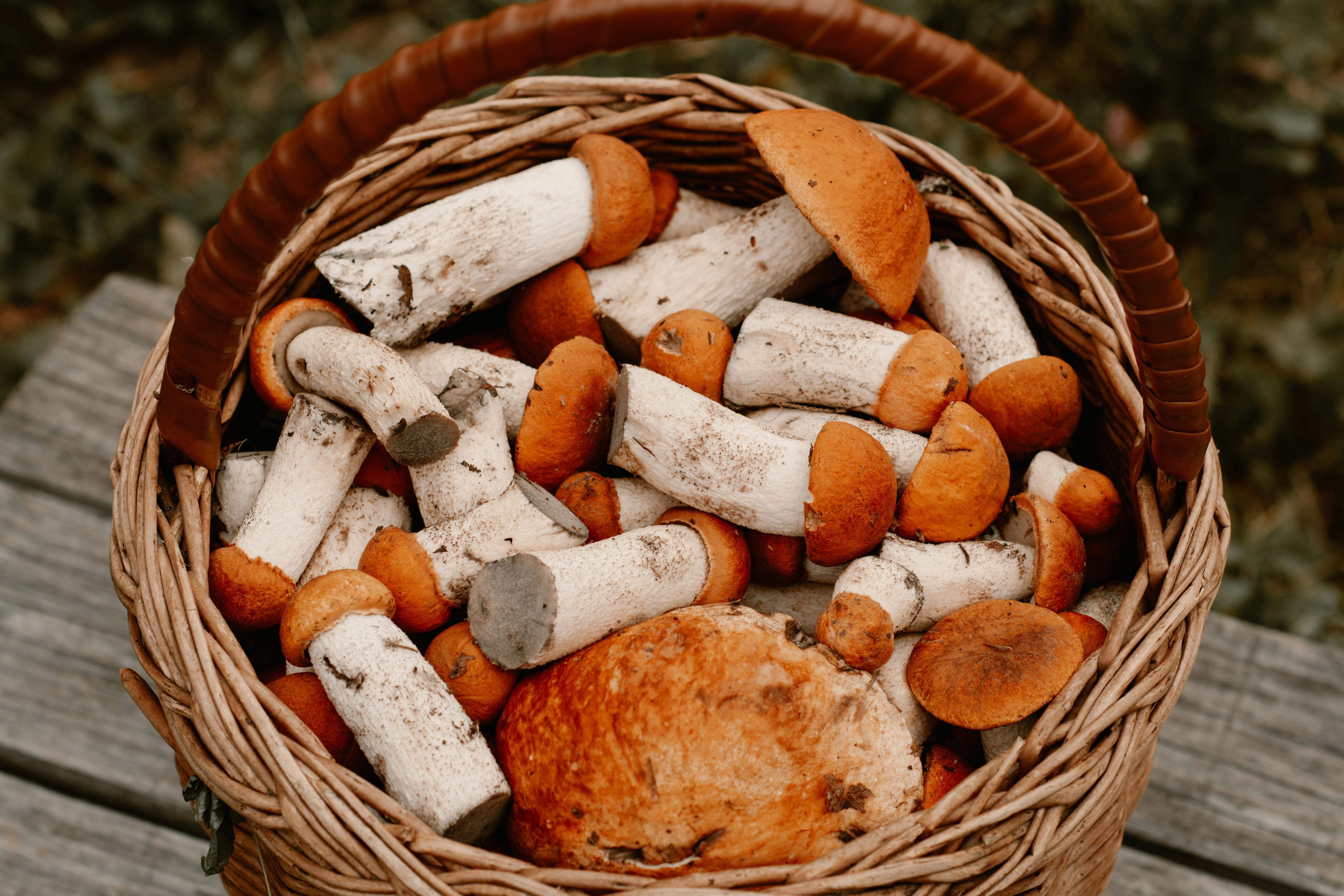
Wild garlic, oyster mushrooms and sea beet were once regularly gathered and eaten as part of meals across the UK, says Emmanuel Junior Zuza, Visiting Assistant Professor in Environmental Sciences at The Open University. Today, some people have concerns about eating food growing in the woods or hedgerows, but are keen to discuss why – as our research shows.
Our small study looked at current public attitudes to eating wild foods in the English county of Dorset.
In previous centuries, knowledge about what to pick and eat and even how to cook was passed down through generations.
In 16th-century Britain, rural households ate pottage (a kind of soup made from oats) and foraged for other ingredients including sorrel and leeks. Coastal communities gathered samphire and sea beet, while hazelnuts were gathered from forests and hedgerows. Wild game, such as rabbit and deer, and freshwater eels were considered ordinary foods for those who could find them.
My team’s research into public attitudes to “wild food” was based in Dorset, a strongly agricultural county. Working with an experienced forager, we selected ten foods growing wild in the county and available around the UK. We then asked a mix of farmers and people in the food industry including chefs and experienced foragers about whether they would feel comfortable eating these items.
Read the full article on The Conversation
Picture credit: Irina Iriser on Pexels


Explore

Undergraduate
Postgraduate
Policy
-
Follow us on Social media
-