OU News
News from The Open University
- Home
- OU receives grant to unite experts to protect the Moon through sustainable governance
OU receives grant to unite experts to protect the Moon through sustainable governance
Posted on • Arts and social sciences, Science, maths, computing and technology
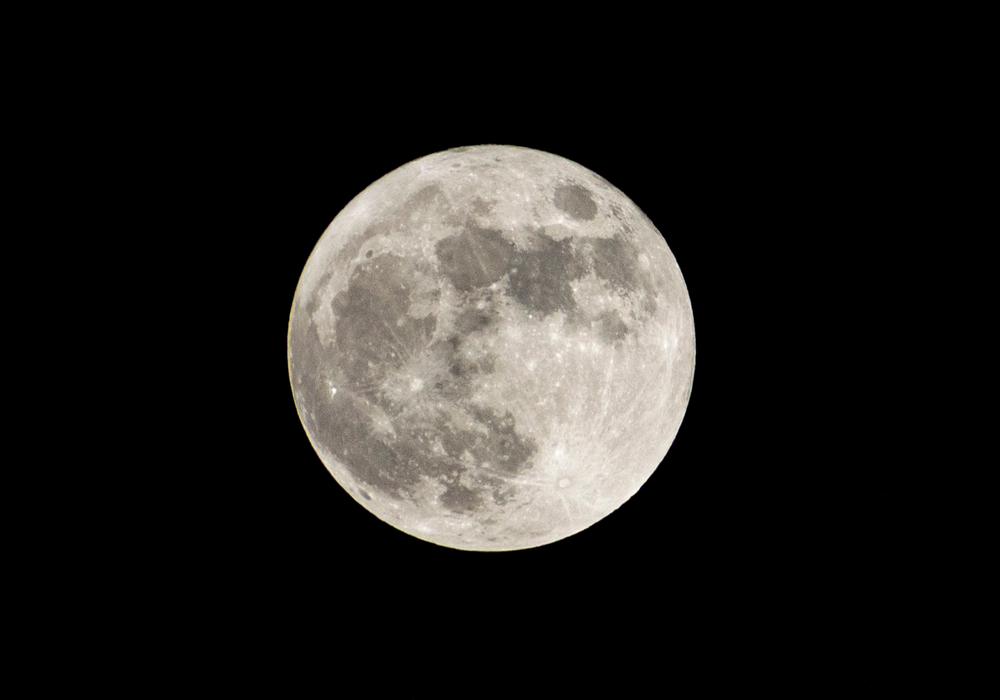
A new project, led by Dr Alessandra Marino of the OU, has received a grant with a value of £1.245m from UK Research and Innovation (UKRI) to trial an integrated governance approach to protect the Moon and its sites of interest.
MoonRISE: Re‑Imagining Space Environments brings together a range of scholars from different disciplines to answer a pressing question: how do we safeguard the Moon at a time of intensified exploration?
Over the next decade, the Moon may see more missions than the last six decades together. Policy and governance innovation is needed to define acceptable activities on the Moon, what should be protected, or how different interests should be balanced.
Currently, the main binding agreement governing space activities, the Outer Space Treaty, offers broad principles but does not specify how to prevent harm to fragile lunar environments.
MoonRISE brings together planetary scientists, legal scholars, social scientists, ethicists, and artists to practice an integrated approach to protecting sites of scientific, cultural and environmental importance on the Moon.
Working with NASA SSERVI and the MoonTrek team, the project will build a new multilayered digital map showing areas at risk and areas of significance, informed by global consultations and community input.
With the expertise of ESSI (Earth and Space Sustainability Initiative), the project will create principles and guidelines for equitable and sustainable governance for use in national and international fora, such as the United Nations Committee on the Peaceful Uses of Outer Space (COPUOS).
Dr Alessandra Marino said:
“This is a new era of lunar activity. The choices we make today will shape not only the future of exploration but the legacy we leave on the Moon for generations to come.
“MoonRISE will attempt to bring together voices that have never been in the same room before to help ensure the Moon’s most fragile and significant sites are protected before they can be damaged or destroyed.”
Header image credit: Shutterstock


Explore

Undergraduate
Postgraduate
Policy
-
Follow us on Social media
-