OU News
News from The Open University
- Home
- From ‘refrigerator mothers’ to paracetamol: why harmful autism myths are so common
From ‘refrigerator mothers’ to paracetamol: why harmful autism myths are so common
Posted on • Psychology
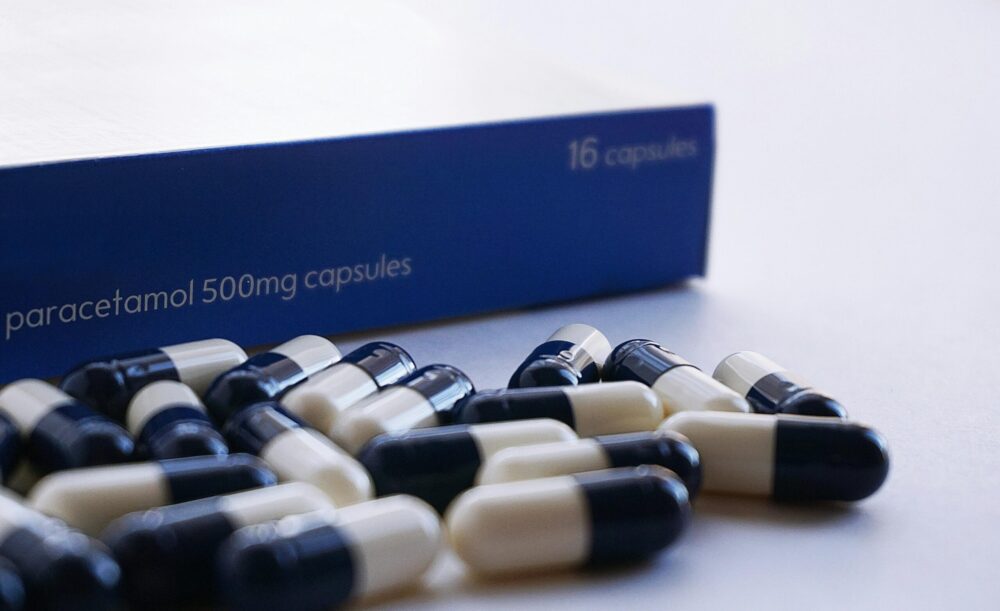
US president Donald Trump’s claim that pregnant women should avoid paracetamol – a statement that is both harmful and not backed by the science – fits into a long and damaging tradition of blaming parents, especially mothers, for autism, says Lindsay O’Dell, Professor of Critical Developmental Psychology, The Open University.
Despite decades of research and a far richer understanding of autistic lives, two myths persist: that parents’ behaviour can somehow cause autism, and that autism is a temporary condition that can be “cured” or simply “outgrown.” Large, long-term studies – and the experiences of autistic people – have repeatedly debunked both claims, yet they continue to surface in public debate.
From the earliest theories of autism, researchers looked for someone or something to blame. In the 1950s and 1960s, psychiatrists such as Leo Kanner – an Austrian-American physician who first described autism as a distinct condition in 1943 – and Bruno Bettelheim – a Viennese-born American psychologist known for his controversial theories on child development – promoted the now-discredited notion of the “refrigerator mother”.
This is the idea that autism was the result of emotionally cold parenting. This theory led to guilt, shame and even the forced separation of children from their families, causing immense harm.
Read the full article on The Conversation
Picture credit: Suzy Hazelwood on Pexels


Explore

Undergraduate
Postgraduate
Policy
-
Follow us on Social media
-