OU News
News from The Open University
- Home
- Should Andy Burnham be ‘relentless’ on small boat crossings?
Should Andy Burnham be ‘relentless’ on small boat crossings?
Posted on • Society and politics
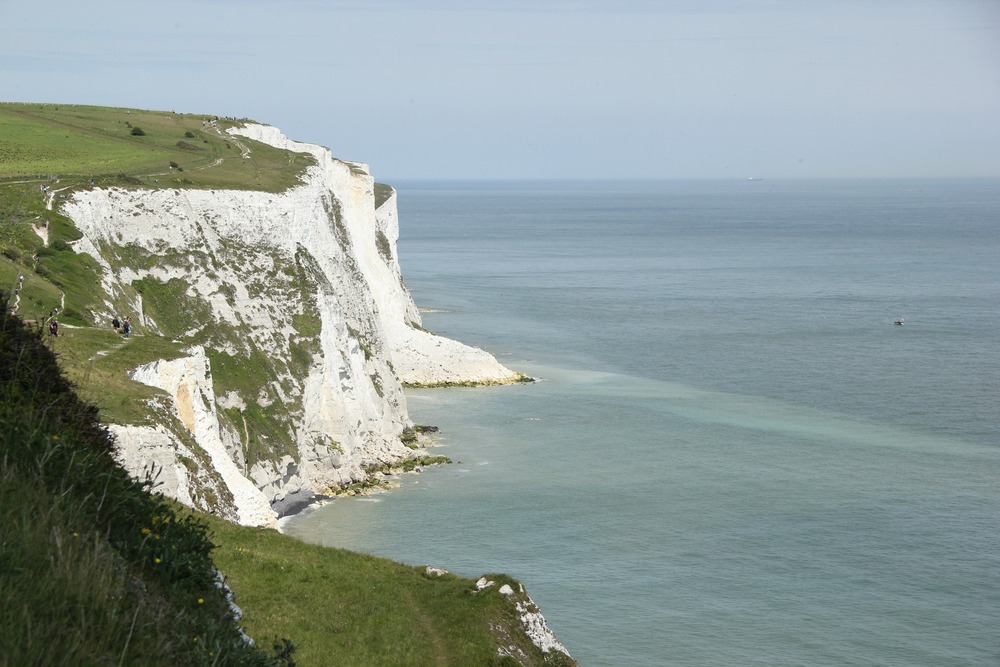
Following a sudden influx of migrants into the Spanish enclave of Ceuta, the discussion on unauthorised migration to Europe is again heightened. In the UK this means a focus on small boat crossings and the policy surrounding them, particularly following 752 arrivals on July 29 – the highest number for one day so far this year, with four deaths recorded. The UK prime minster, Andy Burnham, has announced he will be “relentless” in addressing the issue, but is this the right approach? Our experts explain the statistics and language around small boat crossings into the UK, as well as what needs to change for immigration policies to succeed.
Britain’s relationship with the EU
Simon Usherwood, Professor of Politics & International Studies, The Open University
In his comments about the influx of migrants in Ceuta at the end of July, Andy Burnham spoke of the need for “regular dialogue with the EU”. This was interesting for several reasons.
Despite Ceuta’s distance from the UK and its very particular relationship to the rest of the Schengen area of free movement, Burnham recognised that this has taken on a Europe-wide dimension. In a letter following the border crossing incident, 22 European leaders sharply criticised the Spanish government, and prompted broader discussion about “illegal border movements”. This will bring Channel crossings back up the European agenda, which might offer opportunities for Burnham to gather more support for action from the EU.
Simultaneously, Burnham’s stance is a reflection of the very limited role that the EU currently plays in managing small boat crossings in the Channel. Competence for border controls and policing of people smuggling remains very much a matter for national governments, as seen in the recent ramping up of UK-French cooperation.
Since the UK left the EU, it no longer has access to the Dublin regulation arrangements that allowed it to return asylum seekers to other EU member states without considering their claims. Talking with the EU might sound good, but in practice it will be work with those countries on the edge of the Channel that delivers most results.
Finally, this is one of Burnham’s very first mentions of work with the EU since starting his path to Number 10. Yet, it’s an issue that isn’t an obvious priority for either side, and since the UK has little to offer the EU, we are likely to see limited progress. How this feeds into the more pressing elements of UK-EU relations – negotiations on food standards, youth mobility and the rest – will only become clear in the coming months.
Full article available on The Conversation
Picture credit: Athena24 on Pixabay


Explore

Undergraduate
Postgraduate
Policy
-
Follow us on Social media
-