OU News
News from The Open University
- Home
- Category: Science, maths, computing and technology
Category: Science, maths, computing and technology
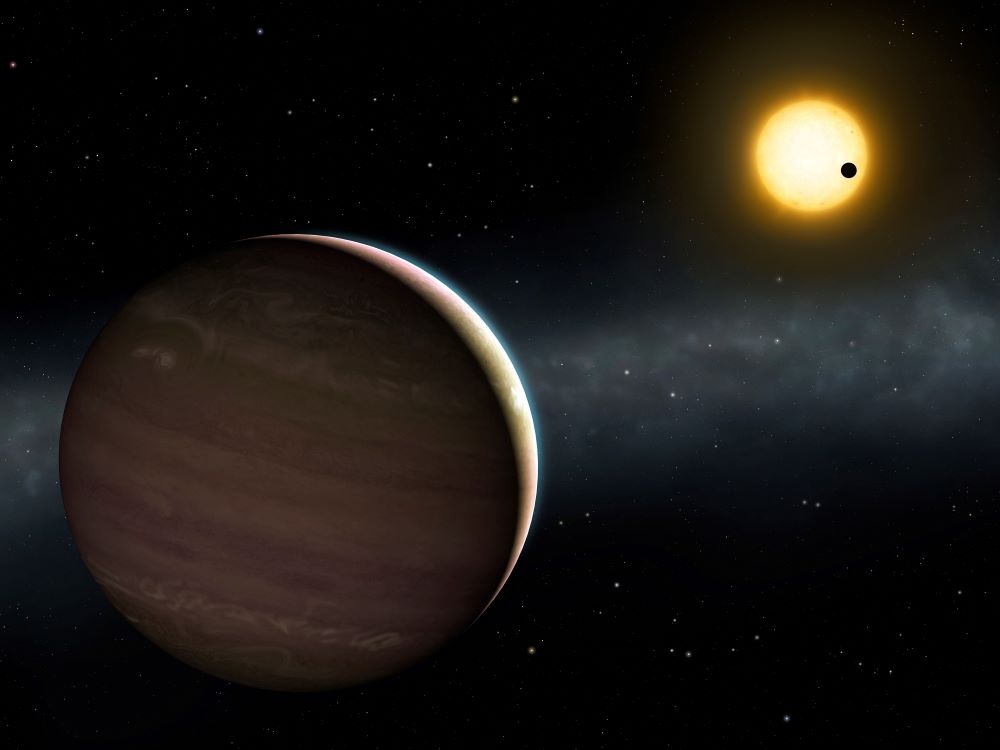
International scientists discover a pair of dancing planets
An international team of scientists, including Professor Carole Haswell and Dr Ulrich Kolb of The Open University (OU), have discovered two, giant planets interacting near each other, in a gravitational dance. The planets, detected by the Wide Area Search for Planets (WASP) project, feel each other’s gravity and, as a result, speed up and slow […]
Read more about International scientists discover a pair of dancing planets
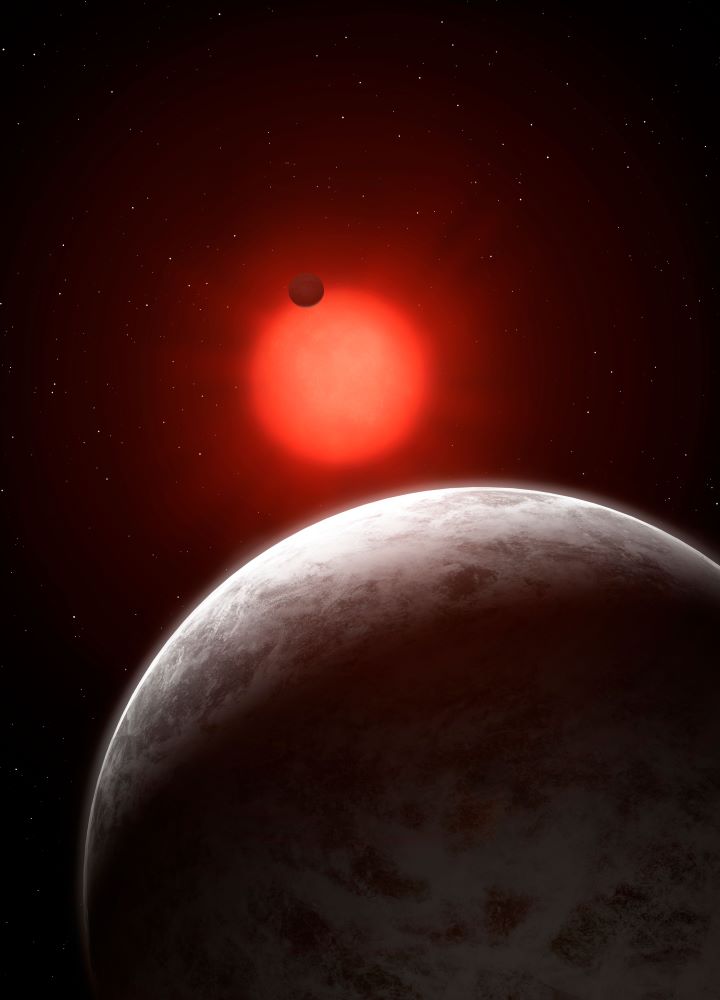
Super-Earth planets detected orbiting nearby star
A system of super-Earth planets – possibly rocky worlds, but larger than Earth – has been detected orbiting the nearby star Gliese 887. An international team of astronomers, including Professor Carole Haswell and Dr John Barnes of The Open University, made the discovery as part of Red Dots, a project to detect terrestrial planets close […]
Read more about Super-Earth planets detected orbiting nearby star
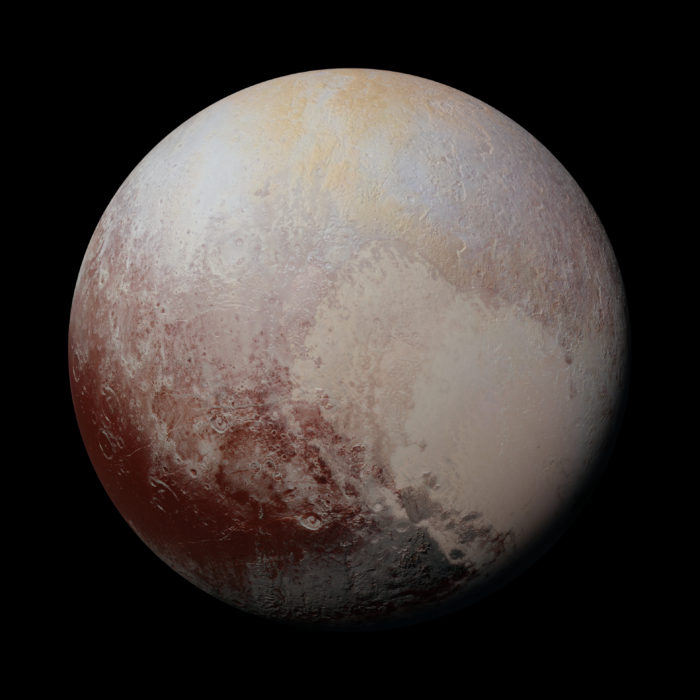
Life inside Pluto? Hot birth may have created internal ocean on dwarf planet
David Rothery, Professor of Planetary Geosciences at The Open University, discusses what it means to discover internal oceans on Pluto and other planets in the solar system. Pluto, along with many other dwarf planets in the outer solar system, is often thought of as dark, icy and barren – with a surface temperature of just […]
Read more about Life inside Pluto? Hot birth may have created internal ocean on dwarf planet
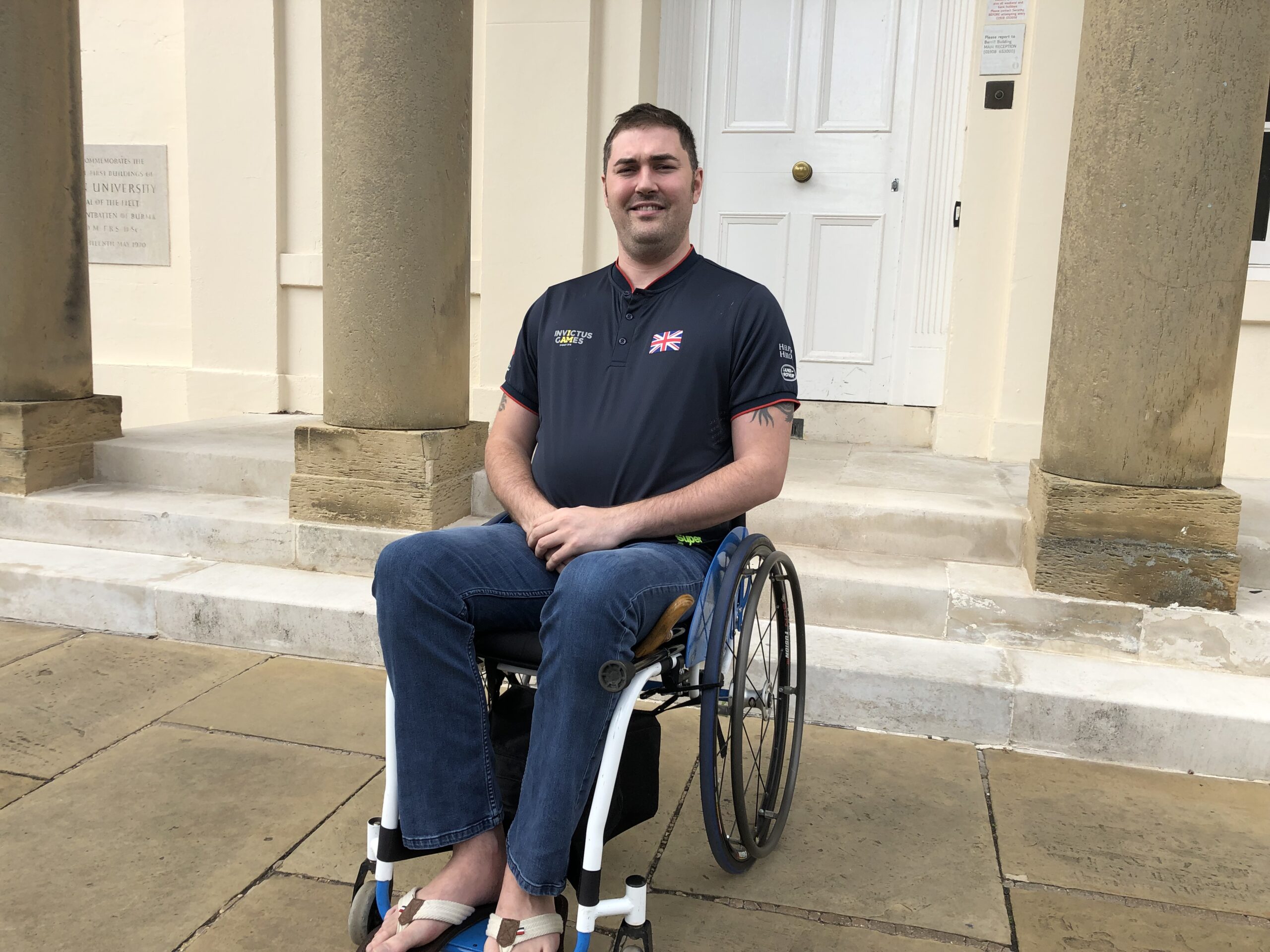
A new journey for disabled veterans like Daniel
After joining the Army at just 16 years old, OU student Daniel Bingley was flying high in a military career when a terrible injury turned his world upside down. “In 2012, I was injured in Iraq following an explosion,” Daniel tells us. “It seriously damaged my ears and I still really struggle with my hearing.” […]
Read more about A new journey for disabled veterans like Daniel

OU researchers develop free software set to revolutionise physiotherapy
Researchers from The Open University (OU), in collaboration with Cardiff University, have developed free software to monitor movement in people recovering from lower limb injury or surgery. OU PhD student Riasat Islam in collaboration with Dr Mohammad Al-Amri, Dr Mohamed Bennasar and Professor Blaine Price created a custom prototype, known as MoJoXlab. The movement analysis […]
Read more about OU researchers develop free software set to revolutionise physiotherapy
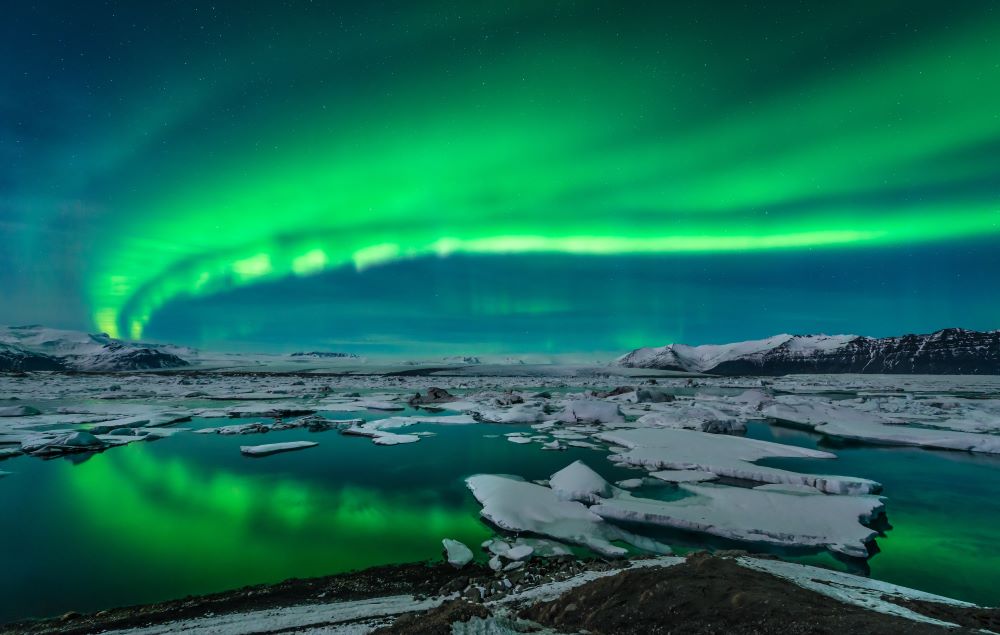
Newly detected green light similar to the Aurora Borealis observed around Mars
Open University (OU) scientists, as part of an international team, have identified a never-before-seen, green glow surrounding Mars with the same characteristics as the Aurora Borealis, also known as the Northern Lights. Using the NOMAD-UVIS instrument onboard the ExoMars Trace Gas Orbiter (TGO), a joint space mission between the European Space Agency (ESA) and Roscosmos, […]
Read more about Newly detected green light similar to the Aurora Borealis observed around Mars
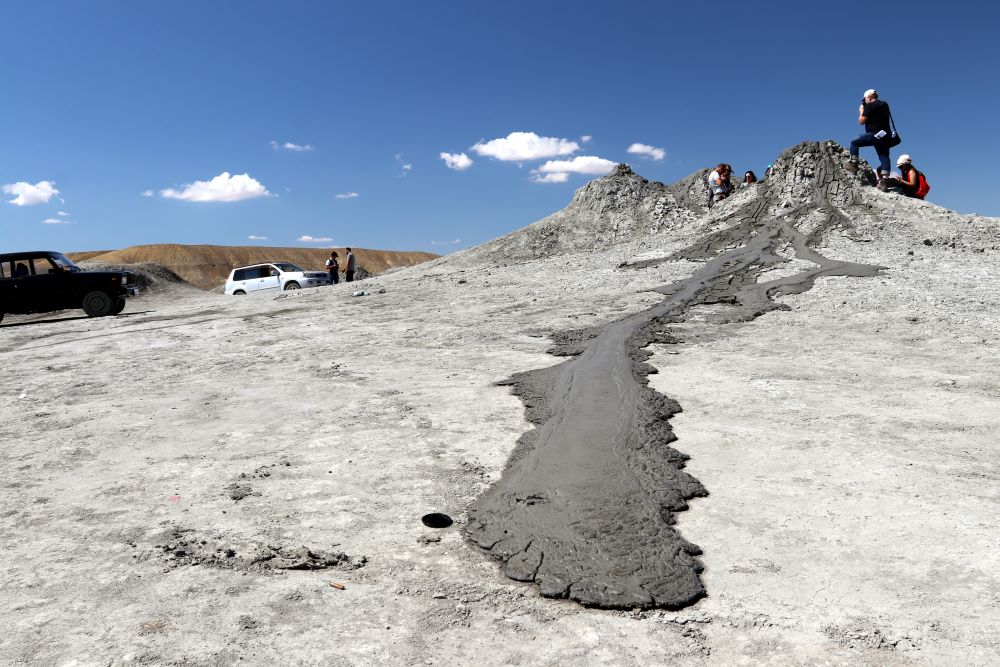
New study reveals mud volcanoes on Mars may flow like lava
European researchers, including Dr Manish Patel, Dr Matt Balme and Dr Matthew Sylvest from The Open University(OU), have found that mud volcanoes on Mars may look similar to lava flows found on Earth. According to a study, published in Nature Geoscience, mud flows exposed to the low atmospheric pressures found on Mars will behave similar […]
Read more about New study reveals mud volcanoes on Mars may flow like lava
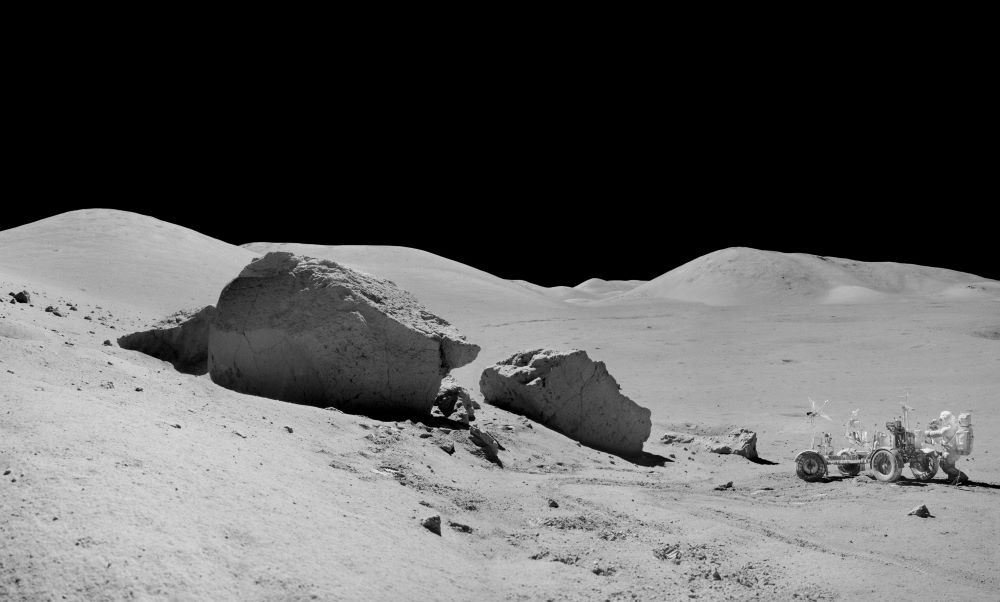
Apollo 17 sample leads to new discovery of the Moon’s evolution
An international team of scientists, including Mahesh Anand, Professor of Planetary Science and Exploration at The Open University, have discovered new evidence that massive impact events formed large portions of the Moon’s crust. According to research, published today in Nature Astronomy, the formation of ancient rocks on the Moon may be directly linked to large-scale […]
Read more about Apollo 17 sample leads to new discovery of the Moon’s evolution
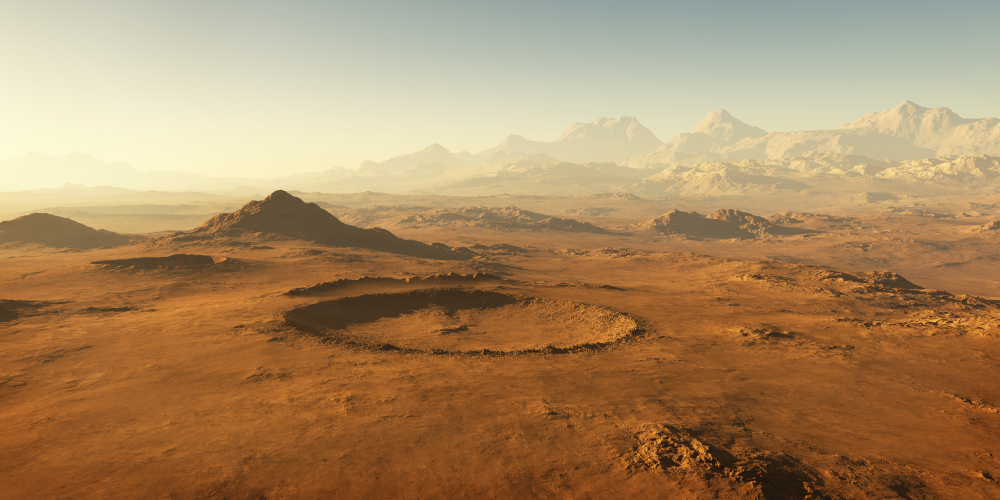
Ancient rivers on Mars more than 3.7 billion years old
Scientists from around the globe have discovered evidence of ancient rivers on Mars more than 3.7 billion years old, using high-resolution 3D imaging data. Sedimentary rocks, found in a 200-metre high Martian rocky cliff, formed by the ancient rivers proves that water was not only present on Mars, but the rivers were probably active for […]
Read more about Ancient rivers on Mars more than 3.7 billion years old
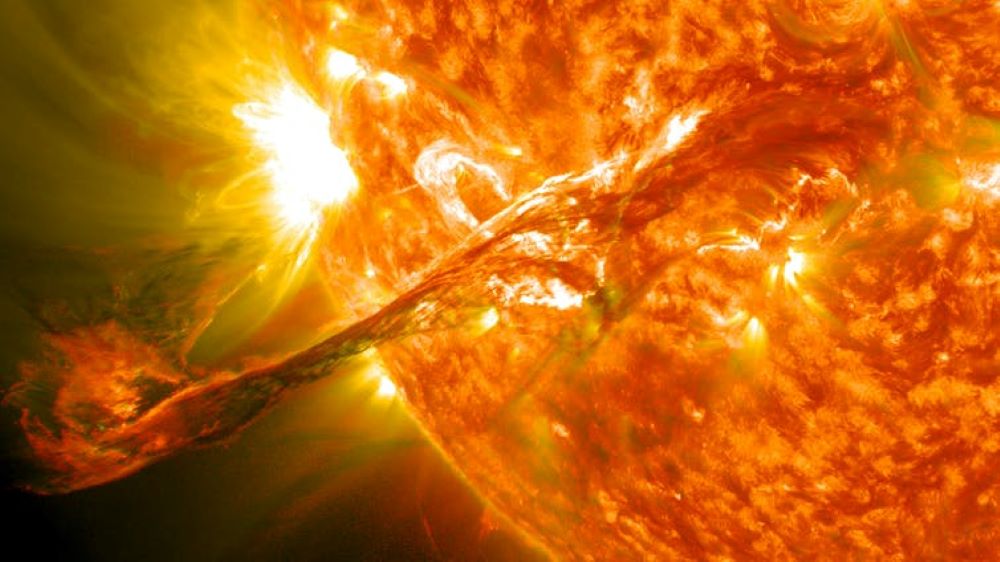
The Sun: study shows it’s less active than sibling stars – here’s what that could mean
Andrew Norton, Professor of Astrophysics Education at The Open University, writes about the magnetic activity on the Sun and what this could mean. All stars emit varying amounts of light over time – and the Sun is no exception. Such changes in starlight can help us understand how habitable any planets around other stars are […]
Page 33 of 59


Explore

Undergraduate
Postgraduate
Policy
-
Follow us on Social media
-