OU News
News from The Open University
- Home
- Category: Science, maths, computing and technology
Category: Science, maths, computing and technology
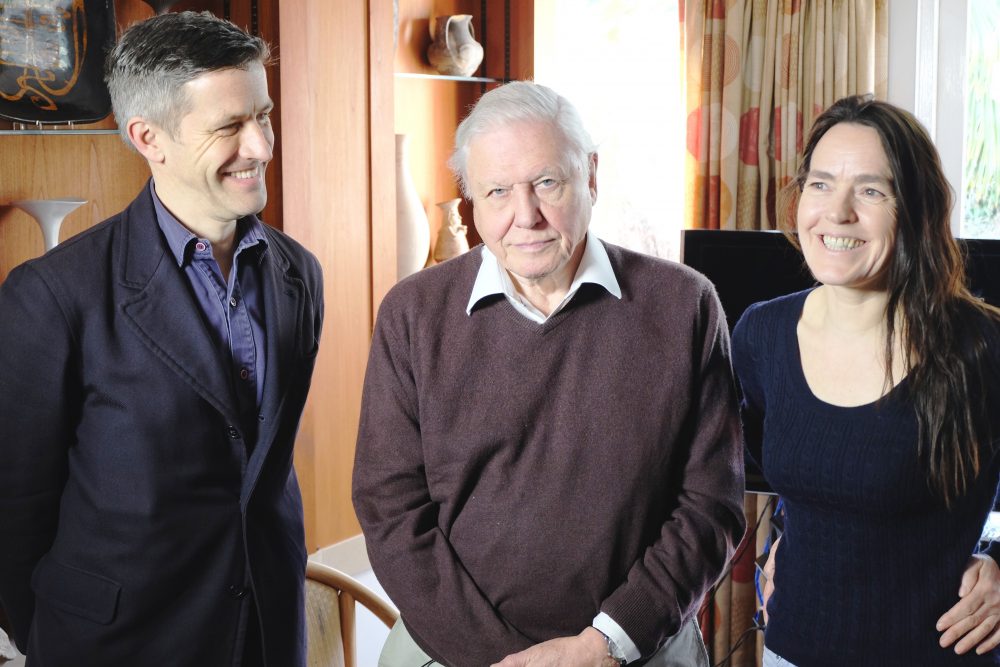
Who is the next David Attenborough? You are
“David Attenborough has left more tracks across the broadcasting landscape than any other human being, and his 90th birthday is a good moment to reflect on what makes him special,” says Dr Joe Smith, OU Professor of Environment and Society, who is leading a research project entitled Earth in Vision, exploring environmental change through the […]
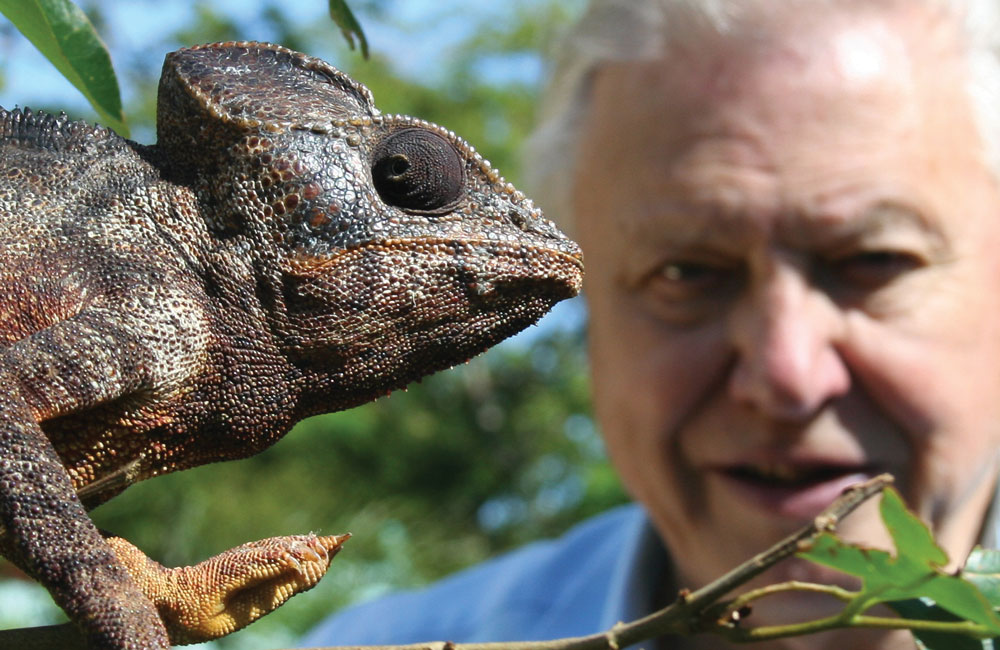
Happy 90th birthday to Sir David Attenborough
Today, Sir David Attenborough – Britain’s best-known natural history film-maker – celebrates his 90th birthday. With a career as a naturalist and broadcaster spanning six decades, Sir David was awarded an honorary doctorate from the Open University in 1980 and has been supporting our work ever since, endorsing projects like iSpot. In his speech, back […]
Read more about Happy 90th birthday to Sir David Attenborough
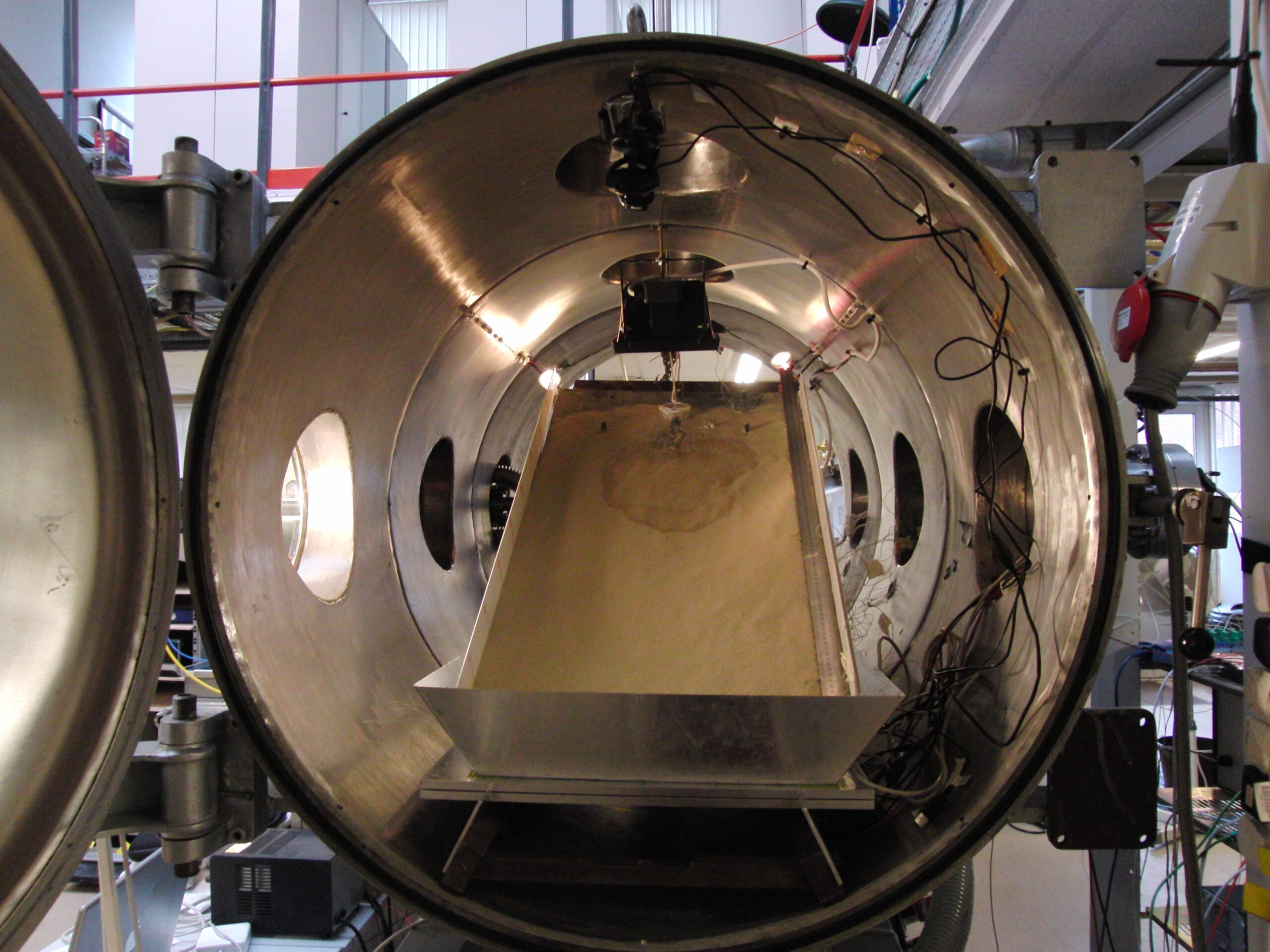
Mars: Boiling water could be carving slopes into surface
Features on Mars which had been attributed to flowing salty water could be caused by an altogether more explosive reason, according to new research published this week in Nature Geoscience. Scientists at The Open University used a unique Mars simulation chamber to conduct experiments and found that the streaks and slopes on the planet’s surface […]
Read more about Mars: Boiling water could be carving slopes into surface
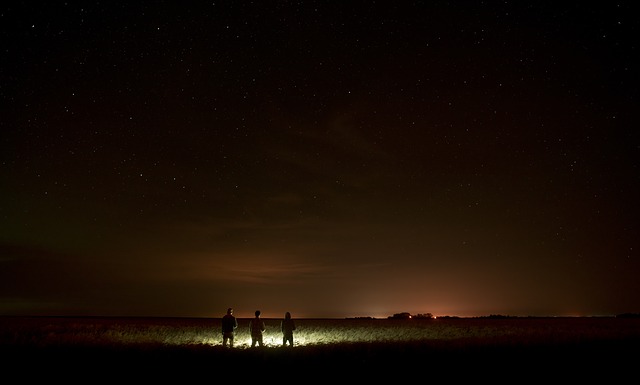
Mercury Transit gets its own show on OU campus
Members of the public are being invited to join scientists on the OU’s campus in Milton Keynes to experience a once-in-a-generation celestial event. The Transit of Mercury will see Mercury pass directly across the Sun’s face on May 9th. The Open University is throwing open its doors to schools and budding astronomers to come and […]
Read more about Mercury Transit gets its own show on OU campus
Ecuador and Japan earthquakes: Expert Comment
Earthquakes in Japan and Ecuador have resulted in widespread destruction and many deaths. David Rothery, Professor of Planetary Sciences at The Open University, says that Ecuador’s earthquake at its underground source was about 6 times stronger than in the magnitude 7.0 earthquake in southern Japan, and the total energy involved was probably about 20 times greater. […]
Read more about Ecuador and Japan earthquakes: Expert Comment
The Last Man on the Moon – a moving tale that’ll bring out your inner astronaut
“Dream the impossible – and go out and make it happen. I walked on the moon. What can’t you do?” These are the final words spoken by Eugene (Gene) Cernan in the documentary film The Last Man on the Moon. They are a challenge, spoken by an man in his 80s, not just to his […]
Read more about The Last Man on the Moon – a moving tale that’ll bring out your inner astronaut
Ground control to Major Manish. OU academic to record single for space mission
There has been Band Aid, USA for Africa and Peter Kay’s Animated All Star Band. But today a new name is being added to the list of legendary charity single artists. Manish Patel, Senior Lecturer in Space Science at The Open University, is putting aside his academic research and picking up the microphone to record […]
Read more about Ground control to Major Manish. OU academic to record single for space mission
Saturn’s moons may be younger than the dinosaurs – so could life really exist there?
Saturn is home to more than 60 moons – from the massive Titan and the crater-riddled Phoebe, to Enceladus with its geysers. Enceladus in particular has been put forward as a good candidate for harbouring microbial life, thanks to its warm internal ocean. After all, if intelligent life could evolve on Earth in a few […]
Read more about Saturn’s moons may be younger than the dinosaurs – so could life really exist there?
Mars and me: a day in the life of a PhD student
In the same week the European Space Agency (ESA) launched its ExoMars Mission, we spoke to OU PhD student Rhian Chapman about dust storms on the Red Planet and her fascination with space: the final frontier… Name: Rhian Chapman Age: 33 Hometown: Shepperton, Surrey What is the focus of your PhD and what stage are you […]
Read more about Mars and me: a day in the life of a PhD student
How the ExoMars mission could sniff out life on Mars – and what to do next
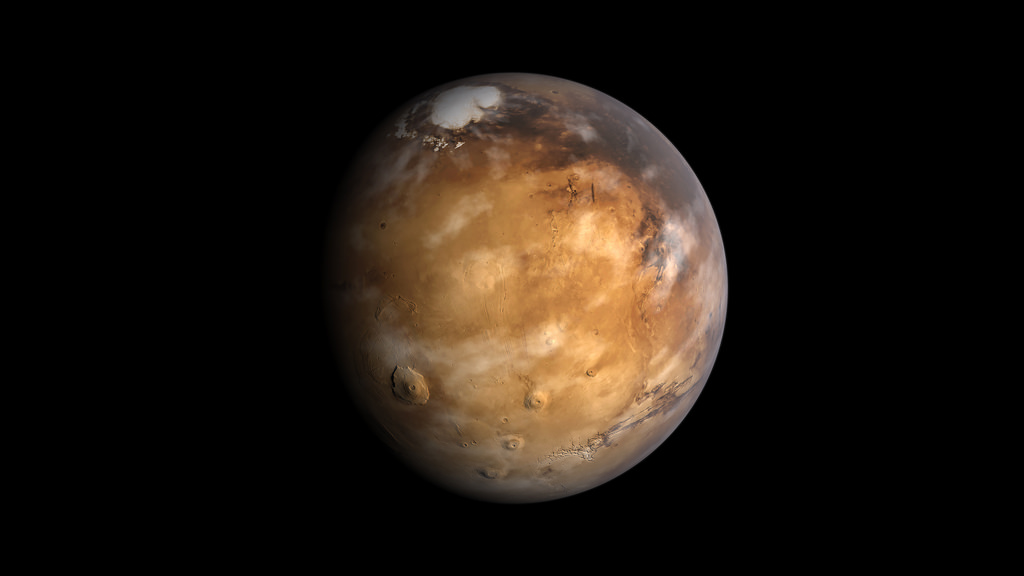
“It (could be) life Jim, but (perhaps) not as we know it.” This is not just a sci-fi catchphrase, but also something some planetary scientists have uttered in response to the discovery of methane in Mars’ atmosphere. That’s right – scientists believe that some kind of past or present microbial lifeform on Mars could have […]
Read more about How the ExoMars mission could sniff out life on Mars – and what to do next
Page 56 of 59


Explore

Undergraduate
Postgraduate
Policy
-
Follow us on Social media
-