OU News
News from The Open University
- Home
- Category: Science
Category: Science
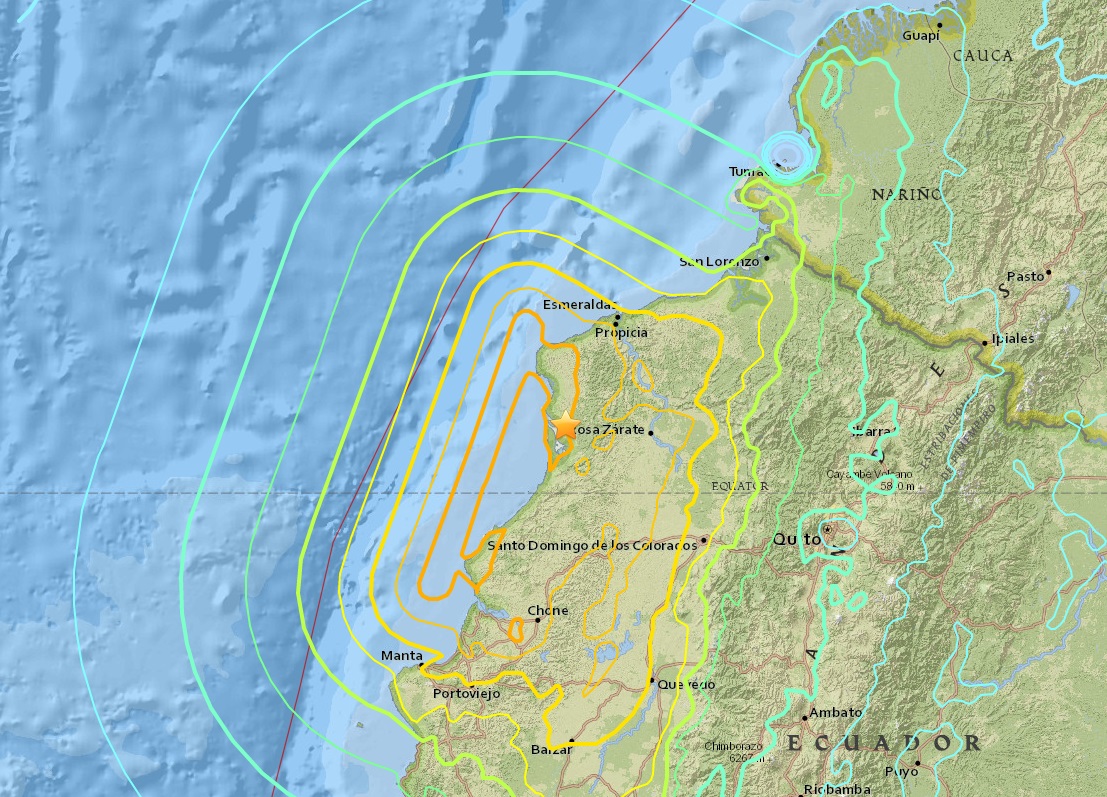
Ecuador and Japan earthquakes: Expert Comment
Earthquakes in Japan and Ecuador have resulted in widespread destruction and many deaths. David Rothery, Professor of Planetary Sciences at The Open University, says that Ecuador’s earthquake at its underground source was about 6 times stronger than in the magnitude 7.0 earthquake in southern Japan, and the total energy involved was probably about 20 times greater. […]
Read more about Ecuador and Japan earthquakes: Expert Comment

Gravitational waves, scientific theories and wobbly bits
In a style all of her own, Professor Monica Grady took part in a radio panel discussion covering everything from gravitational waves and scientific theories to wobbly bits. On Broadcasting House, the Radio 4 magazine style programme on Sunday mornings, Professor Grady was joined by fellow scientist Professor John Butterworth from University College London. They […]
Read more about Gravitational waves, scientific theories and wobbly bits
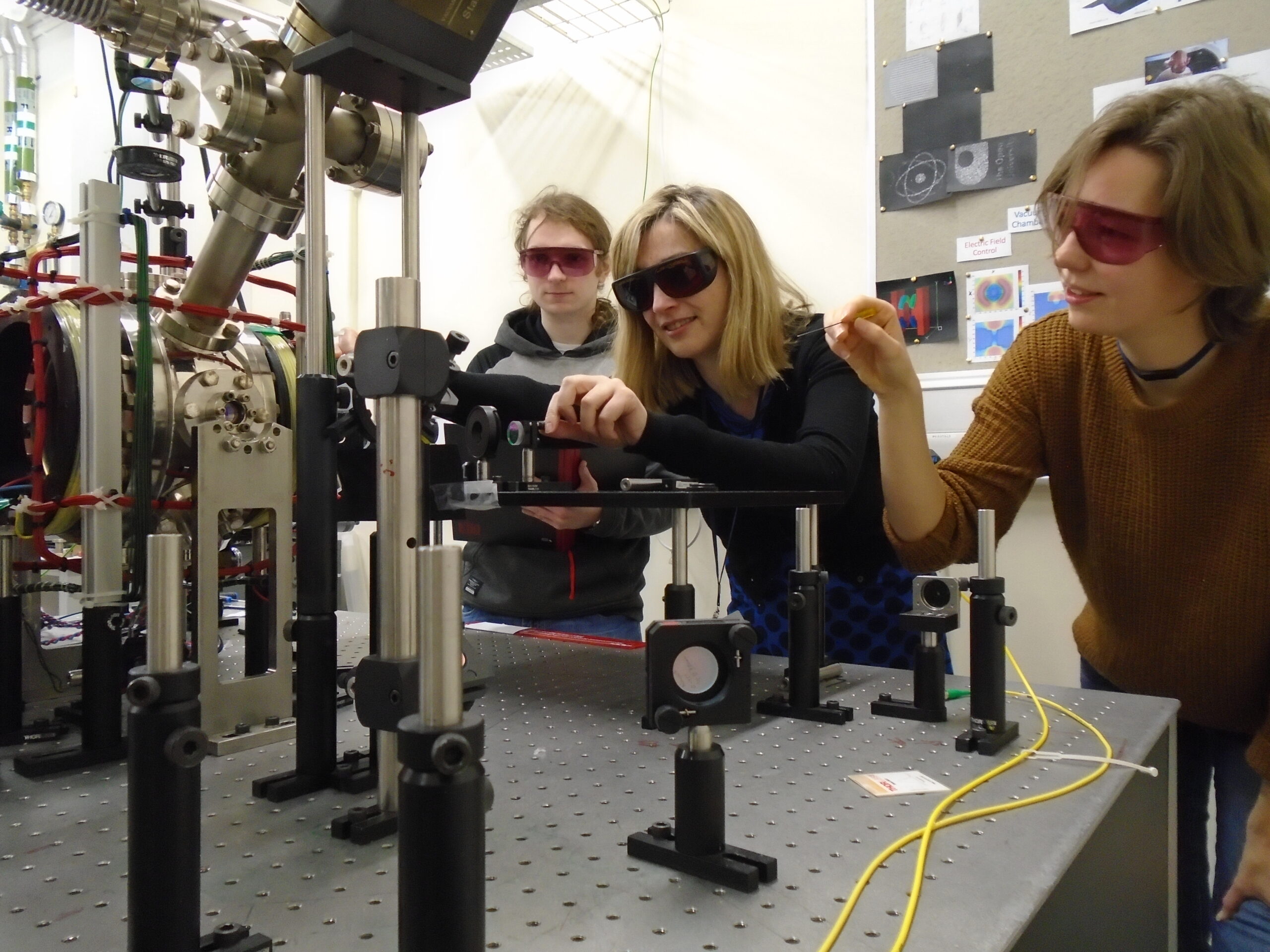
The OU Department of Physical Sciences receives top diversity award
The OU Department of Physical Sciences is one of just two departments from UK universities to receive a top award this week for its dedication to diversity and equality. The Institute of Physics’ (IOP) Project Juno Champion award recognises and rewards departments that promote gender equality. The OU Department of Physical Sciences has demonstrated its […]
Read more about The OU Department of Physical Sciences receives top diversity award
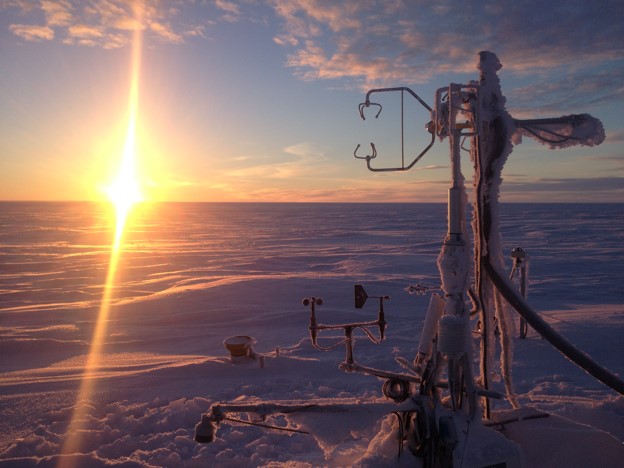
Methane emissions in Arctic cold season higher than expected
A major new study has found that, contrary to previous assumptions, the Arctic tundra releases at least as much methane during its cold season as it does during the summer. The study led by San Diego State University (SDSU) found that far more methane is escaping from Arctic tundra during the cold months when the […]
Read more about Methane emissions in Arctic cold season higher than expected
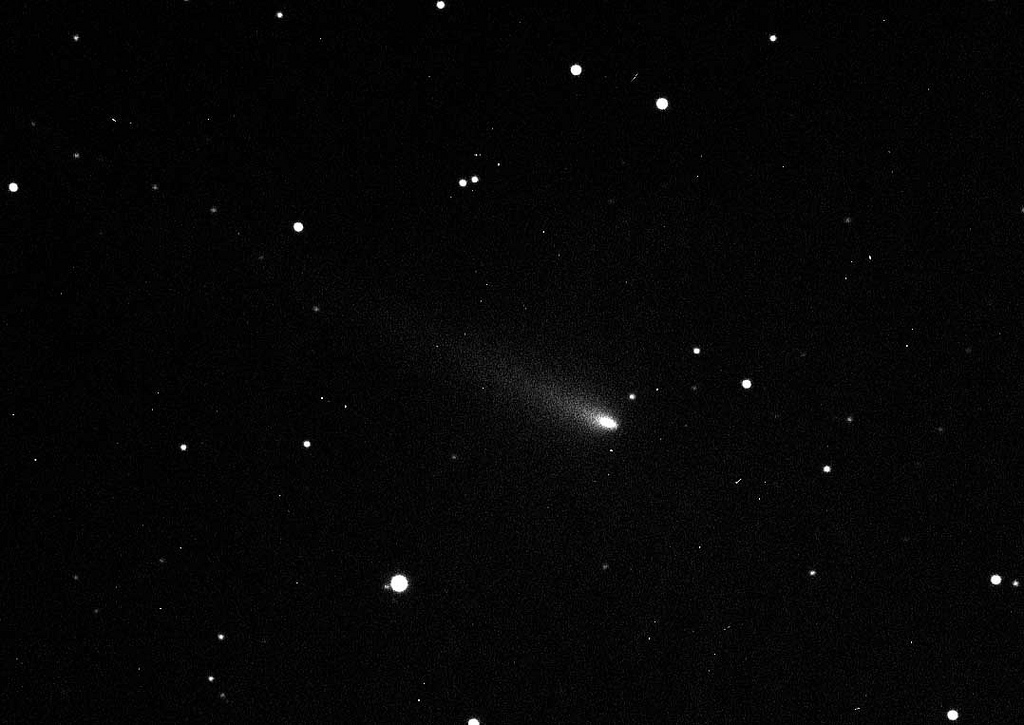
Is it a dwarf planet, an asteroid or a comet?
When Guiseppe Piazzi reported his observations of a minor planet in 1801, he originally thought it might be a comet. But follow-up observations by fellow astronomers suggested that Ceres was actually an asteroid. So it’s somewhat ironic that the latest results from NASA’s Dawn mission suggest this asteroid is confusingly similar to a comet. Dawn […]
Read more about Is it a dwarf planet, an asteroid or a comet?
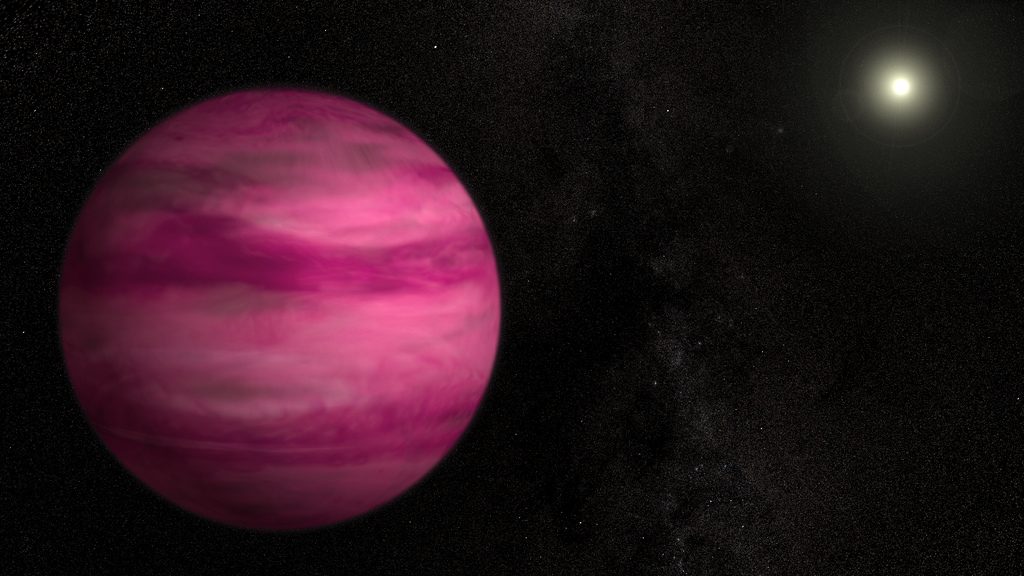
Twin civilisations? How life on an exoplanet could spread to its neighbour
Imagine two nearby exoplanets orbiting the same sun, each with its own indigenous civilisation. They’re going through history either as companionable neighbours or deadly rivals. This is a familiar situation in science fiction, but could it ever happen? With the rapidly growing number of habitable exoplanets being discovered, this scenario may seem plausible. Now a […]
Read more about Twin civilisations? How life on an exoplanet could spread to its neighbour
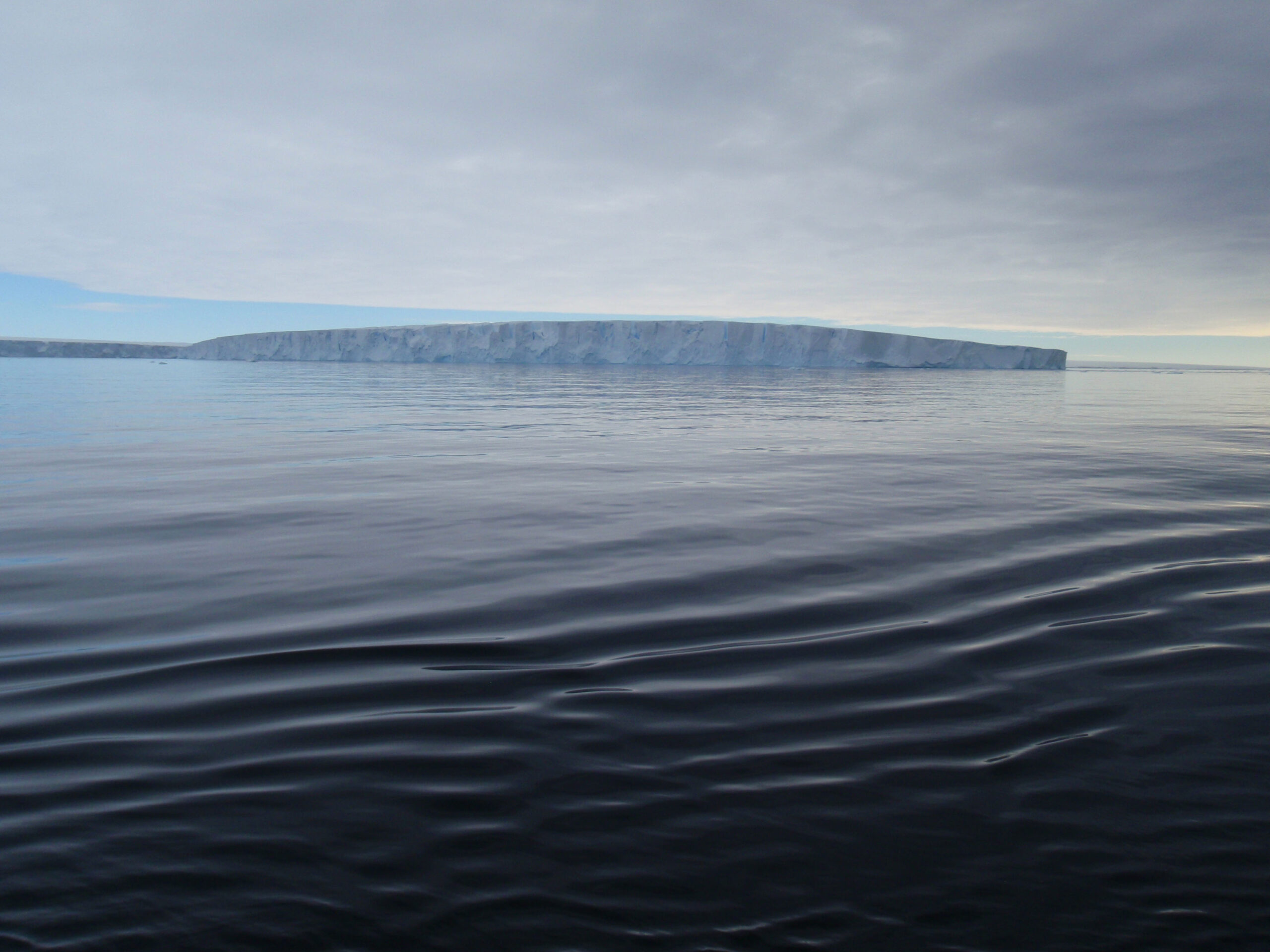
New research concludes sea-level rise may be slower than first thought
A new international study by scientists from the UK and France has concluded that, whilst melting ice in Antarctica will contribute to sea-level rise over the next century, the consequences may not be as serious as first thought. Published in the respected academic journal, Nature, the study predicts the consequences of the retreat of the […]
Read more about New research concludes sea-level rise may be slower than first thought
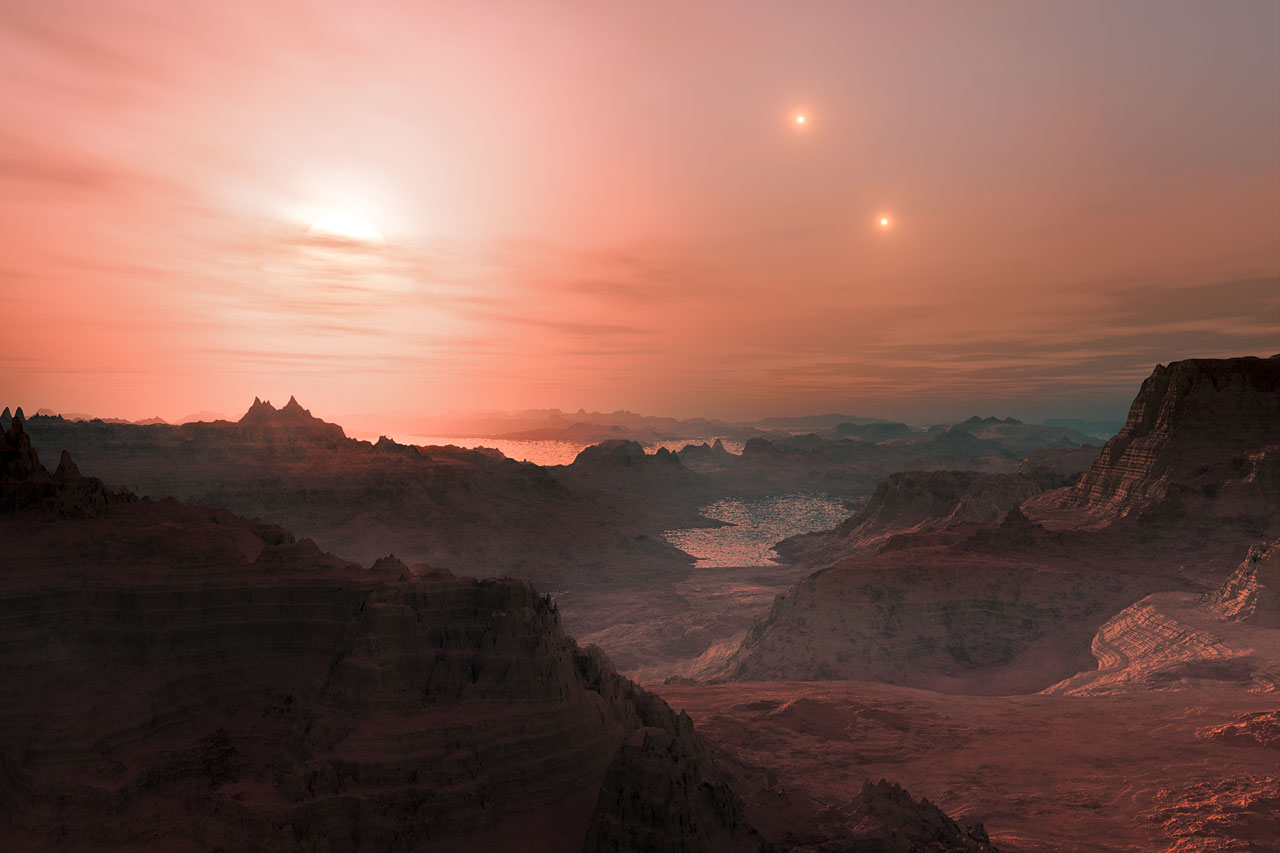
The five most Earth-like exoplanets (so far)
I’ve lost count of the number of times I’ve read that the “first Earth-like exoplanet” has been discovered. With nearly 2000 exoplanets found to date, it is no wonder so many of them will resemble our planet in some way. But which exoplanets are similar enough to the Earth that they could actually be habitable? […]
Read more about The five most Earth-like exoplanets (so far)
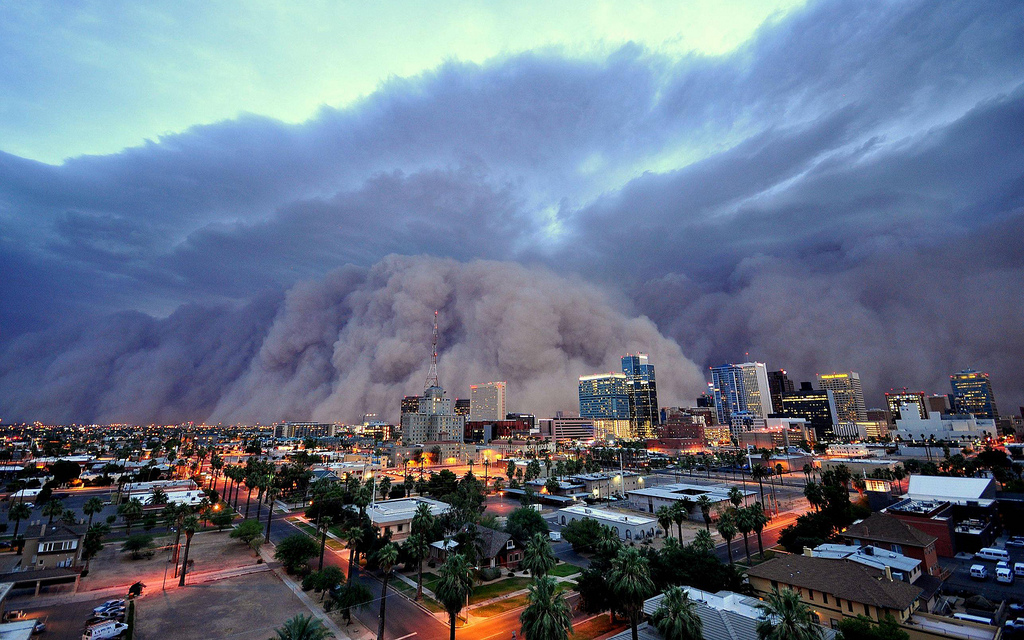
Seven spectacular weather events – and what causes them
The weather might seem like it creates weeks of dreary, grey drizzle. But it can also put on a truly sensational – and, often, deadly – show. But what explains these explosive events? The Earth’s atmosphere is driven by heating from the Sun. Weather is the response of the atmosphere to the uneven pattern of […]
Read more about Seven spectacular weather events – and what causes them
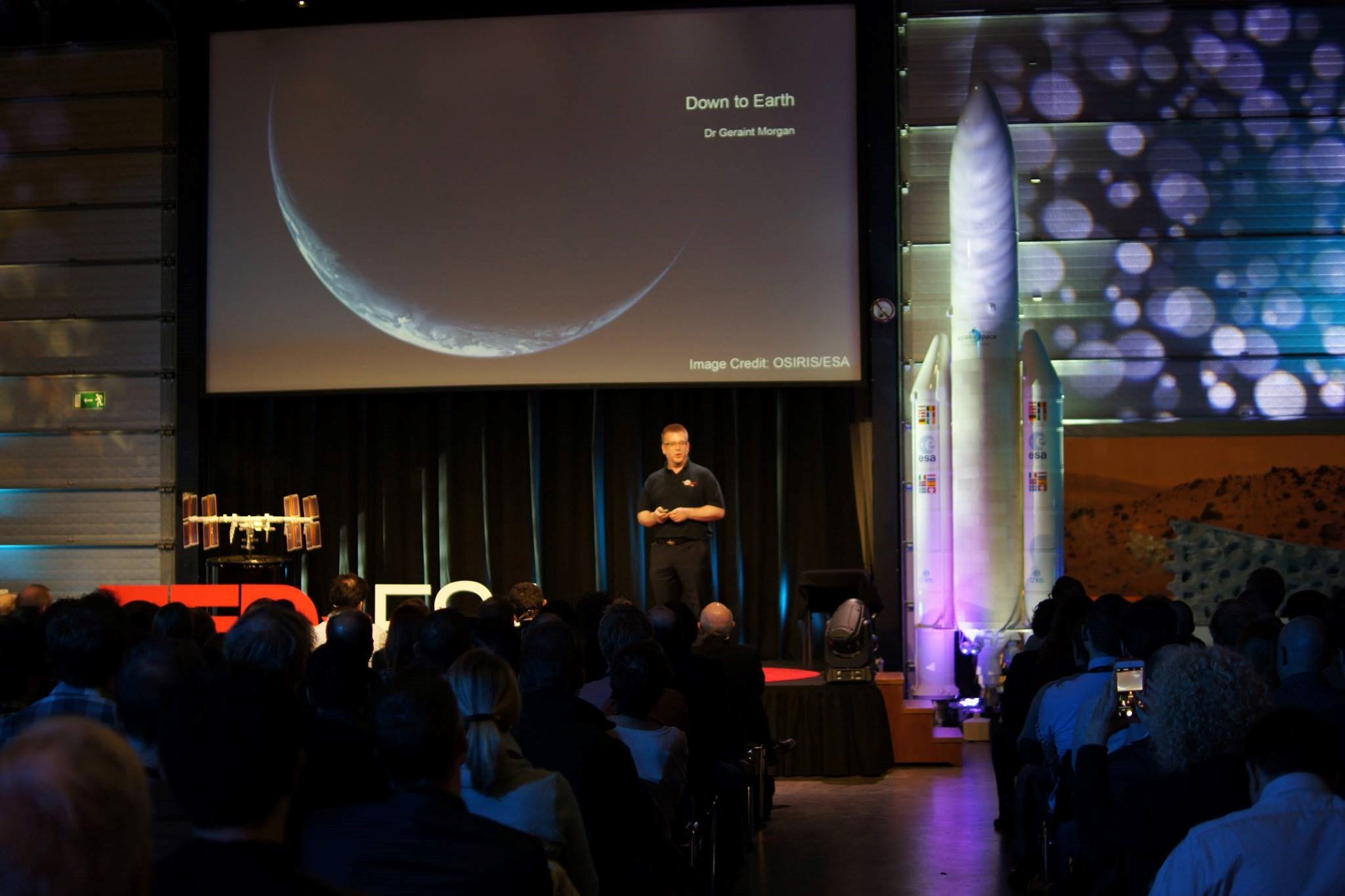
Science Beyond Fiction: OU researcher speaks at first TEDxESA Conference
OU researcher from the Faculty of Science, Geraint (Taff) Morgan, was one of 12 keynote speakers at the launch of the first ever TEDx and European Space Agency (ESA) event. In his speech, entitled Down to Earth, Taff explored how technology from the Philae lander can be translated to daily life to uncover bedbugs in […]
Read more about Science Beyond Fiction: OU researcher speaks at first TEDxESA Conference
Page 12 of 13


Explore

Undergraduate
Postgraduate
Policy
-
Follow us on Social media
-