OU News
News from The Open University
- Home
- Open University welcomes Education Committee call to put reading for pleasure at the heart of education
Open University welcomes Education Committee call to put reading for pleasure at the heart of education
Posted on • Education, languages and health
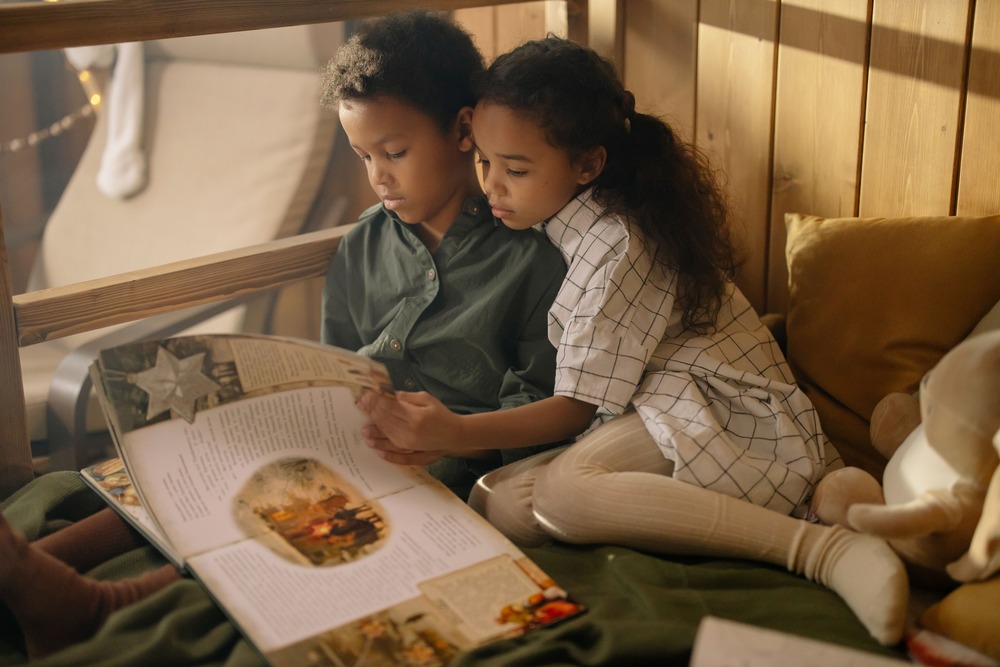
The Open University has welcomed the Education Committee’s report on Reading for Pleasure, describing it as an important step forward in recognising the vital role that reading enjoyment plays in children’s educational success, wellbeing and personal development.
The report, published on 17 July, calls for a National Reading Guarantee, a library in every secondary school, greater support for reading in the early years and long-term action to reverse the decline in children reading for pleasure.
For almost two decades, Open University researchers have helped build the evidence showing that reading for pleasure supports children’s attainment, wellbeing, empathy and lifelong learning. Working alongside schools, teachers, libraries, charities and literacy organisations, they have played a significant role in advancing the reading-for-pleasure movement and embedding its principles in educational policy and practice.
The University says the Committee’s findings reflect many of the themes highlighted by its researchers during the inquiry, including the need to balance reading proficiency with reading enjoyment, support teachers and early years practitioners to foster reading for pleasure, and create rich reading cultures both in and beyond the classroom.
Professor Teresa Cremin CBE, Professor of Education (Literacy) at The Open University, said:
“We are delighted that the Committee has recognised reading for pleasure as a powerful force for educational and social change. At The Open University’s Literacy and Social Justice Centre, we have seen how access to books, stories and rich reading communities can help tackle inequalities and support children to thrive. We look forward to continuing our work with government, literacy organisations and educators to make reading for pleasure a reality for every child.”
The Committee’s report warns that current approaches to reading place too much emphasis on proficiency and assessment at the expense of reading enjoyment. Researchers have long argued that while learning to read is essential, developing a love of reading is equally important if children are to become lifelong readers.
Evidence submitted by OU academics highlighted the importance of shared reading experiences, access to books and libraries, and supporting children to develop positive reading identities. They also stressed that reading for pleasure is not created through one-off activities, but through sustained and meaningful engagement with books, stories and other readers within vibrant reading communities.
Dr Helen Hendry, Senior Lecturer in Education at The Open University, said:
“It’s heartening that the Committee highlights the significant value of informal, social and playful reading experiences. I welcome their recommendations and especially hope the government will review guidance for early years practitioners and student teachers, focusing on supporting a developmentally appropriate balance of reading skills and enjoyment.”
The report also reflects several areas of the University’s research and practice, including work on reading for pleasure pedagogy, teacher development and the Open University’s Reading Schools Programme, now in its 8th year which has supported over 400 schools across the UK to develop reading cultures that encourage children to see themselves as readers.
Professor Teresa Cremin, Professor of Education (Literacy), and Dr Helen Hendry, Senior Lecturer in Education, were two of the six academics who contributed oral evidence to the inquiry. The OU was involved in 6 written submissions, for example with the UK Literacy Association drawing on evidence from the OU/UKLA Reading for Pleasure Quality Mark.
The report recognises that reading for pleasure should be embedded throughout children’s lives, from the early years onwards, and that schools, families, libraries and communities all have a role to play in nurturing readers.
The Open University hopes the report will help build momentum behind the government’s National Year of Reading and support long-term, evidence-informed action to ensure every child has the opportunity to become a reader for life.
Picture credit: cottonbro studio on Pexels


Explore

Undergraduate
Postgraduate
Policy
-
Follow us on Social media
-