OU News
News from The Open University
- Home
- From monkey glands to ‘young blood’: the long, strange history of chasing immortality through transplants
From monkey glands to ‘young blood’: the long, strange history of chasing immortality through transplants
Posted on • Science, maths, computing and technology
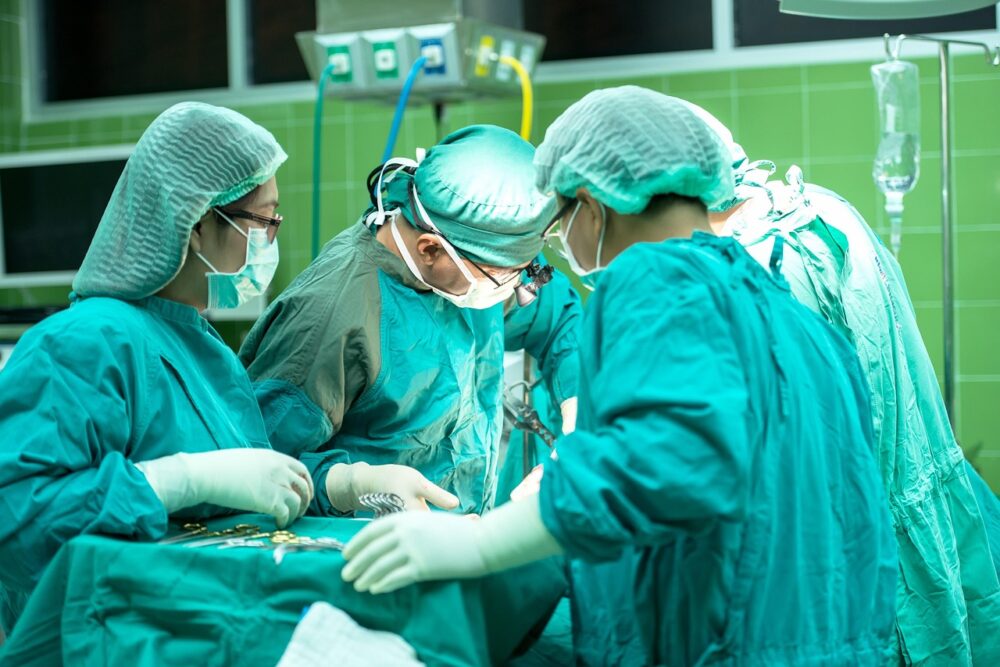
When Russian president Vladimir Putin visited Beijing in September 2025, he told Chinese leader Xi Jinping that repeated organ transplants might make a person “get younger” and even live to 150, says Dan Stratton, Lecturer Biomedical Health Science, The Open University. The remark was widely dismissed as science fiction.
Yet it coincided with genuine scientific progress. Just days earlier, researchers had identified a molecular “switch” that could reduce one of the most common complications in liver transplants, helping donated organs survive longer.
That breakthrough highlights both the promise and limits of transplant medicine. While science continues to improve the odds of saving lives by replacing failing organs, the idea of swapping body parts to slow ageing remains closer to gothic horror than medical reality.
The dream of replacing body parts to restore youth is not new. In the early 20th century, “monkey gland” transplants – grafts of monkey testicles – briefly became fashionable among wealthy men chasing renewed virility.
A century later, tech entrepreneur and self-described biohacker Bryan Johnson has revived that quest for eternal youth through blood-based treatments such as blood plasma transfusion. This involves injecting blood plasma concentrated with platelets to promote healing and regeneration, or transfusing “young blood” – plasma taken from healthy younger donors – into older recipients in the hope of slowing ageing.
Read the full article on The Conversation
Picture credit: Sasint on Pixabay


Explore

Undergraduate
Postgraduate
Policy
-
Follow us on Social media
-