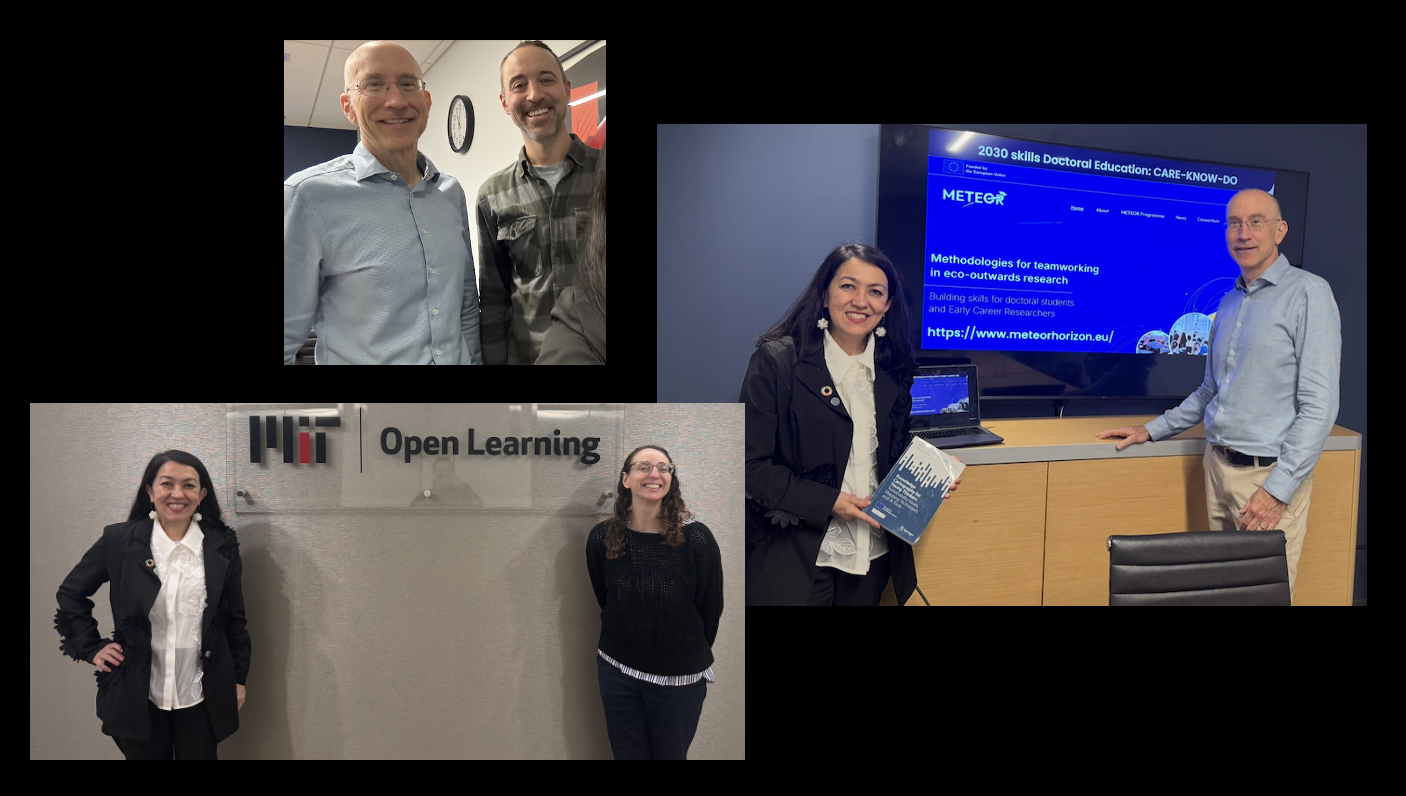

Over the past few months, a number of conversations, publications and events have started to reconnect around a common theme: how we can rethink AI, education and research in response to the complex challenges of our time.
The emerging language of polycrisis, systems thinking and relational intelligence is providing an important lens for understanding why technological innovation alone is not enough. Initiatives such as Polycrisis.org, the Meta-Relationality Institute, and the Club of Rome’s Young Person’s Guide to Systems Change all point towards the need for more systemic, interconnected and participatory approaches to knowledge and decision-making.
Within this context, conversations on Empowering Indigenous People to Design AI, alongside recent conferences at UCL and Paris, highlight a growing recognition that AI should not simply be designed for communities but with them. Indigenous knowledge systems, relational ways of knowing and community-led innovation offer valuable perspectives for developing more equitable and sustainable AI.
These ideas also resonate with current work on educational transformation. Recent discussions on Conversational AI as Thinking Partners in the Age of Polycrisis explore how AI can support dialogue, reflection and collective intelligence rather than simply automate tasks. Similarly, emerging work on frugal AI reminds us that sustainable, accessible and resource-conscious AI may be just as important as increasingly large and expensive models.
At the same time, research on the professional learning of academic researchers reinforces the importance of continuous learning, collaboration and reflective practice throughout research careers. My recent review of the Limits to Growth debate also revisits longstanding questions about sustainability and planetary boundaries, which remain highly relevant as AI becomes embedded across society.
Although these developments originate from different communities, they appear to be converging around a shared agenda: designing AI that is relational rather than merely computational, supporting learning that is systemic rather than fragmented, and fostering innovation that is socially, culturally and environmentally sustainable. The challenge ahead is not simply building more powerful AI, but cultivating wiser forms of intelligence that help us navigate an increasingly interconnected world.
Some important links from a conversation with Simon Buckingham Shum
Meta-Relationality Institute navigating systemic unraveling through relational distributed intelligence https://abundant-intelligences.net/
Teaching young people about systems thinking, in case relevant ? https://www.clubofrome.org/wp-content/uploads/2025/03/2025-Young-Persons-Guide-to-Systems-Change-The-50-Percent-1MB-compressed.pdf
Multiple global crises are worsening one another to produce what many policymakers, scholars, and commentators call a “polycrisis”. https://polycrisis.org
Developing Researchers’ Competencies through CARE–KNOW–DO and upSKILL.map, aligned with EU and UNESCO Priorities
https://open-research-europe.ec.europa.eu/articles/5-333
Limits Revisited – a review of the limits to growth debate provided by: https://limits2growth.org.uk
Gopalan, Y., Buckingham Shum, S., & Boud, D. (2025). The professional learning of academic researchers through their career. Studies in Higher Education, 51(6), 1273–1290. https://doi.org/10.1080/03075079.2025.2505932
AI unplugged sounds like “Frugal AI”
Girdhar, N., Raj, A., Sharma, D., Singh, V., Doucet, A., & Renz, M. (2025). A comprehensive review of frugal artificial intelligence: challenges, applications, and the road to sustainable AI. Soft Computing, 29(13), 4823-4856. https://doi.org/10.1007/s00500-025-10854-y
Some links provided by Simon Buckingham Shum
-
New chapter with Anna and Lucas, which includes examples from their new platform bCause
-
Co-designing AI tools with Indigenous people: work from my former postdoc Roberto
-
A new paper under review for this ECTEL workshop Critical and More-than-human Perspectives on AI in Education I’m co-chairing, which reflects my growing interest in the “more-than-human” turn in many research and design fields, as we come to understand how entangled all systems are. This is written Sharon Stein (UBC), a longstanding collaborator of Vanessa Andreotti (who gave a CIC webinar to UTS if you want to see her in action: Repurposing the University in Times of Social and Ecological Breakdown)
As humanity struggles with the complexity of the global polycrisis, AI can work with us as a new kind of co-enquirer. It can “augment human intellect”, to use Doug Engelbart’s prescient language from the 1960s. Dialogue for learning is hardly a new idea, so I want to propose that as conversational thinking partners, AI can stretch learners, surfacing implicit assumptions, and offering alternative perspectives for critical reflection. We can now ‘graft’ one AI’s personality onto another, and converse with a book/project via agents embodying the authors’ worldview. Could AI as reflective thinking partners help equip students for the societal disruptions that climate change and biodiversity collapse are bringing? What notions of academic integrity are fit for a future of AI-extended minds? I look forward to engaging in dialogue with you…
Bio
Simon Buckingham Shum is Professor of Learning Informatics at the University of Technology Sydney, which he joined in 2014 as inaugural Director of the Connected Intelligence Centre (CIC). CIC is a transdisciplinary innovation centre inventing, piloting, evaluating and scaling data-driven personalised feedback, using human-centred design principles. Prior to this he was at The Open University’s Knowledge Media Institute, and University of York, UK. Simon’s career-long fascination with software’s ability to make thinking visible has seen him active academically in fields including Hypertext, Design Rationale, Open Scholarly Publishing, Computational Argumentation, Computer-Supported Cooperative Work, Educational Technology, Learning Analytics and AI for Education. A co-founder of the field of Learning Analytics, most recently he has been contributing to institutional and sector-wide responses to generative AI. Simon’s background in Psychology (B.Sc.), Ergonomics (M.Sc.) and Human-Computer Interaction (Ph.D.) always draws his attention to the myriad human factors that determine the effective adoption of new tools for thought, and the kinds of futures they might create at scale.
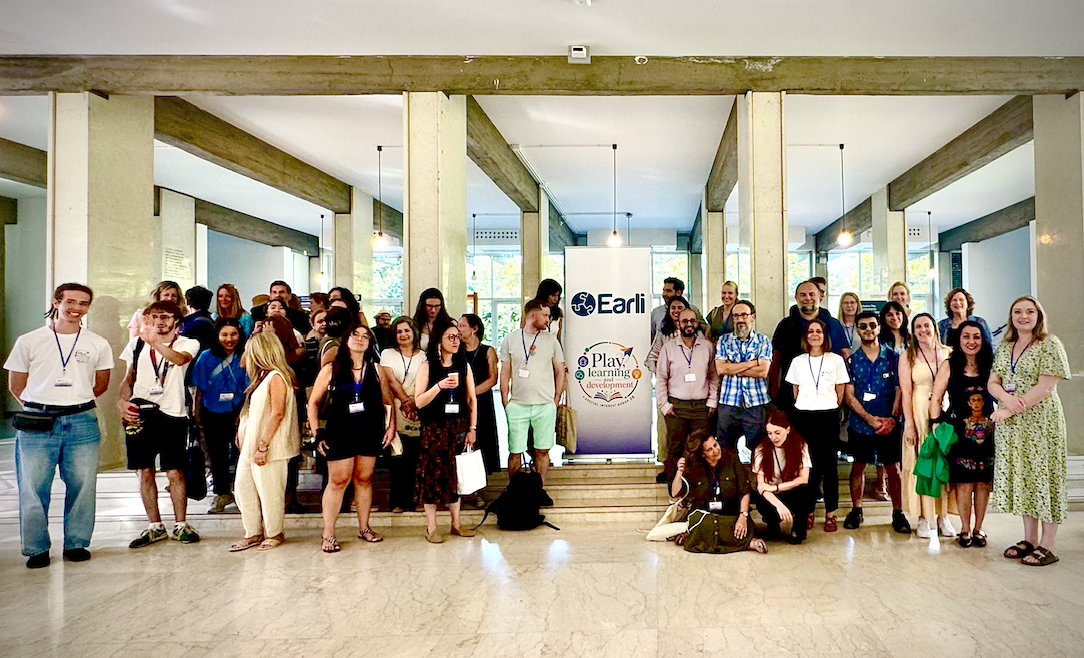 Photo 1: EARLI SIG 28, 2026
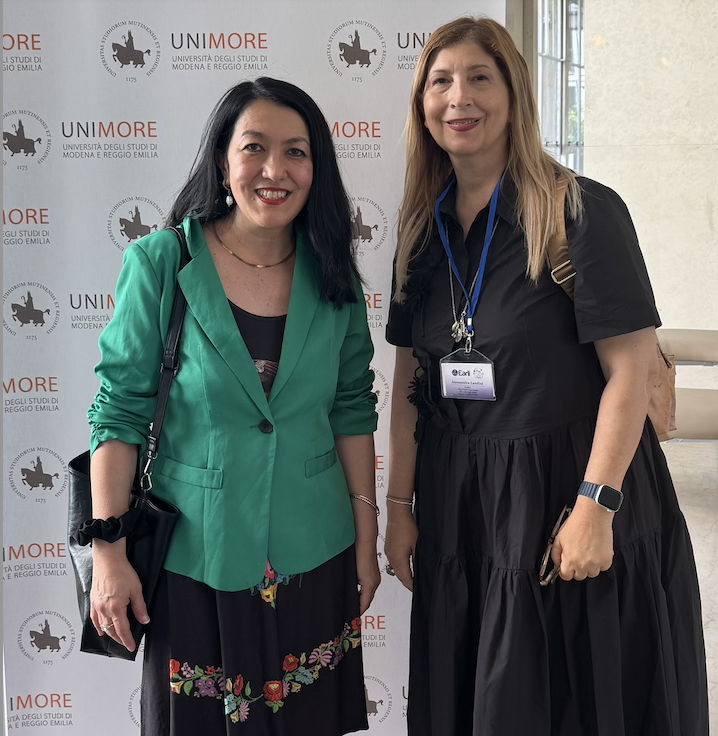 Photo 2: Alexandra Okada, Rumpus co-Director, and Alessandra Landini, Principal in Reggio Emilia and member of the Board of Directors of Reggio Emilia Municipal Schools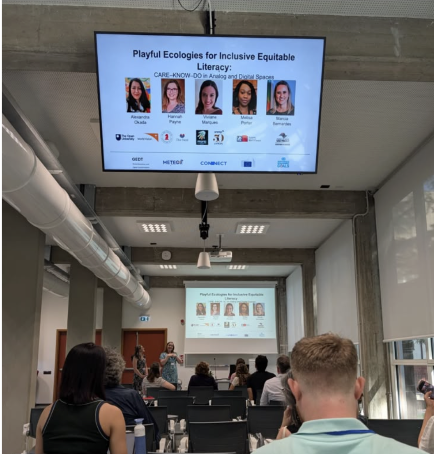
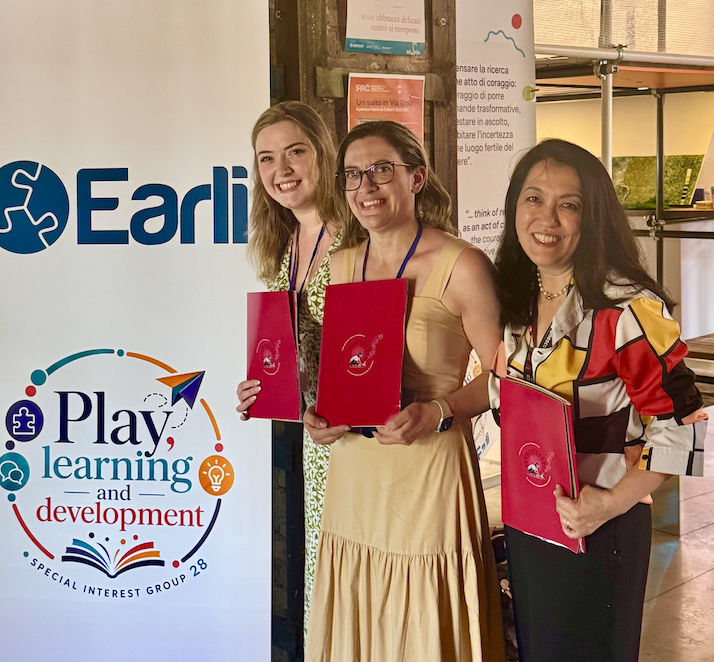
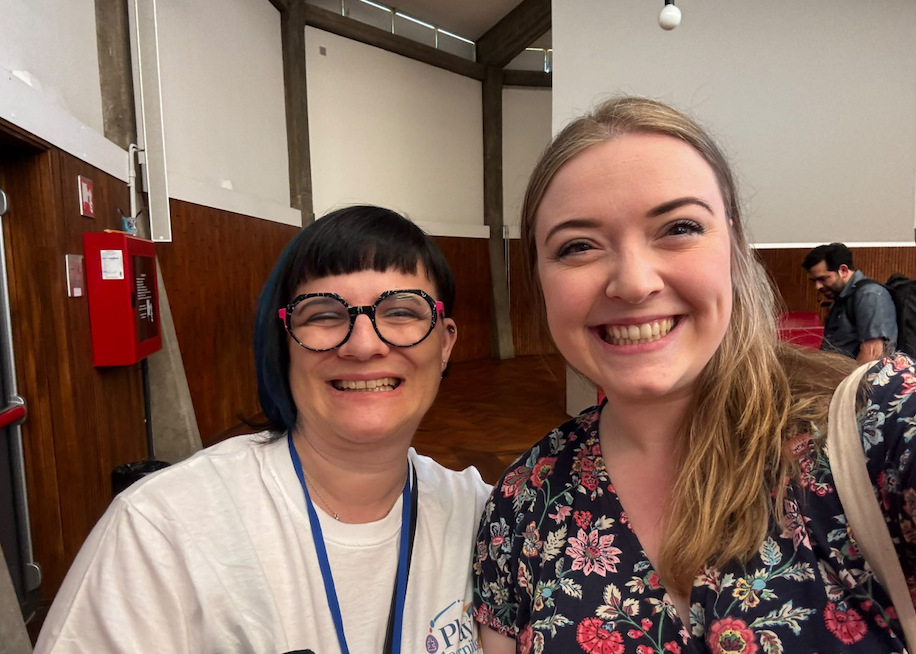
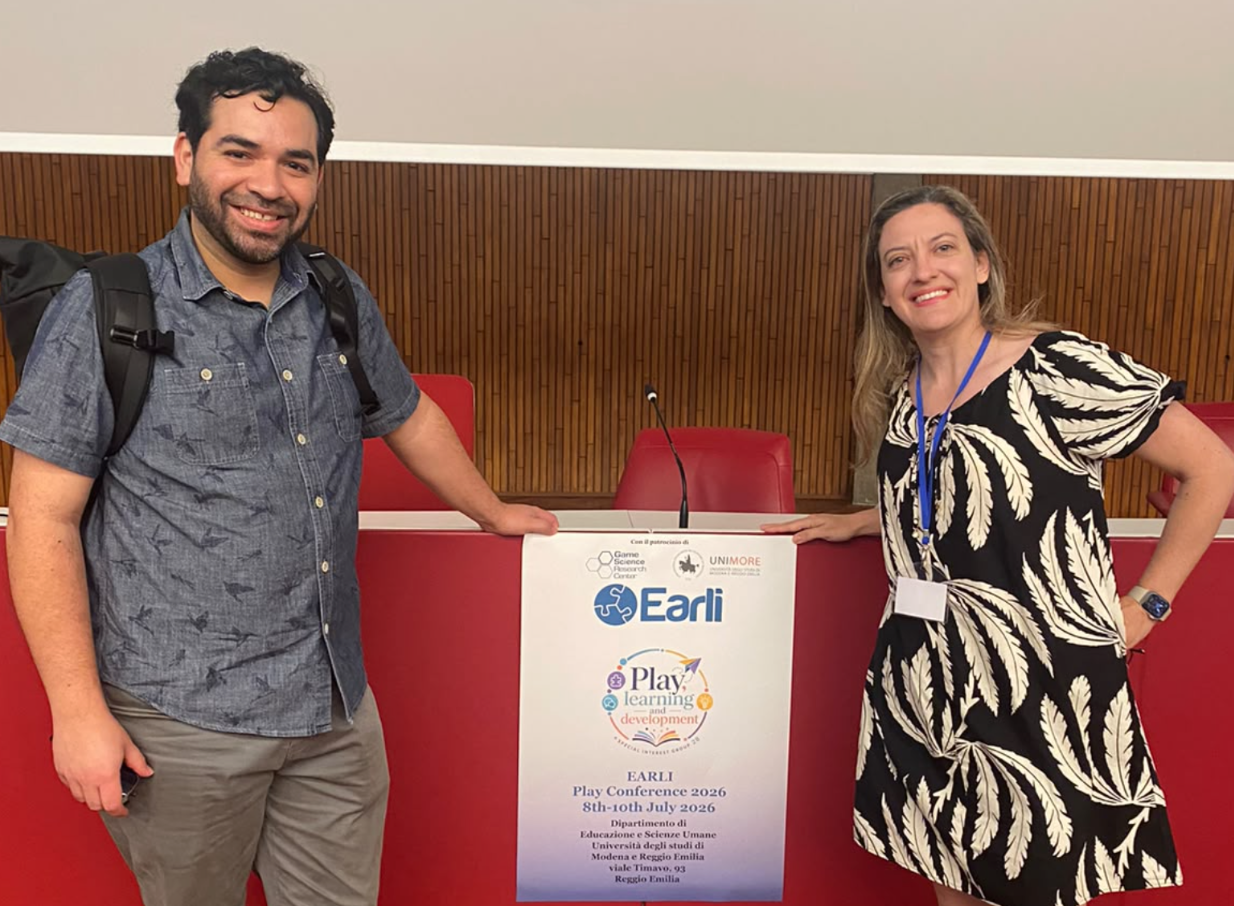 Photo 6: Dr Pablo Torres — EARLI SIG 28 Coordinator (Play, Learning and Development), Faculty of Education, Pontificia Universidad Católica de Chile and Viviane Marques (Rumpus Researcher, Teachers’ Professional Development Specialist and Early Years Educator)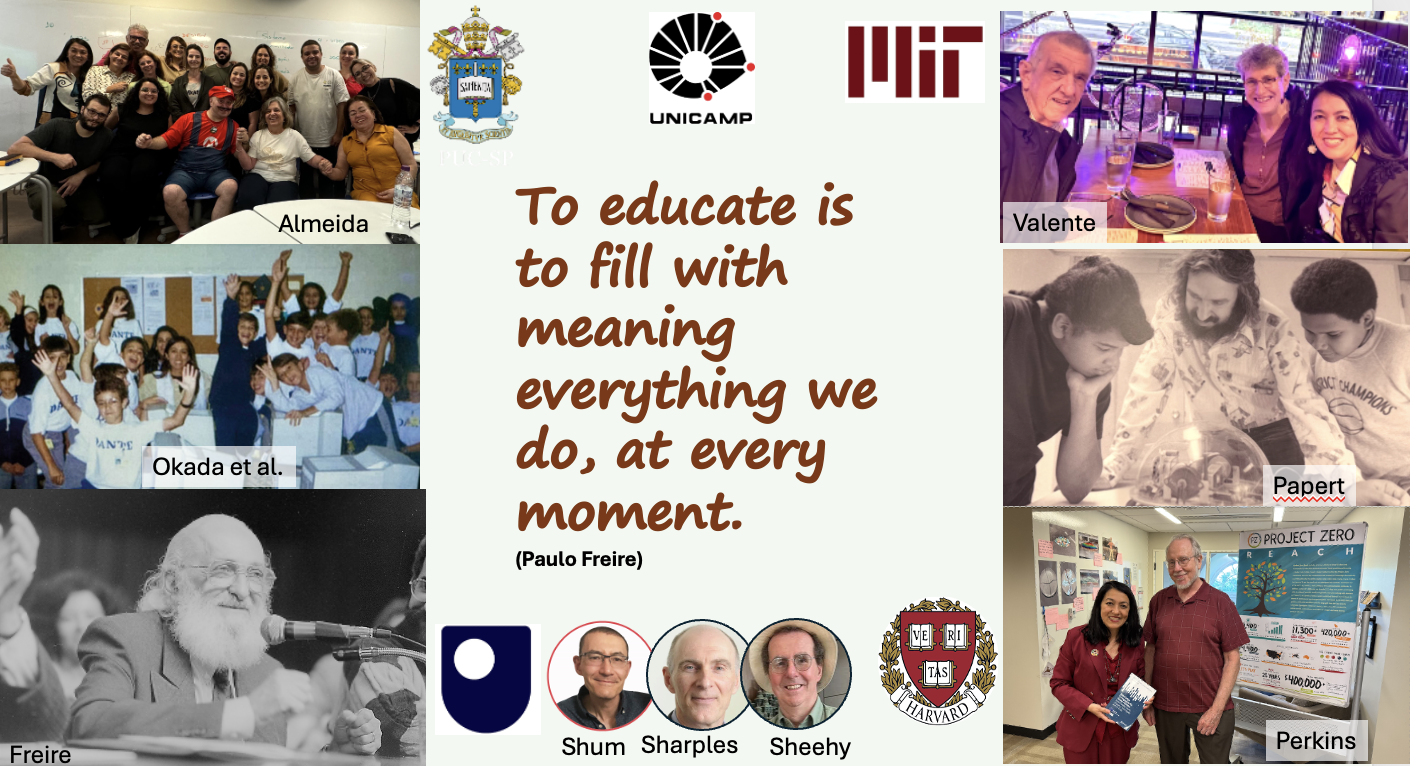
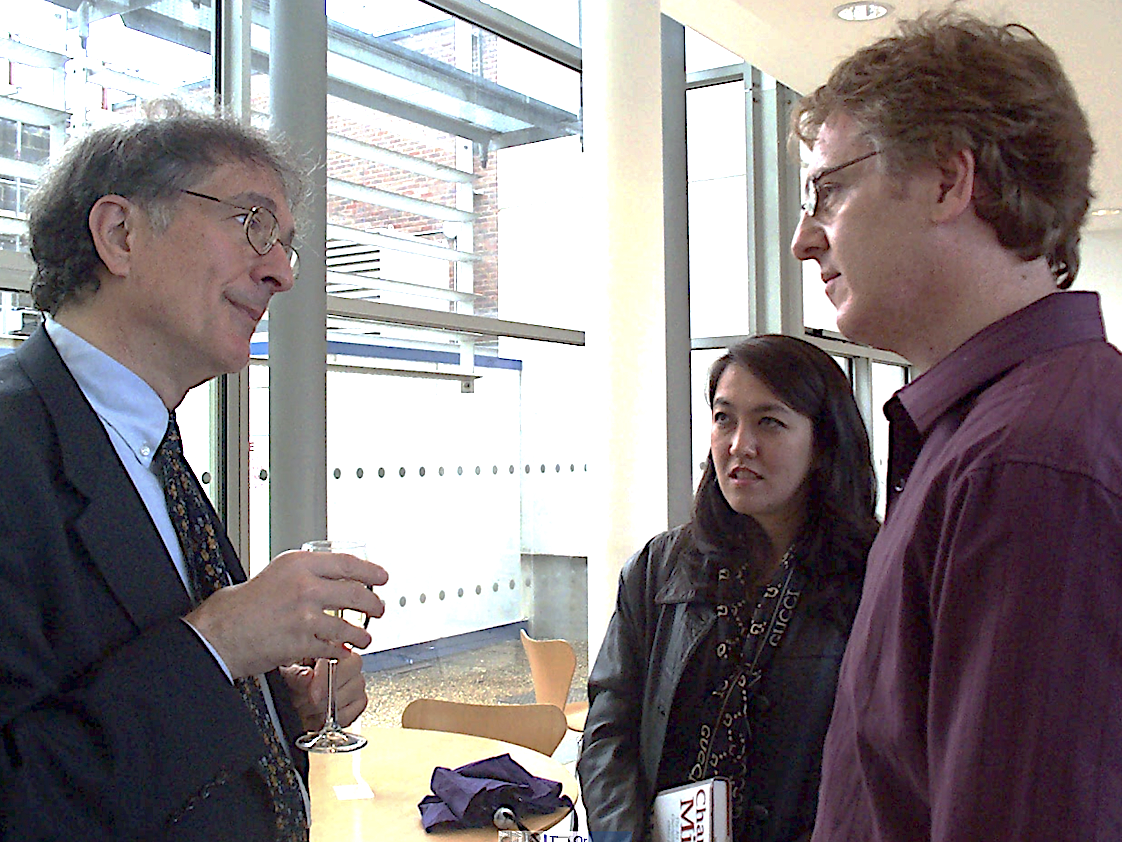 Image 1: Howard Gardner, Alexandra Okada and Tony Sherborne at The Open University UK
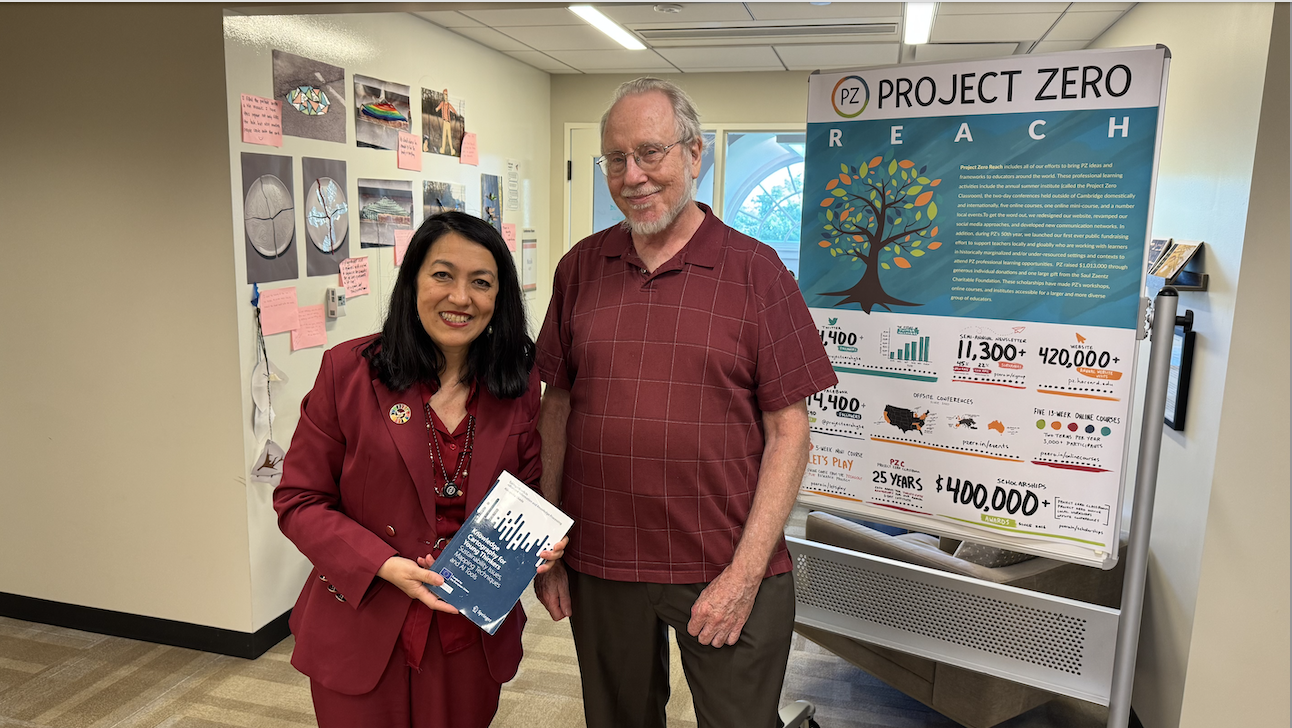 Image 2 Alexandra Okada and David Perkins at Harvard University, USA
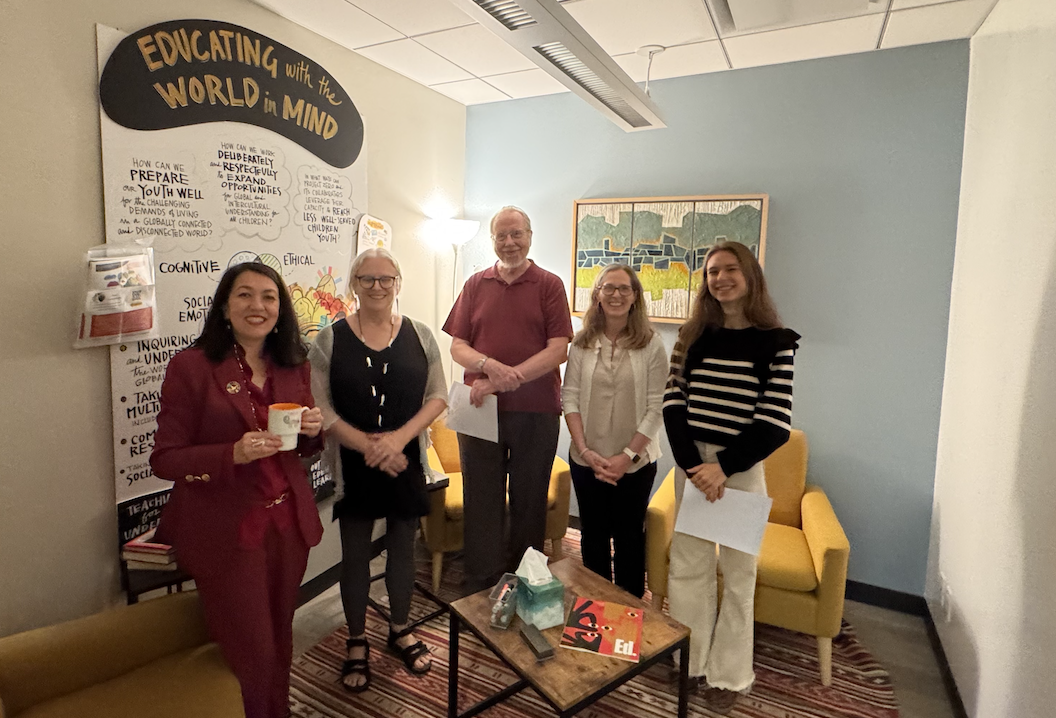 Image 3: Project Zero Team – Educating with the world in mind as well as “heart and soul!”