Thinking Aloud: Ethical Research

Shafquat Towheed, Senior Lecturer in English
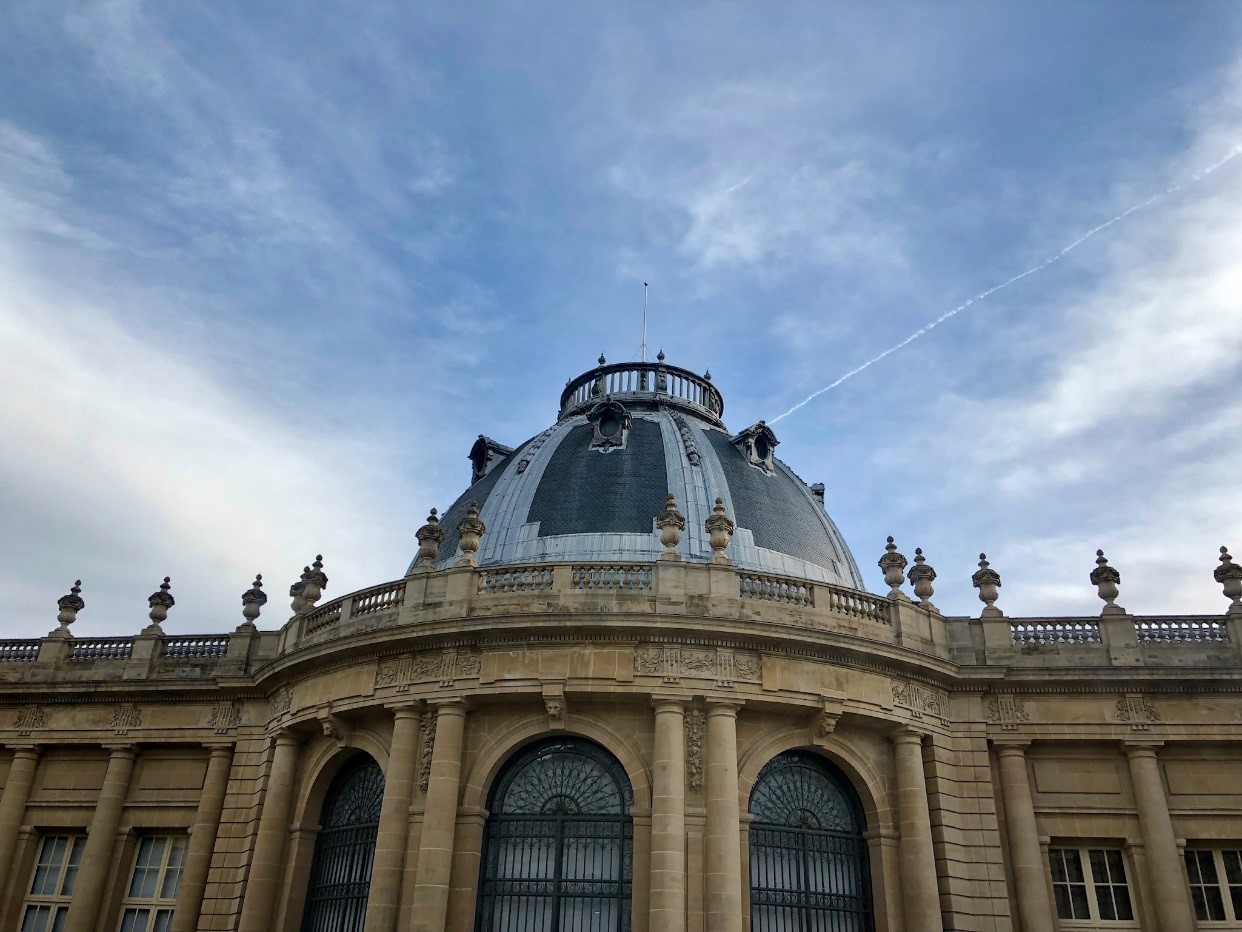
[Image 1: The Africa Museum, Tervuren, Belgium]

‘In a very few hours, I arrived in a city that always makes me think of a whited sepulchre’, said Conrad’s Marlow about his return to Brussels in Heart of Darkness (1899). Following in Marlow’s (and Conrad’s) footsteps and carrying with me a well-thumbed copy of Joseph Conrad’s Heart of Darkness to re-read on the journey, I recently stopped in Brussels on the way to Africa. For me, this was a trip with special significance, for perhaps more than any other single work, it was Conrad’s searing indictment of colonial exploitation, fashioned in the form of a quest romance, which first introduced my teenage mind to the possibilities of literary fiction. Before encountering Conrad, as a child I had been an avid reader of encyclopaedias, National Geographic magazine, books of adventure and factual travel writing, but not of high ‘literary’ fiction. In essence, Conrad was my introduction to the literary canon.

I had been waiting to visit the now rebranded Africa Museum (formerly the Royal Museum for Central Africa) in Tervuren, just outside Brussels, for a long time. The Africa Museum is the largest single collection of objects, artefacts and archives relating to Central Africa (Congo, Rwanda and Burundi) anywhere in the world, with over 10 million zoological specimens, 170,000 photos, 120,000 ethnographic items, 8,000 musical instruments and some 3 kilometres of historical archives; only 1% of the collection is on permanent display. Initially conceived as a propaganda exercise for the Brussels International Exposition of 1897, the museum moved to its grandiose, purpose built palace (modelled on the Petit Palais in Paris) in 1910.

The collection represents in material form, the staggering acquisitiveness of high 19th century European colonialism: the stolen natural and manmade treasures of Central Africa on display at the heart of Europe, a display that has been called ‘a monument to the worst excesses of European plunder’. Even more disturbingly, during the Belgian colonial period, human exhibits were a standard feature of the museum; Congolese men and women brought to ‘animate’ the collections during colonial expositions lie buried in unmarked graves in its grounds.

Over the course of the last decade the museum has been the subject of an extensive refurbishment, opening on 8 December 2018 after a five year period of closure. The refurbishment (and indeed, the reimagining) of the museum was long overdue; the Royal Museum of Central Africa had become an embarrassingly large colonial relic.
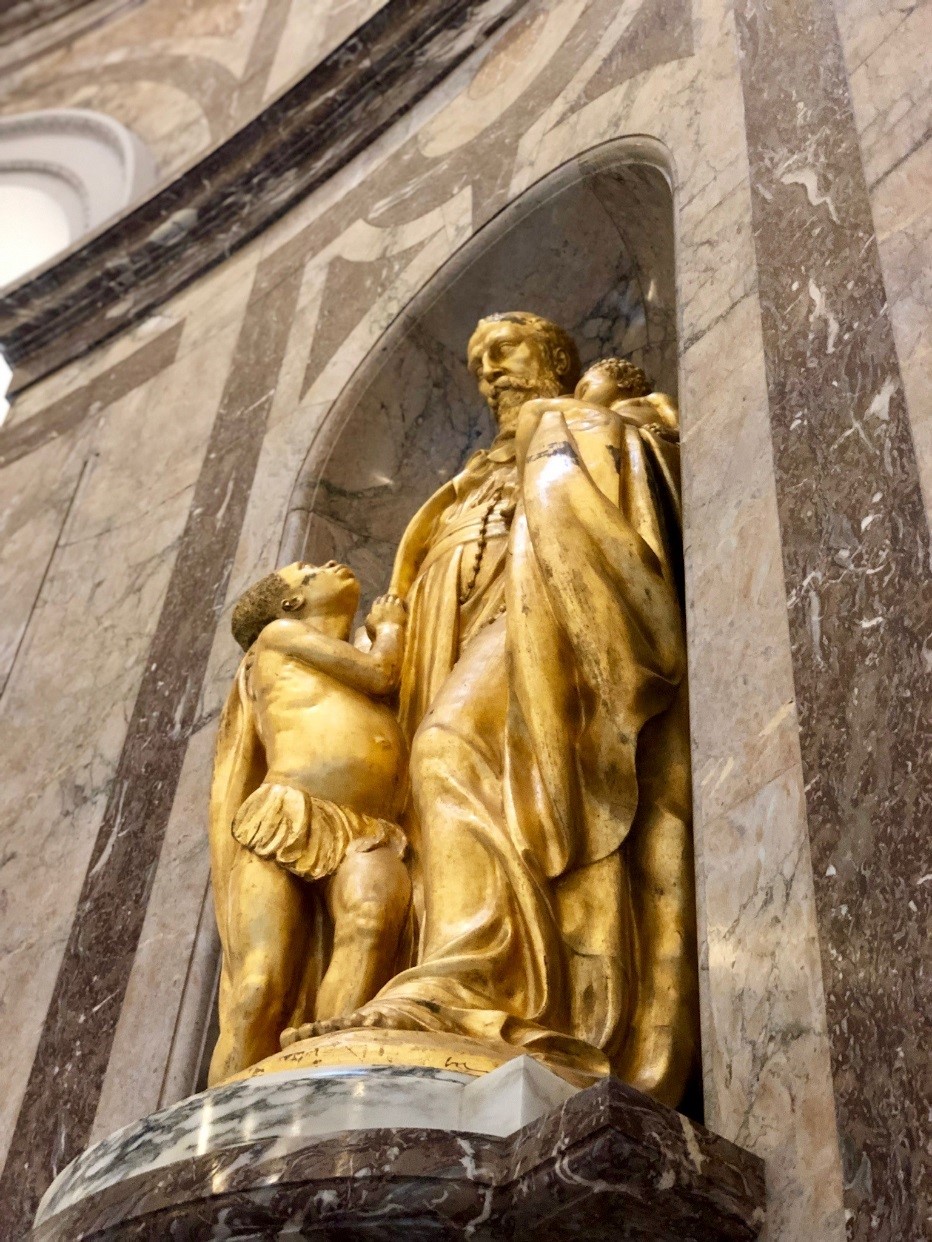
[Image 2: gilded statue of King Leopold II inside the Africa Museum]

Nothing can disguise the naked paternalism and casual assumption of racial superiority at the heart of King Leopold’s venture, demonstrated most viscerally in the gilded statutes of the Belgian monarch engaged in the civilising mission that dot the marble clad interior of this palace museum. But the refurbished museum is now making a start at acknowledging some of the unpalatable truths from which visitors had been shielded for over a century. As Adam Hochschild’s King Leopold’s Ghost (1998) has shown a century after Conrad, the sheer brutality of forced labour in the Belgian Congo resulted in the deaths of over 10 million people and has been called a ‘hidden holocaust’. The Africa Museum now features a new educational centre and information that begins the conversation about how an archive such as this, constructed as an unrepentant celebration of imperialism, can be used to interrogate and confront in the past – and be of relevance to new, multicultural generations growing up in Europe’s political capital.
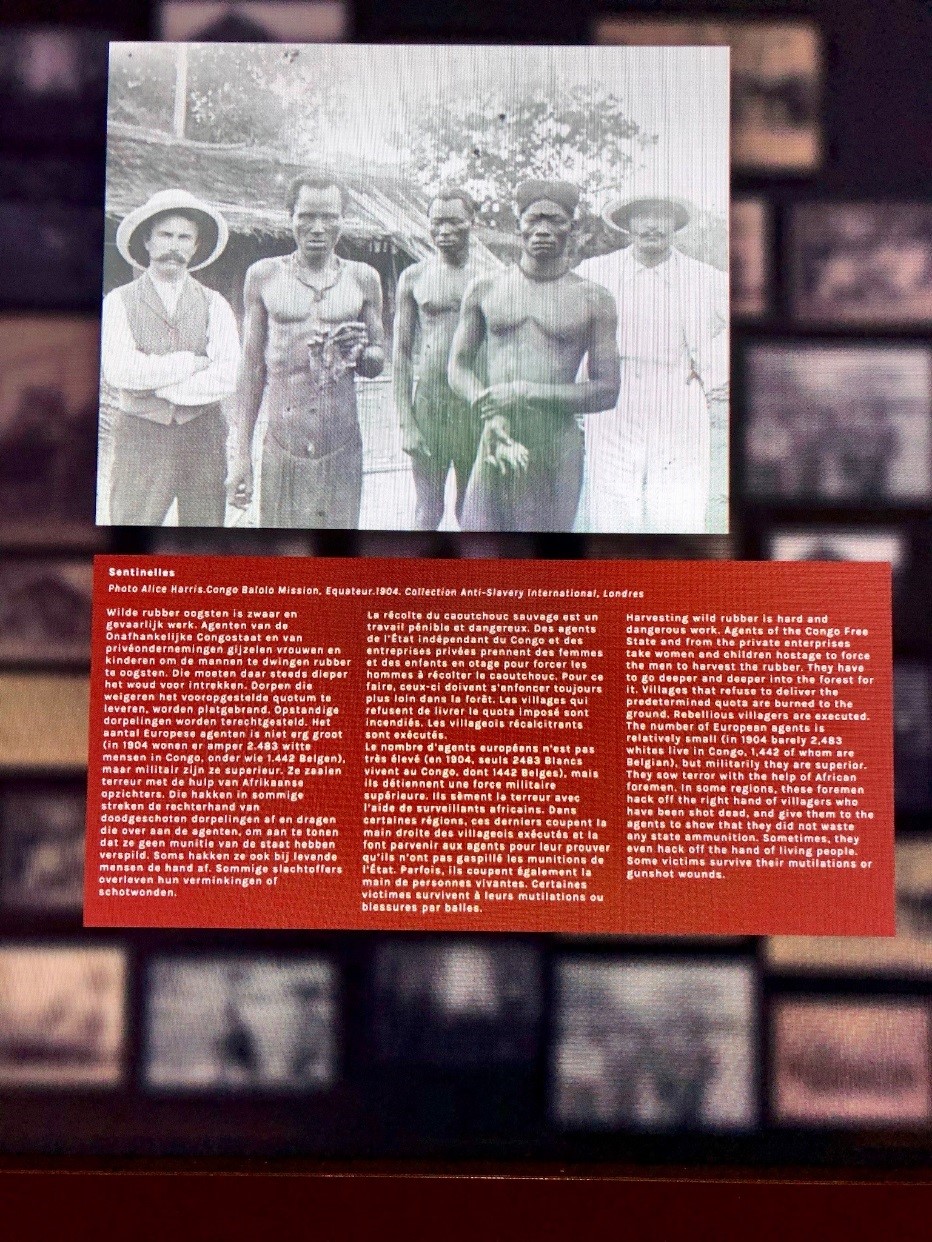
[Image 3: forced labour in the Congo Free State, c.1904 – on display in the Africa Museum]

So, why should any of this matter to us today? Conrad’s writing on colonial atrocities in Africa in Heart of Darkness had a clear impact in terms of shaping my early literary interests, and proved pivotal in my choice of subject to study at university; eventually, this led to a career as an academic in English Literature. Likewise, visiting the newly reopened Africa Museum after a lengthy period of closure represented the fulfilment of a personal wish; but curiously enough, there is also a particular relevance to my own practice as a researcher which I should like to reflect upon, something it is relevant to anyone researching in the humanities and social sciences today.

Academic research (like the rest of life) does not exist in a vacuum, but is always shaped by historical, political and economic forces. I have recently been awarded a British Academy/Leverhulme Small Research Grant to support my research. I am of course, delighted to be the recipient of this prestigious small grant, which will allow me to develop over the course of two years (October 2018-October 2020) a current research interest of mine, the reading (and engagement with reading cultures) of the explorer and travel writer, Dame Freya Stark (1893-1993) . Like almost all funding councils, the British Academy is bound by a code of ethical standards and is committed to supporting excellence in research; it really is as it claims, a ‘voice that champions the humanities and social sciences’. But where did the money for my research project actually come from?

The Small Research Grant scheme is funded in partnership with the Leverhulme Trust; founded in 1925 as a bequest by the industrialist William Hesketh Lever, 1st Viscount Leverhulme (1856-1925), this registered charitable trust provides annual research funding of over £80 million. Leverhulme, like Cecil Rhodes (1853-1902) whose tainted legacy is now the focus of the ‘Rhodes must fall’ campaign, was both an extraordinary philanthropist, and a ruthless imperialist. Leverhulme’s business empire (Unilever) was substantially based on the exploitation of African land, labour, and raw materials. As the historian Jules Marchal has demonstrated in Lord Leverhulme’s Ghosts: Colonial Exploitation in the Congo, Lord Leverhulme was a personal friend of King Leopold of Belgium and an unapologetic supporter of imperialism in Africa. Unilever massively depended upon forced labour in Congolese plantations for its guaranteed supply of palm oil for the production of soap (this practice continued uninterrupted until Congolese independence in 1960). Incidentally, the British Academy was first proposed in 1899, the same year in which Conrad’s Heart of Darkness was first serialised in the pages of Blackwood’s Magazine; it received its Royal Charter from King Edward VII in 1902, the year in which Conrad’s novella was published in volume form, and is currently based at Number 11, Carlton House Terrace, which from 1856 to 1874 was the home of W.E. Gladstone, Prime Minister at the time of the Berlin Conference (1884-1885) that formalised the European colonial carve-up of Africa (and confirmed King Leopold’s personal fiefdom of the Congo Free State).
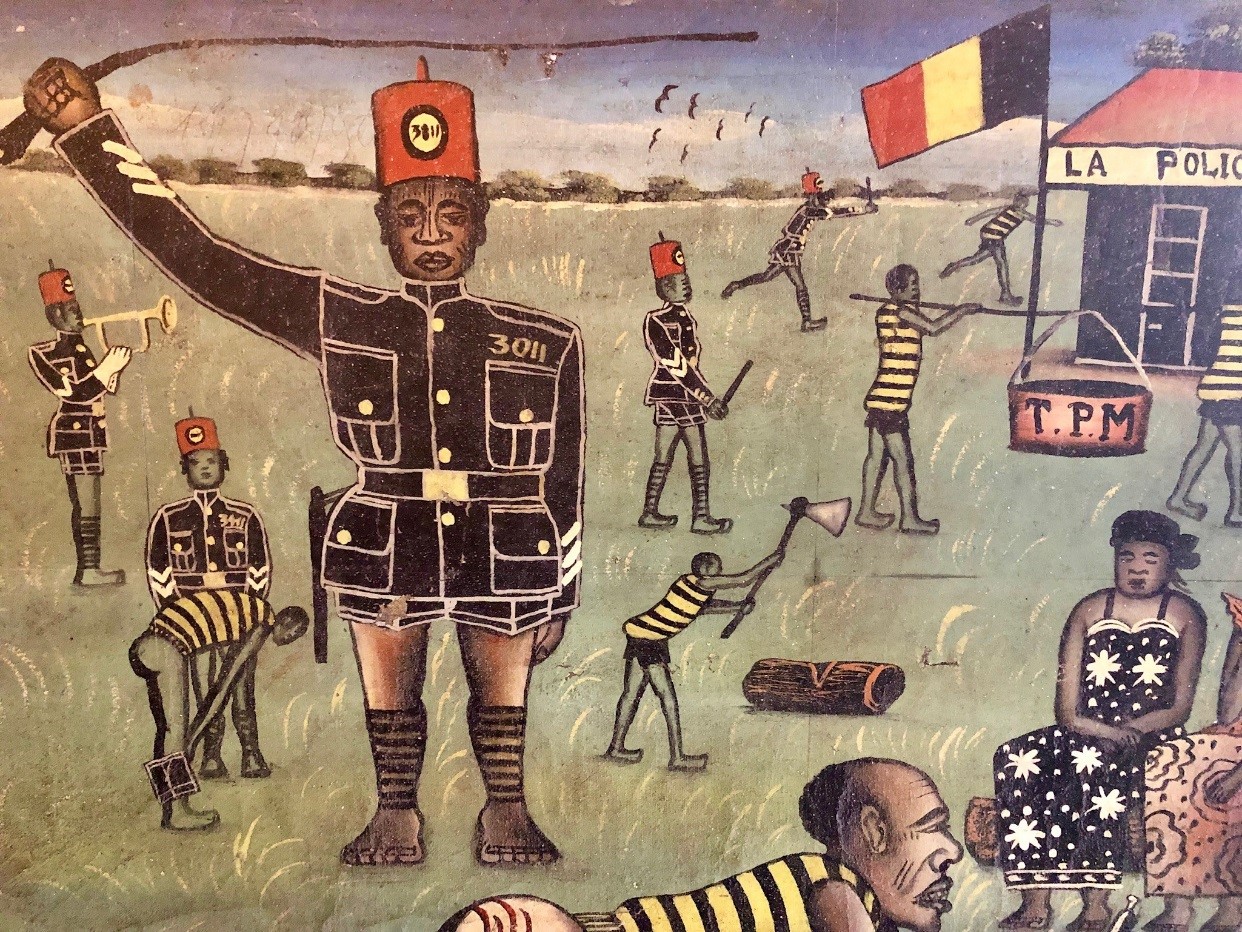
[Image 4: forced labour during the Belgian colonial period. Africa Museum]

As the motto in the welcome hall of the Africa Museum reminds us, ’everything passes, except the past’. This first admission of the brutality of the colonial past means that the decolonisation of the Africa Museum has only really started in 2018, and may take some decades to reach fruition. Sadly, the exploitation of Congo’s natural resources by corporate and neo-colonial external powers with the connivance of successive regimes, exemplified in the 30 December 2018 elections, continues to this day. A century ago, it was rubber, timber, ivory and palm-oil; today, it is gold, diamonds, and especially columbite-tantalite (coltan) ore to extract tantalum, the metal that powers the smart phones of the world.
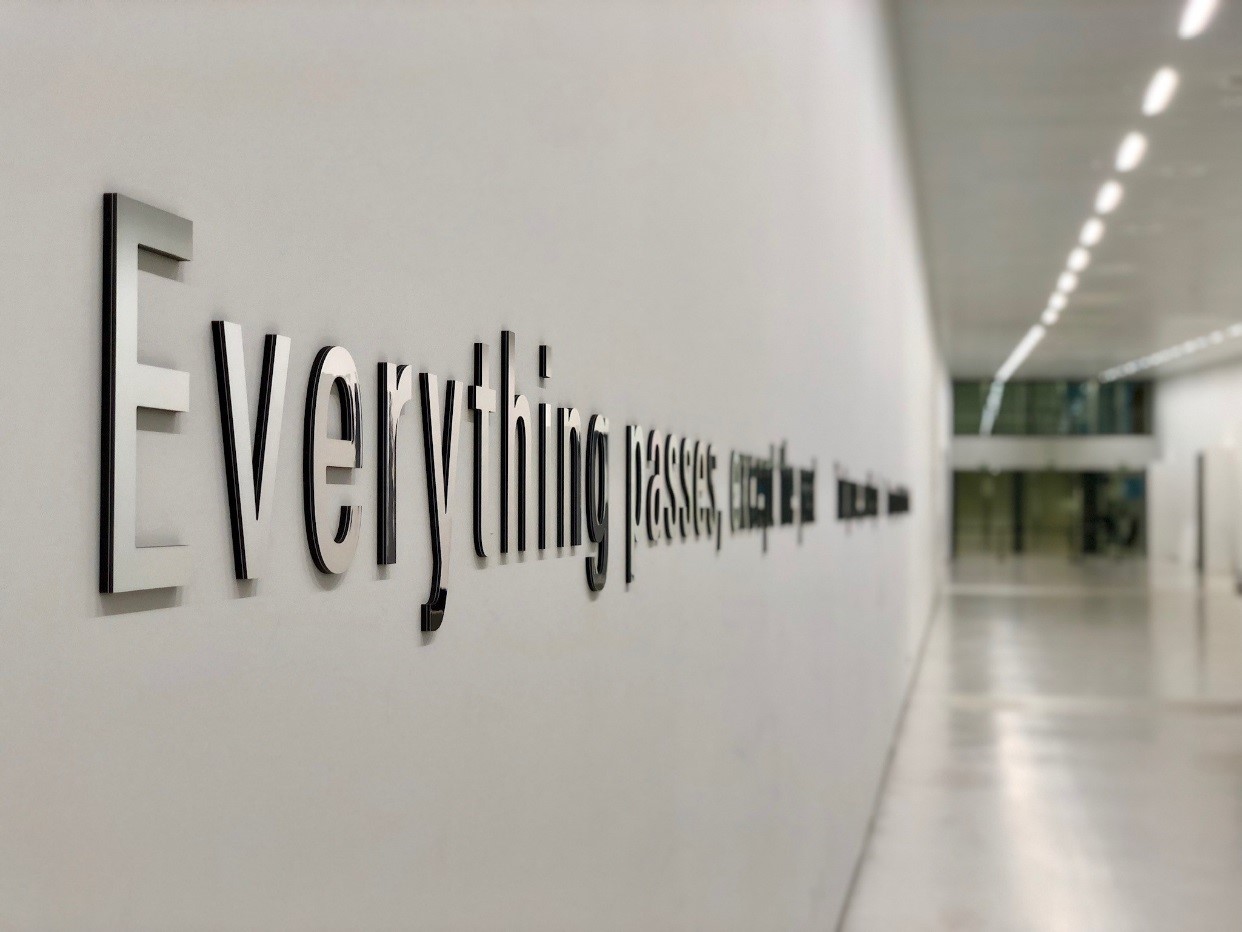
[Image 5: welcome hall, Africa Museum]

We cannot change the past – but we all have a duty to acknowledge its pervasive influence on us today, for we are all, whether we like it or not, the products of European imperialism and colonialism. My visit to the newly refurbished Africa Museum as a grant holder of money, derived in part from the forced exploitation of Congolese labour, provided a salutary reminder about the personal responsibility we all bear in terms of ethical research: we must conduct our research in accordance with the ethical guidelines of funding councils, but also, and more importantly, openly acknowledge the source of that funding and the human exploitation and misery that created it. To do any less, would be to dishonour the countless victims of imperial exploitation, and be a grave disservice to ethical research.


Notes

The Africa Museum reopened to the public on 9 December 2018. It is open for visitors everyday apart from Mondays and the standard closure dates of 1 January, 1 May and 25 December. Shafquat Towheed is a Senior Lecturer in English at The Open University, and visited the museum on 18 December 2018.
On writing a diary of literary terms

Richard Jones, Lecturer in English Literature

Daisy, I say, it’s time to put you in a blog post.

Not likely, she says and starts to squeeze out of it.

I don’t mind this. The whole point of the blog post is to see how Daisy gets out of it.

I’m just an experiment to you, she says, not an animal at all.

Let’s try rhyme, I say, or sonnet or perhaps something more Heideggerian like being thrown into the kitchen.

You’re lucky I’m not a cat, she says.

Daisy hates cats.

The cat that was put in a box was pretty cheesed off, she adds.  Whipping about like a mad thing.  It wouldn’t tolerate this.

A blog post is not a box, I say.

Speak for yourself, she says.

*

We are silent for a while as I try to think of a way to coax Daisy towards the blog.  The trouble is that her eyes are full of the outside.  That was Rilke’s insight about the face of an animal: we know what is out there only from its gaze. That’s the starting premise.

*

Daisy, it seems, has become fixated on the cat.  That Dear Reader chap, you like so much, she is saying, had a cat.  An insistently real one.  It unsettled him by padding about and following him into the bathroom.  We can try that out, if you like, she says.  Would you like to get undressed?

She is getting cross now.  Little by little, I find she is stepping onto the page.  Is that how the outside comes in?

*

Hey Daisy! I say. Have you ever wondered what Shakespeare would sound like on a kazoo?  Daisy raises an eyebrow.  She is curious.  So I pick up a kazoo (doesn’t everyone own a kazoo?) and speak a few lines of Hamlet into it.  Famous lines. Lines everyone would know. That gets Daisy’s attention. It turns out that Hamlet on a kazoo sends her wild.  It’s not because of the words, she says. It’s because they have been taken back to the borders of meaning. To be or not to be? is Hamlet’s question – but on a kazoo it’s a more pressing matter. To mean or not to mean? The suspense keeps me playing all afternoon.

*

That’s an example of a blog post.  One animal at the mercy of language and one who is not.

*

You are talking about the cat again, says Daisy. (She doesn’t like to be tricked like this.) I wish it would just die, she adds matter-of-factly.

The whole point about the cat, I say, is that it is in two states at once.

Like your precious Literature, says Daisy.

Exactly, I say.

*

We proceed like this.  Daisy trots up and runs on (enjambement), brings me a rag (a text), jumps at her own farts (the ghosts of her desire) and props herself at the bar (well, Saussure’s). We work our way through everything: images, shadows, beginnings, translation and interpretation, poetic feet and poetic fallacy, rhythms, excesses and lacks, machines and nature and wonder. What have we discovered?

*

You know, says Daisy, you remind me of one of your eighteenth-century friends: Very Stern. Didn’t he give a macaroon to a mule just to see what it would do with it?

I’m sorry about that, I say.

That’s just what he said, she replies.

*

I’m glad Daisy has brought up the eighteenth century. I wasn’t sure how to go about it. I muse upon its gruff critical spirit.  Its experimentation.  It was a time when a writer could be a critic but (because of an enthusiasm for quotation) not a real critic, or a historian who (because of a talent for abridgement) was not a true historian or a novelist who (because of a love for borrowed plot lines) was not a true novelist.  It was a time of writers who (because some Victorians did not think so) turned out not to be real writers.

I sum up these musings by saying: talking to a dog is not real critical work.

Now it’s Daisy’s turn to take pity. Her eyes are full of the force of somewhere else.

The only way to find out, she says, is to look in the blog.

We tiptoe up to it.  Prepare to take a look.

Wait, she says all of a sudden. (Or was it woof?) Best stop here, she says.

__________

Note

The cause of this commotion is the blog antiphysis.com, on which a new post can be found from time to time. Even though a link to the blog has been provided, there is perhaps more to be gained by not clicking on it.


Teaching for the OU – having the time of my life!

Dr Lynda Morgan, Associate Lecturer

It is February 1976. I am 23 years old, recently graduated with a degree in English and a teaching certificate, and I am about to walk into a shabby classroom at Sarah Siddons school, Paddington. I have no idea what to expect; I am both excited and nervous. Balancing on rickety chairs in front of graffitied desks eleven students are poised to begin, among them the wife of a leading politician, a prominent woman designer, a young Egyptian man from Paddington’s bedsit-land who is struggling with his English, a woman who lives in one of the most expensive squares in London, an elderly man who left school at fourteen and fought in the First World War, and a middle-aged tube driver who tells us he reads the teaching material in his cab while the train drives itself. What unites this disparate group is hope – the dream of achieving something they all thought was beyond their reach. They are also all dreading the first assignment; it’s almost the first thing they mention. I am daunted, but struck by the realisation that they are more nervous than I am. I am also touched that they think the tutorial is worth coming out for on a cold wet night, and I am determined to make it so. That is my first lesson: it is about them, not me.

They take it for granted that I know what I am doing. By the end of the evening I think I have made a reasonable job of appearing to, but the reality is that I was learning a lot myself that first evening. The one thing I could not know, however, was that in going into that classroom to teach my very first OU tutorial I was stepping into what would be the most important and fulfilling element in a long and varied teaching career. 43 years later I am still stepping into classrooms – some real, and, these days, some virtual – to teach OU students, and still valuing every minute of it.

The course I was teaching was A100 – known in those days as the Arts Foundation course. It was a wonderful module, packed full of material on philosophy, art history, history, literature and music, all brought together by Oswald Hanfling’s regular input on logic. Students tussled with Sophocles and Shakespeare, form and meaning in music, and, amazingly, D. H. Lawrence’s The Rainbow. The amount and complexity of material they took on at level 1 was breathtaking. On TV, usually at unsocial hours, they could listen to discussions of poetry (with the text of the poem scrolling across the screen), hear lectures on sound and a recording of Bertrand Russell’s memories of Lawrence, and watch scenes from Aristophanes’ Clouds. It is hard to realise now how groundbreaking all this was. I thought it was marvellous, and I realised how little I knew. Yes, I knew a bit about literature, but I was ignorant of all sorts of other things. In a way A100 began what I think of as my ‘real’ education – a rigorous schooling in argument, a bringing together of disciplines into a rich interplay of ideas, and a questioning approach that was to inform all my subsequent teaching, as well as my later postgraduate studies. I was introduced to things I had no idea about, and I can honestly say that teaching A100 took me at least as far in my own education as my first degree had done.

A100 also taught me how to teach. I began to realise that OU teaching wasn’t in essence about how much you know – though knowing things is obviously essential – but about bringing mixed groups of people together, and engendering an atmosphere in which they feel they belong and are safe to try out ideas and ask questions. It is about finding ways of rendering complicated ideas accessible, making apparently arcane material relevant, and empowering people with the belief that they, too, can understand and have a right to respond. It is about enthusiasm and excitement, helping students to think independently, and being able to tolerate it when their ideas are different from your own. Perhaps most importantly it is about thinking on your feet. In the early days I was constantly faced with questions I had never considered, things I had taken for granted in my own very traditional education: Why do we bother to study Shakespeare? Why do we write essays like this and not like that? Shouldn’t good literature be easy to understand? Isn’t making things difficult just showing off? I was also learning how to deal with awkward situations: the student whose first words were, ‘I hate poetry; what are you going to do about it?’; the student who sat in the corner with his back to the rest of the group, tutting loudly, and refusing to speak until he suddenly said, ‘I have never heard so much twaddle in my life’. Who knows whether he was referring to me, or to Jan Kott’s material on A Midsummer Night’s Dream!

A100 was replaced by A101, another demanding course with Hamlet and Jane Eyre as the literature texts, and then in 1982 I was appointed to teach A312, The nineteenth-century novel and its legacy. I was thrilled to be teaching level 3 literature, and the richness of this course enchanted me. This was in the days of summer schools, where we had the privilege of spending a whole day on Anna Karenina, and another on Middlemarch, and in between we fitted in Mansfield Park, Wuthering Heights, Great Expectations, Tess of the D’urbervilles, Cousin Bette, Germinal, On the Eve, and Huckleberry Finn. Bliss! We ended each week with an entertainment put on by tutors and students – the result of rehearsals squeezed into coffee breaks, and ‘brilliant’ ideas generated late at night in the bar. There were spoofs of Miss Havisham, and unlikely meetings between Pip and Count Vronsky, alongside inevitable jokes about the geese that left droppings everywhere on the lake-filled campus of the University of York; many a skit began with the actors examining the soles of their shoes. Every year I longed to be cast as the seductive Rosamond – every year I was the serious Dorothea … I can’t overstate how wonderful the many weeks I spent at York were, seeing the excitement and discoveries of students who were experiencing full-time study for at least one week of their lives, and benefiting from the dedication and support of marvellous colleagues who all taught me a great deal. Indeed, I met my fellow bloggers Dennis Walder and Richard Allen there, as well as many others I still think of.

I went on to teach a series of other courses, all of which did something new and exciting: A319, Literature in the modern world (which taught high-level critical theory alongside the literary texts. Many said the students wouldn’t cope with it – they did!);  AA316, The nineteenth-century novel (which gave students the opportunity to have fun with Dracula, and to read lesser known novels like The Awakening); A300, 20th century literature: texts and debates (which asked questions about the construction of meaning and the role of readers, as well as including many texts that students loved and said they would never otherwise have read – Do Androids Dream of Electric Sheep?, Kiss of the Spiderwoman; poetry of O’Hara and Ginsberg); and currently A334, From Shakespeare to Austen (which particularly gives value to students’ own voices and their chosen research). I also played a part in the development of Creative Writing in the OU, teaching the first two 10-credit creative writing modules, A174, Start Writing Fiction, and A175, Start Writing Poetry, as well as acting as what was grandly and somewhat improbably called a ‘supermonitor’ for the award board.  After that I shared with my colleague Lynne Dixon the moderation of the national student and AL online forums for the new 60-credit modules, A215 and A363. We worked on those forums together for 10 years, and we would both agree that it wasn’t always an easy job. It was, however, a privilege to work with and advise so many students and colleagues, and also to work so closely with one another. Not many days passed without numerous emails between us discussing how to resolve this or that problem!

So much has filled my OU years that inevitably a lot has to be omitted. But there is one topic that I can’t leave out: what the OU has offered, especially in its early days, to women. Of course it has been important for men too, but as a woman myself I can’t help but be forcibly struck by the opportunities it made available to women, and its contribution to changing how they saw themselves. It is difficult to remember how unusual it was when the OU started for women to be educated to degree level. In the early years my groups were full of women of all ages and backgrounds who had not had the chance of an education beyond the age of sixteen. They talked about how no-one had thought it was important for them to do anything other than get a job and/or marry and have children. Many said that now their children were at university they wanted to prove they could do it too. It was not unusual for a student to pour her heart out about how her husband resented her study and tried to prevent her doing it. Others said they could only do it without complaints from their families if the study came last after every detail of cooking and housework had been completed. Some were studying secretly, with their study materials sent to a friend’s house – I would be instructed not to telephone them or write to them at home. Some arrived at summer school terrified because they had never been away from home on their own before. In the days before mobile phones there would be queues of women waiting to use the telephone every evening so they could tell their husbands what they needed to do the next day to keep things going at home. Most of them had filled the freezer with cooked meals for the week and had left lists of the order in which meals were to be taken out and put in the oven; they anticipated arriving back to piles of unwashed dishes. Newspapers sometimes reported on the so-called wild goings on at summer schools; but behind the sensational headlines there often lay moving stories of deeply unfulfilled women discovering that there was more to life than hoovering. A week away from home, with like-minded people and the excitement of full-time study, was a heady experience. Some women realised they needed to make substantial changes to their lives; I remember more than one woman refusing to go home at the end of the week unless her husband agreed to a divorce. This was a time of radical social shifts, and although the OU was often blamed for breaking up marriages it was not responsible for the changes taking place. It did, however, play its part in the shifting social landscape by giving women educational opportunities they had never expected to have. Of course plenty of women lived contented lives with families that were proud of them, and they were just thrilled to have gained a degree; others, however, needed the OU to help them lay claim to a different way of living. I received numerous letters from women students thanking the OU for opening up their lives in ways they could never have imagined.

Sarah Siddons, where this all started for me, has been demolished and replaced with luxury flats, and the OU itself has changed tremendously. It is, however, still staffed by people dedicated to offering an opportunity for excellent education to everyone who wants to try it, and it is still full of students excited by academic study who work their socks off to gain a degree. I hope this will remain the case for many years to come. But whatever happens to the OU in the future, nothing can change the fact that it is one of the most important educational developments to have taken place in the twentieth century. I am very proud to have been part of it, and grateful to it for the joy and fulfilment it has given me.

Reading as a writer: ‘Offshore’

Sally O’Reilly, Lecturer, Creative Writing

As creative writing academics, we constantly remind students about the importance of ‘reading as a writer’, and in my own reading I sometimes wonder to what extent this should be a conscious process, and to what extent something that I try to sublimate, reading as a reader, enjoying the book in a naïve way on first reading at least. In an ideal world, I would read everything twice, but as we know, this world is not ideal. Therefore, the way I consume books is a compromise, shifting between immersive engagement with the narrative and awareness of the techniques the author is using. As with the business of writing, novel reading is protracted, sometimes disrupted, sometimes seeming like a professional duty.

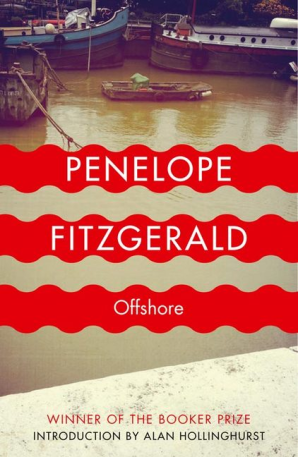
So looking back on my reading in 2018, what stands out? The novel which made the greatest impression on me was Penelope Fitzgerald’s Offshore, which won the Man Booker prize in 1979. The narrative focuses on a group of misfit Londoners, on the posh side of classless, who live in a row of semi-derelict boats on the Thames during the 1960s. None of them quite know what they are doing, or are entirely honest with themselves, and their compromises and misdemeanours drift with the ebb and flow of the river.

It’s hard to identify a protagonist, or a clear narrative through-line. But chaotic Nenna James comes closest to being its heroine, and her haphazard, wilfully disordered life presumably reflects that of Penelope Fitzgerald herself, who lived on a houseboat with her children after her first marriage collapsed. The point of view shifts among numerous characters including Maurice, a romantic and part-time rent boy, elderly marine painter Willis and Richard, an ex-naval man now working in insurance. All live half-way lives, at the edge of both land and water.

Nenna is incapable of doing anything practical, even a trip to Stoke Newington on public transport seems to faze her. Her visit ends in near disaster, shoeless in a rainstorm, pursued by a lecherous stranger. Yet at the same time, she is resilient and stoical, her expectations of life heroically low. In contrast, her young daughters Martha and Tilda are bizarrely precocious and competent, managing their bohemian lives with pragmatic ingenuity.

What I love about the book is its wry, strange humour, and Fitzgerald’s evocation of a lost London, not the place that we would associate with the Swinging Sixties, but more like the city that Dickens would have recognised. This metropolis is a post-war ruin not yet obliterated by developers, the river still a thoroughfare as it has been since Roman times. Fitzgerald evokes the inner lives of all these drifting, dreaming characters with intense precision as their stories unfold on the leaking vessels that the river will soon reclaim.

So what did I take from this book that will inform my writing? Initially, I was resistant to the way in which the point of view shifts are handled, with the narrative spinning around so much that I felt disorientated. But the effect builds over time, so that some scenes are focused intensely in the point of view of one character, and others achieve a choral effect. I also realised, by the time I finished the novel, that this kaleidoscopic perspective is consistent with the subject matter. The characters’ moods, desires and allegiances are in constant flux, just as the Thames is never still. Any piece of writing must similarly find its own shape, and the narrative mode should emerge organically from the material. And yet there is always the temptation to force a work of fiction into an already familiar format, to make it recognisable.

In addition, this book informs my knowledge of writing as an occupation, as this was a notoriously controversial Booker winner. The judges (Asa Briggs, Benny Green, Michael Ratcliffe, Hilary Spurling and Paul Theroux) failed to make a unanimous decision, unable to agree on whether William Golding should win with Darkness Visible or V.S Naipaul with A Bend in the River and so they gave the prize to Offshore which was ‘everyone’s second choice’, according to Spurling in a Guardian review of Fitzgerald’s collected letters. Spurling writes: ‘The presenter of the BBC’s book programme told her angrily that he’d been promised she would lose. Drunken reporters upbraided her for making them rewrite copy citing the favourite… according to her editor, the misery of this episode and its repercussions haunted her ever afterwards.’

What interests me here is the arbitrary nature of literary awards, and the way that they have increasingly become a measure of esteem and status. There is no reason to suppose that Offshore was inferior to the two books that caused the dispute between the judges, but Fitzgerald was made to feel that winning the Booker was a compromised achievement, that not being ‘the favourite’ meant that she was a writer of lesser quality.

Reading her novel today, it flashes with brilliance and strange insights. I’m inspired by her quiet eccentricity and her determination to pare her work down, creating something elliptical and magical in the midst of the chatter and turmoil of the book industry. The noise seems even louder now, so quiet eccentricity is even more important.