Writing in Lockdown

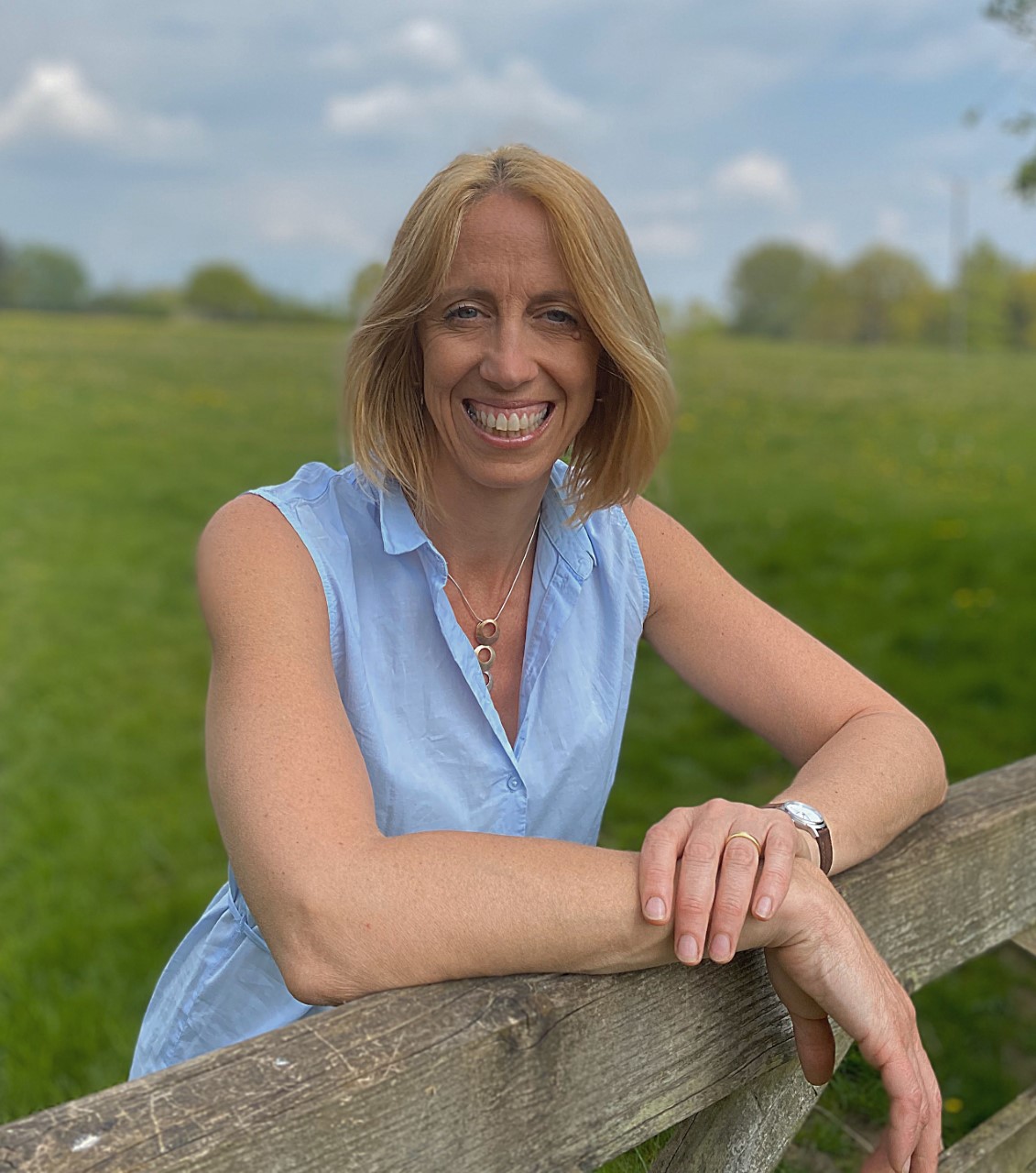
Jo Barnden, AL on A215 and A363

For those first, intense weeks of lockdown, I seemed to be out of step with the rest of the world. Everyone was telling Twitter how much time they had to walk through nature and take up knitting, to make TikTok videos and bake bread (if they could track down yeast). Frankly it sounded wonderful but it was not my experience. Quite the contrary, I was chained to my desk trying to write a novel in four weeks – the most intense working challenge of my life.

It started when my agent rang me out of the blue to say that my publisher had ‘had an idea’ and thought I might be the writer to bring it to fruition. Piatkus publish my historical novels as Joanna Courtney. These are works set in 1066 and earlier that take at least a year to research and write, but what they wanted from me now was a contemporary novel, a lockdown love story. Needless to say, we had to move fast.

I was perhaps not as bizarre choice as that makes it sound. Two years ago I’d started writing contemporary fiction as Anna Stuart for another publisher, Trapeze. Both books (Bonnie and Stan and Four Minutes to Save a Life) had done well so hopefully that was some quality assurance for them. More importantly they knew that I’m quite efficient when it comes to writing – though none of us were sure if ‘efficient’ would add up to a 70,000-word novel in four weeks.

This, I was told, was an ‘IP (Intellectual Property) Project’ in which the core idea for the novel had been invented by the publisher – to be precise a lovely editor called Hannah – and I was the ‘hired pen’ to bring it to life. It’s not like ghost writing as I was simply given a handful of characters and a plot outline with the rest very much mine to bring to life. However, because it was her idea the editor was very bought in and very, very helpful in how we put it together. That was to be invaluable in the intense weeks that followed.

I loved the basic concept and the characters seemed to come to life for me instantly so I fleshed out Hannah’s core plans and within a week we had signed a deal. It was hard to credit. Having spent years and years trying to land a novel contract, I felt as if I was suddenly being handed one on a plate – now all I had to do was write it. Simples! Except that my normally empty house was now filled with a husband working from home, two kids who should have been doing GCSEs and A-levels, and a 23-year-old stepson who’d had to flee his lovely job in the ski-bars of Whistler. It was a worry. I like a quiet house to write in and I certainly wasn’t going to get that.

As it turns out, however, the young folk quickly went nocturnal, leaving things pretty quiet until at least midday and with my husband working with China we were both at our desks by 7am – my most productive time anyway. Plus, to be fair to the kids, they stepped up and took on both the cooking (enthusiastically) and the cleaning (less so!), so all I had to do was shut myself in my little office and write. To be honest, I loved it.

The novel is called Just the Two of Us and is about a middle-aged couple whose kids have left home and who are on the brink of divorce when they find themselves locked down together. All that enforced time in the house pushes them to explore the things that have messed up what was once a wonderful marriage and to see if, perhaps, there’s a way back to happiness. It cuts between the current story and flashbacks to their long, shared past and was fun to write, if a little tricky in terms of timelines.

That, however, is where my editor came in. I provided the first 28,000 words in a week (it was a hell of a week!) and she was back to me two days later – that’s almost unprecedented in the publishing world! It was the same again once the first draft was done three weeks later. We chatted on the phone and over email and tinkered with second and third drafts and, miraculously, six weeks after I signed the contract, we sent Just the Two of Us to copy edit at 80,000 words. It was a whirlwind but fantastic fun and, most importantly, early reviews from NetGalley readers suggest that people are really enjoying it.

How did we do it? I’ve no idea! I’m a planner. I always have a full chapter-by-chapter synopsis of my novels, historical or contemporary, before I start so that I can hit the ground running and I think that helped here. I have no idea how people manage to just start writing without knowing where the novel is going, but everyone has to write the way that suits them best. It seems that for me that is in a manic, concentrated run.

Lessons learned? The biggie is that traditional publishing houses can be more mobile and responsive than they usually let on and I think that’s the way they’re going to have to go with digital-first publishers producing books so nimbly these days. For myself, it confirmed that I like working under pressure – and that I really like not doing housework!!

My agent did scare me the other day by saying ‘I know how fast you can write books now, so I expect at least three next year.’ In this, she will be disappointed. Just the Two of Us was a one-off, driven by the strange coronavirus circumstances we all found ourselves in. I may not have learned to knit, or made TikTok videos (to my kids’ relief) but I did write a lockdown love story.

Jo Wilde is on twitter and facebook as @jowildeauthor

Ed Hogan interview

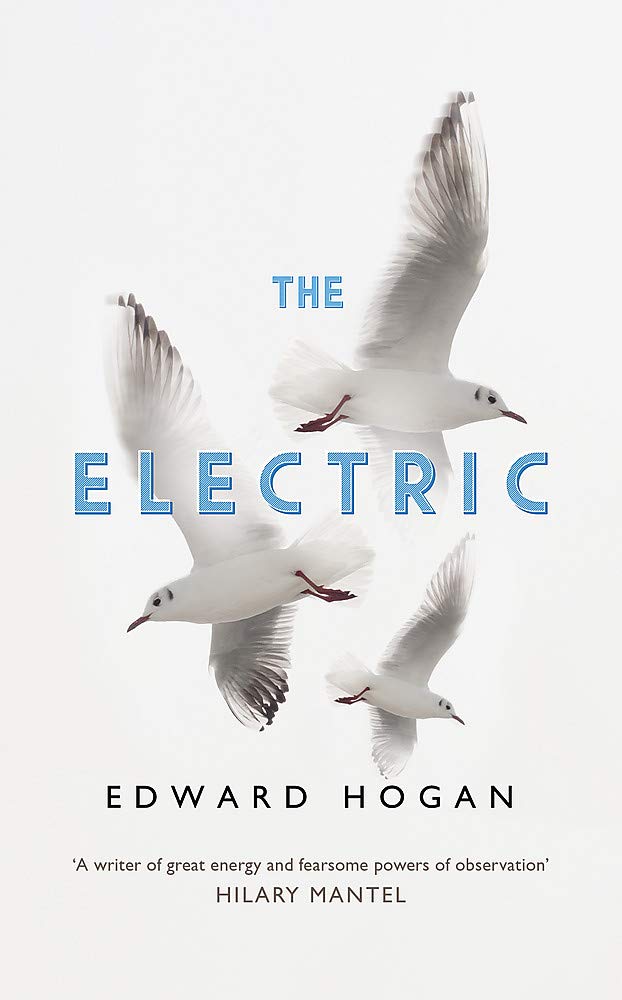
Ed Hogan is a Lecturer in Creative Writing at the Open University. His first novel, Blackmoor, won the Desmond Elliott Prize, and was shortlisted for the Sunday Times Young Writer of the Year Award. Other novels include The Hunger Trace, and Daylight Saving, which was shortlisted for the Branford Boase Award. His next book, The Electric, is published by John Murray, in 2020. He is now writing short stories, has recently been longlisted for the Costa Short Story Prize and the Sunday Times Audible Short Story prize.  Here he discusses his approach to writing short stories with Sally O’Reilly, Senior Lecturer in Creative Writing.

Sally: How would you define a short story? And what are its limitations? I’ve read a number of contemporary short stories recently, and many of these cover long time periods, have multiple characters and are told from different points of view.  What’s your take on this?

Ed: Last year, I made a commitment to read a short story every day. What struck me was the variety of the form. Yes, I read lots of oblique, Hemingway-ish stories. But, as you suggest, there were also many long stories with lots of narrative – the type Alice Munro specialises in. Some were like dramatic monologues, while others played with the conventions of sub-genres. I read epistolary stories, and stories that took the form of job inductions, or psychotherapy sessions.

Short stories allow you to travel very quickly in your reading. One particular week, I read stories by a writer from Korea (Kim Young-Ha), Argentina (Samanta Schweblin), Zimbabwe (Petina Gappah) and…Derbyshire (Hilary Mantel). In doing this, I realised that some of my earlier assumptions about the form were culture-bound.

I think short stories lend themselves to formal boldness, because they allow both readers and writers to walk the tightrope a bit more. A writer might try something unusual, because it won’t require 500 pages. And a reader might agree to suspend disbelief for 2000 words.

In terms of effects, I can think of many occasions when I’ve cried over short stories, and several times recently (James Salter’s ‘Last Night’, and Camille Bordas’ ‘The Presentation on Egypt’) when I have literally shouted out in shock.

I know you’ve turned to reading short stories recently, too. How did that come about?

Sally: I was partly inspired by your example! And also, because I am writing a novel, I feel freed up by reading short stories. I feel that the possibilities for writing at any length seem looser and more open after reading short stories. A lot of novels, my own included, include a certain amount of ‘business’, linking scenes, sections to establish character, sections which slow things down for a while. In short stories, there is so much precision and intensity. 

Do you think there are fashions in the short story, in terms of what is published, and what competition judges are looking for? Writing is always a conversation/argument/response to other writing, but is this sense of engaging with other stories stronger when you are writing at this length? Is it inhibiting to be aware of the zeitgeist, or do you find it useful to immerse yourself in short fiction when you are writing stories?

Ed: Recently, I read three short stories by well-known British writers (Jon McGregor, Sarah Hall, Cynan Jones), and each one was about a person gradually realising that they’re stranded in a large body of water. I found that very striking. Island anxiety, perhaps.

I read short stories every day, but they’re not always contemporary ones (Daphne Du Maurier, yesterday). In my writing, I’m much more interested in the moment of composition than the moment of publication.

In terms of competitions, I’m drawn to the anonymity – the fact that you don’t send a CV with it. Although I know that the anonymity of competitions can be problematic.

I guess a lot of novelists, in June 2020, are probably looking at their contemporary novels, and thinking, ‘Ah. Right. I may have to make a few changes, here.’ That makes assumptions about novels being ‘news’ or even mimetic, but what about you? I know you’re writing historical fiction, but has the pandemic, or the protests, made you look again at your work in progress?

Sally: Yes! The novel I am working on is set in 1899 and the ‘present’, and this has now morphed from 2020 to 2019 due to coronavirus. There is bound to be a weird thing in contemporary fiction where what we thought of as normal life (with all its abnormalities) ended in 2019 and then there is a sort of cliff edge. Having said this, some of the themes I’m writing about relate to nature and science, and the pandemic makes this aspect seem even more urgent and relevant. The zeitgeist has changed, and that will permeate fiction. 

Sally: Can you tell me more about your Sunday Times Audible longlisted short story ‘Single Sit’, and how you came to write it? Did it come easily, or did you spend a long time writing and refining it? How did it compare to the process of producing other short stories that you have written?

Ed: ‘Single Sit’ is about a conservatory salesman on a call with a potential customer. My dad sold windows and conservatories for many years, alongside his successful semi-professional football career, so I knew some of the language from that business. (Although Frank, my character, is very different from my dad). I’m interested in work vocabularies. Kick-ins and blowouts and single sits.

It arose from a bit of dialogue between Frank and Mrs Cortez, the customer. Once I hit on a relationship – any kind of relationship – I feel like I might have a story. So, I wrote the first two thirds in a few days. But then it went somewhere unexpected, and I couldn’t finish it for ages. I’m in a writing group, and they helped me a lot with the ending. The whole process, start to finish, with editing and putting it away…it took two years.

The longlisting was a fluke, but this is a story about a salesman, and the first principle of sales is that you play the numbers. Knock on every door, enter every competition. ‘Double your failure rate’, as they say.

Sally: You have published several novels, with your latest, The Electric, coming out this summer. Is it possible to compare the process of novel writing to short story writing?

Ed: A while ago, I was asked to recommend some books for a friend. The list I wrote contained about six short story collections, and the others – things like Hawthorn and Child, Legend of a Suicide, In Other Rooms, Other Wonders; Union Street, The Vegetarian – weren’t really ‘conventional’ novels, but collections of linked stories. In those books, much meaning came from the overlap of the stories, the repetition of themes, ‘the singular obsessions endlessly revised’ to steal a phrase from Thomas Lux. I thought I should investigate what those reading tendencies might mean for my writing practice. I’m still new to the short story as a writer, though, and most of the stories I write are terrible, but it’s a process.

There are practical considerations, too. I reckon there’s a moment in writing – and I’m certain this goes for writing in all research disciplines – where you become absolutely absorbed, completely compelled. It’s a physical thing. Currently, given busy personal and professional circumstances for which I am very grateful, the short story is the form which allows me to complete a draft of something while I am still in touch with that initial impulse. To finish before I forget why I started. Of course, then you have to spend two years revising it!

Sally: Do you like writing shorter pieces? Do you find them ‘easier’ in any way, or just different from novel writing? Do you envisage a short story in its entirety, or do you ever write not knowing the outcome, as novelists often do?  And, final query in a multifaceted question, can you write short stories while you are working on a novel, or does the one exclude the other?

Ed: I definitely don’t find short stories easier. Writers often balk at the question, ‘Where do you get your ideas from?’ but that’s where I struggle. George Saunders says that when he finishes a story, he’s convinced he’ll never have another idea again. I feel like that, too. Unfortunately for me, that’s where my similarities with George Saunders end.

One thing about producing several stories over a year or so is that you see your unconscious preoccupations delineated quite sharply. Much of my recent short fiction has taken place in or around cars, despite the fact that I don’t really like them. When you see those connections, you can decide whether to resist or explore them.

The editing process is very different with a short story, isn’t it? For a start, you can re-read your story in one sitting. I remember watching Sympathy for the Devil, the film which shows the Rolling Stones in the studio, developing the song of the title. I was so jealous. With a pop song, you try it one way, and three minutes later, you can – if you’re Mick Jagger – say, “Oh, not like that, Charlie, you mug!” and try it another way. It takes me three weeks to read my own novel.


Escaping Jordan

Dennis Walder, Emeritus Professor in English

Amman airport, 2.30 am

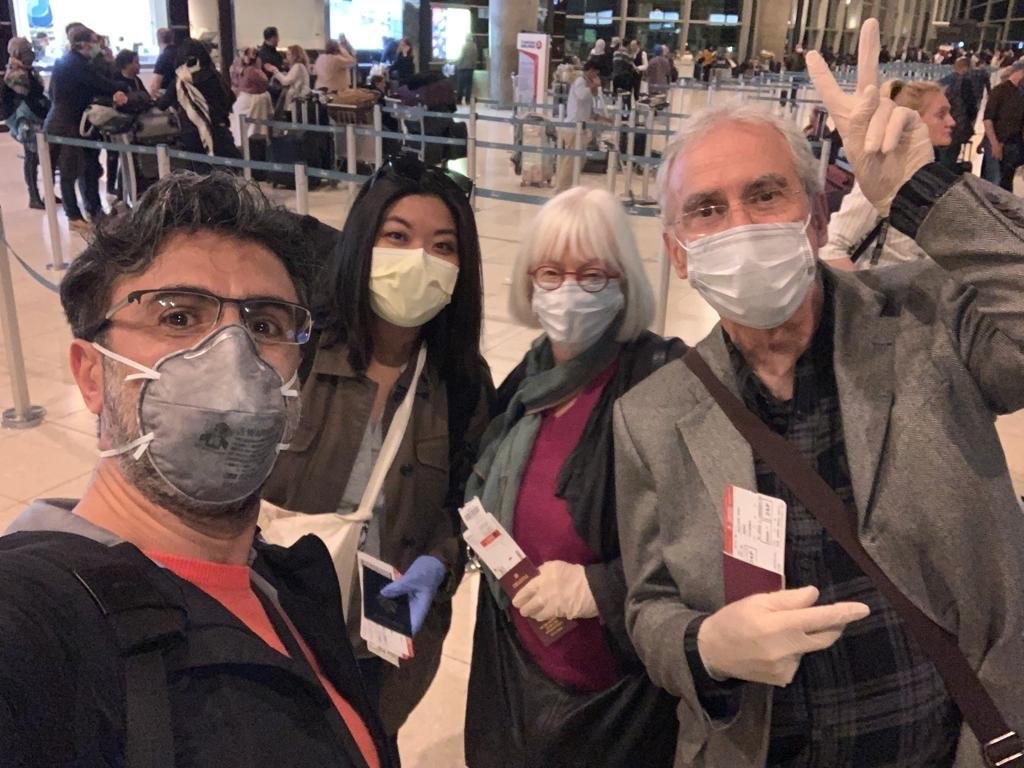
Last week my wife and I were in an SUV heading down the King’s Highway through the Jordan desert.  We had glimpsed the Promised Land, and were on our way to Petra, forty-five kilometres ahead in the deepening dusk.   

 Our holiday was an add-on to a visit to Amman arranged by the OU for me to chair the revalidation of the Arab OU’s MA in English Literature.  This was switched at the last minute to Walton Hall because of the impending C-virus crisis.  We gathered to interview our Arab colleagues by videolink, with a successful result 

 But I could not cancel our holiday without losing the entire cost.  So off we flew to Amman on Royal Jordanian a day after the revalidation to start our tour. Alas, it was not to last long. 

 Suddenly our driver’s mobile phone rang.  He had just been told that Petra was closed, and so too all other tourist sites in the country.  The airport was shortly going to close too.  

 In something of a panic, we got him to turn and head back to the capital as fast as possible, while I tried to rearrange hotel bookings and a flight home on my mobile.  As we drove on, our driver tried to reassure us. ‘It’s OK. You stay with me.  Learn Arabic.’  

 We stopped at a roadside refreshment centre for mint tea.  A busload of Germans were milling about.  One of them held out finger and thumb to me: ‘We missed it by so much.’  I nodded.  ‘Us too.’ 

 For some time I could not get through to either the Embassy or our travel agency.  Eventually the Embassy responded, No, they did not repatriate under these conditions, best for us to keep on trying our travel agent – who, after saying all direct flights were full, found us a flight via Istanbul departing at 2.35 a.m. a few hours before the airport was to close 

 The next night we gathered in the hotel lobby with a handful of other guests, and our packed suitcases, ready to departOur driver messaged in a panic – he was outside, but not allowed to pick us up, there were police everywhere.  As he spoke, we saw the hotel doors being sealed. 

After further exchanges between us, the driver, the police, hotel staff and other guests, it emerged that a woman at the hotel a week or two earlier was a C-virus suspect. It was unclear whether anyone was thought to have it more recently, though we saw an ambulance arrive and leave.  

 For  moment chaos reigned, as people rushed to and fro across the lobby trying to get agreement for our group of guests to leave the hotel. Time was passing at an alarming rate, and no one appeared to be in charge or clear about what was happening. A young Kenyan worker from a Dead Sea hotel grinned at me: ‘It’s okay, man, it’s just life. We take it easy, huh?’  His flight was due to depart in less time it than it would now take to reach the airport.  

 As the minutes ticked by, we became desperate at the thought of being trapped in the country for weeks.  We sought information from a new arrival who looked official. Could we leave?  No, we had first to be tested for the virus.  And then? We had to wait for the results.  How long would that be?  Four to six hours.  Too late!  Don’t you think it would be best to just get rid of us?  We asked.  This seemed amusing. 

 Then suddenly we were herded down to the hotel basement where, beside the pot plants and Spa signs, tables were hurriedly set up, and a group of medics in white protective gear and floppy blue socks appeared.  They gestured us to approach and sit down one by one in front of a doctor, who stuck thin sticks up our noses, saying ‘if you must sneeze or cough, please sideways’ and then told us to be gloved and masked, and go.   

 We were guided through a side exit, only to be halted by a stern figure in military uniform talking on a mobile.  No, you cannot leave.  Back to the lobby, more uncertainty as more minutes passed, until at last the doctor’s word was accepted, we were hustled out and into a waiting ambulance, which screeched off, siren blaring, our luggage (sprayed with disinfectant) with our driver, who raced behind us.   

 After dashing through the airport terminal to check in and pass security, we were stopped in our tracks. Our conspicuous arrival meant further questioning, and our passports held while another doctor was called.  He had to be satisfied that we seemed healthy enough to be let loose. Our temperatures were taken and at last we ran aboard our Turkish Airlines flight with seconds to spare. 

 The next day we learnt that our tests were negative. 

A little literary tourism: in search of Hilary Mantel

Shafquat Towheed, Senior Lecturer in English

Hilary Mantel has been lauded for reviving the fortunes of the historical novel in English, for being the first woman writer to have won the Booker Prize twice (2009, 2012), and for selling over five million copies of her books – but where did it all start? Where did Mantel become a writer, hone her craft, and enter the public domain as a published novelist? What were the social and environmental circumstances that facilitated her arrival as an author? 

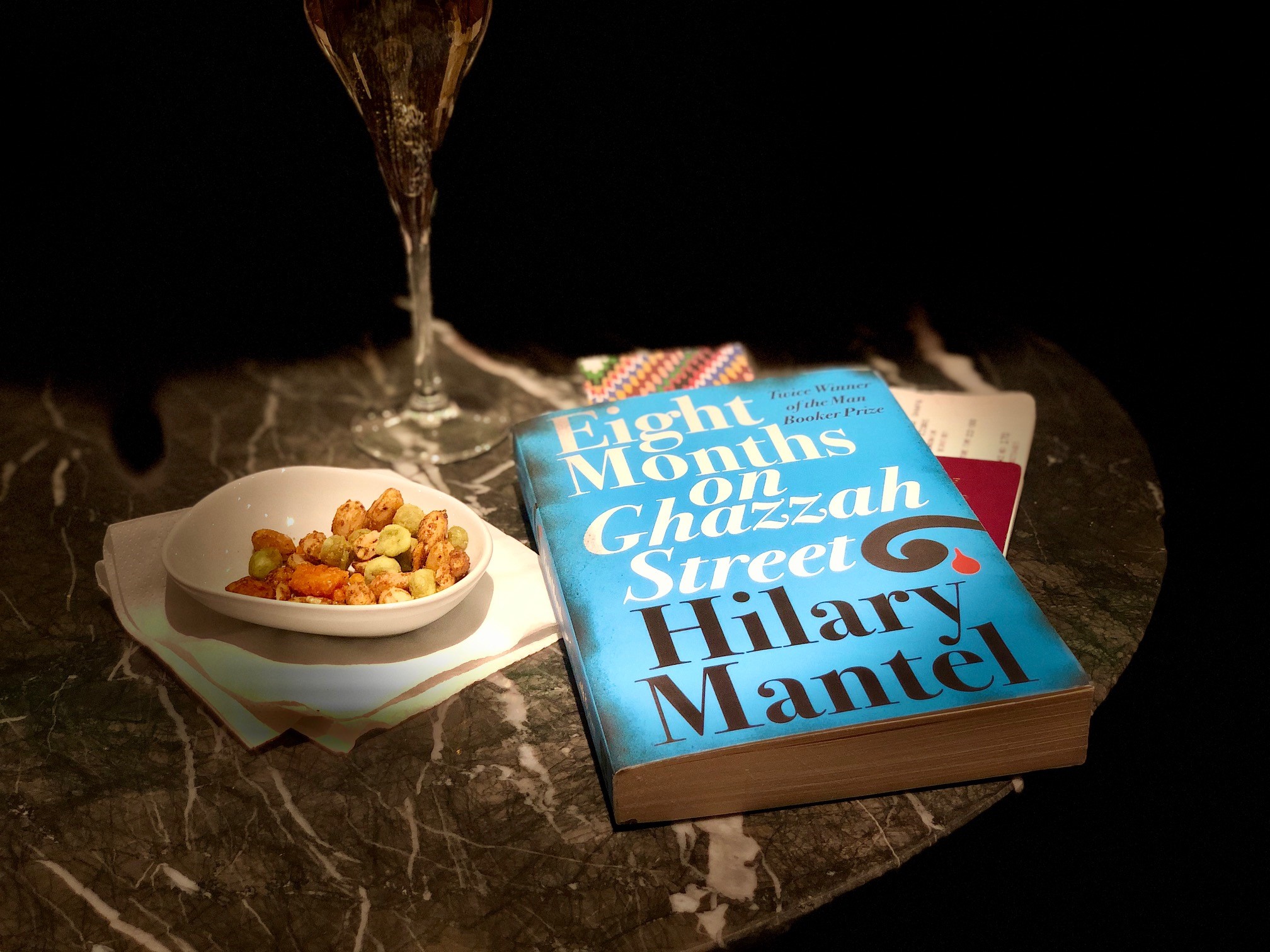
 I had recently been reading Mantel’s third novel, Eight Months on Ghazzah Street (London: Viking, 1988), which is set in Jeddah, Saudi Arabia, in 1984-85, and tells the story of Frances Shore, the unhappily married cartographer wife of a civil engineer on an expatriate work contract in the Kingdom. The novel is perhaps the best evocation of 1980s Saudi Arabia written by a woman in English, and carefully reconstructs the oppressive, punitive environment that she encounters. A mapmaker stranded in a city without signs, Frances Shore observes that pavements in Jeddah exist to stop cars crashing into buildings, and not for the benefit of pedestrians. Her large apartment on Ghazzah Street has windows with views of blank compound walls, and she can only glimpse a view of the sea by climbing to the roof. Denied the opportunity to work or drive, Frances Shore reads her way through all the detective novels she can find, while keeping a diary of her claustrophobic life and trying to reconstruct the lives of others around her. It is a compellingly atmospheric novel. 

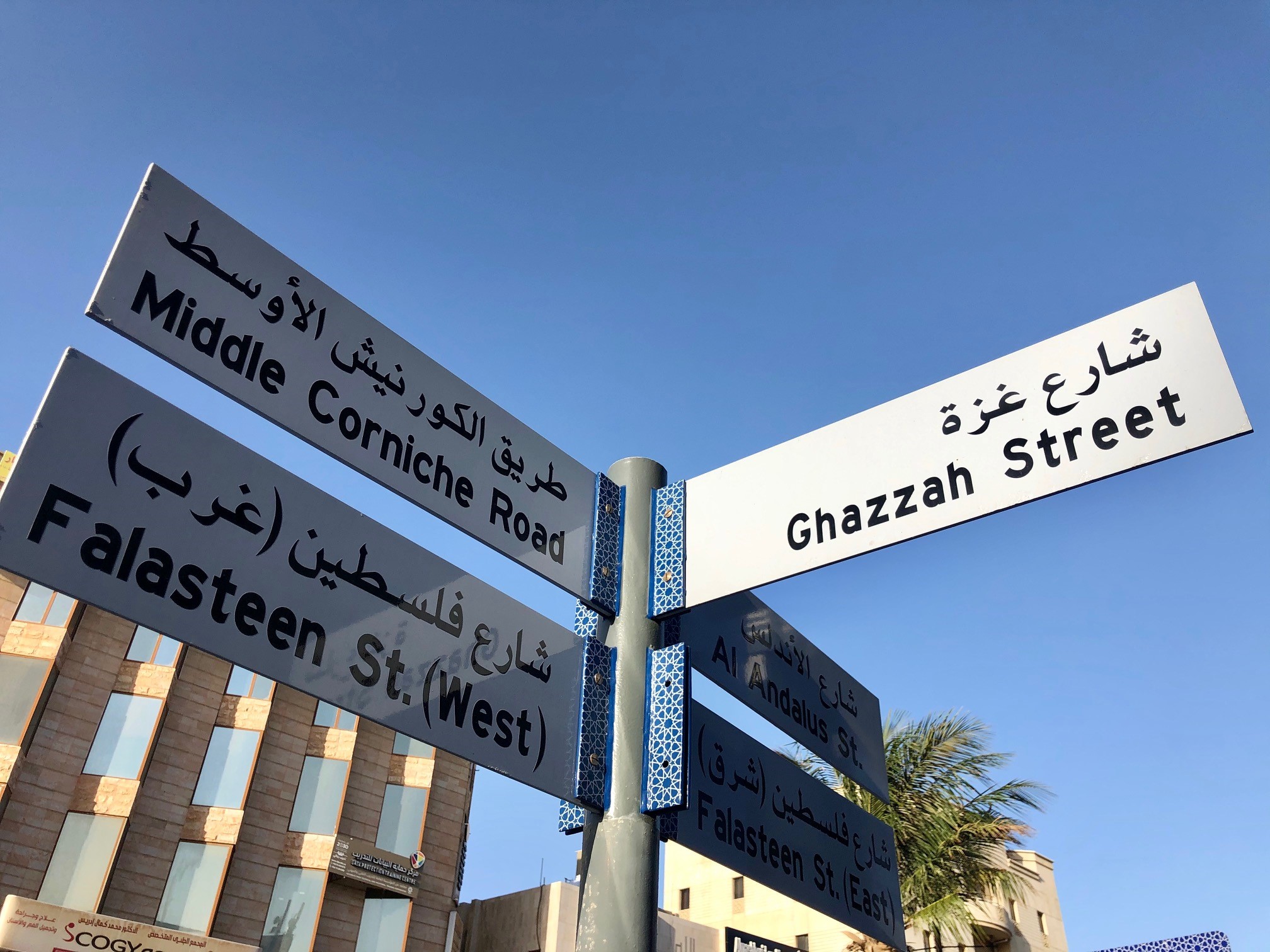
When I recently went to Saudi Arabia for a short visit, I had to go and find Ghazzah Street, and see the place that Mantel had reimagined in her fiction for myself. Within 72 hours of setting foot in the Kingdom, I was there, and a spot of surreptitious literary detective work (and pilgrimage) had begun.  

 So here is Ghazzah Street, 9 blocks in from the sea, in Hamrah in Jeddah’s downtown, just off Shari’eh Falasteen (Palestine Street). Several of the buildings look plausible as the likely home of Frances Shore in the novel -which thinly fictionalised the first apartment Mantel actually lived in. Much has changed – Ghazzah Street now has a swanky business hotel, Palestine Street is beautifully pedestrianised, and women are allowed to drive – but parts of the built environment dating from the 1970s and 1980s are exactly as Mantel would have encountered and thinly fictionalised in the novel. In fact, Mantel spent not eight months in Jeddah, but stuck it out for four years, in three different addresses in Jeddah and one outside of the city, accompanying her geologist husband. 

Mantel hated her time in Saudi Arabia and to the best of my knowledge, has never been back. And yet, it was those four years, living in the most gender repressive society on earth, that was the crucible that forged her as a writer. She had time to write, as denied the ability to work or drive, she could do little else. Like her fictional character Frances Shore, Mantel read her way through the British Council Library’s collection of detective fiction, and similarly, kept a diary of her day to day life. She arrived as a housewife and left as a professional writer, with two novels under her belt, and the material – her Jeddah diaries – for her third, Eight Months on Ghazzah Street, ready to go. She worked through her material and wrote the novel back home in England during the winter of 1986, in a world that ‘always seemed to be dark’. Even before the novel was published, Mantel’s Jeddah material was winning awards: her first literary prize was as the first ever recipient of the Shiva Naipaul Memorial Prize for Travel Writing (1987) for a piece on Jeddah. 

 So, if you are thinking of the place that turned Hilary Mantel from a geologist’s wife into an awardwinning novelist, look to Jeddah, and not just for the inspiration for Eight Months on Ghazzah Street. Surely, there could have been no better preparation for writing about absolute male patriarchy and the divine right of kings in Tudor England than having lived in the Kingdom of Saudi Arabia? Perhaps even more ironically, Mantel now has a readership within the Kingdom: Wolf Hall and Bring up the Bodies are both openly sold and read there, as my own visit to Jarir Books, Jeddah’s largest physical and online book retailer, located just a few kilometres away from Ghazzah Street, proved. 

George Eliot’s Piano

Dr Delia da Sousa Correa, Senior Lecturer in English

22nd November 2019 marks the 200th anniversary of the birth of novelist George Eliot, born Mary Ann Evans. Appropriately 22nd November is St Cecilia’s day, in honour of the patron saint of music. Music played a particularly vital role throughout Eliot’s life and this is reflected in the musical characters and pervasive references to music in her fiction. She was a keen piano pupil who continued to play in adulthood, and she loved attending concerts. Handel’s Oratorios featured large as they did for many of her contemporaries, and so did composers such as Beethoven, Schubert and Schumann, whose work she could also play at the piano. Eliot was one of the first champions of Wagner in Britain, although she was less enthused by his music than by his ideas on dramatic unity. The Romantic repertoire was where she was most at home. With her partner, the philosopher and scientist George Henry Lewes, Eliot enjoyed opportunities to hear music in London and abroad, meeting Liszt on their first visit to Weimar together in 1854. In London, they attended both public concerts, in fashionable venues such as St James’s Hall, and private concerts where leading musicians such as the violinist Joseph Joachim and singer (later conductor) George Henschel, performed for guests. Music making was also a significant part of their own social entertainments and domestic life.

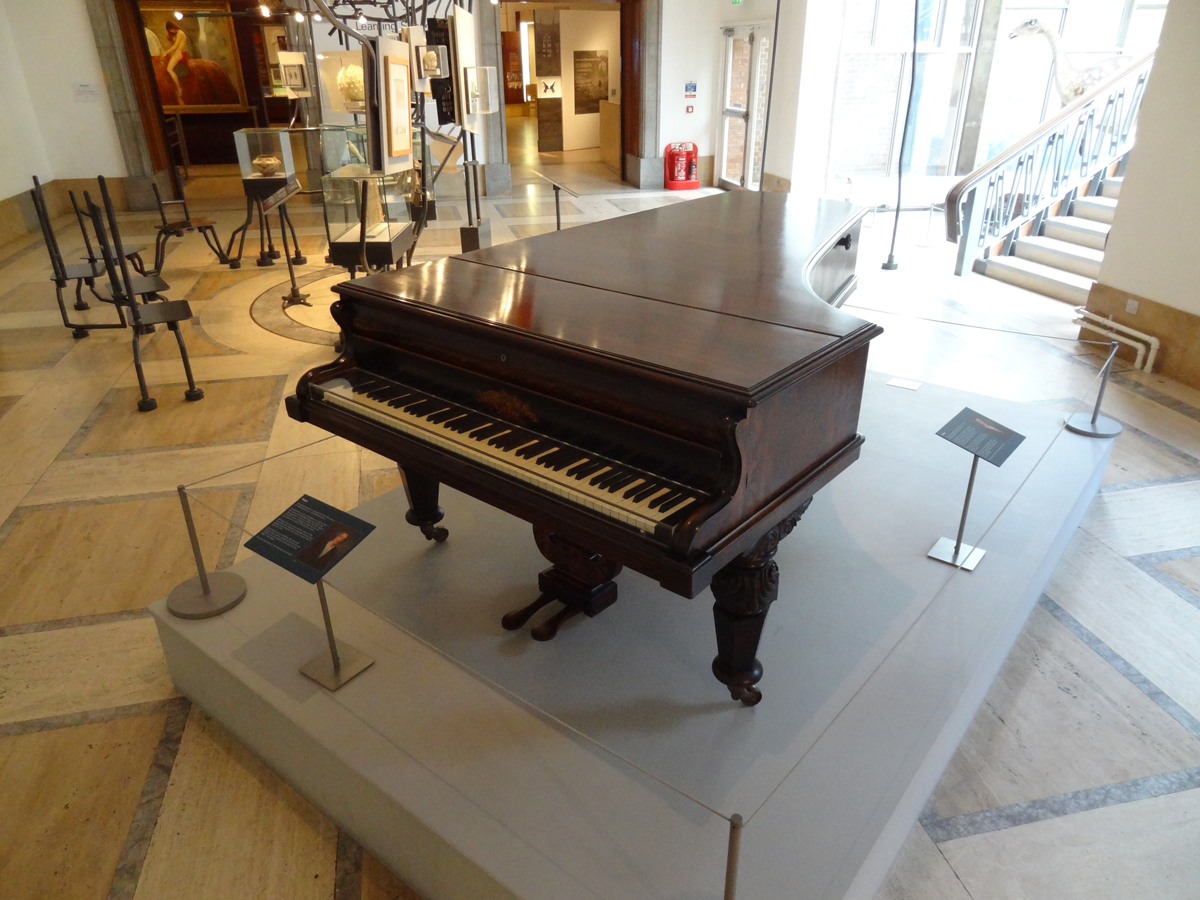
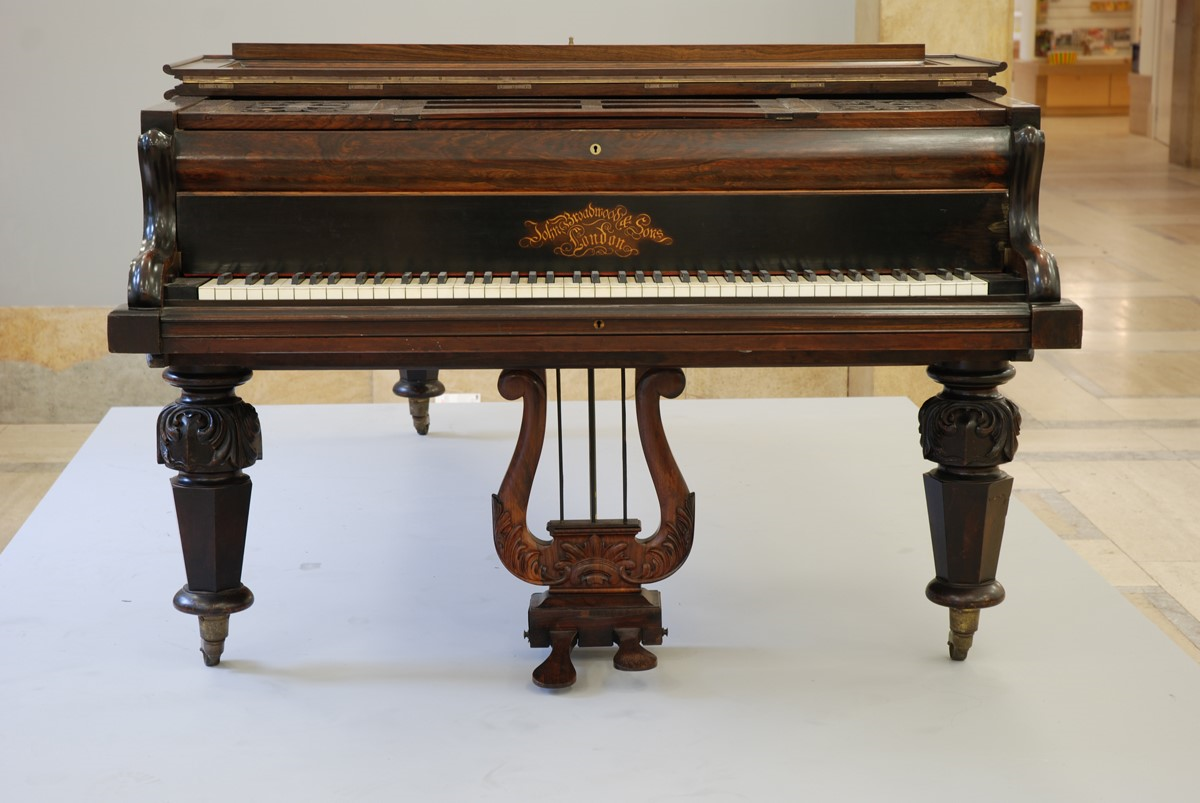
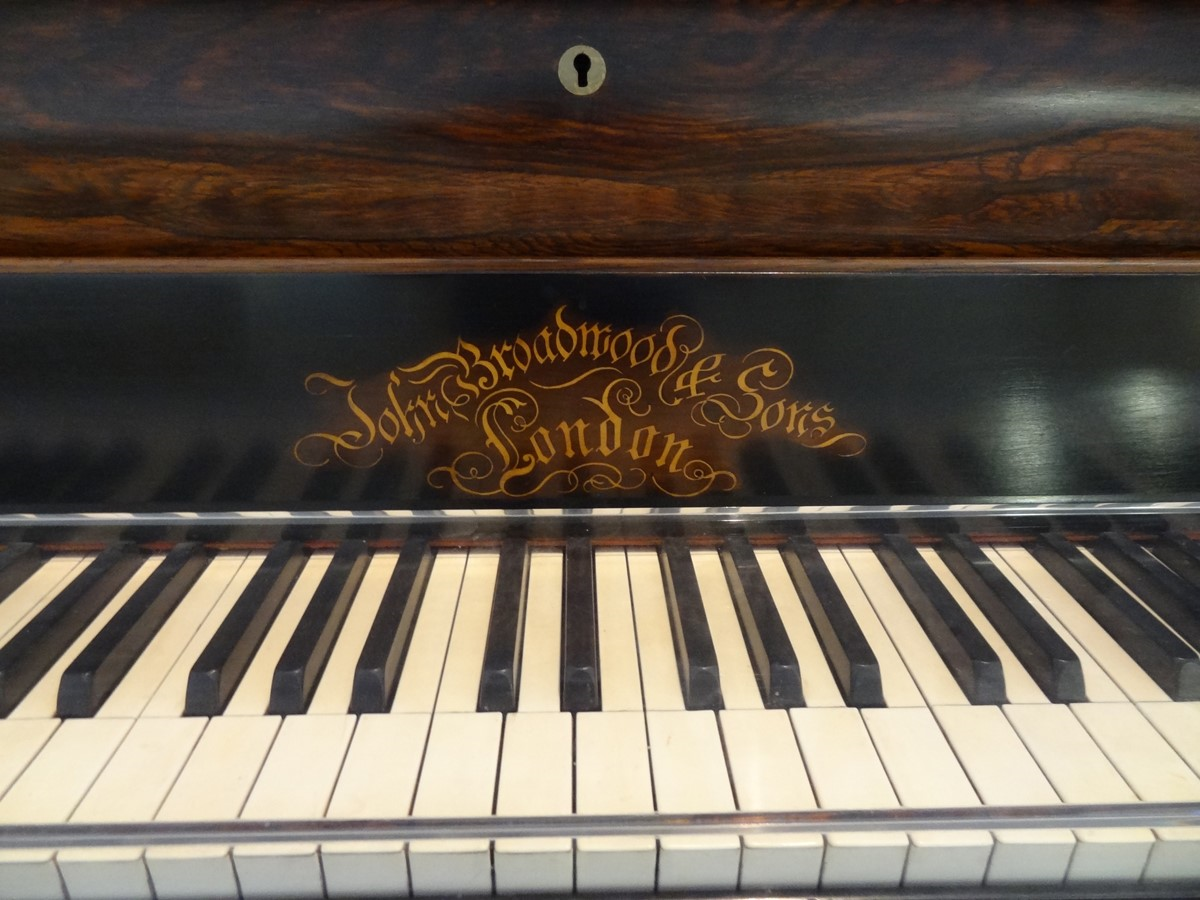
A material trace of Eliot’s passion for music remains in the form of a fine Broadwood piano, now housed at the Herbert Art Gallery & Museum, Coventry which was purchased by Lewes for Eliot’s 50th birthday. It thus became a presence in her life precisely 150 years ago on this 22nd November. Her anniversary provides a fitting opportunity for us to reflect on what this piano meant to her and what it adds to our understanding of her life and work. For us it’s also a question of what significance we invest in material relics of the past; what does Eliot’s piano, standing there in the museum, mean to us 150 years on?

On 22 November 1869, this piano was delivered to a grieving household. Lewes’s middle son, Thornfield, had returned from farming in Africa with a painful illness and had died, aged 25, just a month previously. Neither Eliot, who was writing Middlemarch, nor Lewes, were able to work. That the piano was purchased now, marks its significance. Not surprisingly, no flurry of references to the new piano fills Eliot’s correspondence at this date. Fittingly however, the piano is an implied source of solace a decade later when, on the first anniversary of Lewes’s own death, Eliot’s diary for 8 Sept 1879 reads simply: ‘Darwin. Schubert’ (Journals, 180). ‘Darwin’ may denote a visitor, or his books; Schubert she must have been playing at the piano. Eliot’s journal further records that she had ‘Touched the piano for the first time’ after Lewes’ death on 27th May (Journals, 175). However the piano, which survives in the Herbert Art Gallery and Museum, represents not just the personal importance of music for George Eliot but its significance for numerous areas of Victorian culture.

The purchase of this fine piano was possible because of Eliot’s success as a novelist, although the fact that it was acquired before the publication of Middlemarch, which made her wealthy, is a further indication of its priority. Nor was it the first Broadwood that Eliot had owned. The first, purchased in 1861, marked an early milestone in her successful career. The enthusiasm conveyed in Eliot’s letters communicates the central place a piano occupied in the Lewes’s domestic and social lives. ‘Today our new grand piano came – a great addition to our pleasures’ Eliot records in her journal for 1st October 1861 (Journals, 102). Later that month, she writes that a state of good health and spirits might be attributable to her ‘new grand piano, which tempts me to play more than I have done for years before’ (Letters, III:460). The next year she mentions being unhappy with the piano’s touch – no doubt among the reasons for subsequently replacing it (Letters, IV:30). Despite this reservation, Eliot makes repeated references over the following years to the benefits she derives from ardent and energetic practice (Letters, IV:120, 127). In 1862, the Lewes’s rearranged their entire drawing room to improve the piano’s position and sound (Letters IV:30). It became a centrepiece of social gatherings including the increasingly important Sunday salon held at The Priory, their house at 21 North Bank, Regents Park, purchased in 1863; from 1869 this will have been the place occupied by the new piano, when the Sunday salon resumed shortly after the death of Thornton Lewes for whom Eliot had frequently played during his illness. Their musical evenings were attended by an array of literary and scientific figures, including the poet Robert Browning and Herbert Spencer, founder of sociology, who would join in the singing.

The arrival of Eliot’s first Broadwood had been celebrated, on 5th October 1861, with a ‘Beethoven night’ the first of many musical evenings in which music of the Romantic period predominated (Letters, III:456). Eliot owned numerous Beethoven scores and when she acquired her first Broadwood, had been playing Beethoven duets ‘with increasing appetite every evening’ with her eldest step-son, Charles Lee Lewes (Letters, III:346). The liberal politician Frederick Lehmann (1826-1891), who visited The Priory to play Mozart and Beethoven sonatas for piano and violin with Eliot during 1866, described her as ‘a very fair pianist, not gifted, but enthusiastic, and extremely painstaking’; their audience was Lewes who would ‘groan with delight whenever we were rather successful in playing some beautiful passage’ (Letters, VIII: 385 n.7). In October 1868, Eliot wrote to Charles requesting him to buy ‘some music from your city man’; she asked Charles to choose ‘things by Schumann and Schubert, of the genre, for example, of Schumann’s Arabesque.’ (Letters, IV:478). Also I should like to have an arrangement of Verdi’s best operas for the Piano. Pater likes hearing those things’ (Letters, IV:478). Verdi was certainly not the only opera composer to be played, in piano reduction, on this new piano. In the late 1870s, when Lewes was already seriously ill, John Cross discovered him giving enthusiastic renderings of Rossini, singing ‘the great portion of the tenor part in the Barber of Seville – George Eliot playing his accompaniment, and both of them thoroughly enjoying the fun’ (Cross, III:334). The composers that Eliot played on this piano are frequently alluded to in her novels and Romantic composers in particular were a standard against which literary contemporaries were measured. In an 1856 review she wrote that ‘Turning from the ordinary literature of the day to such a writer as Browning, is like turning […] to the distinct individuality of Chopin’s Studies or Schubert’s Songs’ (Selected Essays, 350). While most details of their existence are lost to us, the wood and metal structures of this piano, that once sounded in response to Eliot’s touch, embody the meetings in music and conversation shared by the writer and her contemporaries.

Works Cited

George Eliot, The George Eliot Letters, ed. Gordon Haight, 9 vols., (Yale University Press, 1954-78). Cited as Letters.

The Journals of George Eliot., eds. Margaret Harris and Judith Johnston, (Cambridge University Press, 1998). Cited as Journals.

George Eliot’s Life: As Related in her Letters and Journals, ed. J.W. Cross, 3 vols., (Blackwood, 1885). Cited as Cross.

Selected Essays, Poems and Other Writings, ed. by A. S. Byatt and Nicholas Warren, (Penguin, 1990). Cited as Selected Essays.

Further Reading

Delia da Sousa Correa, George Eliot, Music and Victorian Culture, (Palgrave-Macmillan, 2003).

‘George Eliot, Schubert and the Cosmopolitan Music of Daniel Deronda’, The Edinburgh Companion to Literature and Music, ed. Delia da Sousa Correa, (Edinburgh University Press, 2020).

Photographs of George Eliot’s piano by kind permission of the Herbert Art Gallery & Museum, Coventry


Creative Writing Workshops on Word/Image Relationships

Patrick Wright, PhD Creative Writing Student

Over the last year or so, I have been facilitating a series of creative writing workshops on the theme of responding to images or objects. I was interested in exploring some outreach opportunities, especially the application of my current PhD research: on the ekphrasis of abstract or monochromatic artworks, supervised by Siobhan Campbell and Jane Yeh. In part, I was looking to test some of my poetic strategies and methods with the general public: those who already thought of themselves as practitioners or had a casual interest in creative writing.

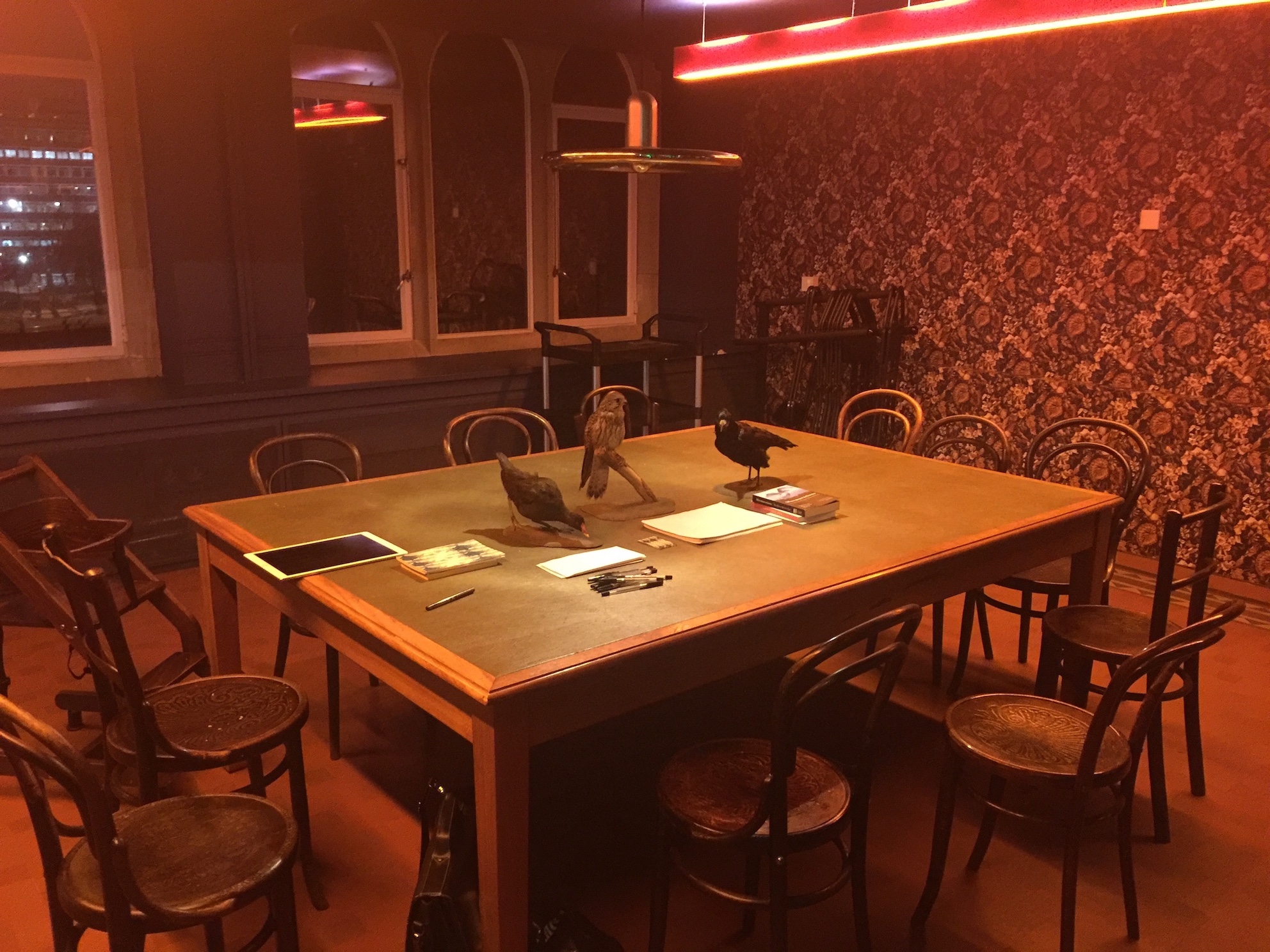
I began with a short series of workshops at the Whitworth Art Gallery and Manchester Museum (autumn 2018 – spring 2019). Here I asked participants to respond to a visual prompt. At the Whitworth, this was an artwork that could be freely chosen after having wandered around the gallery; and at the museum, I selected some artefacts from the holdings on the theme of ‘flight’, and these were presented in the middle of a table, as shown below.

The groups were asked to explore some free writing in response to their prompt over the duration of 25 minutes. We then discussed the experience and approach, and we had an opportunity to read out what we’d written.

Given that the series was funded by the Arts for Health Programme at the University of Manchester, and the workshops were aimed at carers, I also felt it was appropriate to discuss the therapeutic effects, if any. I was interested in the possibility of writing as catharsis, especially while using images or objects as a form of mediation. I was grateful to the participants that we were able to have these conversations towards the end of each session.

More recently, I ran a joint workshop (again on creative writing in response to images and objects) with Fran Hughes, as part of the AHRC conference on Trust and Truth at the University of Cambridge (September 2019). In this case the participants were, for the most part, postgraduates. Here we asked them to work in groups, using a similar method to that used in the parlour game ‘consequences’, to produce creative writing and images. Not only did the exercise result in some highly imaginative first drafts, it also worked fantastically well as an icebreaker and encouraged participants to get to know one another.

At present, I am now working again with Manchester Museum on the Creative Writing for Carers scheme. I have been asked to run a series of sessions through the autumn (2019), which will also function as a short course. With the additional time and scope, I want to explore a wider array of possibilities, especially in terms of how participants might approach their interaction with a chosen artefact. In addition to grounding what can often be highly specialised ideas (such as ekphrasis) in the playfulness of creative writing sessions, I also hope to glean new ideas for my own practice and add a social dimension to my research activity.

Thoughts on retreat, writing and solitude as the nights draw in

Joanne Reardon, Lecturer, Creative Writing

The popularity of writing retreats has grown and grown over the past few years: retreats masquerading as holidays where not much writing is done, teaching retreats where you get a writing tutor thrown in, retreats where you can be totally alone. The most important thing is solitude, the space to write where you are given your own desk and your own room and the promise that when you leave you might be on your way to creating your greatest work. I’ve been on two this year: at Gladstone’s Library for a weekend and the Arvon Foundation’s Clockhouse Writing Retreat in Shropshire where, for the past few years, I’ve spent a week each August writing and thinking in the kind of solitude that allows me the kind of creative freedom I just don’t get every day.

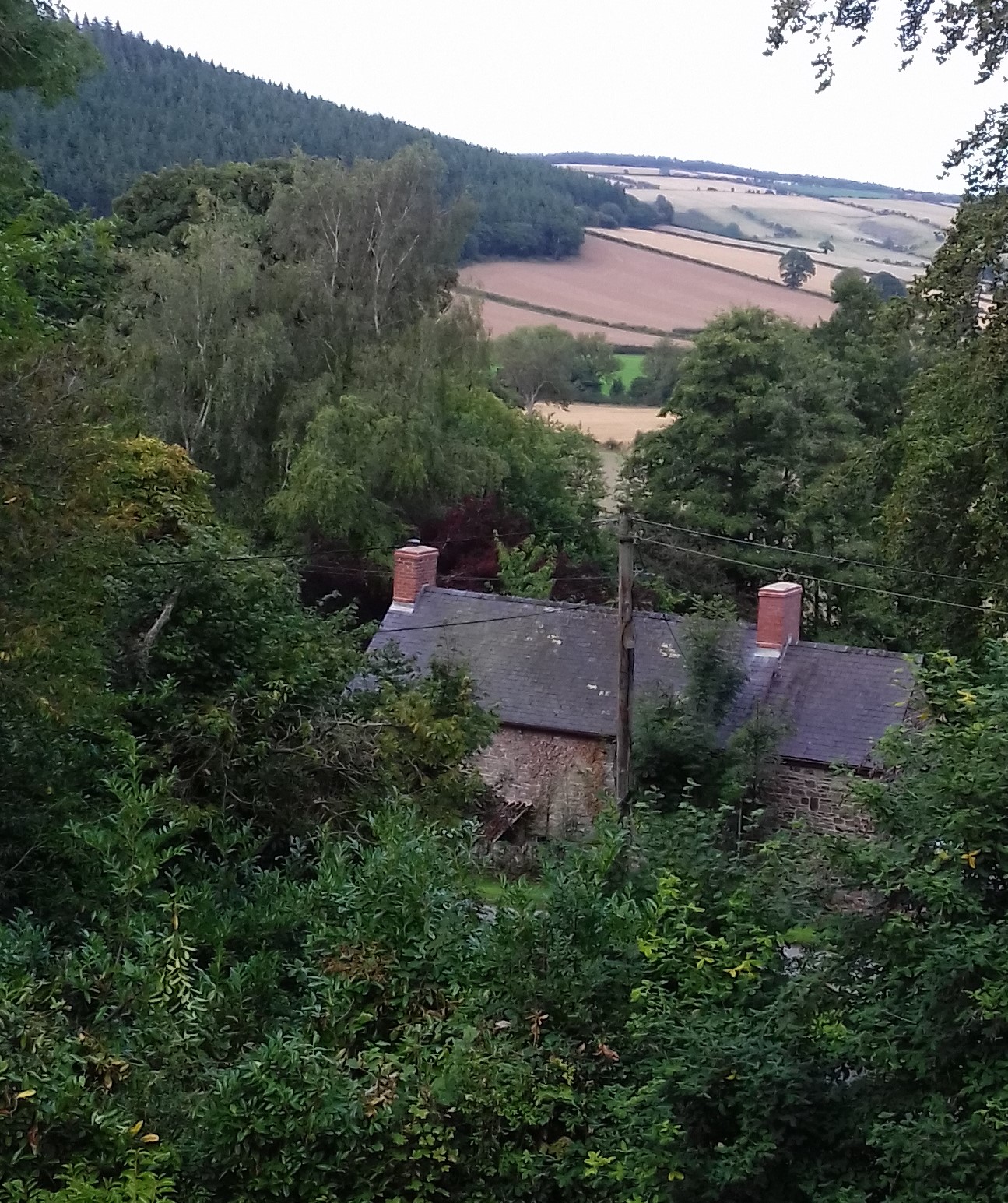
View from the Clockhouse, The Hurst, Clun, Shropshire

Retreat in the traditional sense has always indicated some kind of withdrawal to a secluded, quiet place where we might find silence but where we might also find isolation. In a world where the common cure for loneliness means creating ever more connections, this kind of isolation where we spend time alone with our thoughts can seem a frightening place to be.

I recently discovered Michael Harris’s book Solitude, in pursuit of a singular life in a crowded world which examines the idea of solitude as ‘a resource’ which can be ‘harvested and hoarded’ and to which there are ‘benefits to maintaining’ so that it might enrich us. Solitude he says is ‘a fertile state, yet one we have a hard time accessing’ (Harris, M. (2017) p.29). This idea of solitude is always on my mind at this time of year because October always seems to me like a month for contemplation. The psychiatrist Anthony Storr writing in 1988 explains in his book Solitude that ‘nearly all kinds of creative people, in adult life, show some avoidance of others, some need of solitude’ (Storr, A. (1988) p.146). This suggests the imagery of an artist tucked away in her studio, the writer trapped in a garret and these are the clichés that jump into people’s mind whenever a writer talks about having private space in which to write or indeed of needing it. Sara Maitland has written a great deal about silence and the retreat into being alone and in her book How to be alone talks about ‘being fascinated by silence; by what happens to the human spirit, to identity and personality when the talking stops, when you press the off-button, when you venture out into that enormous emptiness’ (Maitland, S. (2014), p. 7).

Some years ago, I attended a silent retreat at Loyola Hall in Widnes near Liverpool which turned out to be a transformative experience and taught me for the first time the value of silence and of living with only my thoughts, which weren’t good at the time, for company. The place felt isolated even though it was virtually on the hard shoulder of the M62 motorway near Warrington. There were pylons which ticked like crickets running through the wild, untended grounds and in the woodland which closed the hall off from the outside world, a dog was said to roam, hiding from the owner from whom it had so cleverly escaped. I spent hours walking, looking for the dog – a King Charles spaniel apparently; I spent hours sitting in the lounges, eating in silence; I spent time reading and thinking. It’s when you disappear into your own head that you worry you will find the madness you’ve been hiding from all this time and the surprise is that the opposite can happen. It surprised me and at the time I think it saved me. Several years later I was commissioned to write a short story to accompany some paintings in Warrington Art Gallery only a few miles from the hall. I decided to set my story there making the fictional place into a retreat for people broken by life which was exactly how I had felt when I set foot in there myself. ‘My Mind’s Eye’ was about a singer suffering from PTSD following the loss of her daughter in a car accident, she exists in the company of other people broken by life and slowly through the power of isolation and then through comradeship, the healing begins.

Michael Harris talks about the power of daydreaming where to retreat needn’t be to remove oneself to a physical place for a length of time because every day can deliver moments where being alone can ‘allow for the drifting, unfocused mind to be inspired’ (Harris, M. (2017) p. 54). This kind of retreat is often the most productive not only to find peace but also, I’ve found, as an essential part of writing. It’s the place where ideas begin and this is something I’ve been writing about for just over a year now in my own blog A Writer Retreats where I explore the idea of retreat being as simple as gathering leaves in an autumn garden or walking up an Alpine hill in the darkness listening for wolves. Somewhere there’s a story out there, in the space between thinking and doing. Retreat brings me back to myself when I feel like things are slipping away and connects me to my creative self.

It seems as if I’m not alone in feeling like I want to retreat at this time of year. On Mental Health Day on October 10th last week, I was on a train coming back from Liverpool when some volunteers from The Samaritans boarded the train to hand cards out for people who might need them. I was struck by how many people refused then went back to staring at their phones, out of the window, looking away. ‘We can offer a retreat when you think the world has forgotten you,’ one of the volunteers said in answer to someone who had engaged them in a conversation. I took a card, looked out of the window, the rain beating against it in the darkness, all those lights in tower block windows and so many people in there on their own and thought about Michael Harris’s words that ‘True solitude – as opposed to the failed solitude we call loneliness – is a fertile state, yet one we have a hard time accessing’ (Harris, 29). How can we tell the difference and what do we do if we can’t?


Harris, M. (2017) Solitude, in pursuit of a singular life in a crowded world London: Random House

Maitland, S. (2014) How to be alone London:Macmillan

Storr, A. (1988; reprint 2005) Solitude New York: Free Press

‘Let Me Tell You A Story’: Reflections on the EastSide Arts Festival, Belfast

Patricia Ferguson, PhD student, English Literature

‘Let me tell you a story’ was the principal theme of this year’s EastSide Arts festival. These are my reflections on four events which seem to me to resonate profoundly with the present state of affairs in Northern Ireland. The Irish genius for the ancient art of storytelling has never dimmed; it has become if anything brighter than ever in recent years. Libraries NI has its own Storyteller in Residence, whom I was privileged to meet. (Tales & Tunes With Liz Weir). Her first job had been as Children’s Librarian for the City of Belfast in 1976, when the Troubles were at their height and where they remained for the next twenty years. Undeterred by all this, she started a storytelling group at the Linen Hall Library in 1985, calling it ‘The Yarnspinners’: ‘I had a dream that one day there would be story telling groups all over Ireland. That dream has sort of come true; there are now the Tullycarnet Yarn Spinners, the Dublin Yarn Spinners, the Cork Yarn Spinners, there’s a group in Castlerock now as well.’[1]

Our event took place at Tullycarnet where yarns have been spun at least once a month for twenty-seven years. There were more than a hundred of us in that small library, brought to tears of grief and laughter by tales tragic, poignant, and hilarious, and beguiled by Maeshine’s exquisite melodies. If the musica universalis became audible to the human ear it would surely sound like this.

Word and song came together in a different way at St Martin’s Church on the Newtonards Road. (An Evening With EastSide Choir & Women Aloud NI) After each song, two members of the award winning writing group responded with stories or poems written specially for the occasion. The effect was startling; quite ordinary, well-known songs discovered the power to evoke the most personal memories and to inspire some intriguing yarnspinning. (I want to hear the murder mystery tale again!) All the same, I was constantly distracted by remembering where we were: St Martin’s Church of Ireland is just across the road from St Matthew’s Roman Catholic Church – a stone’s throw, in common parlance. As everyone in Belfast knows, plenty of those, and much worse, were thrown throughout the night of 27-28 June 1970 in what became known as ‘The Battle of St Matthew’s’. We are on the edge of Short Strand, a small Catholic enclave in the heart of Protestant East Belfast, where ‘Catholics believed that they were about to become “victims of a Protestant pogrom” and Protestants believed they were on the “eve of an IRA insurrection”’.[2] The rights and wrongs of these perceptions are still argued over and each can sound as plausible as the other: compare and contrast, for example, the accounts of the battle given by An Phoblacht and Long Kesh Inside Out.[3] [4]

In such an impasse is a just judgment even possible? This question is as old as it is intractable; it was asked by Sophocles in the Antigone more than two millennia ago and, still unresolved, was discussed here at the Festival by Northern Ireland’s Attorney General himself, John Larkin QC. (Antigone: A Choice Between Law and Justice?) The Irish have long seen parallels between the Greek classics (especially Antigone) and their own situation. In 1984, while the Troubles raged around them, Irish playwrights presented it in four different versions. One of these, Tom Paulin’s play, The Riot Act, is set in Northern Ireland, where: ‘Creon becomes a Unionist politician devoted to law and order, and Antigone becomes a republican who wishes to bury her dead brother. Here the alien laws of Creon’s Unionist state are opposed by Antigone’s devotion to the native ethos of family, kin, tribe. As Antigone says: “Down in the dark earth/ there’s no law says,/ Break with your own kin, go lick the State”. ‘[5]

Seamus Heaney took up this theme in his own translation of the play, The Burial at Thebes (London: Faber, 2004). Comparing the burial of the hunger striker, Francis Hughes, in 1981 to Antigone’s burial of her brother he asked: ‘By what right did the steel ring of the defence forces close round the remains of one who was son, brother, comrade, neighbour, companion?’ and found no satisfactory answer. I heartily recommend the lecture, which is in the public domain and can be found here: 

Immediately after the lawyer came the journalists. (Reporting the Troubles: A Discussion). This was a book launch for the second edition of Reporting the Troubles: Journalists Tell Their Stories of the Northern Ireland Conflict, compiled by Deric Henderson and Ivan Little (Newtonards: Blackstaff Press, 2019). They and their colleague Eamonn Maillie chaired the discussion. They looked at us with haunted eyes. They had been there throughout those thirty years, never knowing whether they would find themselves reporting atrocities happening in their own families. The book is indeed, as it says on the cover, ‘a landmark book, raw, thought provoking and profoundly moving, a remarkable act of remembrance’. But always the question arises: how much should be remembered? Surely the best thing to do is let the past go? Gail Walker, editor of the Belfast Telegraph, thinks not. ‘That’, she says in her contribution to the book, ‘is a recipe for mass neurosis, delusion, and moral hypocrisy – that, to keep the “peace” we must inflict another kind of violence on survivors, censoring their stories, blue-pencilling the raw heart and hurt mind’. (pp. 222-23)

On the contrary, we must hear as many stories as possible.

[1]    ‘Meet the Teller: Liz Weir’, Liz Weir: Storyteller, Writer, (2019) <https://www.lizweir.org/liz-goes-digital/> [accessed 21 August 2019]

[2]    ‘Battle of St Matthew’s 27-28 June 1970’, Belfast Child: Remembering the Victims, <https://belfastchildis.com/2016/06/26/battle-of-st-matthews-27th-28th-june-1970/> [accessed 21 August 2019]

[3]    ‘Remembering the Risen People: The Battle of St Matthew’s and the Falls Curfew’, An Phoblacht/Republican News <https://www.anphoblacht.com/contents/25115> [accessed 21 August 2019]

[4]    ‘De-bunking the Myth of the “Battle” of St Matthew’s’, Long Kesh Inside Out <https://www.longkeshinsideout.co.uk/?p=3720> [accessed 21 August 2019]

[5]    Amid Our Troubles: Irish Versions of Greek Tragedy, ed. by Marianne McDonald and J. Michael Walton (London: Methuen, 2002), pp. 52; 208.

Ten days with Edith Wharton: impressions of an archival visit

By Isabelle Parsons, PhD student, English Literature (1)

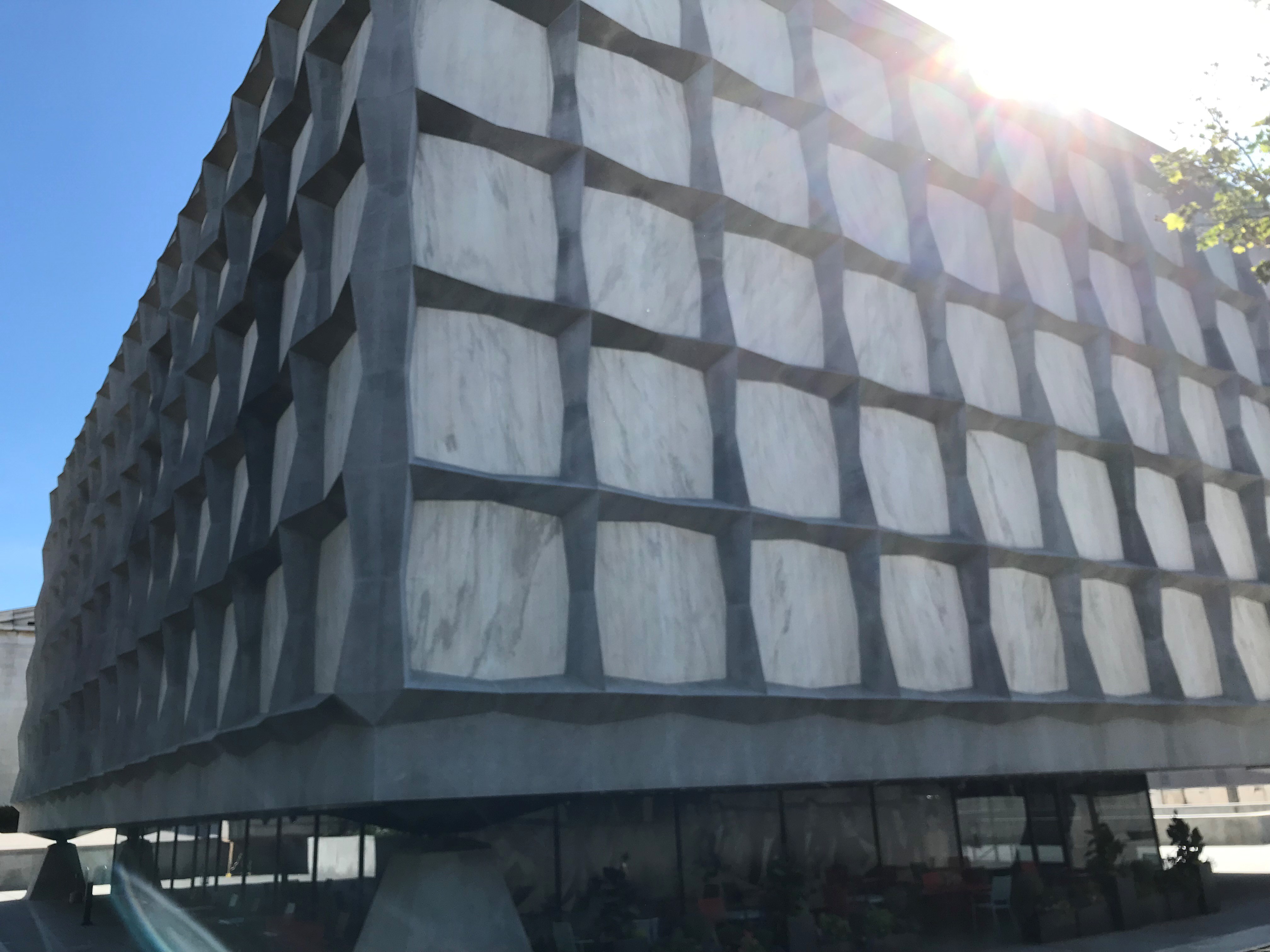
It’s a Monday morning in June and I’m standing in front of the imposing granite and marble cube that is the Beinecke Rare Book and Manuscript Library at Yale University. I’ve spent the past four years studying published texts, correspondence, biographies and scholarship relating to Edith Wharton’s work, especially her portrayals of women through the use of secrets and silences. Now I’m about to examine the most relevant portions of the archival paper trail of her life.

The Beinecke Rare Book & Manuscript Library

3 June – Heaven under surveillance
Inside the Beinecke cream-coloured carpet muffles sound, black leather-backed chairs surround generous desks, and Gertrude Stein looks down from the wall.

The manuscript for The Age of Innocence is being scanned off-site, so I move straight on to A Backward Glance. I note Wharton inserting the phrase ‘secret lisp’ to describe the sound of arbutus buds in the spring woods near Mamaroneck.[2] Then she adds the word ‘secret’ to describe her reading practice as ‘a secret ecstasy of communion’, before explaining why she’s chosen this particular adjective.[3] Understanding dawns – Wharton is saying that she attaches value to concealment, in an autobiography that is noticeably reticent.

4 June – Hunting for silences in The Reef
Sophy’s manifesto-like exclamation, ‘“I wanted it––I chose it. He was good to me––no one ever was so good!’”, where every pause drives home her certainty, is absent from the manuscript.[4] And the narrative leaps from Anna learning about Darrow and Sophy’s past, to a chapter I don’t recognise from the published text, one where she wakes up ‘an hour or two before dawn, got up and threw open the shutters of the bedroom windows. The intense silence of a muffled sky hung in the woods and fields.’[5] This, then, is transmission history in action, showing me Wharton’s creative mind at work.

5 June – Wharton writes women
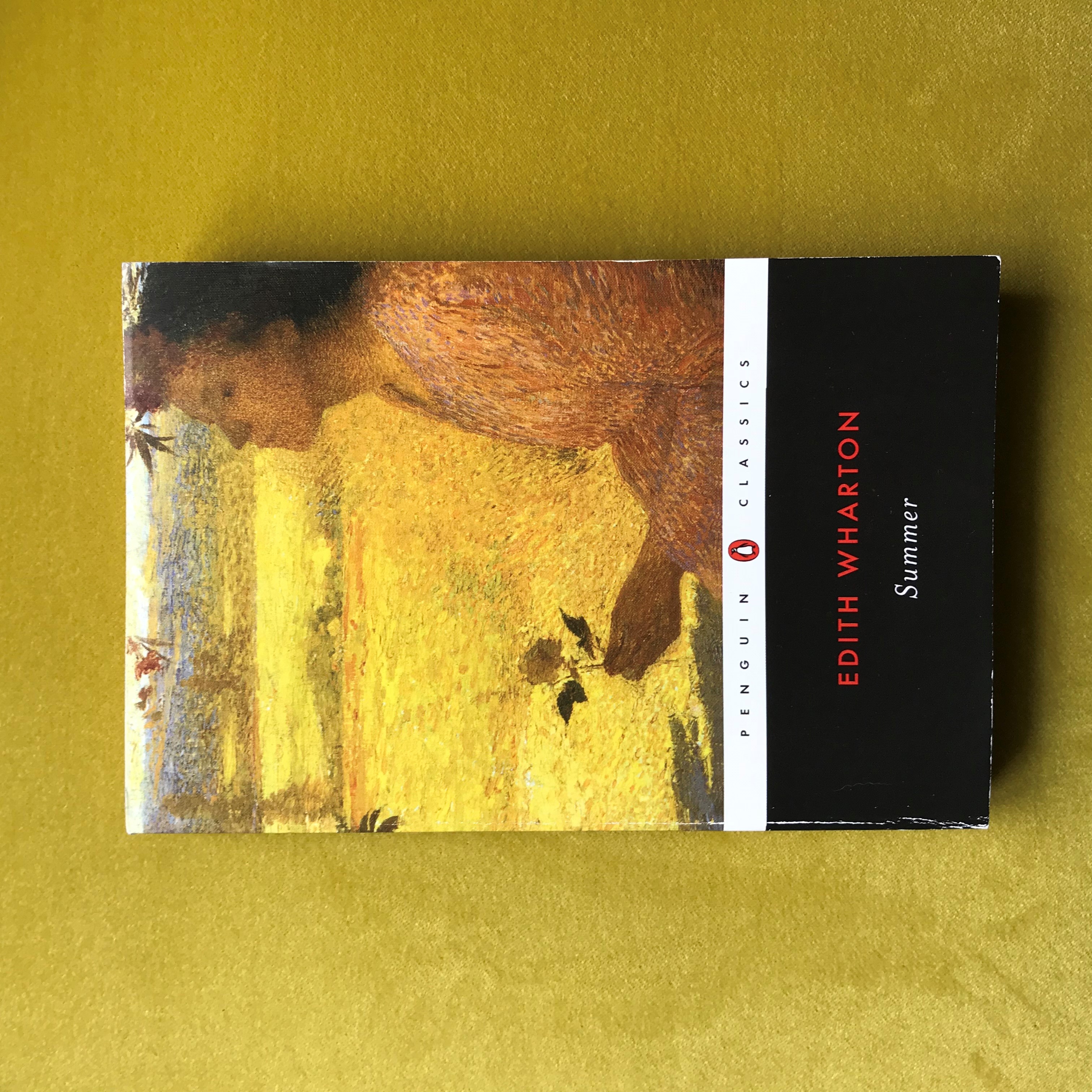
Lawyer Royall says something extraordinary in the manuscript of Summer, omitted from the final text: “Every thing I’ve done in my life’s been a failure,” he broke out suddenly –– “and now I’ve made a failure of this too.”’[6] The next folder I open includes the view of The Literary Supplement of the London Times (1917), which finds that Royall and his ward

[…] are remarkable beings indeed, a bitter girl and a tarnished old man; […] he is a really rich piece of creation, a masterful louche, obscurely battered and defeated derelict of his world; he does not, one feels, get all the display he should have had.[7]

But the evolution from manuscript to published text makes clear that this story is not about Royall. Wharton wants us to empathise with the girl!

6–7 June – Wharton’s war
Request scan of Wharton’s talk to American soldiers – in Paris? – despite pages missing from document. Her warmth & Francophilia unmistakeable.

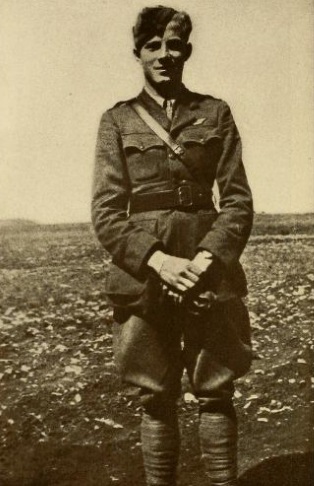
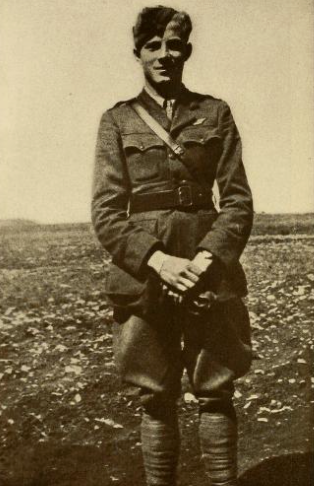
Judging by Roosevelt’s letters, he and Wharton egged each other on over American neutrality. Conrad’s letters unexpectedly gentle; it is 1 October 1917 and his son has just visited from the front. Then Bo Rhinelander’s excitement over getting into the thick of things with his ‘D H 4 with a 420 h.p. Liberty Motor’, envy of the English pilots, is palpable in a September 1918 letter to his mother, Wharton’s cousin by marriage.[8]

Philip Newbold Rhinelander (1895–1918) [9]
The last is a difficult read. Within weeks Bo’s plane is shot down, and Wharton calls on her impressive network to determine his fate.

10 June – Secrets revealed
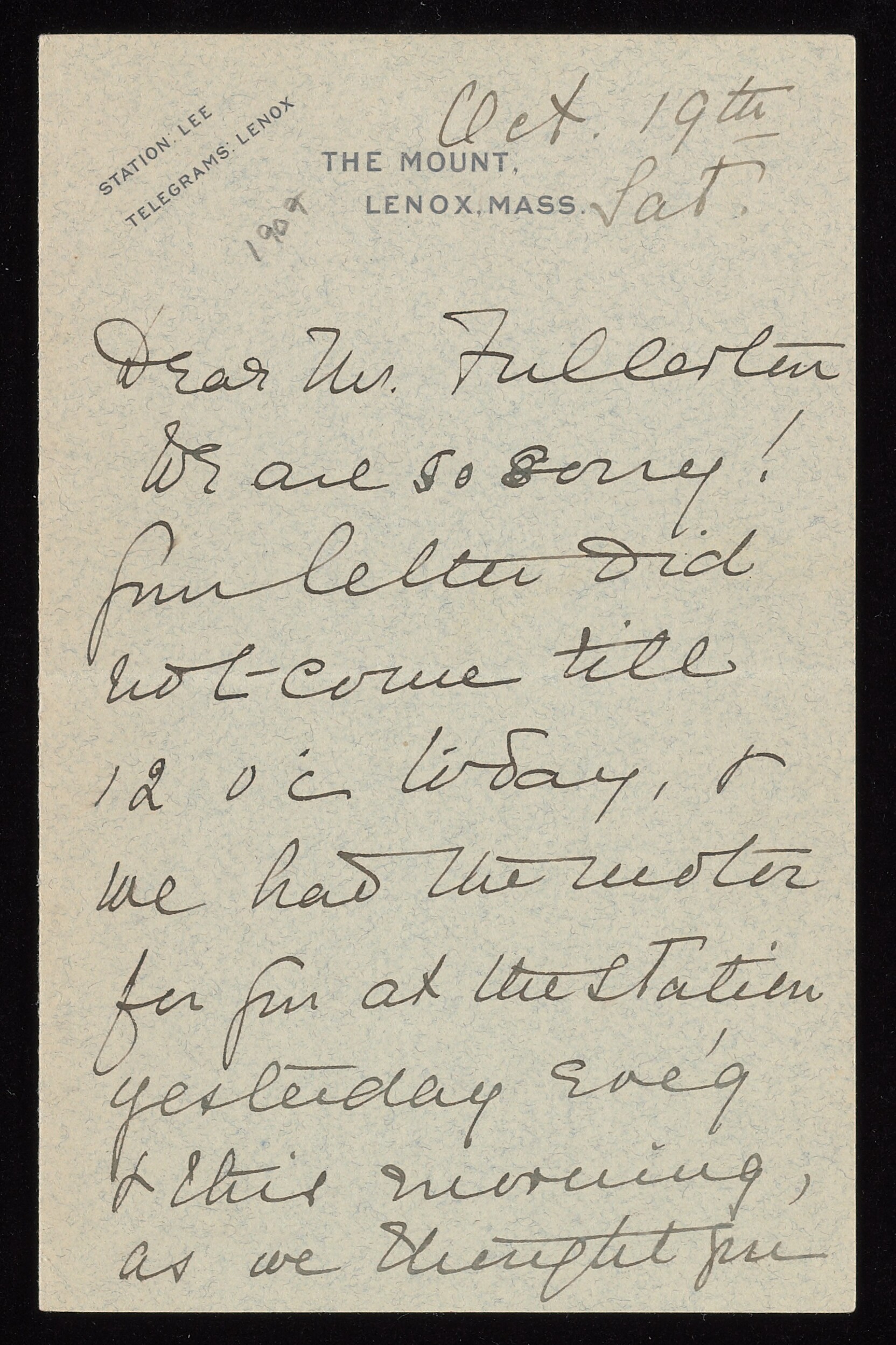
Unexpectedly discomfited by Morton Fullerton’s clandestine transcription of ‘Terminus’. Wharton destroyed the original, yet I have in front of me her intimate thoughts about a love affair that delighted and then agonised her.

Delve into Henry James’ letters, but his handwriting defies me. Call it a day and get soaked on the way home. Sandals squelching, inspiration strikes; look for Powers’ volume of James-Wharton correspondence on Internet Archive  to work out which of James’ letters are not published, and focus on those!

11–12 June – The Wharton marriage
Acrimony of the Wharton separation emerges. In December 1912 she writes to Gaillard Lapsley, ‘I’ve been going through bad times. Teddy [Edward Wharton] is in London, in the clutches of a woman, + I can do nothing. Try not to see him, please. He is pursuing all my friends.’[10] Sixteen months later Lapsley hears, ‘[…] I “get my decree” in another four or five days. I find that Teddy has registered all his various temporary brides as “Mrs Wharton” in the hotels they frequented –– rather a gratuitous last touch of ill-breeding.’[11]

Then it’s early 1914; Wharton sends Lapsley postcards from North Africa containing what can only be described as toilet humour. Stifle my laughter with enormous effort. At the next desk scholars sombrely examine medieval manuscripts.

13 June – Paper trail of a life
Wharton’s 1920 diary tracks Age of Innocence’s relentless progress, and shows Walter Berry moonlighting as her New York courier, hand delivering to Appleton the novel’s completed chapters as sent to him.

Swallowing hard again, now over diary entries for Berry’s death, and maids Elise and Gross’s.

14 June – Time passes
Photograph 1938 letter from Yale president Charles Seymour to Lapsley regarding gift of Wharton’s papers. Confirms willingness to provide ‘careful housing and protection’, ‘that the correspondence and biographical material will not be accessible for a period of years, roughly corresponding to a generation’, and that Wharton’s manuscripts ‘will be accessible only to bona fide students of literature and that none of the unpublished material be published until the copyright expires’. He agrees also to ‘the necessity of guarding against the danger that the material might fall into incompetent or unwise hands in the meantime’.[12]

Edith Wharton to Morton Fullerton, 19 October 1907 [13]
Back up my notes and photographs one more time, yet resist closing my laptop and returning the last folder to the front desk. How lucky to be of a generation with access to the words and images that today signify Wharton. Sit a while longer, thinking how ten days have wiped away the years between her life and mine.

Notes
1. Isabelle Parsons is an Associate Lecturer and doctoral student in English at The Open University. Her visit to the Beinecke Library in June 2019 was funded through an Edith Wharton Society Award for Archival Research and The Open University’s PRA and RESSF schemes.
2. Beinecke Rare Book 
and Manuscript Library, Yale University, YCAL MSS 42, Series I, Box 2, 
Folder 27.
3. Beinecke Rare Book 
and Manuscript Library, Yale University, YCAL MSS 42, Series I, Box 2, 
Folder 28.
4. Edith Wharton, The Reef (New York: Simon & Schuster, 1996), p.263.
5. Beinecke Rare Book 
and Manuscript Library, Yale University, YCAL MSS 42, Series I, Box 11, 
Folder 320.
6. Beinecke Rare Book 
and Manuscript Library, Yale University, YCAL MSS 42, Series I, Box 12, 
Folder 362.
7. Beinecke Rare Book 
and Manuscript Library, Yale University, YCAL MSS 42, Series I, Box 12, 
Folder 363.
8. Beinecke Rare Book 
and Manuscript Library, Yale University, YCAL MSS 42, Series II, Box 30, 
Folder 916.
9. James W.D. Seymour, Memorial volume of the American Field Service in France: “Friends of France” 1914-1917 (Boston: American Air Service, 1921), n.p.
10. Beinecke Rare Book 
and Manuscript Library, Yale University, YCAL MSS 42, Series VII, Box 59, 
Folder 1706.
11. Beinecke Rare Book 
and Manuscript Library, Yale University, YCAL MSS 42, Series VII, Box 59, 
Folder 1707.
12. Beinecke Rare Book 
and Manuscript Library, Yale University, YCAL MSS 42, Series XI, Box 65, 
Folder 1795.
13. Beinecke Rare Book and Manuscript Library, Yale University, YCAK MSS 42, Series II, Box 25, Folder 774.

‘An Agreement Born of Impossible Conversations’: Imagine! Festival of Ideas and Politics, Belfast, 25-31 March 2019


Patricia Ferguson, PhD student, English Literature

I have taken as my title this arresting phrase with which the poet Matt Kirkham, writing in ‘The Belfast Agreement: Twentieth Anniversary Issue’ of Irish Pages, sums up the Good Friday Agreement, an anniversary which is also the theme of this year’s Imagine! Festival.[1]  In his preface to the programme, the director Peter O’Neill invites us to enjoy ‘a unique way of imagining the future of this great city [ … ] as we try to make sense of this volatile world’. It builds on last year’s theme of restorative justice, which asked, ‘How do you change a punitive mindset into a restorative one?’

On that occasion I learned about friendship clubs, integrated schools, and heard Loyalist and Republican ex-prisoners speak from the same platform. I thought this last the most heartening of all. I thought that this Irish genius for conversation, which they call the craic, might prove sufficient to heal the city’s wounds. I realise now that none of last year’s conversations could suffice, because not one of them was impossible, not even that between the ex-prisoners. That conversation, I now see, was not in fact between them; they told their stories to us, the audience, not to each other, and left the stage unreconciled.

The conflict lasted so long that ‘only people of my age, pensioners, can recall what the peace was before the Ulster Troubles. We can speculate what life might have been like, had we not had our thirty year war’.[2]  Given such a history, that the Agreement ever happened is something of a miracle, but the brittle accord which it achieved might yet be shattered by Brexit into nothing more than a twenty year truce, because, as Mary Robinson warned, it institutionalized sectarianism. Can there be any irony more bitter than this, that ‘when a cross-party delegation visited South Africa, even Nelson Mandela had to address Unionists and Republicans separately’?[3]  If the peace is to survive, let alone grow stronger, they must learn to talk to each other.

The poet Damian Gorman (‘What Rhymes with Conflict?’), who spent ten years working with young people from both sides of the Israeli/Palestinian conflict, understands this perfectly. He read to us from his poem ‘If I was us, I wouldn’t start from here’, which is a reflection on the Agreement. He exhorted us to ‘tell your story until it’s told’, but no less vitally, to listen to the other person’s story – and he means listen; to do that, he said, you must clear a space inside yourself and let your enemy in, because ‘Each generation has a sacred task – |To tell a better story than it was told’.


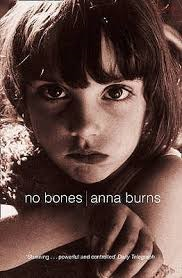
I helped facilitate the Open University’s event, ‘Reading in Conflict’. The members of my group got no further than the first extract, a passage from Anna Burns’s novel, No Bones, set in Belfast in 1983, and bringing back the most searing memories of growing up as children of the Troubles. I wish I could have recorded their stories! But as with the ex-prisoners, Catholic and Protestant talked to us, the visitors, not to each other. As the week went on I became ever more aware of the Belfast people’s urgent need to find ways of talking to each other across the sectarian divide – but how can they, when the very geography of the city is designed to stop them? The Peace Walls are obvious enough, but a multi-disciplinary research project at Ulster University, (‘Hidden Barriers’) has been able to prove that, in redeveloping the city, the authorities closed off former thoroughfares, divided through-streets into cul-de-sacs, and put in ‘a proliferation of dead-end alleyways and courtyards with a single entry-exit point’ with the express purpose of keeping Catholic and Protestant apart, a policy which defines Belfast to this day.[4], [5]

We saw some of this for ourselves, looking at Ligoniel through virtual reality headsets, and then properly on the ‘History of Terror Walking Tour’. Like Damian Gorman, our guide Paul Donnelly has spent years as a mediator; ever since the ceasefire he has been working on dialogue projects between Loyalist and Republican ex-prisoners. The interview he gave to Chris Luecke for ‘Pubcast Worldwide’ can be found here  It’s well worth a listen!

Perhaps it is because of the Brexit frenzy that the divide seems deeper than ever this year. When on the one hand I heard the poet Pádraig Ó Tuama of the Corrymeela Community use a story from the Bible (‘The Book of Ruth, the Moabites and Brexit’) to illustrate his plea for generosity and a more civic discourse; then on the other heard Ruth Dudley Edwards, quoting her friend Lionel Shriver, dismiss Sinn Féin as a ‘cancer’ (‘How Violent Republicanism Entrenched Partition’), I think I was the only person who had attended both talks. The question and answer sessions made it quite clear that neither group was there to learn; they were there to be comforted in the views they held already. Here are a few more lines from Damian Gorman’s poem on the Agreement:

The kind of myth my generation supped
Was, ‘We have better heroes than they’ve got.
For ours are much more decent – to a fault,
And if we’ve a rotten apple, they’ve the Rot’.

I burn to point out which side it is that has the Rot, but I know that until I can be cured of that, I am not part of the solution but part of the problem. I too must learn, in the poet Moya Cannon’s delightful phrase, ‘the nobility of compromise’.[6]

[1]     ‘Mission Impossible’, Irish Pages, 10, no. 2 (2019), 148-60 (p. 159)

[2]     Robert McDowell, ‘On Educating Memory’, ibid. 138-40 (p. 119)

[3]     John Gray, ‘A November Night’, ibid. 61-68 (p. 64)

[4]     David Coyles, Brandon Hamber and Adrian Grant, Hidden Barriers and Divisive Architecture: The Case of Belfast (Belfast: Ulster University, 2018), p. 10

[5]     To this day, indeed: a headline in the Belfast Telegraph, 9 April 2019, reads: ‘It should be renamed Sectarian Street – [Orange] Order questions building of houses near Belfast Orange Hall’.

[6]     Title of Moya Cannon’s article, ‘On the Nobility of Compromise’, Irish Pages, 10, no. 2 (2019), 76-83