Archive for the ‘History of the OU’ Category

Registration now open!

Thursday, October 13th, 2011

The History of The Open University Project is very pleased to announce that registration for the following event is now open.

What have we learnt?

Transmitting knowledge, facilitating learning c1960-2010

29 November 2011, 10:30-15:30

Library Seminar Rooms 1 and 2, The Open University, Walton Hall, Milton Keynes MK7 6AA

Higher education has played a significant role shaping our culture and our social, religious, ideological and political institutions. Since the Second World War, in common with other western societies, the UK developed mass higher education from an elite format. New universities opened and existing institutions became polytechnics and later universities. In 1969 the Open University provided a new form of higher education institution. The existing universities developed new student bases and students engaged with a variety of communities
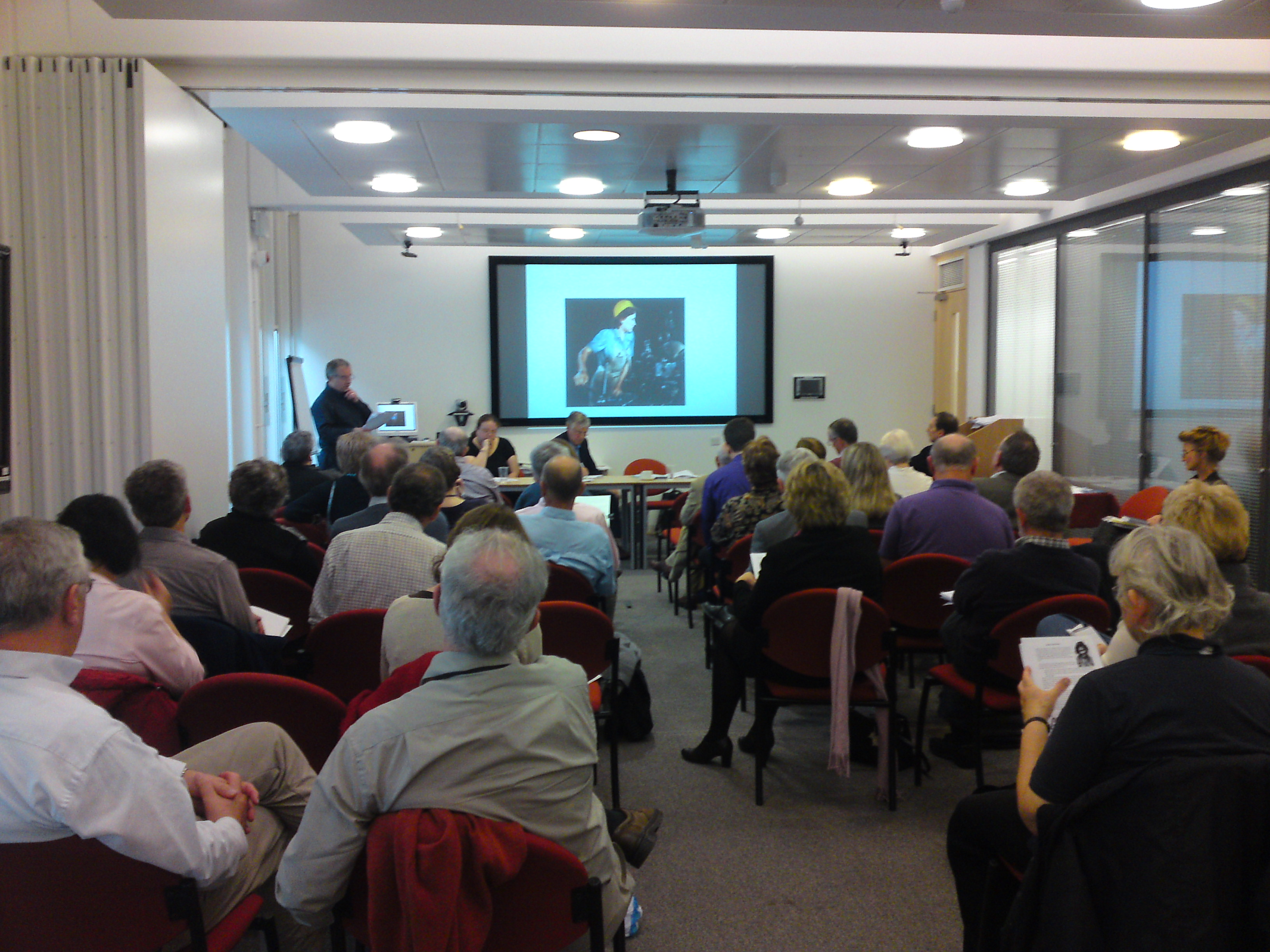
This one-day forum, organised by the History of The Open University project, brings together a range of experts to discuss elements of the history of higher education over 50 years.

The morning session will ask how have students been taught, looking at the move from traditional lectures and tutorials to the use of new technologies, a variety of pedagogies and the development of student-centred learning.

The afternoon session will reflect on 50 years of the student experience, placing learners’ perspectives at the centre.

 Speakers include:

  • Prof John Beckett, University of Nottingham
  • Dr Georgina Brewis, Institute of Education
  • Prof Judith George, The Open University
  • Prof Fred Gray, Sussex University
  • Dr Janet MacDonald, Higher education consultant
  • Prof Andy Northedge, Higher education consultant
  • Prof Harold Silver, Author of Tradition and Higher Education
  • Prof Malcolm Tight, Lancaster University
  • Dr Dan Weinbren, The Open University

There will be a short meeting at the end of the day for current researchers to discuss future workshops in the context of preparing a funding bid.

The workshop is open to all, but those who wish to attend are asked to register in advance as space is limited.

More information, including a provisional agenda and abstracts from the speakers are now available here.

To register please email [email protected].

Happy Birthday THES

Thursday, October 13th, 2011

Happy birthday to the Time Higher Education Supplement which is celebrating its fortieth birthday this week. The newspaper first came out in 1971, the same year that students first started studying at The Open University, a reflection perhaps that higher education had moved up the political agenda. Matthew Reisz describes the background to the paper’s launch in this week’s issue:

It all started with a direct threat. Macmillan, the publisher of Nature, was planning to launch a paper called Senate, aimed at teachers in higher education. Times Newspapers Ltd was worried that this would eat into the substantial advertising revenue of the Times Educational Supplement – and so, in 1971, the Times Higher Education Supplement was born.

(more…)

30 years of the OU on the TV

Tuesday, October 11th, 2011

Arguing that ‘Three decades of Open University TV broadcasts offer a kind of family album, providing fascinating glimpses of the university’s growth and development as it learned the craft of distance teaching in full public view’ Andy Northedge has produced an analysis of a selection of the OU course materials which were broadcast on the BBC. See Three decades of Open University broadcasts: a review.

Hats off to Drake

Tuesday, October 11th, 2011

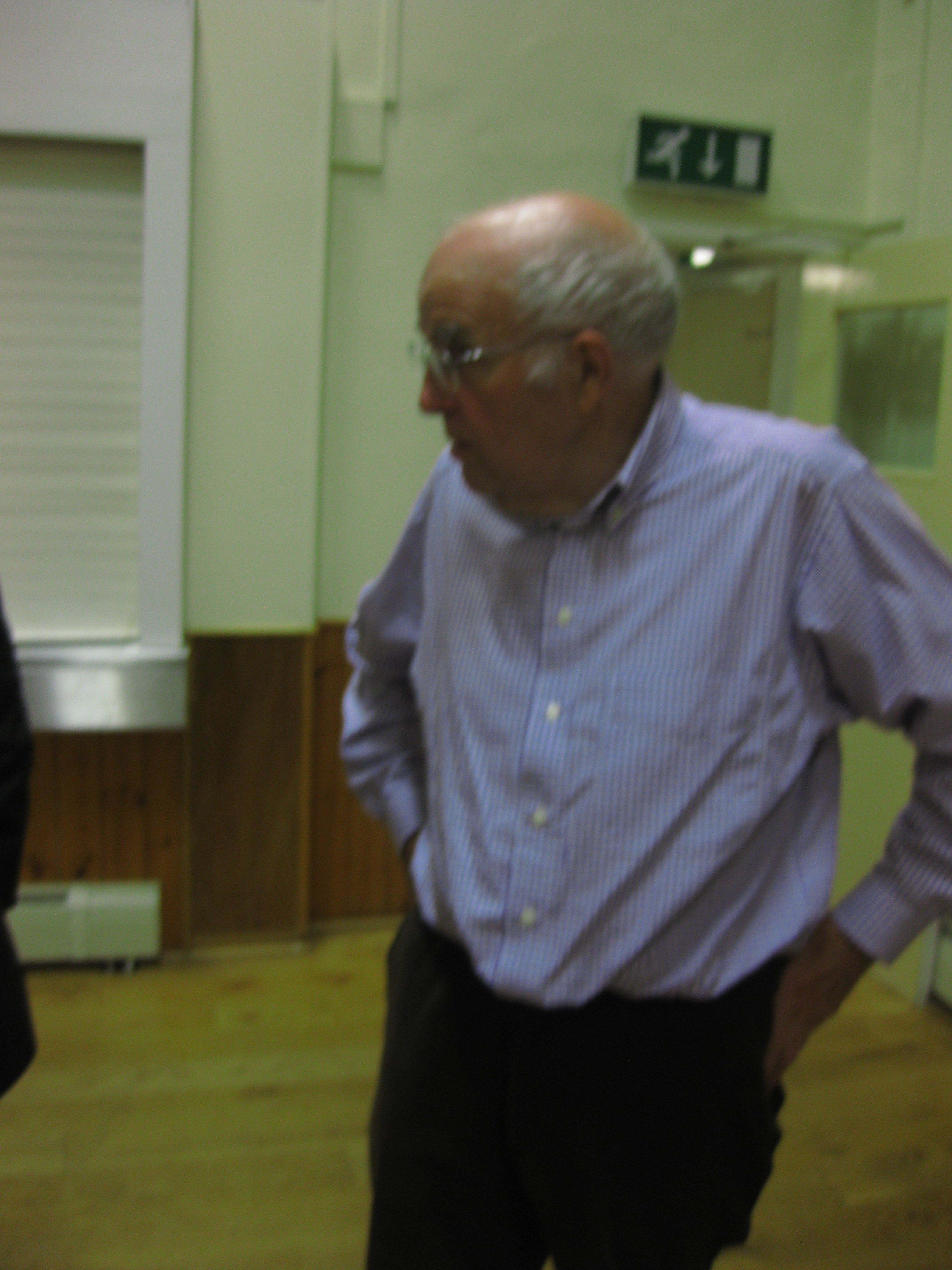
On 10th October, 2011 Michael Drake, the OU’s first Dean of Social Sciences, gave a talk in the Milton Keynes Village Hall to the Two Villages Archive Trust about on ‘The OU and me’. He employed the metaphor of industrialisation to describe the impact of the OU. This echoed a phrase that he had employed in 1972 when Michael Drake argued that the Open University was ‘the industrial revolution of higher education’ (M Drake, ‘The Open University concept’, Studies. An Irish Quarterly Review, Summer 1972, LXI no 242, p. 158).  (more…)

Society for Research into Higher Education

Monday, October 10th, 2011

 The Society for Research into Higher Education is a UK-based international learned society concerned to advance understanding of higher education, especially through the insights, perspectives and knowledge offered by systematic research and scholarship. The Society aims to be the leading international society in the field, as to both the support and the dissemination of research. 

Higher Education Close-Up  is a virtual network for in-depth research into higher education. It aims to provide a forum for discussion about, and the enhancement of, this kind of research through a JISCMAIL discussion list. You can find this list at:
http://www.jiscmail.ac.uk/lists/HIGHER-EDUCATION-CLOSE-UP.html

http://www.srhe.ac.uk/networks.hecn.asp

Two co-founders

Thursday, October 6th, 2011

The OU is one of over 800 universities with active iTunes U sites. Go here for beginner’s French for example and here for a podcast about air pollution.  This technology was developed by the company that was co-founded by Steve Jobs, Apple. He died on 5th October, aged 56. Many tributes have been paid.

On 29th September in her inaugural lecture as visiting professor at The Open University Law School Cherie Booth QC described how education transformed her own life. A co-founder of her own chambers who sits as a judge she has supported the OU’s Law School since its launch (which she attended in 1997) and she praised the OU’s commitment to extending the gifts and opportunities of learning. Echoing some of the founders of the OU she suggested that ‘What makes the OU particularly special is that it is not just distinctive in this country but it has pioneered new ways of teaching across the world without compromising quality’. In her lecture she argued that law is vital in the providing equality for women throughout the world and building a better society for all. You can watch her lecture here.

Happy birthday languages at the OU!

Thursday, September 29th, 2011
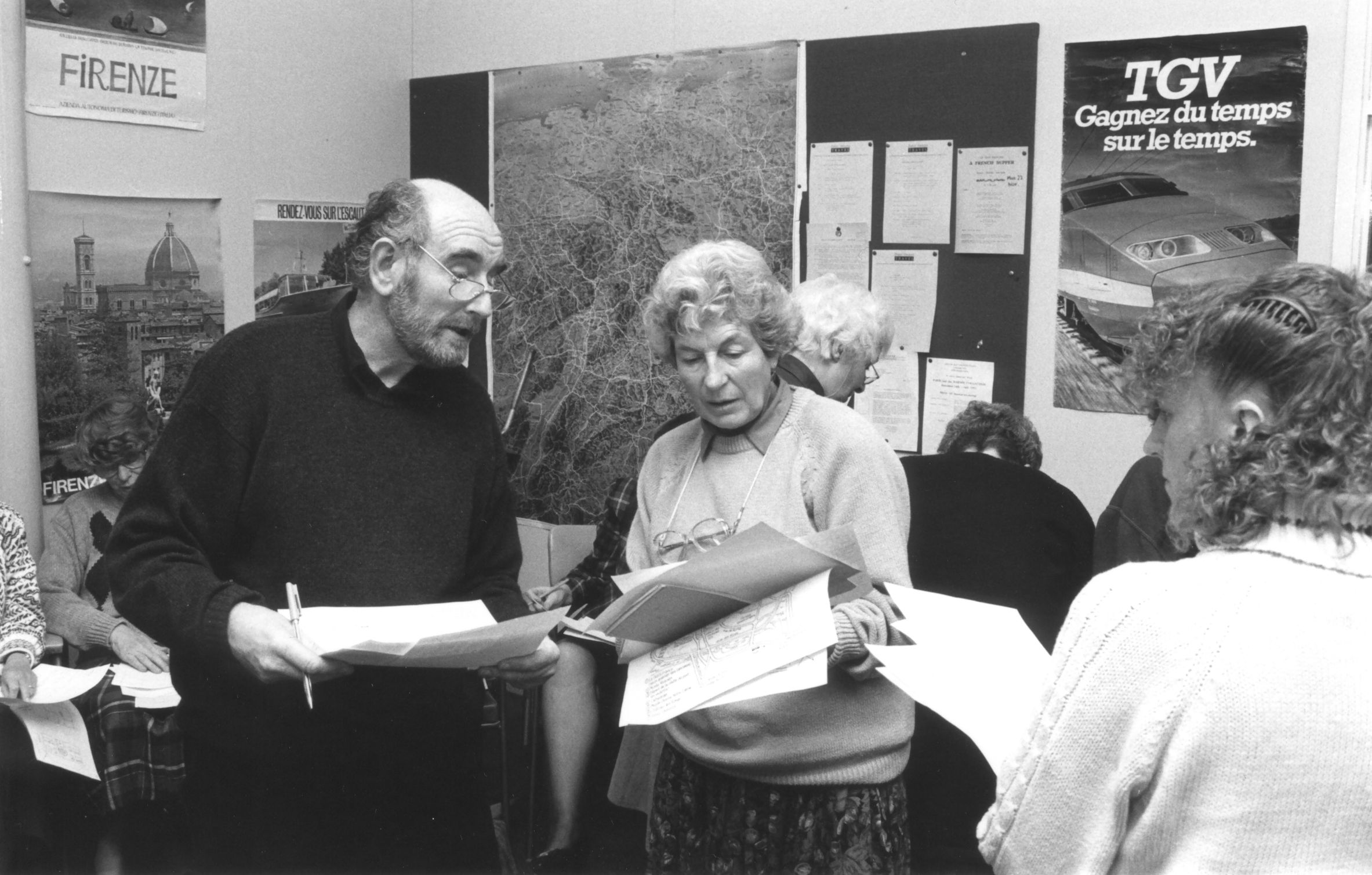
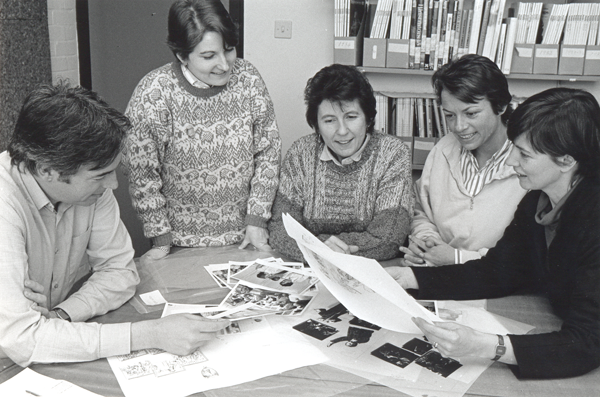
1993 Centre for Modern Languages workshop

Twenty years of teaching foreign languages at the Open University was marked on 29 September by an afternoon of celebrations at Walton Hall.

Following an introduction and video message from the Vice‐Chancellor of the Open University, Martin Bean, there were a few words from Pro‐Vice‐Chancellor Prof Alan Tait about ‘Languages at the Open University’ and a talk ‘ Language skills and the UK’s future growth prospects’ from Dr Adam Marshall of the British Chambers of Commerce.

Prof Marie‐Noëlle Lamy recalled ‘How it all began – the founding of the Centre for Modern Languages’. This was followed by messages from OU and external colleagues and from partners and students. Margaret Nicolson spoke about ‘The nations and regions: then and now’ and Dr Regine Hampel about ‘Research and scholarship in the Department of Languages’.

Staff from the Department of Languages then presented a few learning applications, including interactive learning on the move, technology for sharing, and technology for developing speaking skills at a distance before Dr Uwe Baumann considered ‘The next twenty years’. There followed a reception and opportunity to try out some of the technology.

The plans to teach languages at the OU were a long time in gestation.  (more…)

30 years since OUPC opened

Wednesday, September 28th, 2011

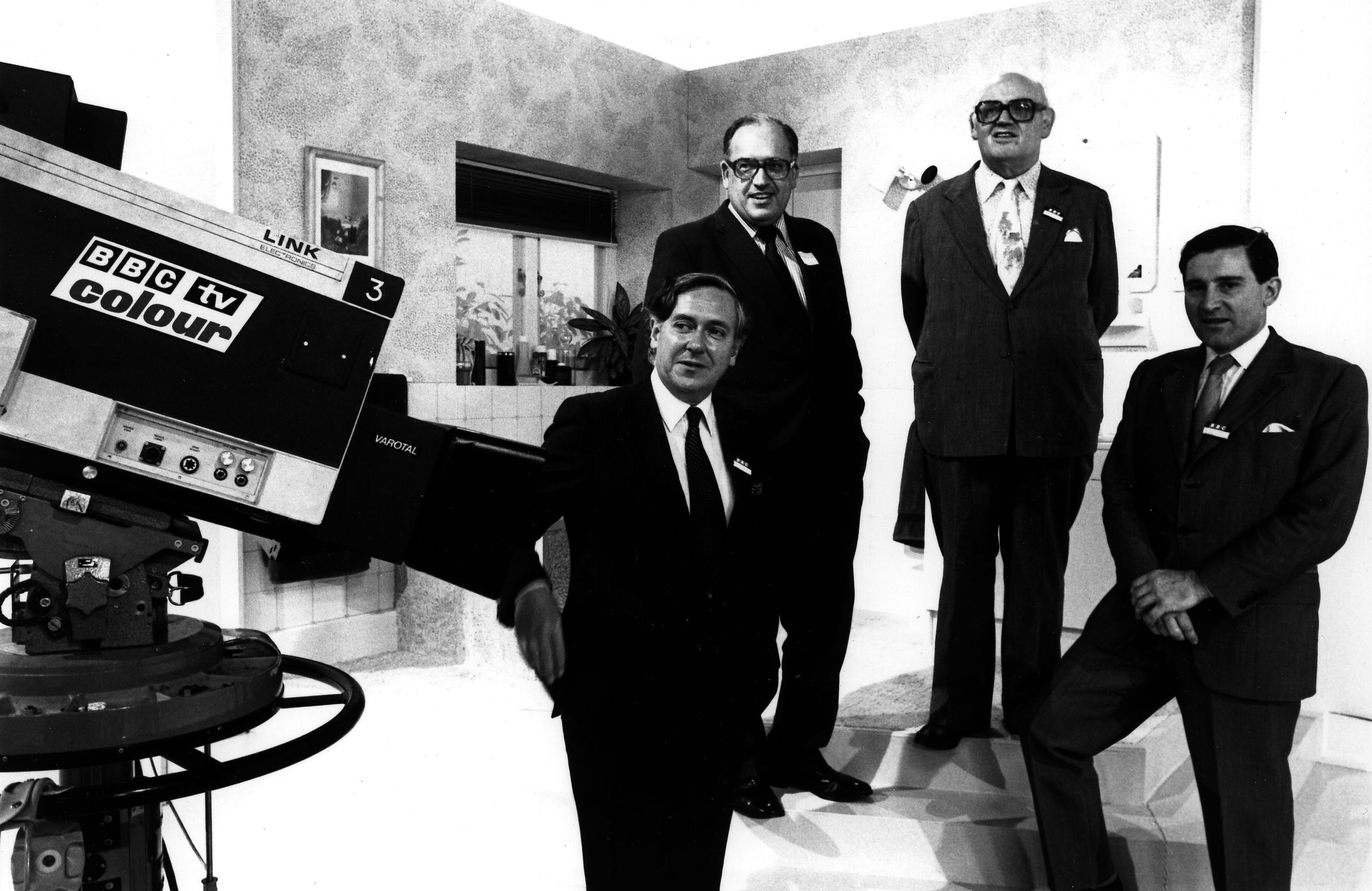
The new Open University Production Centre, September 1981

30 years ago today saw the completion of the lengthy construction and fitting out of the BBC/OU Production Centre and the transfer of BBC operations from Alexandra Palace to the Walton Hall campus.

Full production of radio and television programmes for the University commenced in the Perry building from 28 September 1981. The building was officially opened by Prince Charles the following year.

The OUPC studio operation was closed in 1991 after significant restructuring.


Changing views of HE

Thursday, September 22nd, 2011

The view that degrees should be seen in individual, economic terms was emphasised today by the production of data about graduates’ salaries six months after graduating. International consultants The Parthenon Group drew on data from the Higher Education Statistics Agency and concluded that some post-1992 institutions do just as well as or better than many Russell Group institutions on employment outcomes.  Sally Hunt, general secretary of the University and College Union, said the analysis risked contributing to a “fast food” vision of higher education. She added that

Universities are not just graduate factories turning out a ready supply (of employees) for business – they are there to teach a diversity of academic subjects for a wide range of purposes that serve all our communities 

This has echoes of Harold Wilson’s response when asked about housewife students at the OU:

I’m not at all appalled at this. They are having a chance they have never had before. I’ve never thought of the Open University as a technical college for vocational education. It doesn’t matter if their degrees never earn them a penny piece (Education & Training, December 1972)

 However, since 1972 the pressures to conceptualise the university in terms of the market have grown.

Educational Futures Thematic Research Network

Thursday, September 22nd, 2011

The OU has a new thematic research network, Educational Futures. The Educational Futures network draws upon the university’s distinctive engagement with understanding new forms of technological engagement, digital literacies, creativity, educational dialogues, professional identity, pedagogy, international teacher education, learning in non-formal spaces and the development of new research methodologies.

An element of this network is the History of the OU Project because to understand where we’d like to go we need to assess where we’ve come from.  As Arthur Marwick, 1936-2006, first Professor of History, The Open University noted on 24 November 1994 in the THES

We study history because of the desperate importance of the human past: what happened in the past… governs the world we live in today, and created the many problems which beset us … To change the world, we have first to understand it.

This project can help make connections and ensure that network bids are strengthened by reference to the long-standing traditions, assumptions and values of the OU. Longitudinal studies are possible here as they are not elsewhere because the OU has over 40 years of pedagogy including TV footage and course materials in the archives while other universities don’t even have collections of lecture notes from the past. The status and relevance of the OU has dramatically changed over the last half century but popular images, often reliant on stereotypes about kipper ties, remain. Through an understanding of the past the HOTOUP can take education forwards.