
Segundo os dados da Inteligência Artificial algumas carreiras importantes desta Era Contemporânea
Ale: Quais as profissões mais relevantes agora e para o futuro?
1. Inteligência Artificial (IA) e Aprendizado de Máquina (ML)
- Engenheiro de IA/ML: Desenvolve algoritmos, modelos e sistemas que permitem que as máquinas aprendam e executem tarefas de forma autônoma.
- Cientista de Dados: Analisa e interpreta dados complexos para ajudar organizações a tomar decisões informadas.
- Especialista em Ética de IA: Foca nas implicações éticas da IA, garantindo o desenvolvimento responsável e justo das tecnologias de IA.
2. Sustentabilidade e Tecnologia Verde
- Técnico/Engenheiro de Energias Renováveis: Trabalha com energia solar, eólica e outras fontes renováveis para reduzir o impacto ambiental.
- Consultor de Sustentabilidade: Ajuda empresas e organizações a adotarem práticas sustentáveis para minimizar sua pegada de carbono.
- Cientista do Clima: Pesquisa as mudanças climáticas e desenvolve estratégias de mitigação e adaptação.
3. Saúde e Biotecnologia
- Engenheiro Biomédico: Projeta e cria dispositivos e tecnologias médicas para melhorar os resultados de saúde.
- Conselheiro Genético: Fornece informações e suporte a indivíduos sobre distúrbios genéticos e condições hereditárias.
- Especialista em Telemedicina: Oferece serviços de saúde remotamente, usando plataformas digitais para consultas médicas.
4. Cibersegurança
- Analista de Cibersegurança: Protege organizações contra ameaças digitais, identificando vulnerabilidades e respondendo a ciberataques.
- Hacker Ético: Realiza avaliações de segurança simulando ciberataques para melhorar as defesas de uma organização.
- Diretor de Segurança da Informação (CISO): Lidera a estratégia e implementação de políticas de cibersegurança em uma organização.
5. Robótica e Automação
- Engenheiro de Robótica: Projeta, constrói e mantém robôs para indústrias como manufatura, saúde e logística.
- Especialista em Automação: Desenvolve sistemas para automatizar tarefas repetitivas, melhorando a eficiência em várias indústrias.
- Operador de Drones: Opera veículos aéreos não tripulados (UAVs) para indústrias como agricultura, logística e monitoramento ambiental.
6. Economia Digital e Criativa
- Desenvolvedor de Realidade Virtual (VR) / Realidade Aumentada (AR): Cria experiências digitais imersivas para jogos, educação e outras aplicações.
- Criador de Conteúdo Digital: Produz conteúdo de mídia, incluindo vídeos, podcasts e redes sociais, muitas vezes para marketing ou entretenimento.
- Designer de Experiência do Usuário (UX): Melhora a interação do usuário com produtos e serviços digitais através de design e usabilidade.
7. Tecnologia Educacional (EdTech)
- Desenvolvedor EdTech: Cria software e plataformas educacionais para melhorar as experiências de aprendizado.
- Instrutor de Cursos Online: Ensina matérias através de plataformas digitais, oferecendo educação flexível para um público global.
- Especialista em Tutoria de IA: Desenvolve sistemas de tutoria baseados em IA que oferecem experiências de aprendizado personalizadas para os alunos.
8. Exploração Espacial e Aeronáutica
- Engenheiro Espacial: Trabalha no desenvolvimento de espaçonaves, satélites e outras tecnologias para a exploração espacial.
- Astrobiólogo: Estuda o potencial de vida em outros planetas e contribui para missões espaciais.
- Piloto de Espaço Comercial: Opera espaçonaves para viagens espaciais comerciais, à medida que o turismo espacial se torna mais proeminente.
9. Manufatura Avançada e Ciência dos Materiais
- Especialista em Impressão 3D: Desenvolve tecnologias e aplicações para manufatura aditiva em indústrias como saúde, aeroespacial e construção.
- Engenheiro de Nanotecnologia: Trabalha com materiais em nível atômico ou molecular para desenvolver novos produtos, especialmente em medicina e eletrônicos.
- Engenheiro de Manufatura Inteligente: Implementa tecnologias de IA e IoT (Internet das Coisas) para otimizar processos de manufatura.
10. Computação Quântica
- Pesquisador em Computação Quântica: Investiga as potenciais aplicações dos computadores quânticos, incluindo a solução de problemas complexos em criptografia e otimização.
- Desenvolvedor de Software Quântico: Cria software que roda em sistemas de computação quântica, resolvendo problemas que os computadores clássicos não conseguem.
- Criptógrafo Quântico: Desenvolve novos métodos de criptografia usando os princípios da mecânica quântica para comunicação segura.
11. Dados e Análise
- Analista de Big Data: Interpreta grandes conjuntos de dados para fornecer insights que ajudam as organizações a tomar melhores decisões estratégicas.
- Oficial de Privacidade de Dados: Garante que as organizações cumpram as leis de proteção de dados e que os dados pessoais sejam tratados de forma ética.
- Treinador de IA de Dados: Prepara dados para o treinamento de modelos de IA, anotando e organizando conjuntos de dados para aplicações de aprendizado de máquina.
12. Ética e Políticas
- Analista de Políticas de IA: Desenvolve políticas relacionadas ao uso e à regulamentação da IA, garantindo que sua implementação esteja alinhada com os valores e a ética da sociedade.
- Consultor de Políticas de Sustentabilidade: Aconselha governos e organizações sobre políticas relacionadas à sustentabilidade ambiental.
- Consultor de Ética Digital: Ajuda empresas e instituições a navegar por questões éticas relacionadas à tecnologia digital e ao uso de dados.
Ale: Quais as profissões importantes para pessoas com necessidades especiais ?



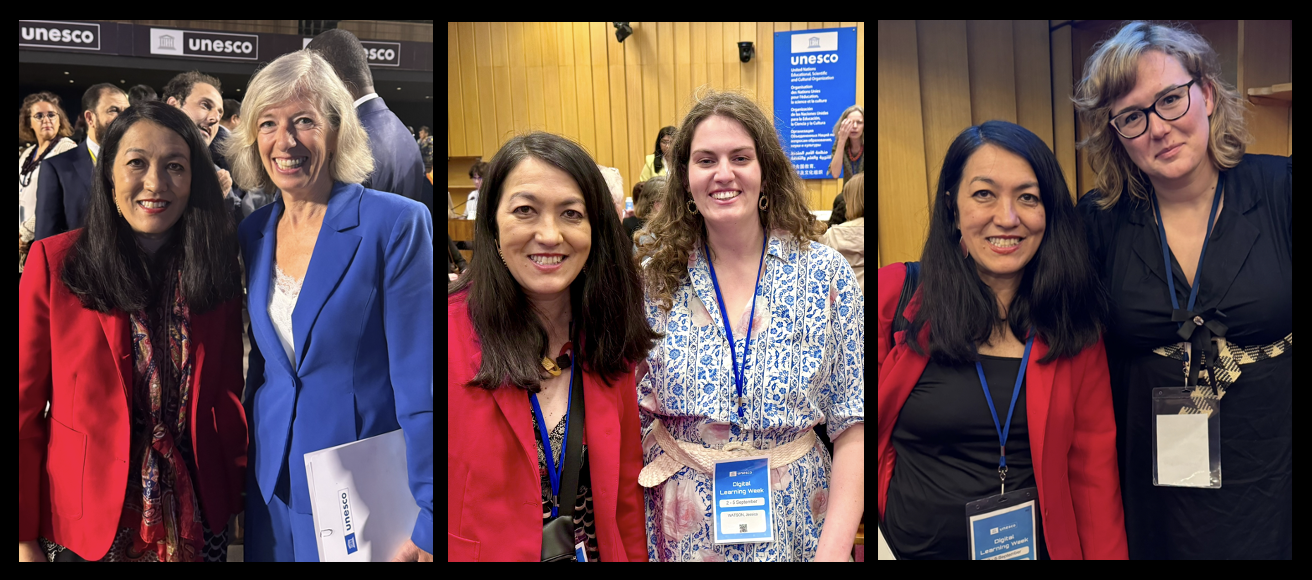

 Building on the HLSC’s Stocktake that took place on 17 June 2024 and informed by the United Nations Pact for the Future, the 2024 GEM will mark a key moment for education, bringing the entire international education community together, including governmental and non-state actors, to agree on acceleration strategies for the remainder of the 2030 Agenda.