Call for papers – Special Issue: Fun participatory science, arts, and emerging technologies

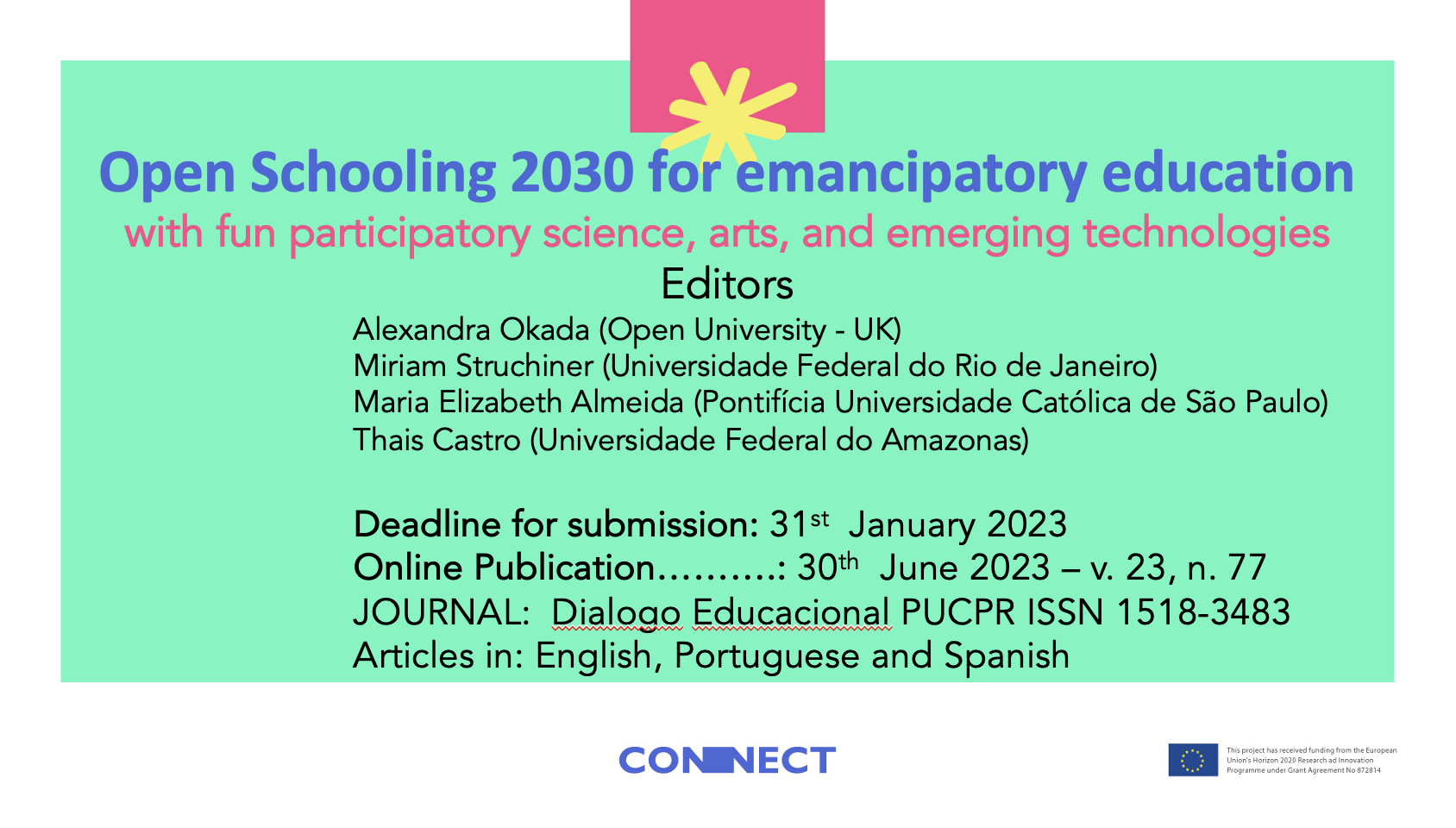
Open Schooling 2030 for emancipatory education
with fun participatory science, arts, and emerging technologies
The Agenda 2030, also known as the 17 Sustainable Development Goals, is a program established by the United Nations, with the commitment to seek solutions to global challenges and promote peace and prosperity in today’s adverse world. For this, education plays a central role in empowering this and the next generations for the collaborative construction of a better and sustainable future for all (UNESCO, 2021). Consistently, open schooling is an approach promoted by the European Union that aims to establish partnerships between schools, universities, companies, research centers and civil society towards more scientifically literate communities for sustainability (EC, 2018; HAZELKORN et al., 2015).

Education open to partnerships is key to enable students to discuss problems and solutions within and outside schools, including research and innovation related to real life by interacting with expert professionals, citizens of their communities and families. In open schooling underpinned by the CARE-KNOW-DO principles (Okada, 2020), students are engaged to identify and discuss real-life problems that they CARE about, need to KNOW about and DO something about. This approach aims to transform education so that young people are involved in acquiring knowledge for decision-making in authentic contexts and developing scientific skills for problem-solving in an innovative, enjoyable and responsible way supported by – natural, social and formal – sciences and technologies.

Open schooling aims to prepare young people to develop competences to respond to relevant real-life scenarios supported by curriculum knowledge and fun participatory approaches for enhancing science with and for society. In this context, emancipatory education for independent thinking with fun (Okada & Sheehy, 2020) enables less favored students and also less represented learners of society to develop a critical awareness of their contexts and the world to transform it with the joy of search and discovery (Freire, 1967; 1984). Learning in an emancipatory and fun way allows students to be protagonists of their own story with intrinsic motivation and genuine pleasure through cooperation with others. Learning supported by the pedagogy of autonomy with fun allows apprentices to become transforming agents with enthusiasm, initiative and driving energy to innovate their reality and shape a better world (Freire, 1996; 2009).

This special edition explores a range of innovative practices, challenges and recommendations for education supported by open schooling with Responsible Research and Innovation (Okada & Sherborne, 2018; Almeida & Okada, 2019). Our goal is to bring together innovative studies on authentic learning – that is – with real-life issues that include apprentices, educators, professionals and policy makers and civil society managers in the various areas supported by emerging sciences, arts and technologies. The objective of this special edition is to address transformative initiatives in education through open schooling based on theoretical and empirical studies in various settings supported by formal, informal and non-formal learning scenarios. This special edition is open for articles with diverse real-life socio-scientific issues related to the AGENDA 2030 (UNESCO, 2015), the European missions (EC, 2021), and the global challenges (EC, 2018) which include, for example, food, health, environment, climate change, energy and science-society.

We look forward to receiving papers that present distinctive participatory methods involving the partnership between school, university and society with different settings, for example, online, offline, hybrid and onlife(Floridi, 2015) practices. They may also include community-based participatory research, collaborative project-based learning, collective inquiry mapping, citizen science, environmental citizenship among others. We invite studies about open schooling through a variety of emerging technologies that create opportunities for learners to explore APPs, robotics, coding, FabLab, MakerCulture, Artificial Intelligence, Inquiry narratives, phenomena-based learning, self-assessment and co-evaluation instruments, educational policies, contextualised and significant curricula, methodologies for teacher education, interdisciplinary, transdisciplinary and emancipatory scenarios, among others.

Articles can be published in English, Portuguese, French and Spanish. We invite  research groups, academics and practitioners interested in sharing research studies including quantitative and qualitative research methods, case studies, and well-founded conceptual work.

About the Journal

The Open Access Journal “Diálogo Educacional” (top score in Brazil A1) is a four-monthly publication, peer-reviewed in a double blind review system with national and international printed and online circulation.
Submit your manuscript online until January 31st to be published on the platform in June 2023.
For author submission guidelines and further details, please see the submission page:
https://periodicos.pucpr.br/dialogoeducacional/about/submissions

References

Floridi, L. (2015). The onlife manifesto: Being human in a hyperconnected era (p. 264). Springer nature.
Freire, P. Role of education in humanization. Series Articles, 1967.
Freire, P. Cultural action for freedom. 7. ed. Rio de Janeiro: Peace and Earth, 1984.
Freire, P. Pedagogy of autonomy: knowledge necessary for educational practice. 9. ed. São Paulo: Peace and Earth, 1996.
Freire, P. Pedagogy of hope: a reunion with the pedagogy of the oppressed. 16. ed. Rio de Janeiro: Peace and Earth, 2009.
Hazelkorn, et al.. 2015 (org.). Science Education for Responsible Citizenship. Luxembourg: Publications Office for the European Union.
EC (2018). Open schooling and collaboration on science education. [https://ec.europa.eu/info/funding-tenders/opportunities/portal/screen/opportunities/topic-search;callCode=H2020-SwafS-2018-2020]. European Commission
Okada, Alexandra and Matta, Claudia Eliane (2021). Teacher training for professional education through a course of extension on emerging Technologies with open schooling. Revista Diálogo Educacional, 21(71) pp. 1794–1819.
Okada, Alexandra; Souza, Karine Pinheiro de; Struchiner, Miriam; Rabello, Cíntia and Rosa, Luziana Quadros da (2023). Open schooling to empower Brazilian teachers: Emancipatory fun in education for a sustainable innovation ecosystem. In: Holliman, Andrew J. and Sheehy, Kieron eds. Overcoming Adversity in Education. London: Routledge, pp. 234–248.
Okada, Alexandra and Sheehy, Kieron (2020). The value of fun in online learning: a study supported by responsible research and innovation and open data. Revista e-Curriculum, 18(2) pp. 319–343.
Okada, Alexandra and Sherborne, Tony (2018). Equipping the Next Generation for Responsible Research and Innovation with Open Educational Resources, Open Courses, Open Communities and Open Schooling: An Impact Case Study in Brazil. Journal of Interactive Media In Education, 1(18) pp. 1–15.
UNESCO (2021). UNESCO and Sustainable Development Goals https://en.unesco.org/sustainabledevelopmentgoals
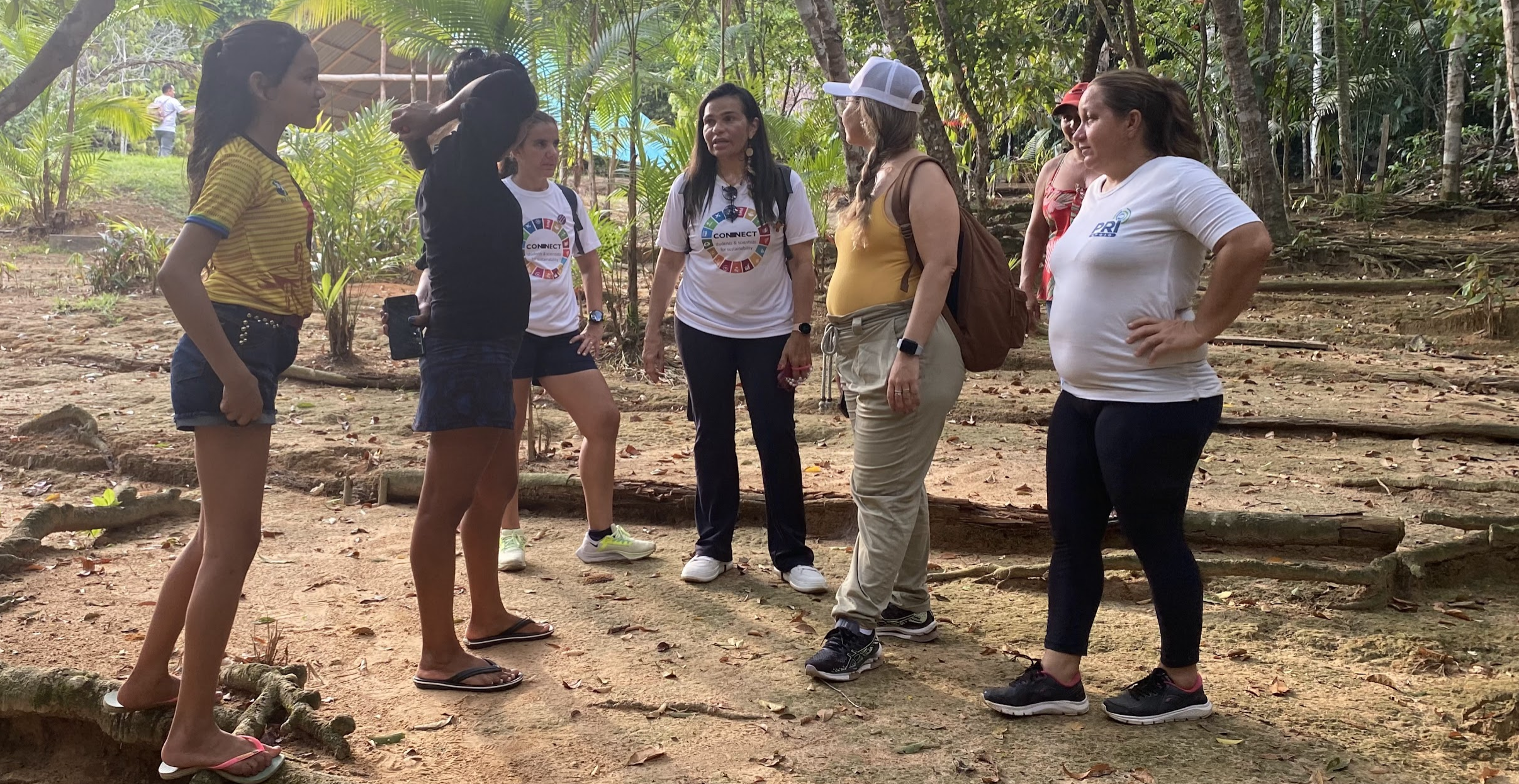
RUMPUS in Amazon rainforest!

A major challenge in education across the world is to support the large number of less well-represented actors and territories towards a more scientific-literate society for sustainable development locally and globally.

With this purpose in mind,  the Rumpus team established a partnership with various organisations in Brazil and visited the Amazon Forest in November 2022 to implement an  open schooling initiative.

Partners of the OU – Open University UK were the UFAM – Federal University of Amazon, the UFCA – Federal University of Cariri,  and three NGOs: “Anjos Digitais” for digital and scientific inclusion with gender equity; IRAMA – Ribeirinhos Institute of the Amazon  and  REDDA – Reduction of Emissions from Deforestation and Forest Degradation.

More details: https://www.connect-science.net/blog/welcome-to-a-new-phd-student-to-explore-lesson-study-for-open-schooling/


CBIE – INTERNATIONAL CONGRESS OF COMPUTING IN EDUCATION in BRAZIL

On the 15th of November, Dr. Okada was invited as a keynote to present about “Open Schooling, Emerging Technologies, Green Skills and Innovative Ecosystems”

She discussed various initiatives developed by  the international CONNECT network which were focussed on the sustainable development goals and in particular the global challenges of the Agenda 2030 .

The practices with learning materials and examples were developed in Europe and South America. The CONNECT network brings together universities, schools, companies, research centres and communities in five countries Brazil, Greece, Romania, Spain, and the UK.  Dr. Okada discussed strategies with pedagogical, methodological and technological resources that can be reused, reconstructed and expanded by educators, students, academics, and leaders of research networks.

The best practices of CONNECT  are supported by the theoretical-empirical model CARE-KNOW-DO, including  affective, cognitive, and digital engagement as well as critical-creative, scientific-technological, and ethical-sustainable identity.

More information https://ceie.sbc.org.br/evento/cbie2022/sbie/


International conference ‘Strengthening Partnerships to Support Inclusive Disaster Risk Reduction’

The ASSIK (Anak Setara SIaga Kebencanaan) research group are within Rumpus, and are developing and facilitating inclusive and accessible disaster risk reduction education (IDRRE) in Indonesia.

They initiated an international conference ‘Strengthening Partnerships to Support Inclusive Disaster Risk Reduction’, which was supported by colleagues from UNESA (State University Surabaya) and APPKhi (Indonesia’s teachers association) .

ASSIK members gave keynote and invited presentations drawing on their recent research.

· Saskia van Manen, -Design Network for Emergency Management, Leiden, The Netherlands).

· Sherly Saragih -Department of Clinical Psychology, Universitas Indonesia, Depok,Indonesia;

· Natalia Kucirkova -The Open University

· Budiyanto, -Universitas Negeri Surabaya, Surabaya, Indonesia

· Kieron Sheehy -The Open University

The conference was very helpful in networking with government policy makers, teachers and researchers from across Indonesia, and in expanding the network of schools taking part in our kindergarten research.


OLAF – recent publications

Sheehy, K., McClanachan, A., Okada, A., Tatlow-Golden, M., & Harrison, S. Is Distance Education Fun? The Implications of Undergraduates’ Epistemological Beliefs for Improving Their Engagement and Satisfaction with Online Learning.
https://www.athensjournals.gr/education/2022-4756-AJE-Sheehy-07.pdf 

Barros et. al (2022) HIGHER EDUCATION IN PANDEMIC TIMES: personalization, engagement, autonomy and new learning strategiesTICS & EAD v. 8 no. 2 (2022): ICTs & EaD in Focus: Dossier – Policies and Teacher Training for a Digital and Inclusive School

Sujarwanto; Sheehy, Kieron; Rofiah, Khofidotur and Budiyanto (2021). Online Higher Education: The Importance of Students’ Epistemological Beliefs, Well-Being, and Fun. IAFOR Journal of Education – Studies in Education: Sustainable Education for the Future, 9(6) pp. 9–30.

Conference Proceedings and Book Chapters :

Sheehy et. al. (2022). Should meaningful online learning experiences be fun for higher education students in Indonesia? In: Ravi, Kumar, and McKinney,, Stephen eds. LSME Research Compendium 2022. London School of Management Education, pp. 270–290. BEST PAPER

Okada, Alexandra; Souza, Karine Pinheiro de; Struchiner, Miriam; Rabello, Cíntia and Rosa, Luziana Quadros da (2023). Open schooling to empower Brazilian teachers: Emancipatory fun in education for a sustainable innovation ecosystem. In: Holliman, Andrew J. and Sheehy, Kieron eds. Overcoming Adversity in Education. London: Routledge, pp. 234–248.


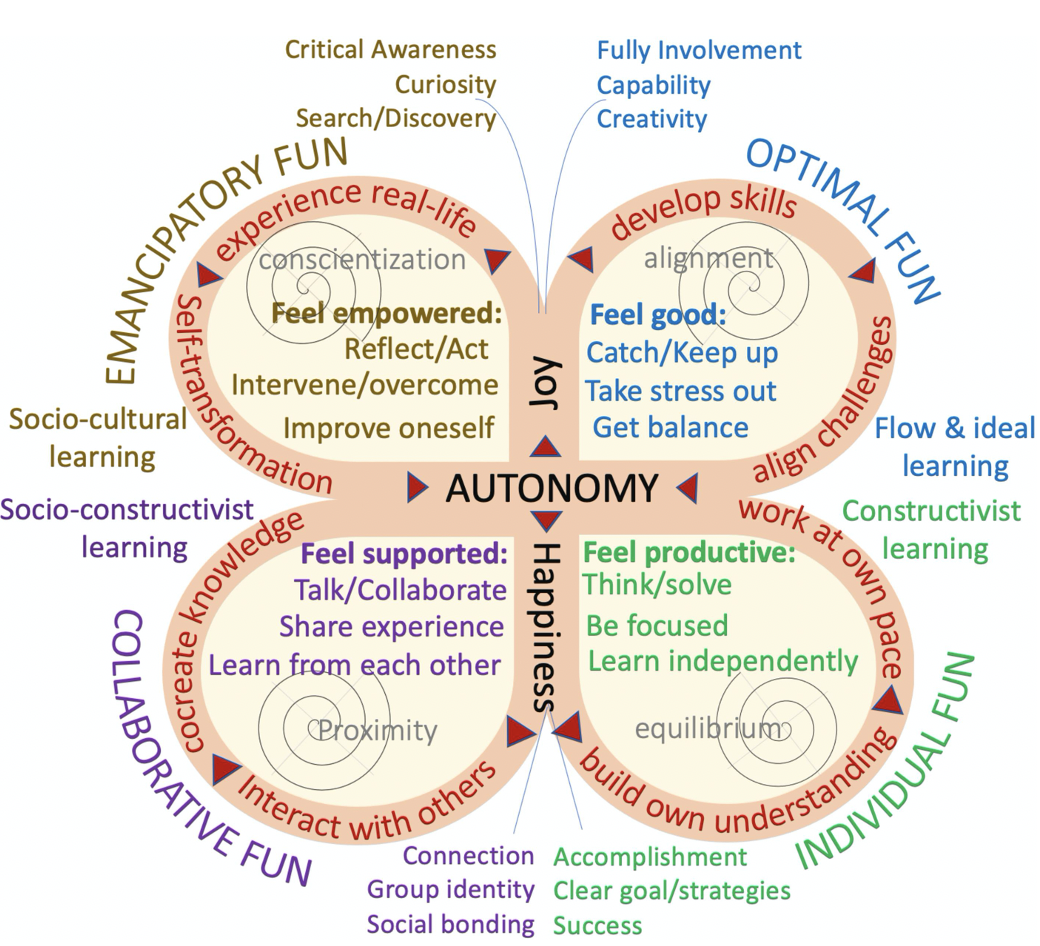
The Butterfly of fun reaches 389,606 views

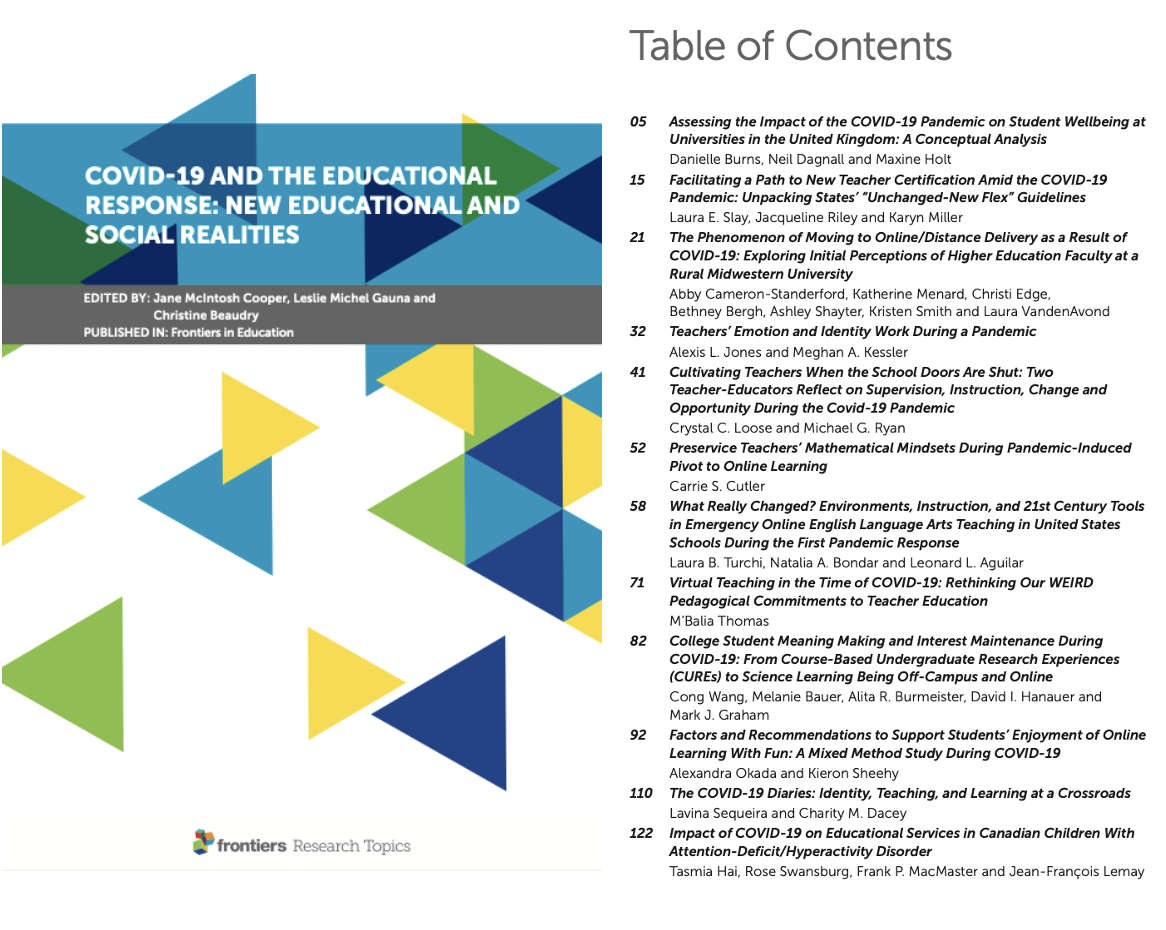
Okada & Sheehy (2020) “Factors and Recommendations to Support Students’ Enjoyment of Online Learning With Fun: A Mixed Method Study During COVID-19” journal article  was awarded as a Top paper  with more views than 94% of all Frontiers articles.

It  is now part of the  special e-book: Cooper,J; Gauna,L. Beaudry C. (2022) COVID-19 and the Educational Response: New Educational and Social Realities. Frontiers. URL https://www.frontiersin.org/research-topics/14005/covid-19-and-the-educational-response-new-educational-and-social-realities (reaching 389,606 views) Elsevier; various studies are citing this paper: SCOPUS here

Playful Learning Conference

Playful Learning 20/21/22 will take place in Leicester, 6-8 July 2022.

Playful Learning is back!

  • Playful Learning 20/21/22 will now take place in July 2022.
  • Registration is now OPEN with early bird rates and special rates for students.
  • The keynotes and some presentations from 2020 remain in place, with many new sessions added to the line-up.
  • The call for sessions is now closed: successful presenters must now register to attend.

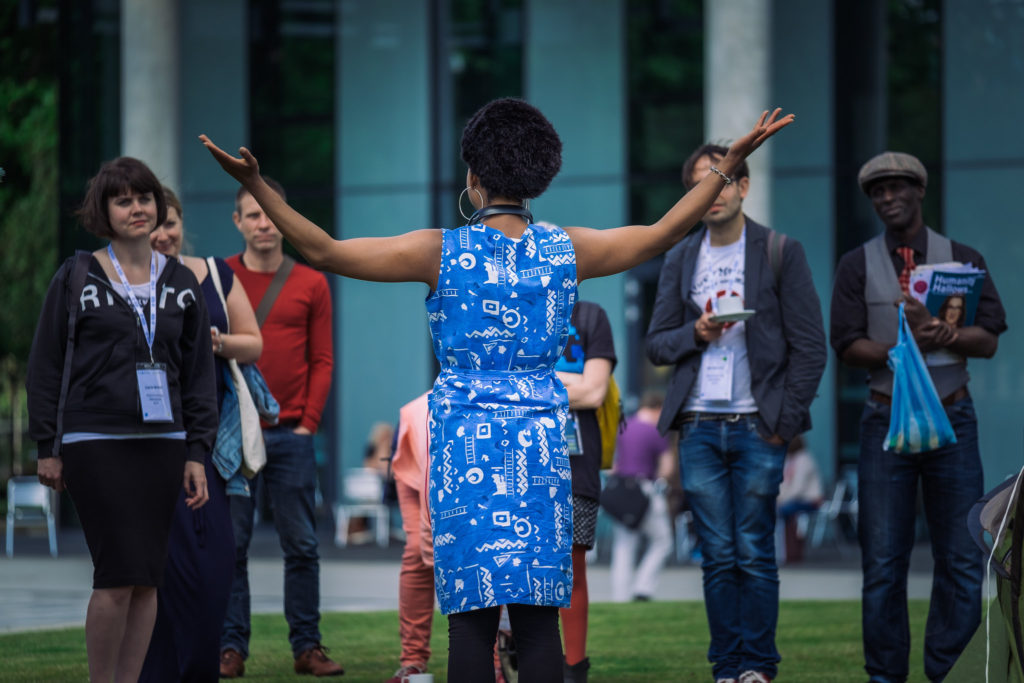
Outdoor activity

Playful Learning is pitched at the intersection of learning and play for adults. Playful in approach and outlook, yet underpinned by robust research and working practices, we provide a space where teachers, researchers and students can play, learn and think together. A space to meet other playful people and be inspired by talks, workshops, activities and events. In its home at the heart of England in Leicestershire, we have spaces that open the programme up to both indoor and outdoor activities, and evening activities that continue the playful learning and conversations after the formal programme ends.

Playful Learning 20/21/22 will take place on 6-8 July 2022 in Leicester.

PLA Conference Cambridge

PLA meeting – Cambridge May 2022

LINK: https://www.eventbrite.co.uk/e/pla-meeting-cambridge-may-2022-tickets-306850035717

The first post-lockdown PLA meeting will take place in Cambridge at Anglia Ruskin University, to coincide with a PlayLab residency.

About this event

The first face to face meeting of the Playful Learning Association following the earlier lockdowns will be held at Anglia Ruskin University in Cambridge.

In the tradition of our previous events, everyone is warmly welcomed – whether you’re new to the Association, a veteran of the previous Special Interest Group, or based in or around Cambridge and interested in the use of play and games for adult learning.

The theme is Making Space for Play : the meeting will co-incide with a residency by a postgraduate collective from Denmark who will be setting up a ‘PlayLab’ on site. The precise content of the meeting is currently being crowd-sourced from our members, but normally includes playtests, active discussions, sharing of practice, and creation of new ideas or projects.

The event will run from midday on Thursday 19th May, through to midday on Friday 20th. There is no charge to attend, but we ask that members arrange their own transport and accommodation (suggestions below). A light lunch will be provided on arrival and departure, with refreshments throughout.

Agenda (subject to minor alterations)

Thursday

12:00 – Arrival/lunch

13:00 – Welcome / ice breaker

13:30 – Climate change boardgame prototype (Matteo Menapace)

14:00 – PlayLab theory and practice (visiting PhD students, Denmark)

14:30 – Refreshments

15:00 – PlayLab experimentation

17: 00 – Games and cakes at Thrive

Later in the evening we’ll find somewhere to eat/drink, or you can do your own thing.

Friday

09:00 – Coffee

09:30 – Playing Outside: Secret Portals (group activity*)

11:00 – Refreshments

11:30 – Group mission reports

12:00 – Open slot for PLA members to offer/test/share

13:00 – Close, with grab-bag lunch provided

*Note: for this activity you will be walking around Cambridge; but you can choose to walk shorter or longer distances, and optionally co-ordinate your group from our base room.

Accomodation suggestions

There are a number of accommodations across Cambridge for most budgets, but the following are closest to the venue or train station (it’s a 20 min walk from the station to the venue).

Travelodge Newmarket Road (around £60)

Premier Inn Newmarket Road (around £50)

Ibis Cambridge Central Station (around £100)

International Conference on Global Education and the Green Economy

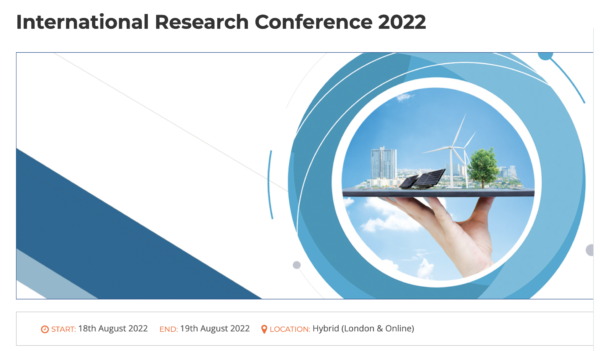
This is the 9th iteration of the International Research Conference series, and builds again upon  Responsible Research and Innovations (RRI),  with the theme of “Global Education and the Green Economy.” Academics and practitioners across the world are invited to share their perspectives around key and emerging challenges facing humanity and the potential for addressing these via educational and economic activity, especially examples of sustainable and green initiatives. The perspectives expected are challenges, processes, and outcomes of socially responsible research, especially its impact on communities and stakeholders.

The broad objectives of the conference series are:

  1. To provide an inclusive platform fostering an active community of researchers collaborating on issues of social significance and societal concern
  2. To advance the principles and practices of Responsible Research and Innovations (RRI) in support of researchers at all stages of their research journey
  3. To provide an open and accessible mechanism for sharing creative contributions to the research agenda across various subject matter and discipline areas.

The Scientific Conference Committee:
Professor Stephen McKinneyUniversity of Glasgow, UK Conference Chairman Dr Ravi KumarLondon School of Management Education, UK Conference
Dr Peter GrayNorwegian University of Science & Technology, Norway
Dr Sarita ParhiLondon School of Management Education, UK
Martin McAreavey University of Bolton, UK
Hassan Shifau London School of Management Education, UK
Dr Dolly Jackson-SillahLondon School of Management Education, UK
Dr Alexandra OkadaOpen University, UK

Within our broad theme, we encourage papers adopting empirical, experimental and theoretical content produced by researchers. We are particularly interested in (but not exclusively committed to):
– Education Management
– Lifelong Learning
– Economic and Social Impact of Education
– Social Impact through the Green Economy
– Innovation in Learning and Education
– Impact of Technology on Education and Green Economy Settings
– Accessibility to Education for the Disadvantaged
– New Perspectives on Global Education
– Global Impact of Green Economy Initiatives

Dr Okada will be supporting two large international networks on Global Education for Sustainability with fun participatory approaches:
(1) CONNECT Open Schooling  and
(2) OLAF – online learning to participate in this conference


PODCAST: Qualitative research – online ethnography

Sarah Huxley, a third-year Ph.D. student at the OU, produced a podcast for the OU Grad School. In this podcast, Sarah talks with Nora Dooley who is a staff member of the not-for-profit Coaches Across Continents (CAC) about qualitative research. This podcast is a resource for researchers and practitioners, seeking advice about qualitative research; and in particular online ethnography and how to work with participants.

“The conversation covers Nora’s ‘do’s and don’ts’ for researchers, as well as her reflections on surprises during data gathering, challenges, and ultimately if she found the research process fun. Sarah sums up the episode by reflecting upon her approach to the research process as one of ‘disciplined improvisation’ (based on the notion by RK Sawyer, 2004). As well as the possibilities that the pandemic catalysed in relation to thinking and working with online embodied ethnography.”

Have fun! More details and access to the podcast: HERE.

A special thanks to Nora Dooley from Coaches Across Continents  for contributing her ideas and voice, and to Mark Childs from Pedagodzilla for providing podcasting advice and support! It was much needed.

Reference: Sawyer, R. K. (2004) ‘Creative Teaching: Collaborative Discussion as Disciplined Improvisation’, Educational Researcher, 33(2), pp. 12–20. doi: 10.3102/0013189X033002012.

If you wish to reach out to Sarah, you can find her on Twitter at: https://twitter.com/AidHoover