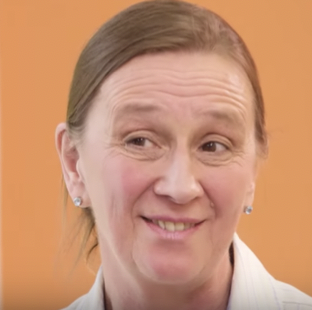
Linda Plowright-Pepper is a research student in the Open University’s Faculty of Wellbeing, Education and Language Studies. Her PhD investigated children’s lived experiences of physical activity’.
Her pilot study “Boing, Boing like a kangaroo” revealed high levels of imagination motivating children’s physical activity in their holiday play scheme.
In her main study she engaged with nine 7- to 11-year-old coresearchers who guided research into their own free-choice physical activity.
Coresearchers revealed new ways of conceptualising physical activity as ‘setting and conquering creative challenges’ and ‘playing at’ sport and structured physical activity each underpinned by fun and enjoyment.
“What is infolding is the amount of imagination that is driving Children’s physical activity and driving their fun and enjoyment. And that fun and enjoyment is going to be key to laying down positive memories that will take them through adolescence and long into their adulthood” Plowright-Pepper
This is one of a series of films in which OU research students discuss their research and degree journey; other videos can be viewed on the ‘Research students at the Open University’ playlist https://www.youtube-nocookie.com/playlist?list…. For further information about doing a research degree at the Open University, UK, go to http://www.open.ac.uk/research/degrees.
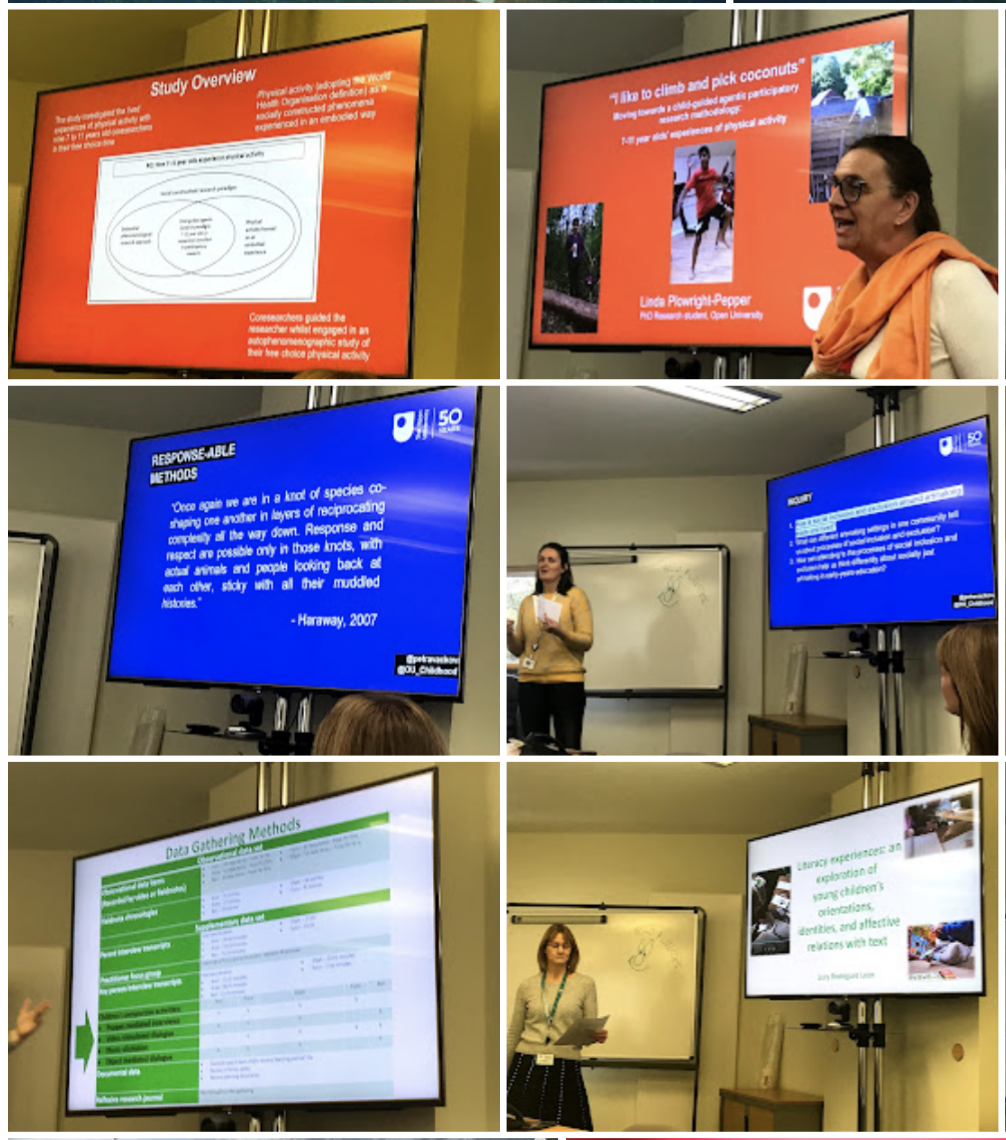
The interactive workshop “complexities of responding to children and their rights” was organised by PhD and EdD students in WELS- ECYS on the 19th of November 2019
The event was held at the Children’s Research Centre of Open University UK.
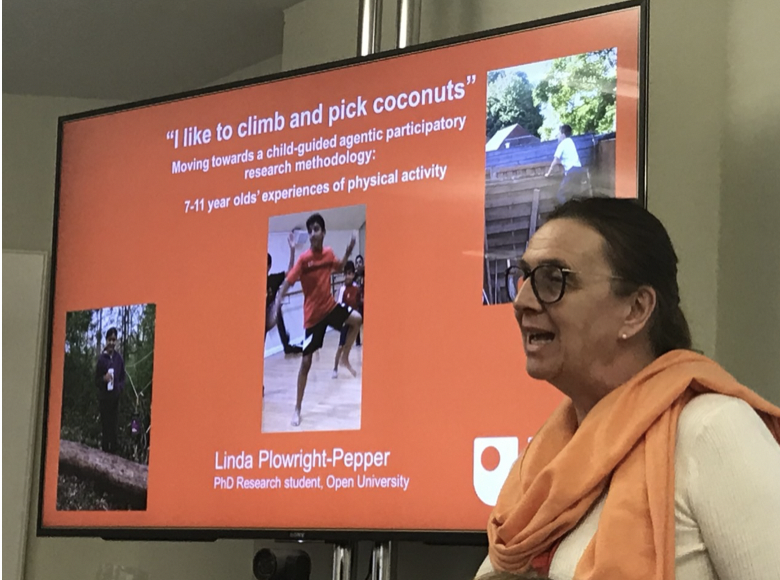
Linda Plowright presented her work about “Moving towards an agent child-guided research methodology”; and introduced core research-choice methods
Lucy Rodriguez Leon introduced her work about “Exploring children’s understanding of text through mediated dialogue”; and described ethnographic methods.
Petra Vackovadiscussed her research study about “Felt, lively, embodied explorations of social inclusion around early-years art making in the Czech Republic”; and explained response-able methods
The event was very engaging, fun and interactive with discussion, brainstorming, post-its mind-maps including activities in groups and also with the plenary.
The event received participants from WELS and other faculties including supervisors, early carrier researchers, lecturers, senior fellows, professors and new PhD students.
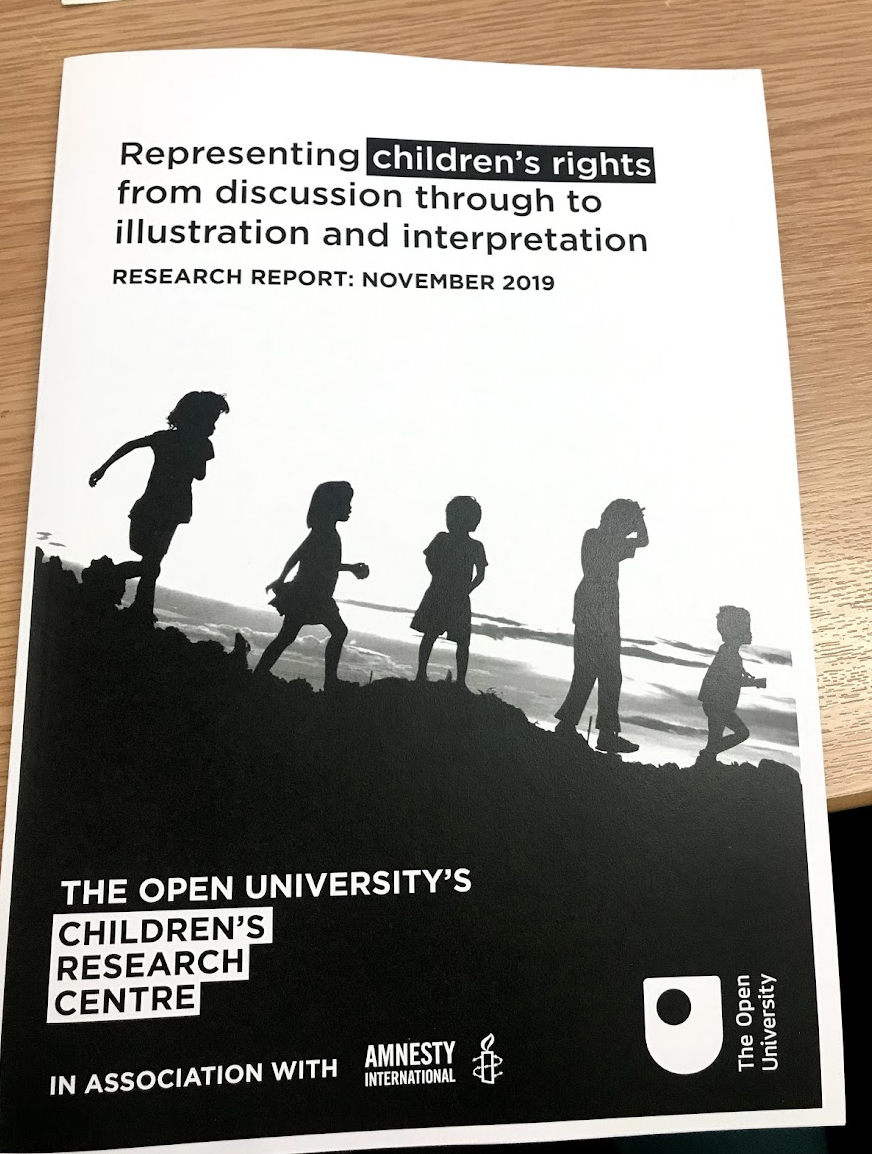
An important report was also launched, celebrating the OU’s 50 anniversary.
Chamberlain, L., Afroze, J., Cooper, V. & Collins, T. (2019) Representing children’s rights from discussion through to illustration and interpretation, Milton Keynes, The Open University Children’s Research Centre and Amnesty UK International
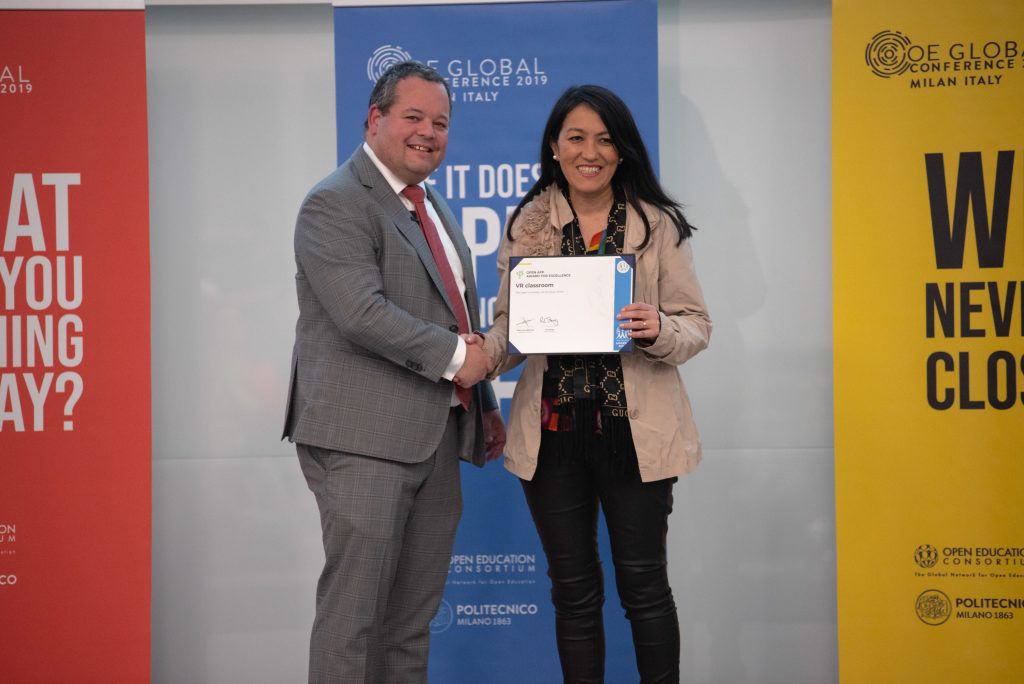
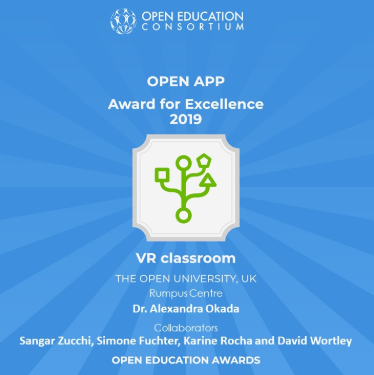
The Board of Directors and Awards Committee of the Open Education Consortium has just announced that the OU Rumpus Centre received the Open App Award for VR classroom
Milano, November 26th, 2019, Politecnico Bovisar Open Education Global Conference 2019 #OEGlobal19 www.oeconsortium.orgr photo by Matteo Bergamini, CC
The Open App Award for Excellence is presented to an exceptional instrument proven to be an essential tool for professionals, trainers and teachers for building, and delivering open education.
This award is selected by the OE Awards Committee to recognize truly exceptional work in Open Education.
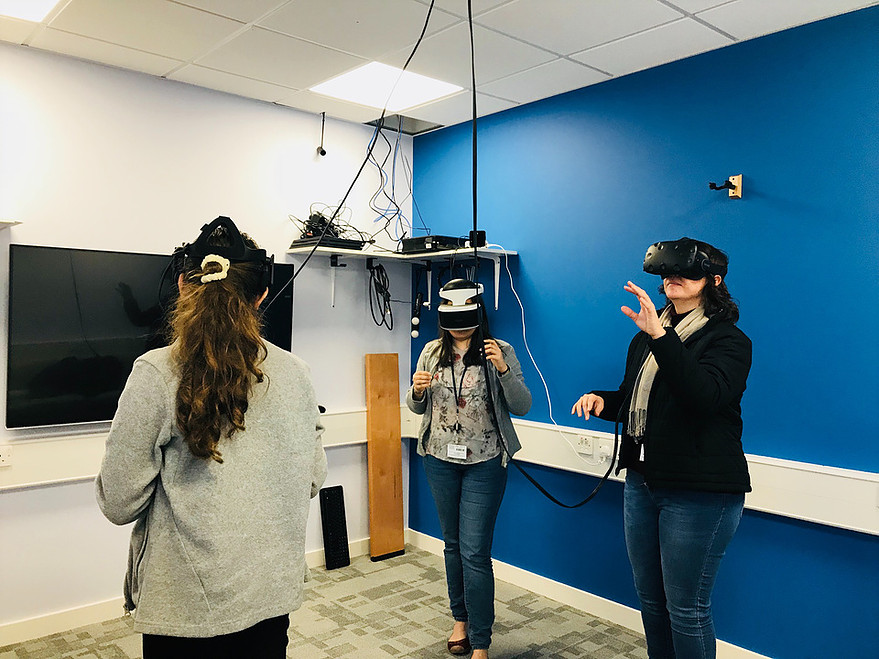
UK 2019, Open University female PhD students cocreating the Open APP photo by Dr Alexandra Okada , CC BY SA
The OU’s new interdisciplinary RUMPUS research group is based in the Faculty of Wellbeing, Education, and Language Studies but has members from across the university and outside it. We examine the role of fun in learning and life, for both children and adults, and from both children’s and adults’ perspectives.
BR Feb 22th, 2019, UNISUL photo by Sangar Zucchi , CC
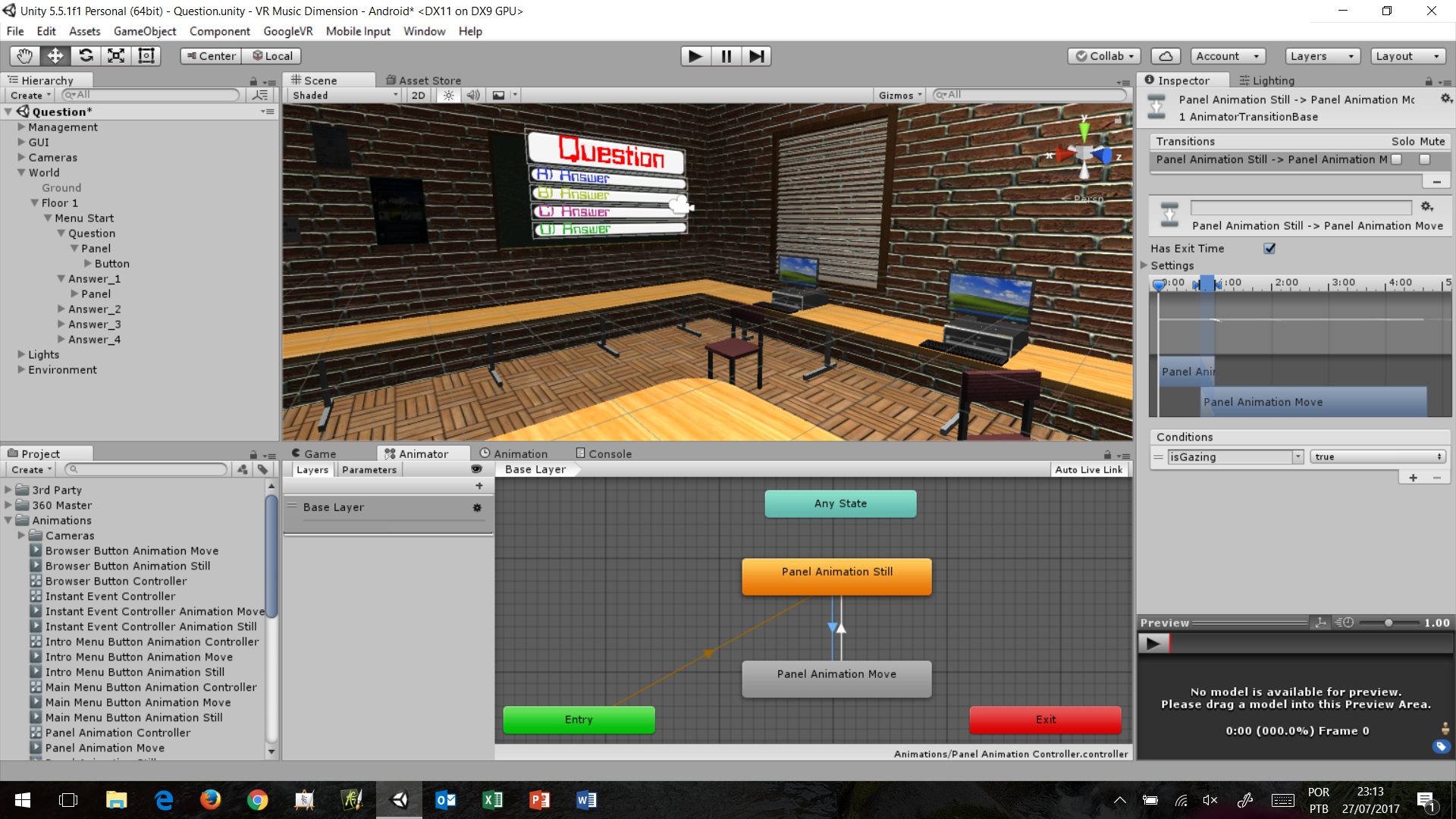
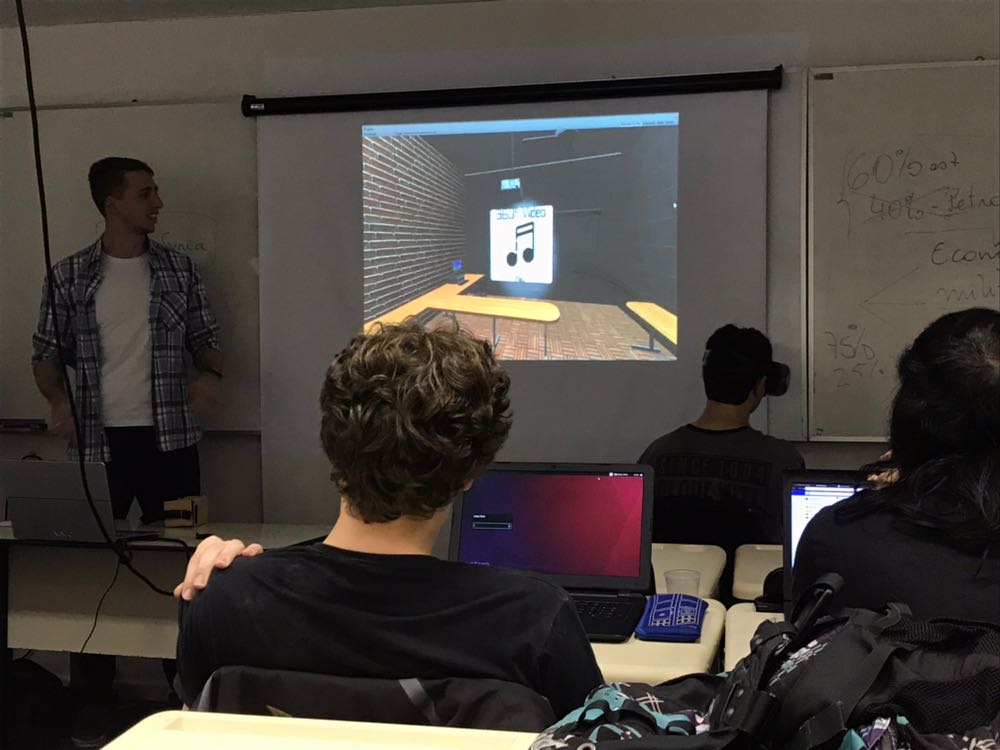
The Open App project is an initiative of Rumpus Centre led by Dr. Alexandra Okada with a group of partners in the UK (David Wortley) and Brazil (Sangar Zucchi, Simone Fuchtler and Ana Karine Rocha – PhD at the OU supervised by Dr Okada). It focuses on Open Educational Resources (OER) to be designed by youth based on ‘open schooling’ approach to foster skills for Responsible Research and Innovation. It is funded by Brazil government and supported by 360 in 360 Immersive Experiences (2018-2019). These OER for mobile devices about topical socio-scientific issues can be used, openly and freely, in formal and non-formal settings to enhance students and citizens’ immersive learning with fun and engagement. Our studies suggest that Virtual Reality (VR) can transform the way educational content is delivered making it easy to immerse learners in time and space with real-life settings relevant for society.
BR Mar 05th, 2019, UNISUL photo by Sangar Zucchi , CC
The Open App project team will be applauded for their dedication to openness, access, high quality and innovation at the Open Education Global Conference in Milan, Italy on November 26th. In this event, Dr. Okada was invited to present the Open App project and talk about her work focused on exploring “fun” with immersive learning.
Okada, Alexandra., Rocha, A. K. L. T., Fuchter, S. K., Zucchi, S., & Wortley, D. (2018, December) Formative assessment of inquiry skills for responsible research and innovation using 3D virtual reality glasses and face recognition. Technology Enhanced Assessment (pp. 91-101). Springer, Cham
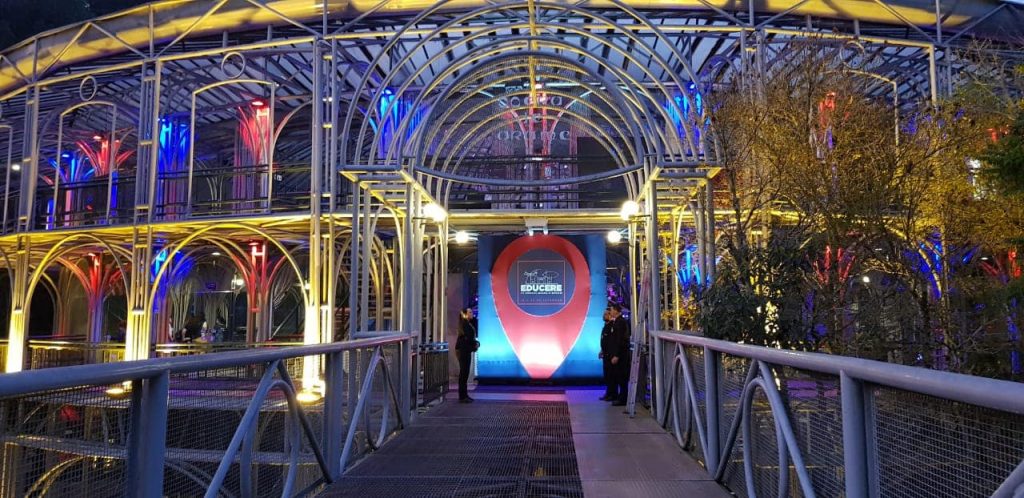
Pontifical Catholic University of Paraná (PUC-PR) organised a large international event in Curitiba – Brazil on the 16th to 19th of September, with three conferences that were joined together to promote significant discussions around the theme “Teacher professional development”:
EDUCERE – National Congress of Education
SIRSSE – International Seminar on Social Representations, Subjectivity and Education
SIPD / UNESCO – International Seminar on Teacher Professionalization
This event brought together more than 3,000 teachers and 200 experts in the field to discuss Education in Brazil and tackle societal issues and global challenges.
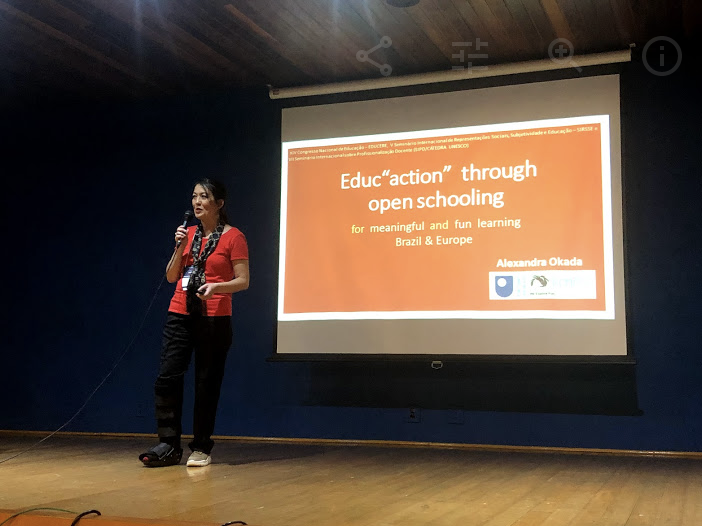
Alexandra Okada, educational research member of Rumpus from the Open University, was invited as a keynote, to present international initiatives with Brazil that are focused on new approaches to enhance education for the 21st century. She discussed various examples from two large European projects with Brazilian universities who were collaborators. These projects were underpinned by the Responsible Research and Innovation (RRI) approach whose aim is to align scientific development with societal needs by engaging all representatives in all phases of research and innovation.
Currently, Alexandra is exploring fun and engagement in education. She is passionate about “engaging approaches” to connect formal and informal learning effectively. She explores the role of “fun” for a contemporary education that is enjoyable to empower teachers and students with scientific knowledge, skills and attitude that they need to succeed by facing the pace of science and technology including local and global challenges. This includes mixed-realities, knowledge mapping and open science.
Alexandra invited teachers to reflect about the meaning of “action” in educ”action” . She also introduced the concept of “open schooling” and engaged three sectors of participants: Higher Education, Schools and Society to reflect about RRI key issues: public engagement, gender equality, open access, ethics and research integrity, and science education.
There were a full range of participants interested in this relevant topic: undergraduates, teachers (pre-service, in-service) from public and private schools, researchers and research organisations, policy makers at global, national and regional level, business and industry representatives in the area of Education including publishers, science education members, and civil society organisations.
Various issues were raised by participants and discussed using “fun artefacts” to share and integrate their views and concerns about Education in Brazil:
How will educational managers, policy bodies and decision makers promote efficient management with limited resources?
How can educational institutions increase quality of education using bottom up approaches?
What are the strategies for the educational system to promote equity considering the large number of disadvantaged students?
So that, How important is teacher professional development and in what ways can teachers (from all levels) be better equipped to tackle these questions above?
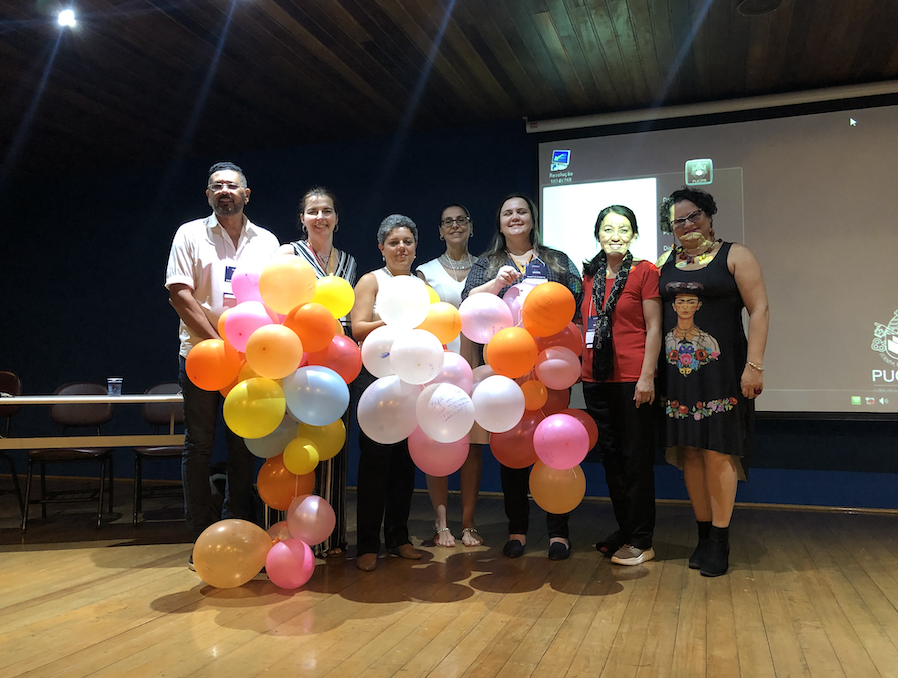
The event was a great opportunity to envision collaboratively the next steps of open schooling and RRI in Education including in terms of impact, policy and funding opportunities. This session ended with a nice proverb “If you want to go fast – go alone, if you want to go far – go together”
The Rumpus research group organised a workshop about Fun Taxonomy at the Playful Learning Conference.
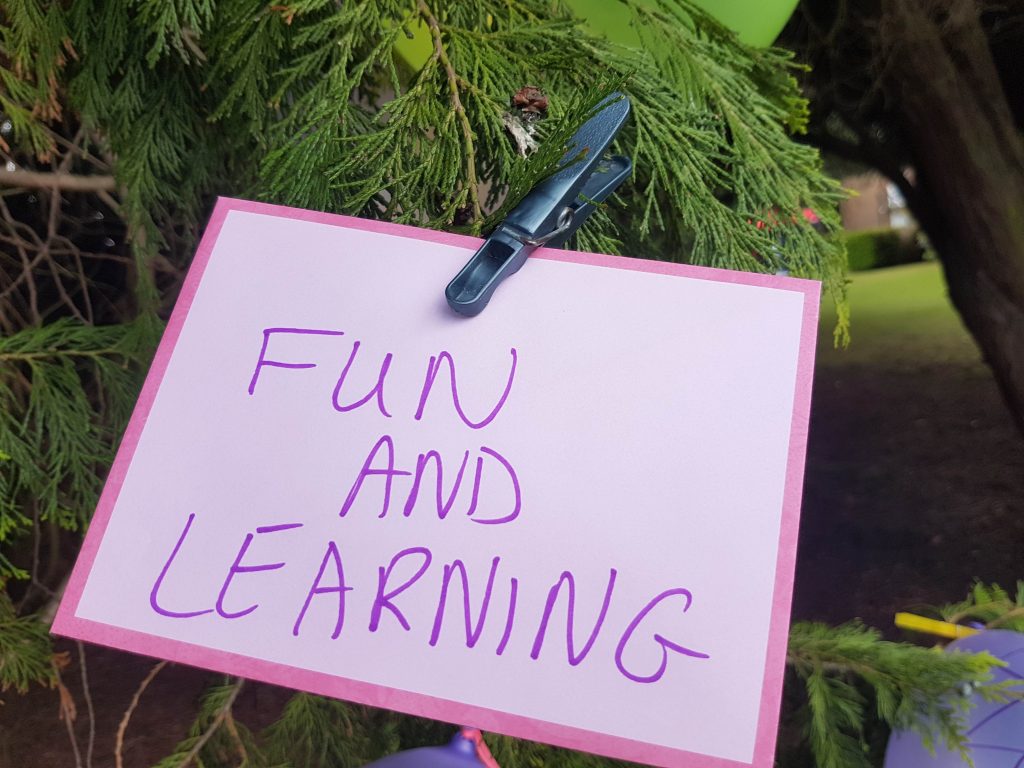
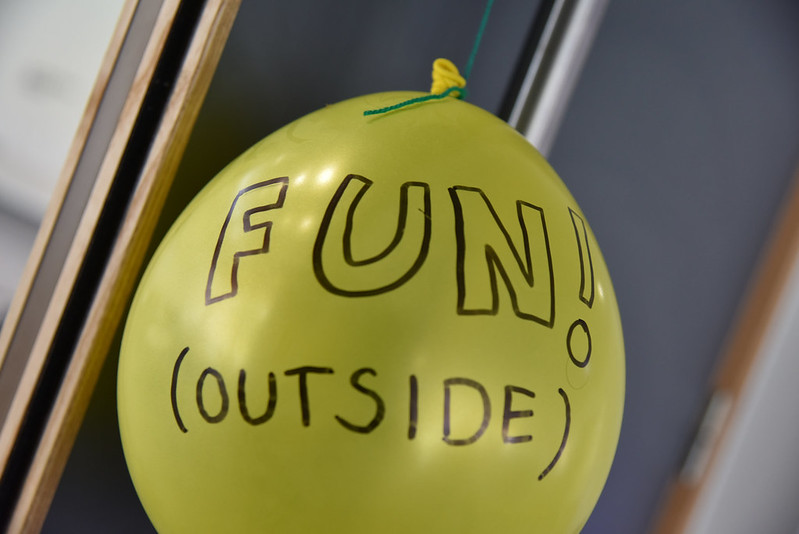
Mark Childs and Rebecca Ferguson developed a special activity with balloons for participants to have fun and discuss about the relationship between fun and learning. The event was recorded by Ale Okada through images, photos and 360 video.
It was fun to identify the elements of fun. Using the outside space and a variety of media (including balloons). Participants shared their ideas to develop a common understanding about what fun is, and what contributes to it.
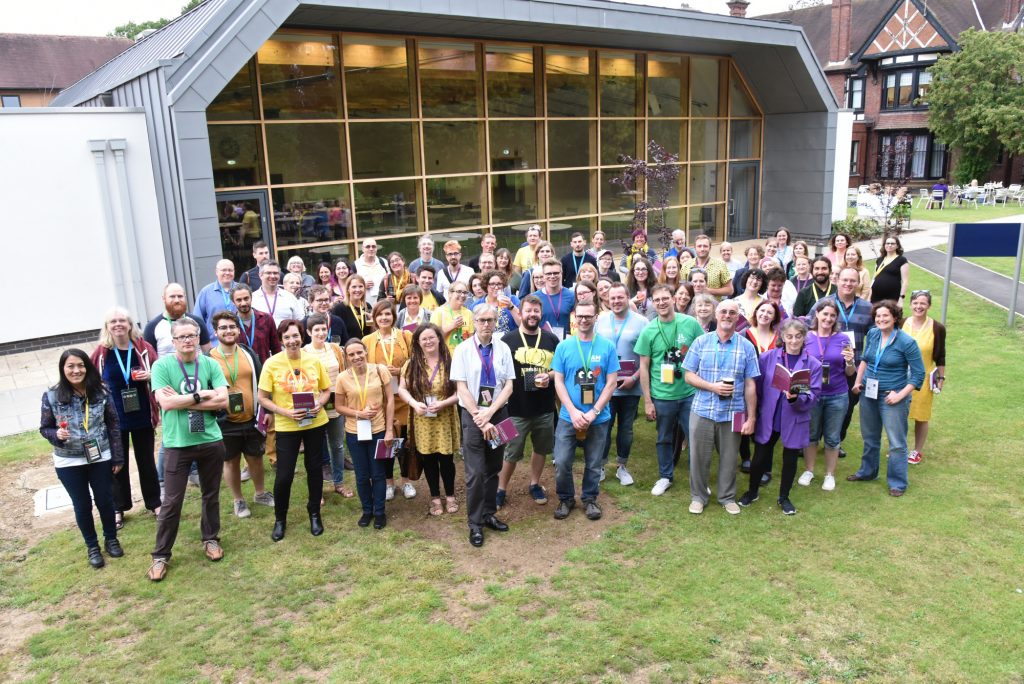
Playful Learning 2019 took place at the University of Leicester on 10-12th July 2019.
Playful Learning is a popular fun conference that explores the intersection of learning and play. This event provided a space for teachers, researchers and students to play, learn and think together. This conference provided an enjoyable environment to meet other playful people and be inspired by talks, workshops, activities and events.
Playful Learning 2019 was held at the heart of England in Leicestershire and opened the programme up to outdoor spaces, where our workshop was delivered to foster playful learning and conversations about fun in learning.
Rumpus website has just been launched …
We are now testing new interfaces to promote “fun” while users are browsing and reading our multimedia blog.
See an example bellow…
Multimedia annotation for deep fun is a project funded by the Open University UK, led by Dr. Okada.
 In her main study she engaged with nine 7- to 11-year-old coresearchers who guided research into their own free-choice physical activity.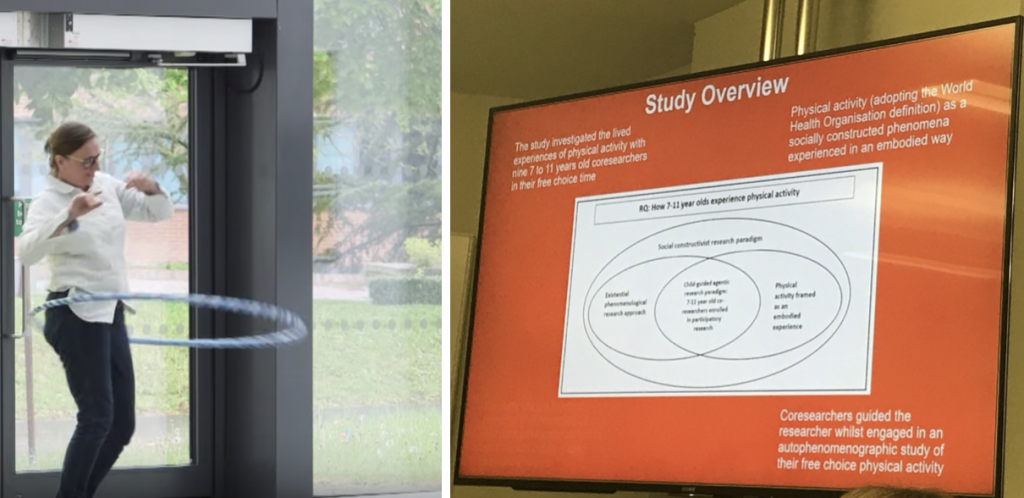


 The event was a great opportunity to envision collaboratively the next steps of open schooling and RRI in Education including in terms of impact, policy and funding opportunities. This session ended with a nice proverb “If you want to go fast – go alone, if you want to go far – go together”