The Long And Short Of It, Session 2: The Richness Of Short Stories

On Monday 12 March 2024, we had the privilege to hear the writer Rattawut Lapcharoensap in conversation with OU Associate Lecturer Dr. Alistair Daniel. In this second instalment of the MK Lit Fest series The Long and Short of It, they explored the unique challenges and pleasures, and possibly also pains, of short story writing.

PhD student, Anne Wetherilt, offers here a summary of the event for those of you who couldn’t make it.
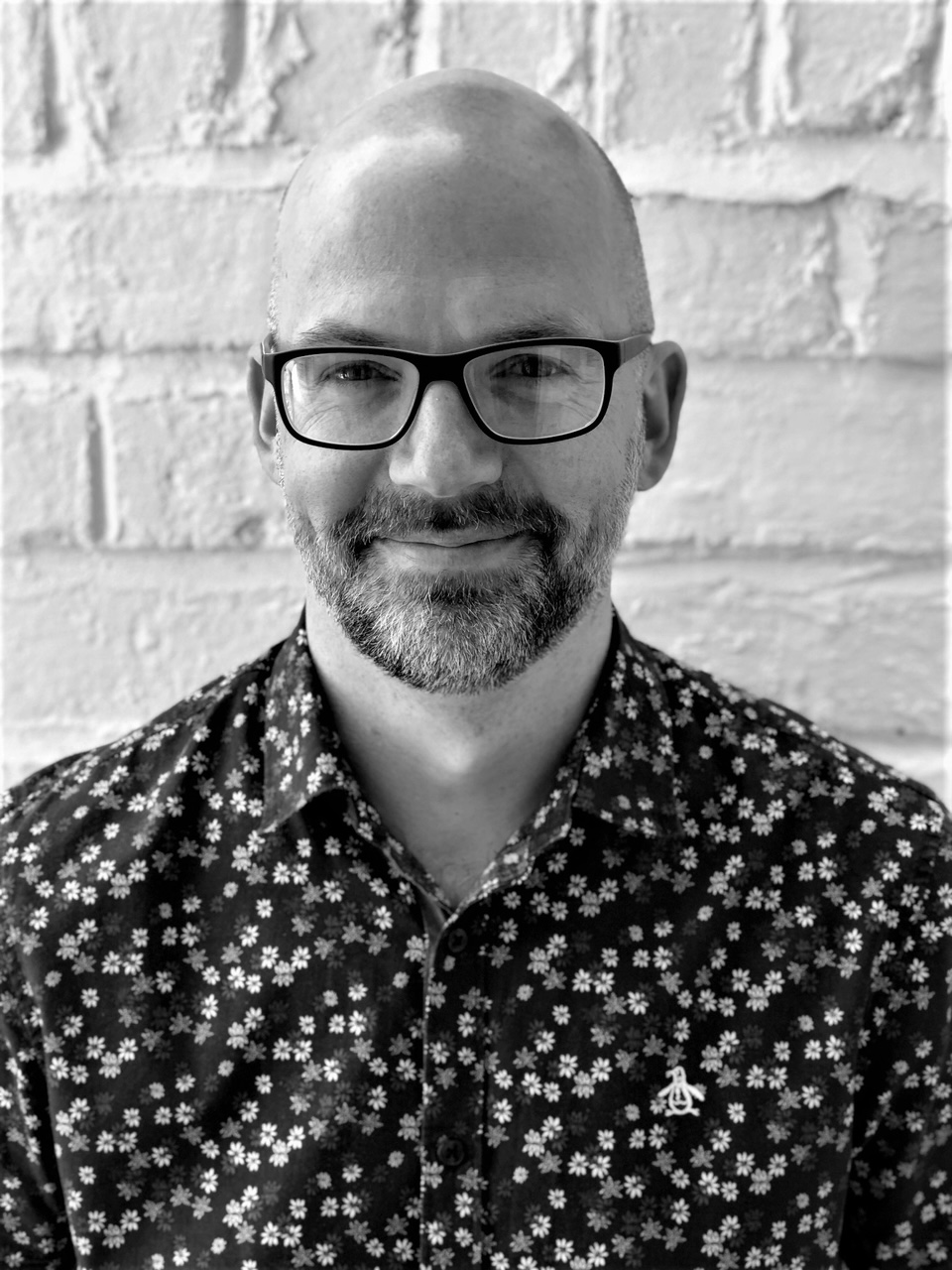
 

A headshot of a middle-aged bald male with a beard, wearing rectangular glasses and a floral shirt
Alistair Daniel
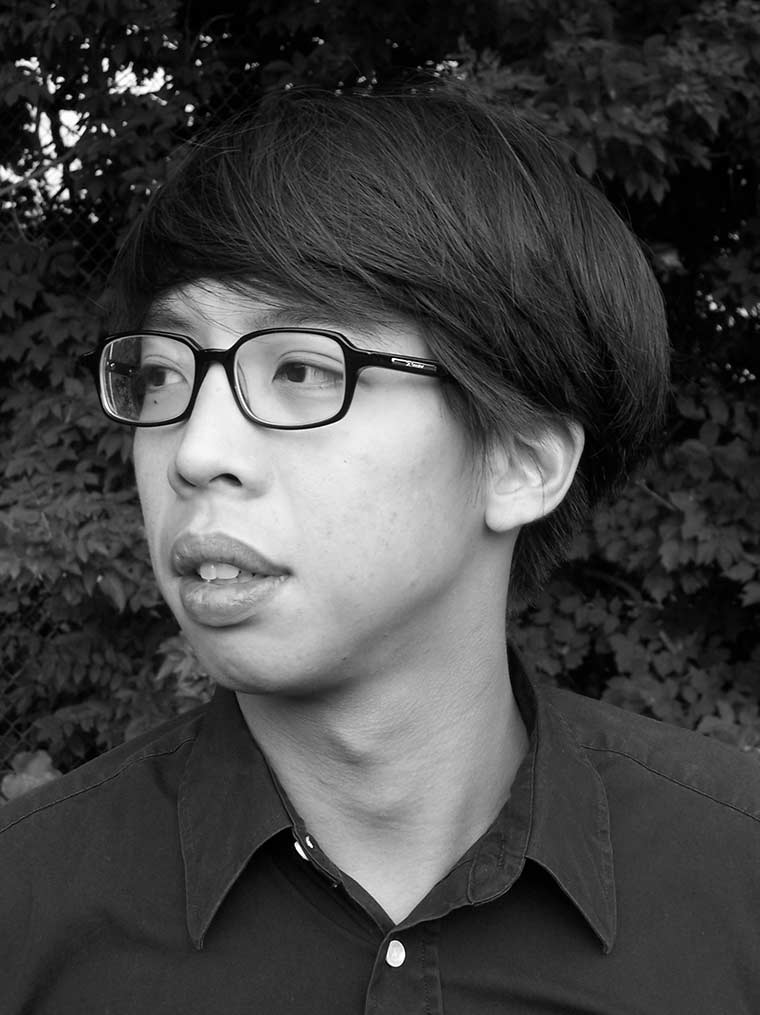
Black and white headshot of middle-aged Asian male author Rattawut Lapcharoensap. Author has short hair and is wearing circular glasses and a collared shirt.
Rattawut Lapcharoensap


Rattawut Lapcharoensap, Alastair Daniel wrote earlier this month burst onto the literary scene in 2005 with his debut story collection, Sightseeing. It won the Asian American Literary Award and was a finalist for the Guardian First Book Award. 

Short stories, Edgar Allan Poe famously wrote, need to be read in one setting. But this, Lapcharoensap argues, short-sells the short story. An avid reader of the form – he quotes James Joyce, Frank O’Connor, Sherwood Anderson, Flannery O’Connor, Alice Munro, Katherine Anne Porter and Junot Diaz amongst others – Lapcharoensap is drawn to the short story because of its ability to capture the individual and the collective experience, and its intense awareness of human loneliness. 

 His short stories have a strong sense of place. ‘I want to write the truth about the communities I felt part of’, he tells us. Indeed, in Sightseeing, he gives us a richly detailed picture of Bangkok in the 1980s and 1990s. The stories are rooted in experiences he witnessed as a young person and carried with him as an adult. And whilst they touch on topical political issues, his main aim is always to tell the truth about his characters’ lives. 

 When Sightseeing came out, William Sutcliffe, writing in The Guardian praised its ‘novelistic richness’. Lapcharoensap aims to achieve this richness through his characters. Even though a short story gives the reader only a glimpse of the character’s life, you can present the whole person: where they came from; what they have done earlier in their life; how they have lived their life. You can write beautifully and with great emotional clarity, he asserts, a short story need not be short in terms of descriptive power. 

 In Sightseeing, these stories typically narrate the experiences of young boys or adolescent men. But they are brought to us by older first-person narrators, who calmly observe and report their own earlier encounters with life. This older first-person narrator, Lapcharoensap reflects, brings an interesting perspective to the story. They may have greater articulacy, but often continue to be bewildered.  

https://www.youtube.com/watch?v=tZFdz-TVUuQ

Given the centrality of place and character in his stories, it is perhaps no surprise to learn that Lapcharoensap usually starts the writing process with a scene or a character. Asking ‘who is speaking’, he expands on a notion, a feeling, a telling detail or bird’s eye view. The story line may emerge later – although sometimes it doesn’t. This early composition is like playing in the dark, he explains, and proceeds without a plan. But planning comes in when he starts revising and here we get a glimpse of the personal discipline Lapcharoensap applies to his writing. Revision is about looking for opportunities to exercise the imagination, he believes. The creative act is not just the initial inspiration – the artist struck by the imagination in his study. Rather, such moments occur in the sequence of drafts, when ‘something beautiful emerges from the lumps of despair’.  

 For all their promise, short stories can be prone to clichés and pitfalls. Lapcharoensap is particularly wary of the emphasis on epiphany. The Joycean epiphany can be beautiful, he argues, but as a narrative habit it can also be limiting. Not every character needs to act, stumble and learn from their mistakes. Weak epiphanies or false epiphanies abound in short stories, and as a genre requirement, it can limit a young writer in their development and imagination. Another pitfall, he admits, is to create characters like yourself, which you don’t allow to fail or behave foolishly. Invariably, this reduces the richness of the story, and the fictional narration becomes wishful fulfilment. 

 Part of the joy of being a short story writer, Lapcharoensap notes, is in seeing them published as part of a collection. Each story is written on its own and should stand on its own feet. But they are enriched by their neighbours, as the writer organises them in a particular way to achieve formal and thematic dignity. 

 Sightseeing closes with ‘Cockfighter’, which at 90 pages is closer to a novella. This particular one did not end, Lapcharoensap explains. ‘It just wouldn’t stop and I continued to be interested in it’. As a reader, he loves the novella – it has the expansiveness of the novel yet requires the rigour and economy of the short story. To this reader of Sightseeing, Lapcharoensap moves effortlessly across the two forms, offering us ‘novelistic richness’, as well as sheer reading pleasure. 

 The series will delve into the novella form on Monday 18 March and conclude with the novel on Monday 25 March.
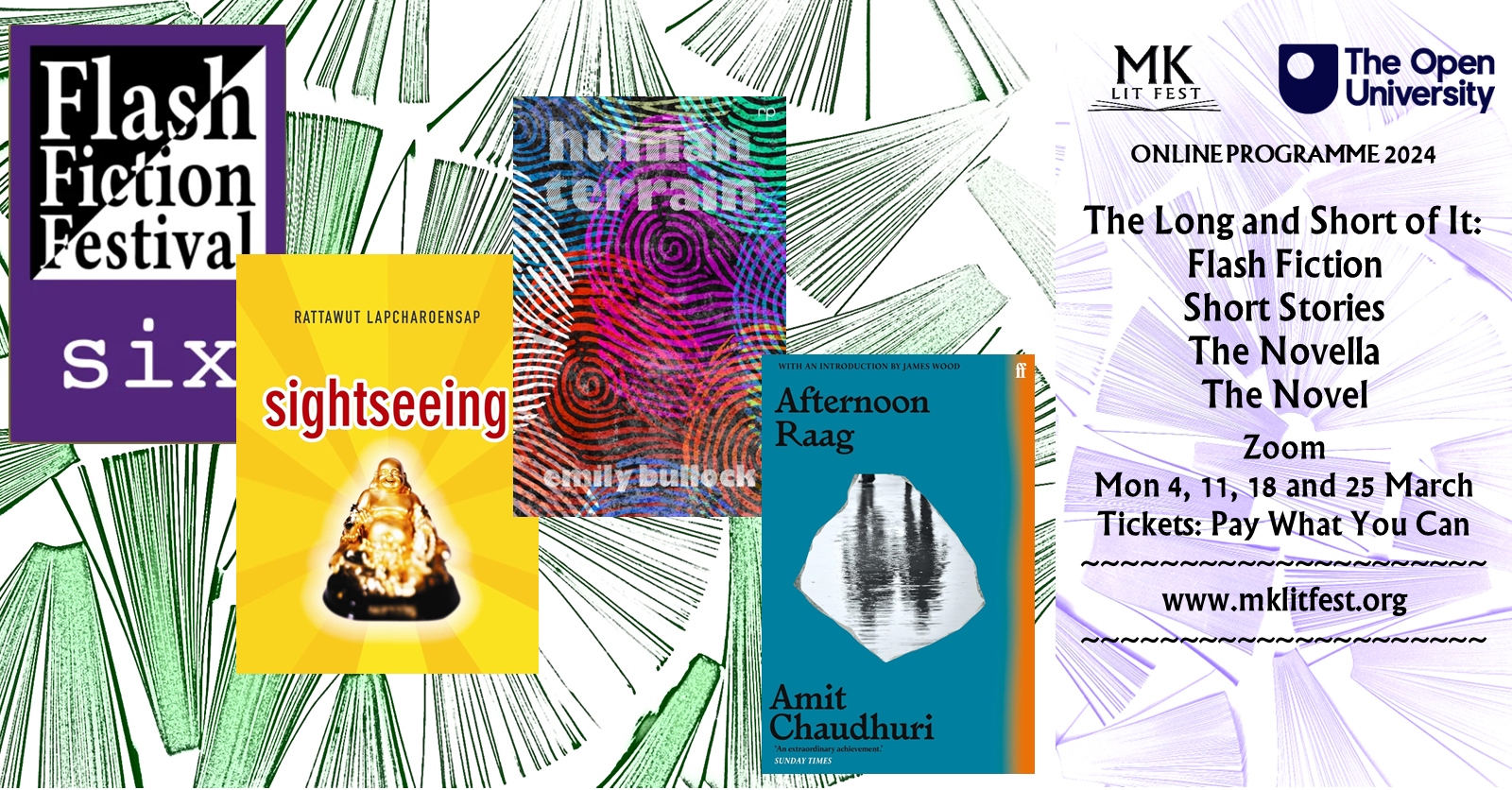
Banner advertising upcoming Monday evening online events: Short story, 11 March; Novella, 18 March; Novel, 25 March. Images of book covers by each of the guest authors.


Headshit image of a middle-aged woman with blonde hair in a ponytail wearing a black crew neck t-shirt
Anne Wetherilt

Anne Wetherilt is a part-time PhD student in the Department of English, funded by the Open Oxford Cambridge (OOC) Doctoral Training Partnership. Her thesis – ‘Decolonisation and the Female Middlebrow: Politics, Economics and the Novel’ – studies the work of women writers, who witnessed the end of the British empire. Her supervisors are Prof. Alex Tickell and Prof. David Johnson. 
 

A Fine Balance: writing, teaching, public engagement

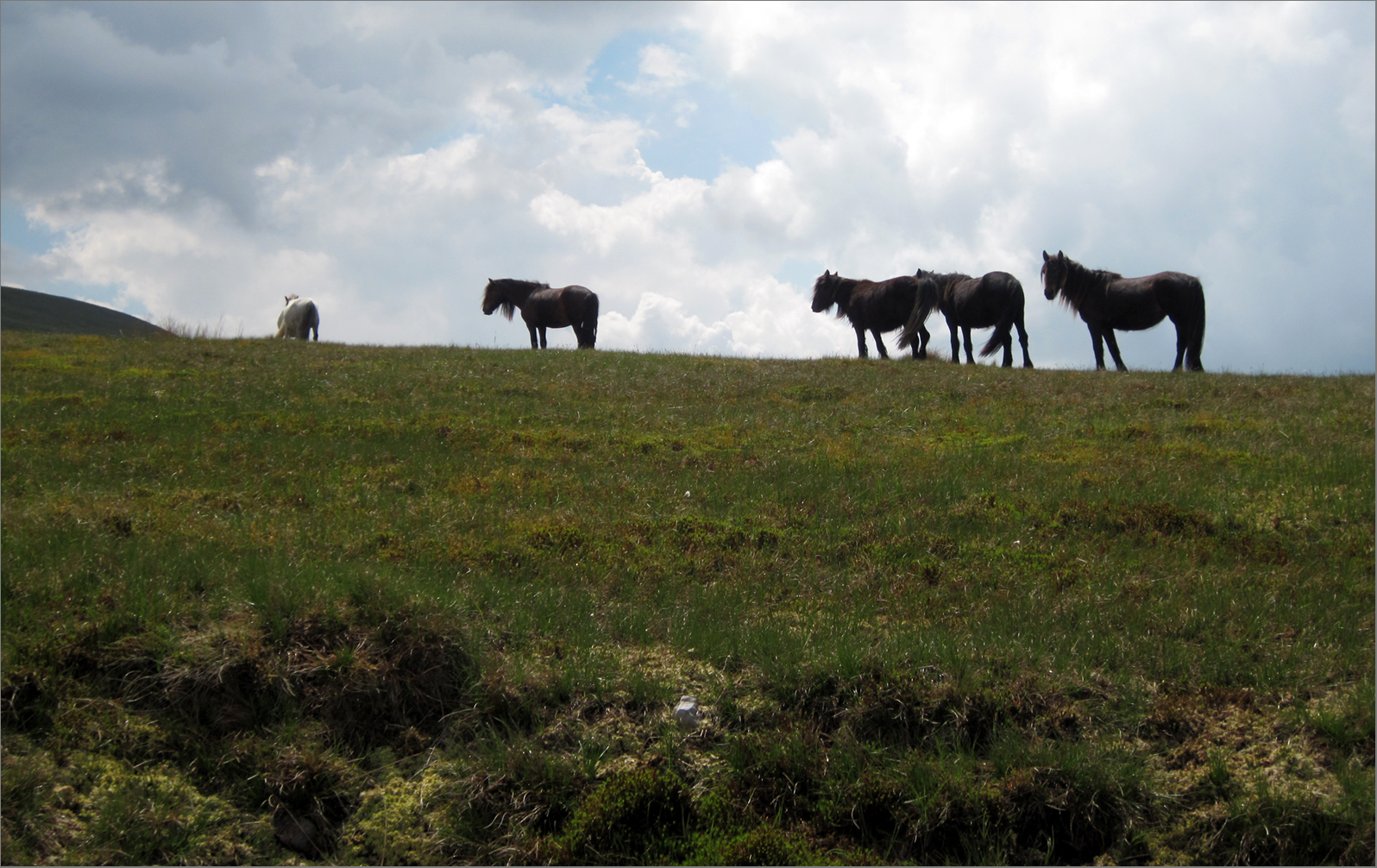
When the world opened again after lockdown, my steadfast companion was the view out my home office window of a fell in Cumbria. Fell ponies often arranged themselves along the ridge of the commons above grazing sheep, backlit by low winter sun. I would gaze at their silhouettes when I needed a break from my computer screen. Former colleagues at brick-and-mortar universities in the US and UK began heading back to campus as COVID restrictions were lifted. I’d taken a job at the OU working from home during the pandemic, and I’d moved five hours north in search of an affordable house with a garden. My ‘new’ office was in a converted bedroom. I couldn’t go to campus or meet colleagues face-to-face for several months after lockdown eased, so I dug in and reconciled myself to living and working in what I came to think of as my ‘fast-moving cloud,’ the western slope of the Howgills.

Fell ponies

Working at the OU has transformed my life as an academic. Moving into a home-based role that is part operational, part distance learning, and part research has provided time for reflection. Most days after lunch, I walk a different lane or track or public footpath in my tiny village where sheep outnumber humans, and I think about things. I live on the edge of the Lake District, countryside that writers Dorothy and William Wordsworth and their friend Samuel Taylor Coleridge would have found familiar. At first, the reality of experiencing the romantic notion of the ‘sublime’ was quite a shock, and it took months to connect with the land in a way other than fear (of high winds, low clouds, and gusting rain) or dread (of same). With time, though, I settled in and got on with work and with writing and connecting with local writers and artists, which has made everything better, especially the low-lying clouds.

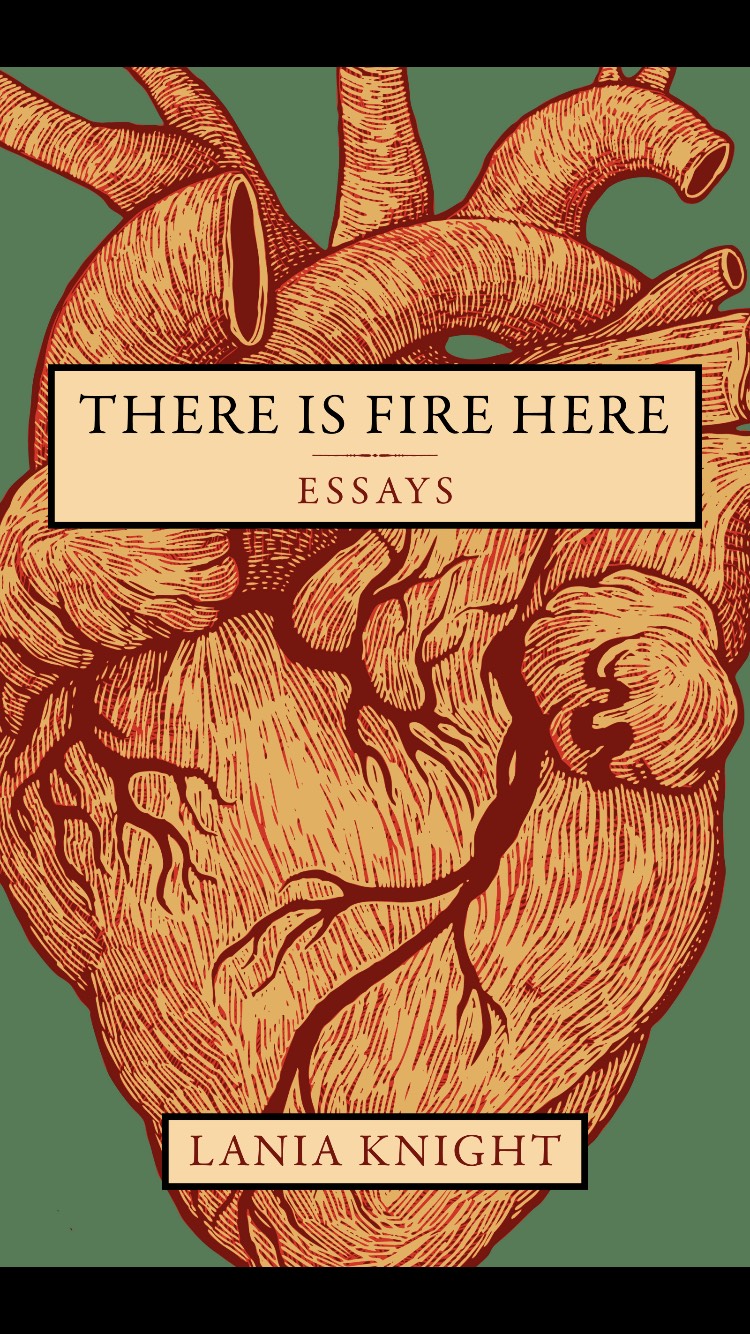
Like other writers who have lived in isolated landscapes, I’ve found this time fruitful. A collection of personal essays There is Fire Here was published in September by a small UK publisher, Signal 8 Press. I have long been a fan of the ‘fourth genre,’ and There Is Fire Here has been a satisfying opportunity to bring together fifteen essays spanning the day I dropped out of high school in Texas and left home on the back of a motorbike at sixteen, to my move across the Atlantic to the UK, where I learned how to write poetry.

Some of the joys of being a writer and an academic are the connections between your research, your teaching, your colleagues, and public outreach. My work in creative nonfiction includes my own writing, my teaching, and public engagement—a circle which is finely balanced within my role at the OU.

While I was working on finalising the manuscript for There Is Fire Here, I was asked to serve on the panel that would be revising the third-year Arts & Humanities module, A363 Advanced Creative Writing. I proposed that we expand the teaching on life writing.

Emma Claire Sweeney, the discipline’s Media Lead and a fellow course author, asked if I might like to interview Kit de Waal for the Milton Keynes Literary Festival. De Waal’s debut memoir Without Warning and Only Sometimes had recently been released and the festival needed someone to interview her. It was a dream role. I was sent all her previous books to read, which included several novels and an anthology she edited, Common People. I set those on my bedside table and devoured them.

Kit de Waal

During my conversation with de Waal at Milton Keynes Lit Fest, I confessed in front of the festival audience that I had cried on the train finishing one of de Waal’s novels, My Name Is Leon. In the same way that she had wowed me with her stories, Kit wowed the crowd, made them laugh and cry, held them enthralled for the entire hour. An OU camera team were there to record it all.

Soon, clips from that conversation with Kit de Waal will be part of the next iteration of A363 Advanced Creative Writing, a culmination of research, teaching and public engagement woven through bespoke teaching materials for the OU. I’ve sent Kit a copy of my book, and fingers crossed, she’ll be attending my online book launch on Wednesday 8th November, when I’ll be in conversation with brilliant UK writer, Zoe Lambert.

Tickets are free and it will be a relaxed evening. I’ll be joining from Cumbria, in a comfy spot by the woodstove. Grab your favourite drink, settle in somewhere cozy and join us.

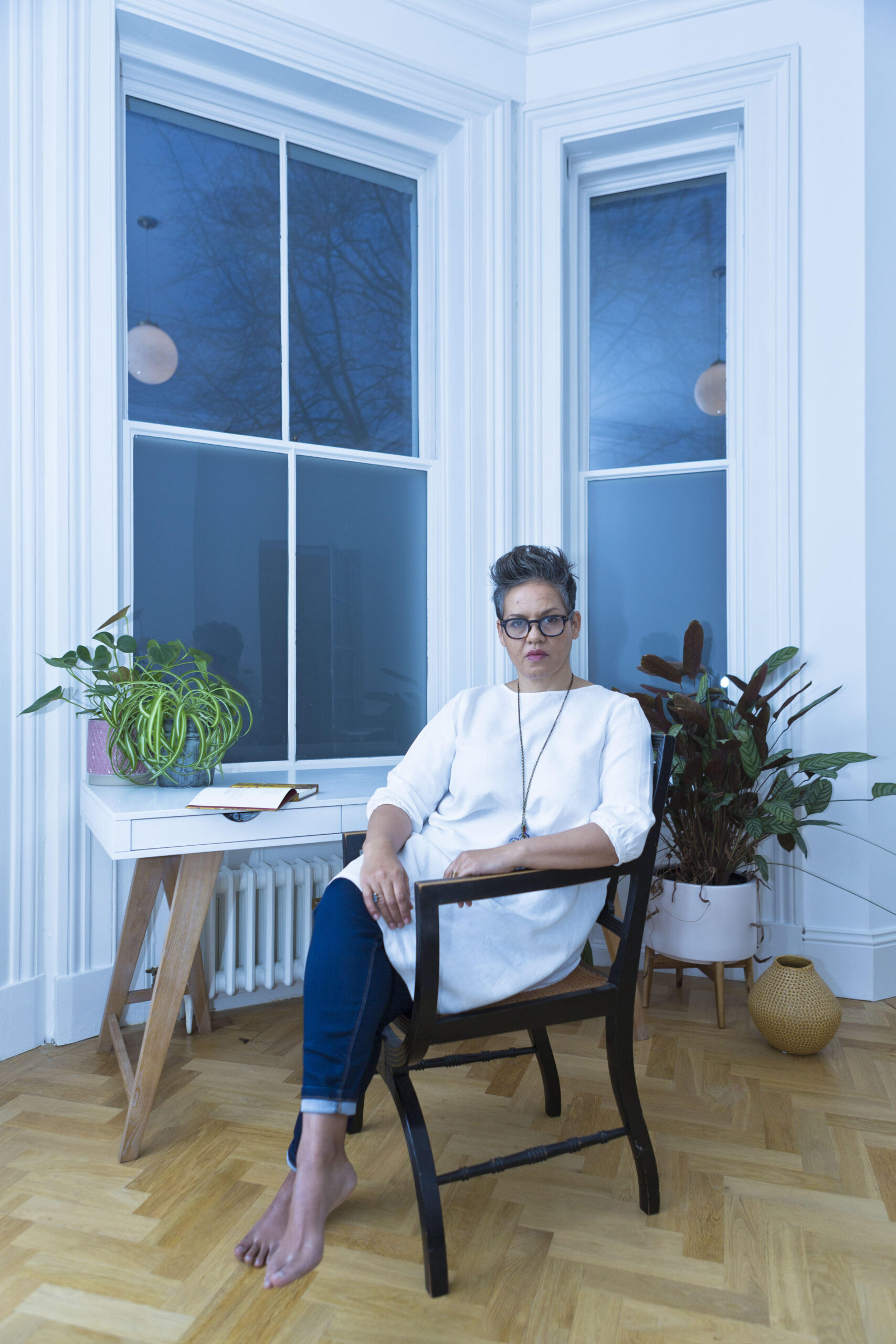
Lania Knight

Lania Knight holds a BSc in Plant Science and Environmental Conservation from the University of New Hampshire, and an MA and PhD in English Literature and Creative Writing from the University of Missouri. She is the author of four books, including two novels, Three Cubic Feet, shortlisted for the Lambda Literary Award in Debut Fiction, and Remnant, a dystopian novel set in the American Midwest, as well as a poetry pamphlet Single-Track B-Road, and a collection of personal essays There Is Fire Here.

Judging Milton Keynes LitFest’s Writing Competition

Open University PhD graduand, Patrick Wright, and current PhD student, Gwyneth Jones, acted as judges for Milton Keynes LitFest’s  MinK2023 Writing Competition. All the shortlisted entries will be published in an anthology, and the winners will be announced at the Anthology Launch at Milton Keynes Library on 15th April 2023.

To mark the announcement of the shortlisted entries, we caught up with Gwyneth Jones, who judged the flash-fiction categories and is a prize-winning author of flash herself.

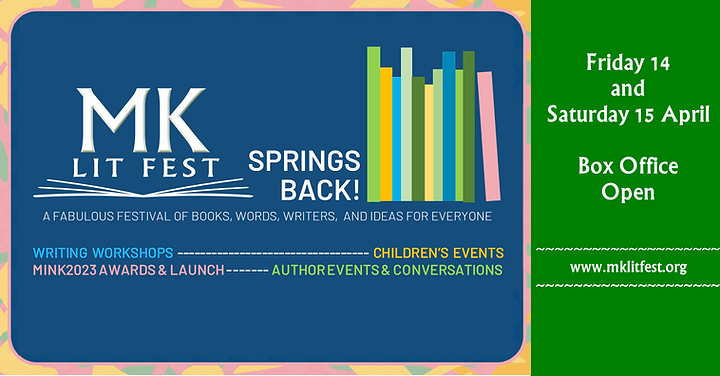
MK LitFest Springs back launch banner

What is flash fiction and how did you first discover it?

Flash fiction, in a nutshell, is a very short story. Exactly how short is debateable but certainly less than 1000 words, perhaps as few as 200, and it should feel absolutely complete in itself. Flash can be any genre it chooses. It can dress up, dress down, dress to impress, or go commando. It’s a delinquent midget-gem that resists pigeonholing.

Very short fiction has been around for ever – just think of Aesop’s Fables. But flash fiction really began to gain traction as a genre in the late 1980s. Today it has a wide international fanbase and is published in literary magazines, anthologies, single-author collections, and also, of course, online. The immediacy and connectivity of the internet has proved an excellent forum for these punchy bite-sized fictions.

It was on the internet that I stumbled across flash fiction competitions. Entering gave me a way of finding out if my writing was any good – which it wasn’t at first – but I learned by reading the entries that were better than mine, the ones scooping prizes. After a while, I got hooked, got listed, got published.

As a writer, what attracts you to the form?

The chance to experiment in a way that might not be sustainable in long-form fiction. Flash can be very disruptive, disregarding ‘rules’ about writing, such as having a beginning, middle, and end. Scrap that! Flash hardly gets past the beginning. Flash is always close to the end. You might start in the middle, in media res, or you could squeeze that out altogether and trust the reader to fill in the gaps. Another rule: ‘create original characters’. Or you could use archetypes to save thousands of words. Take Goldilocks: your reader already knows she’s an adventurous, entitled, blonde who’s very, very picky. With only a few hundred words so much is possible; you could write about a nanosecond, a lifetime, or an eon. You could write from an unusual point of view, or in the negative, or in a Fibonacci sequence. Flash can handle some serious subjects, but the form is very playful.

You have won the Wild Words competition and been long/shortlisted for the Bridport, Bath Flash Fiction, Reflex Flash, and the Quiet Man Dave prizes, and now you have judged MK Litfest’s flash fiction competitions. From your experience on both sides of the process, what would you say makes for a prize-winning flash?

A title that works hard – something that interacts with the text; pin-sharp specificity, nothing anodyne, clichéd, or generalised; careful attention to the sound of the words because flash is great for reading aloud; and, of course, absolute economy – not one single wasted word, no lazy word choice. As with all great fiction regardless of size, voice is important. Voice is the thing that snags the reader from the start. It’s in the vocabulary, the syntax, the imagery, and the things left unsaid.

After that, the elusive prize-winning quality is something that’s hard to describe – but you know it when you read it – and you want to go back and read it again, and again. Roland Barthes called it the punctum. He was talking about photographs, but I think it translates. It’s some unexpected detail or moment, some splinter beyond the ordinary subject that pierces you and isn’t easily forgotten. Julio Cortázar talks about this power as a story ‘rupturing its own limits’, spilling out and illuminating something beyond the page. The best flash fictions do this; they remain with you like an earworm or a bruise.

Tell us a bit about some of the flashes shortlisted for MK Litfest.

The theme was ‘Green Spaces in the City’ and there was a lot of inventiveness in the shortlist with some writers speculating on the future and about how our relationship with the natural world might develop. One that made me laugh out loud, was written as an email to mankind, warning of an imminent plant-life revolution. There were also some finely penned observations of present-day concerns including one about a woman with a young child searching for a new home and measuring spaces both urban and green with the span of her hands. My personal favourite came from the younger age category (14-19 years) and it was the shortest by far, just 188 words. A quirkily voiced stream of consciousness that exactly captured the crowding and leaping of thoughts, and how one thing leads to another. It had slant, and resonance, and compression; I just adored it from the very first read.

How has your study at the OU shaped you as a writer of flash fiction?

I’ve learned a lot about the craft of writing and applied that to flash fiction, but the most surprising thing is discovering that a ‘being a writer’ isn’t the solitary endeavour I first imagined. I did an MA in Creative Writing here at the OU and was lucky enough to be part of group of incredible, talented writers; we’re still in touch on a regular basis, swapping work and cheering each other on. Now, I’m doing a PhD, and the circle is smaller, but the support and the camaraderie is every bit as good. My time at the OU has spurred me to get involved and make connections out in the wider world where the flash fiction community is vibrant and welcoming with a multitude of workshops, discussion groups, and festivals. I’ve benefitted enormously from the advice and generosity of other writers, and hope to pay that forward. But still, all this sociability and joining in is learned behaviour; if I wasn’t a writer, my dream job would be lighthouse keeper.

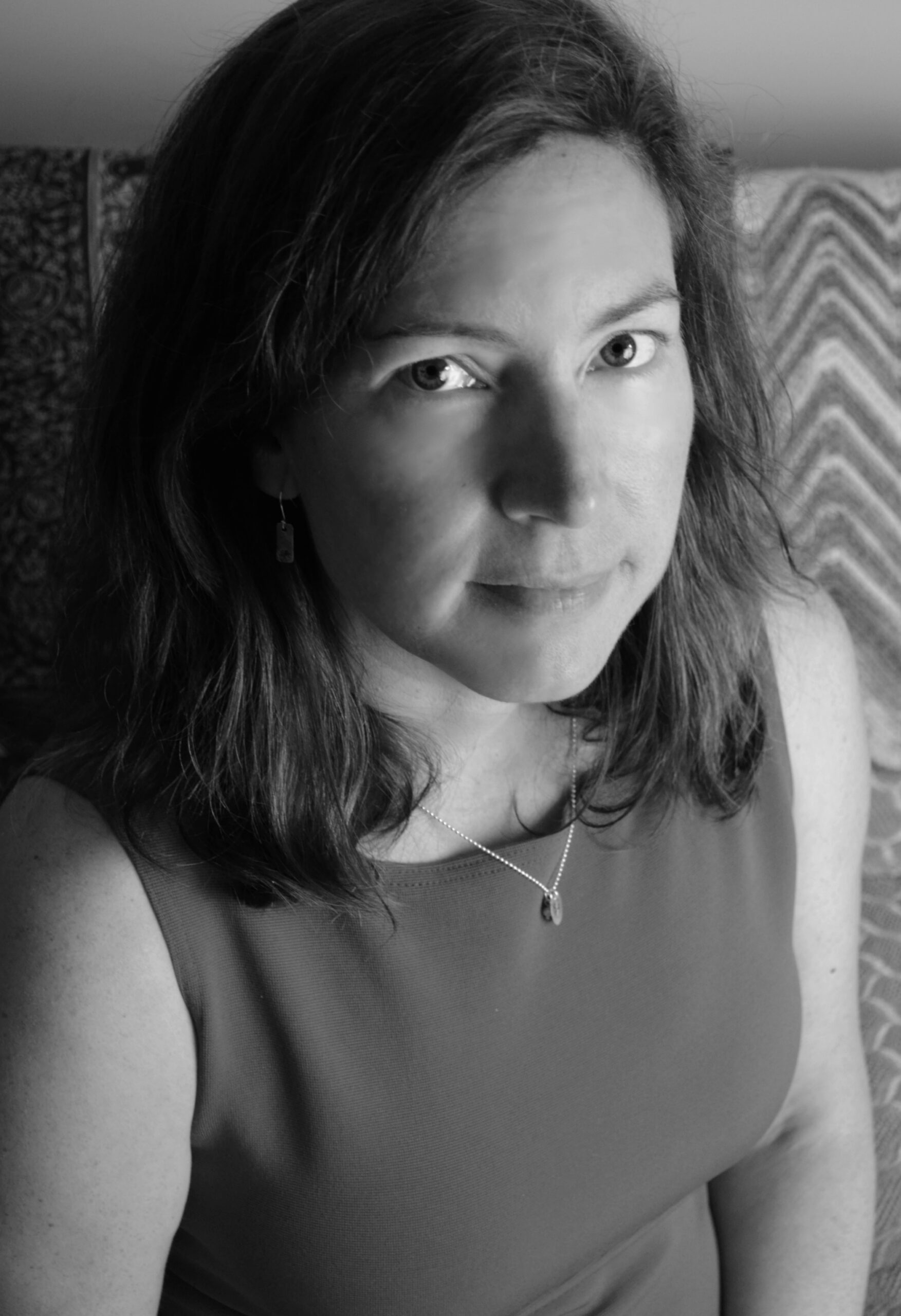
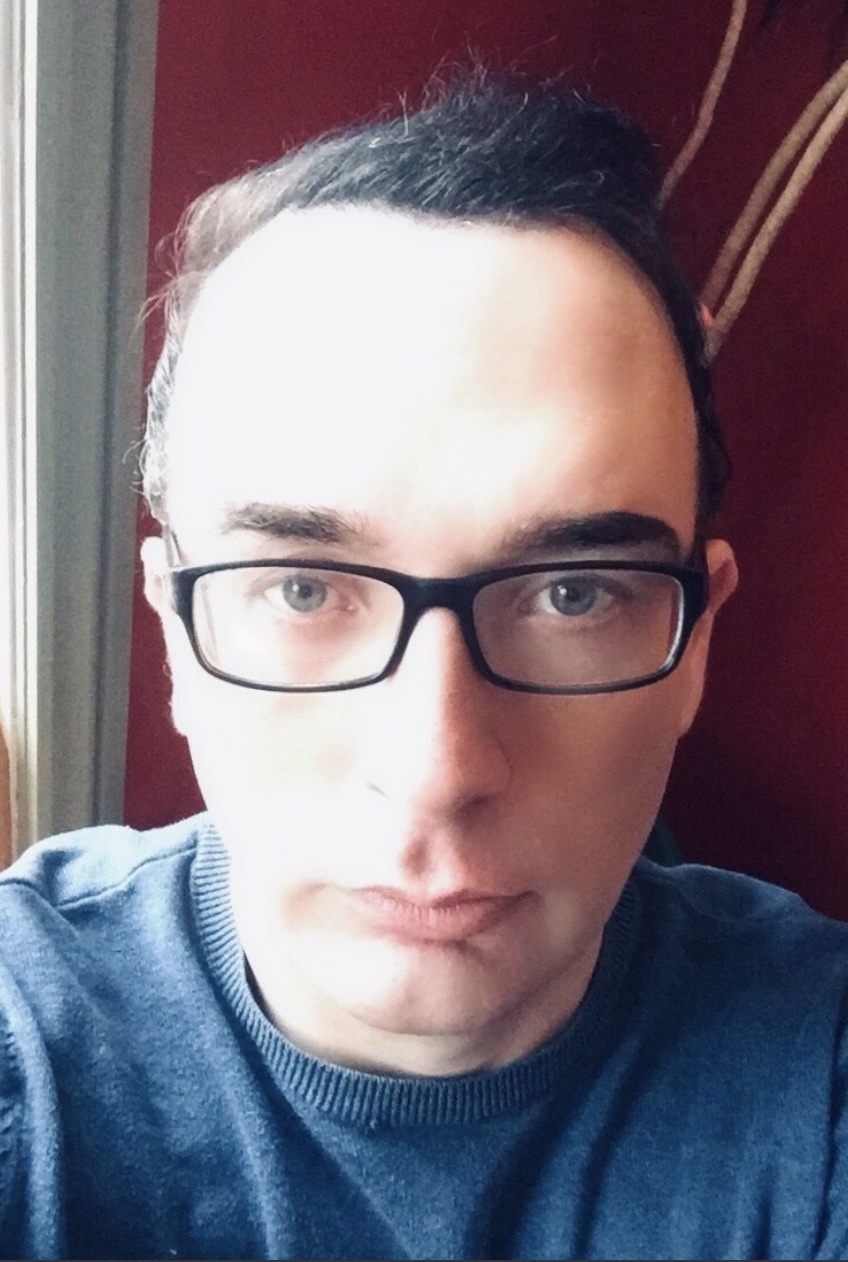
Headshot of Jupiter Jones
Jupiter Jones

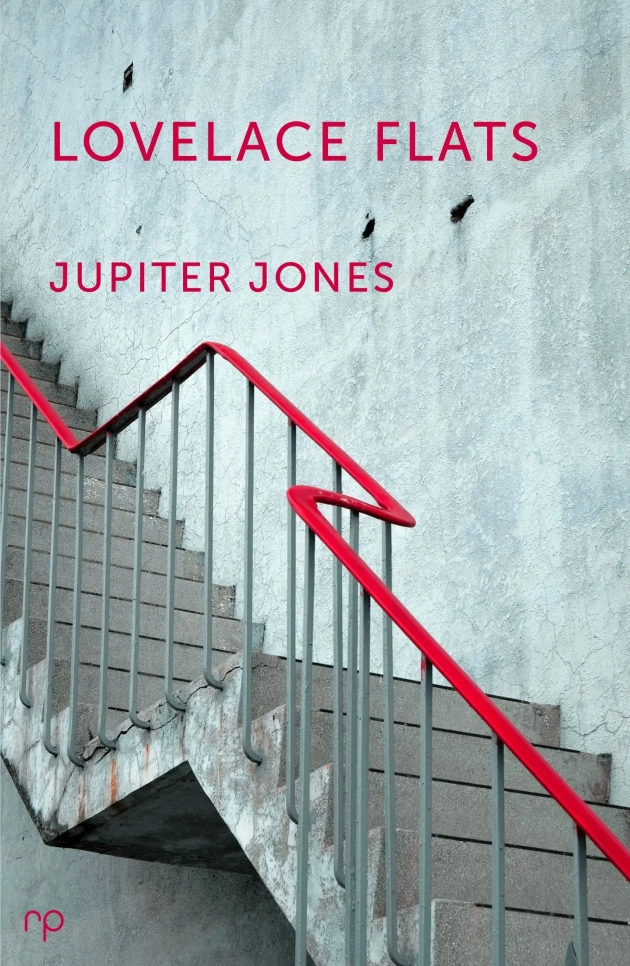
Gwyneth Jones lives in Wales and writes short and flash fictions. Under the pen name Jupiter Jones, she is the two-time winner of the Colm Tóibín International Prize, and her stories have been published by Aesthetica, Brittle Star, Fish, Scottish Arts, and Parthian. Her first novella-in-flash, The Death and Life of Mrs Parker was published by Ad Hoc Fiction, the second, Lovelace Flats by Reflex Press and the third, Gull Shit Alley and Other Roads to Hell by Ad Hoc. She is currently a PhD candidate at the OU researching form and narrative purpose in the novella-in-flash.