At the Open University we are lucky enough to have a well equipped sport and exercise science laboratory and state of the art technologies to allow our distance learning students to benefit from these facilities remotely. These are all housed within our XR Studios. The videos below introduce the XR Studios and how they can be used to support your studies.
Who gets to dance?
By Kim Collett
With the new series of Strictly Come Dancing starting, what can it tell us about representation, diversity and inclusion in dance?
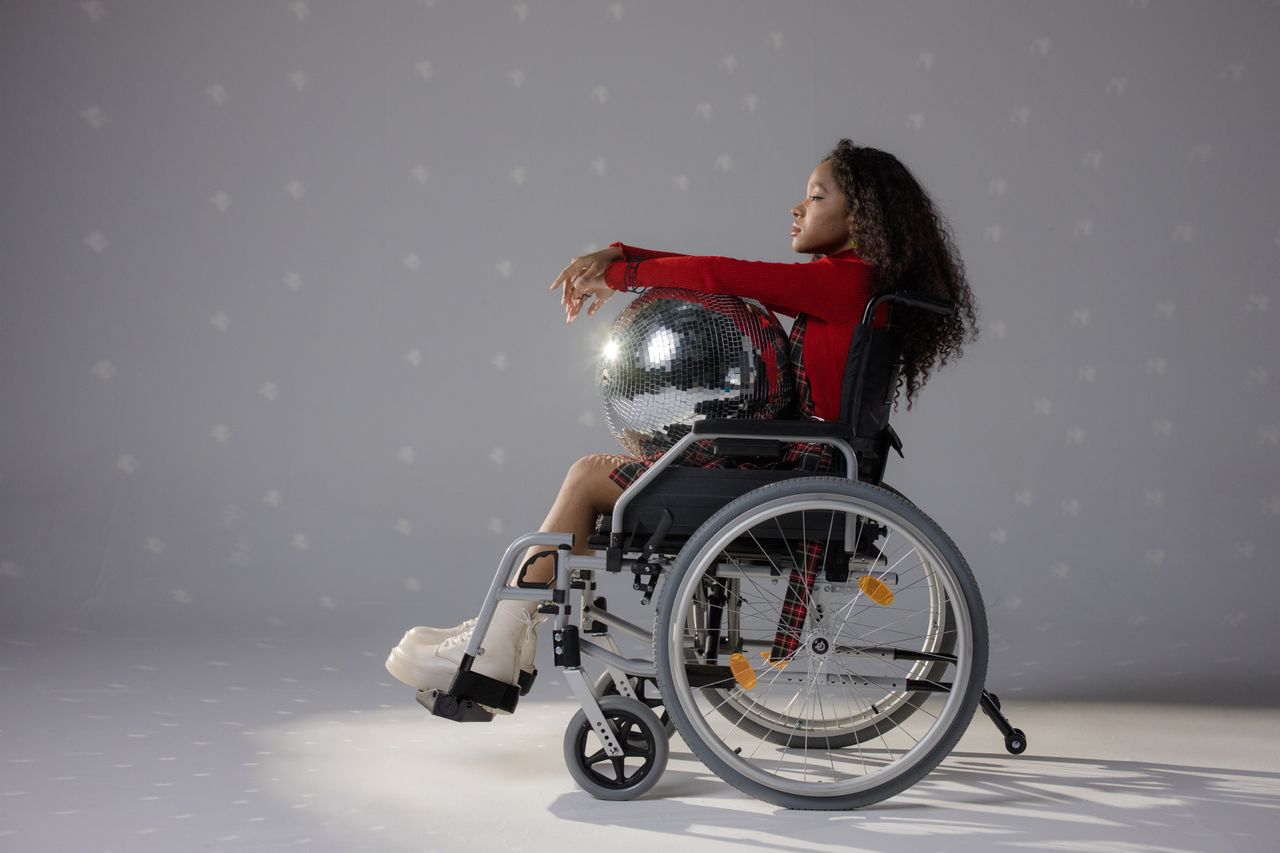
Strictly Come Dancing has one of the biggest audiences on prime-time television. In recent series, it has increased representation across gender, sexuality, age, race and disability. But what impact has this had?
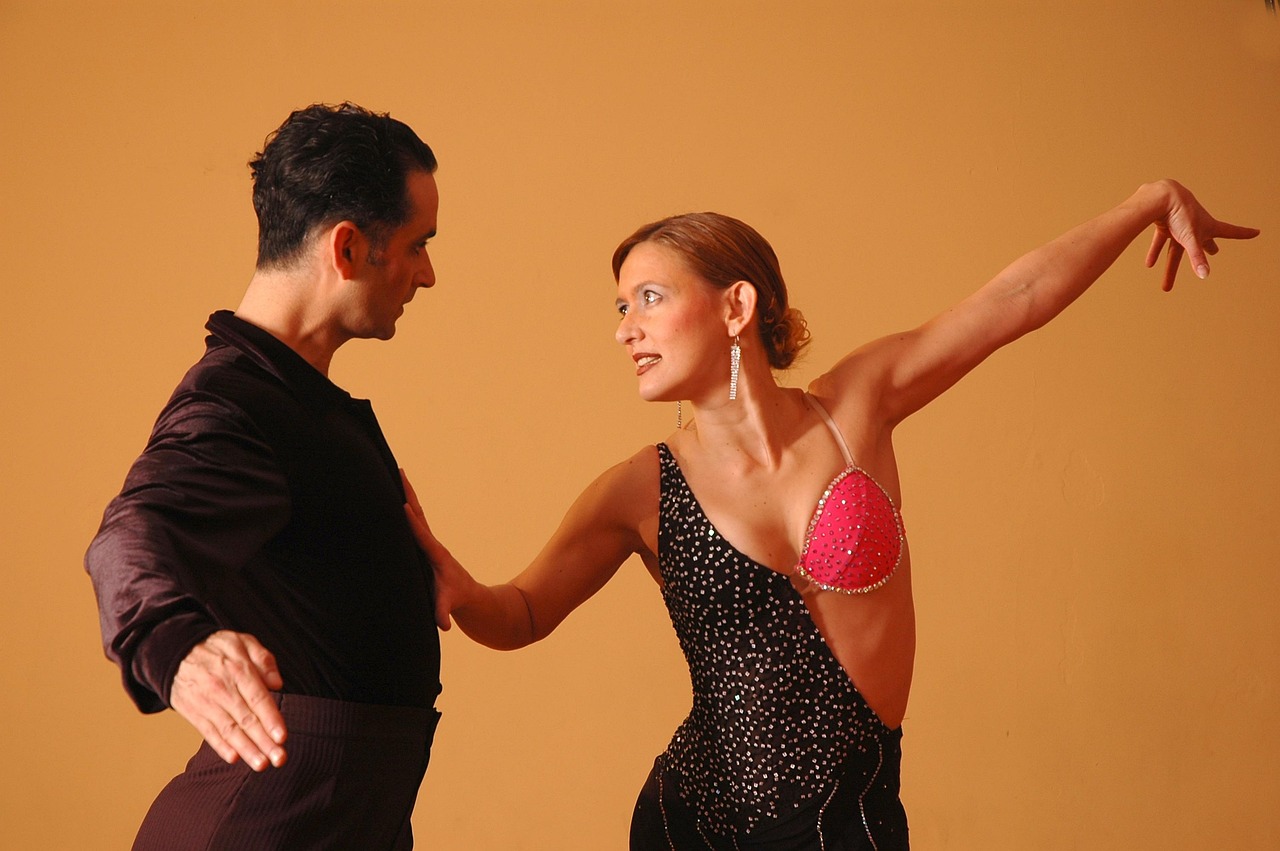
Traditionally dance has been reserved for the select few. Dance has often been shaped by traditional ideas about gender, with roles, partnering and costumes reinforcing assumptions about masculinity, femineity and heterosexual relationships. Body shape, race and age have also influenced who feels welcome and represented.
That’s not to say that things aren’t improving though. For example, more ballet shoe companies now provide a range of skin tones and leading dance schools such as RAD are training their teachers in inclusive practices.
Why is this important?
Research has shown that dance provides a wide range of benefits. There are physiological benefits as an exercise form and psychosocial benefits too where quality of life improves. There is also evidence that dance has cognitive benefits that might contribute to staving off conditions such as dementia.
If dance can benefit physical health, mental wellbeing, social connection and cognitive function, ensuring that everyone feels able to participate becomes even more important.
So, what role can Strictly Come Dancing provide?
When forms of exercise are on the television, they have the potential to challenge stereotypes and affect public perception. By having a wide range of contestants from diverse backgrounds Strictly can show people that dance is for anyone. Audiences are more likely to see themselves reflected in the contestants, which can broaden perceptions of who belongs in dance.
However, this representation only goes so far.
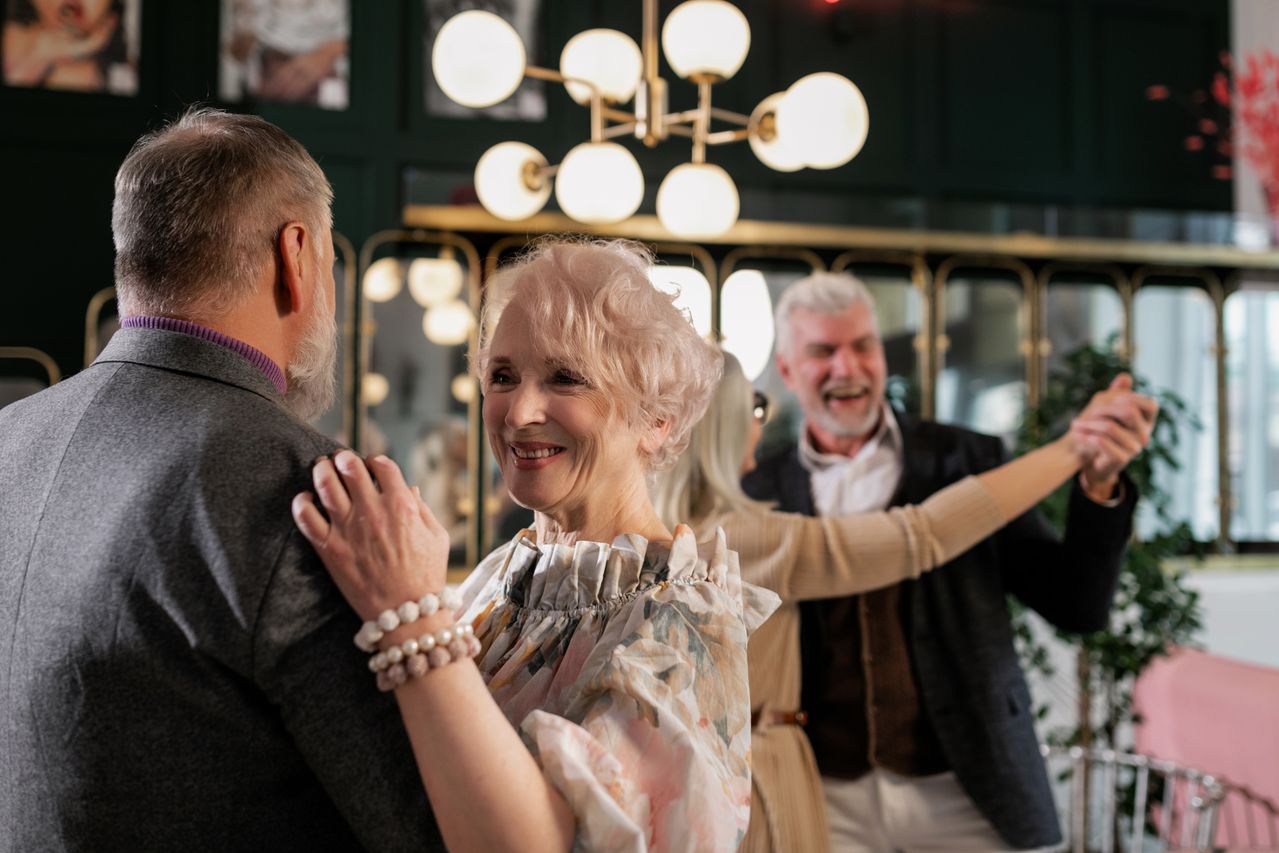
Over the last few years, Strictly has encountered numerous issues. For example, older contestants aren’t always taken seriously such as Bill Bailey being seen as a novelty act (he went on to win due to dancing skills not novelty) and claims of favouritism for Angela Rippon. Her high kick astounded people due to her age (flexibility such as this does lessen with age) and there were claims that this single move unfairly inflated her scores. There were also conspiracy theories that she was given easier dances.
Concerns were raised over Ellie Goldstein as people thought that the programme was too much for a person with Down’s Syndrome to deal with. Her body language was scrutinised much more than other contestants. Paralympian Ellie Simmonds also faced scrutiny with social media claims about how her size would impact the ability for fair judging.
One of the decisions Strictly made that faced the most complaints was same sex couples. Professional dancers Johannes and Graziano did one of the first same sex couple dances and this received multiple complaints from the audience with people suggesting two men dancing together was offensive. Since then, numerous contestants have had same sex partners and many of these pairings have resulted in complaints too.
Race has also been an issue for the programme. Research suggests that racially minoritised contestants are disproportionately likely to appear in dance offs, even when they receive strong judge scores. In fact, they are even more likely to be in the dance off if they get high scores. This increases again if they are partnered with a professional dancer who is also from a racially minoritised community. West (2024) suggests that despite the programme’s attempts at diversity and representation, audiences can lead to some minorities being unfavourably treated. Alexandra Burke, for example, frequently found herself in the dance off despite having some of the highest scores in her series. West (2024) suggests that witnessing this unfavourable treatment can also reinforce racist ideas as it can portray the elimination of high performing racially minoritised contestants as normal practice.
Why is it important for Sport and Exercise students to know all this?
There is lots of evidence to show that there are issues with representation, diversity and inclusion in all types of sport and exercise, including dance. This can limit who sees themselves as able to take part and what treatment they receive when they do. Sport and exercise have so many wide-ranging benefits, so it is important to ensure it is accessible and welcoming to all.
Obviously, we have little control over Strictly Come Dancing, but we do have influence in our own studies, clubs, workplaces and future careers. There are practical steps we can all take to make sport and exercise more inclusive:
- Challenge our assumptions about who participates in sport and exercise.
- Use inclusive language and communication to ensure everyone feels respected and welcomed.
- Consider representation in research and practice such as asking whose experiences are being included and whose are missing.
- Advocate for accessible and inclusive environments, equipment and opportunities that enable people of different ages, abilities and backgrounds to participate.
- Listen to and learn from diverse perspectives to recognise that people experience sport and exercise in different ways.
- Be active allies by speaking up when we witness exclusion, discrimination or unfair treatment.
Strictly Come Dancing may only be a television programme, but it reminds us that representation matters. Who we see participating in sport and exercise affects who feels welcome to take part. And we can all play a role in creating environments where everybody feels that they belong.
References
Royal Academy of Dance (2017) Dance for lifelong wellbeing: research findings 2017. Available at: RADLifeLongDfLWresearchfindin.pdf (Accessed: 1st September 2026).
West, K. (2024). Being asked to dance: evidence of racial bias in audience voting behaviour on the television show Strictly Come Dancing. Psychology of popular media, 13(4), 613-619.
Student Stories: Combining OU study with elite sport
The flexibility of OU study makes it ideal for elite athletes who due to training and travelling commitments might find it hard to commit to face-to-face study. Don’t take our word for it though – here’s what Dominique Fortune (power lifting), Alice Gillan (tennis), Vicki Hoban (para equestrian) and Chris McCormick (freestyle skiing) had to say.
To find out more about study sport and exercise at the OU visit Study with us.
5 Career skills a sport and exercise degree gives you
Studying a sport and exercise degree teaches you more skills than you realise. In the video below #TeamOUsport academic Simon Rea explores the transferable skills students develop, including critical thinking, communication, problem solving and adaptability – skills that can strengthen employability for careers both within and beyond sport.
Simon has also written the article below looking at careers in sport and exercise.
Student Stories: Allana
In this video OU graduate Allana Francis-Ashmeil shares how studying sport and exercise helped her to develop her skills as a sports coach.
For more from Allana, check out these previous posts:
Student Stories: Why I chose to study sport while working full-time
In this video OU Sport and Exercise student Ralph explains why an OU degree was right for him and allowed him to continue working full time.
To find out more about study Sport and Exercise at the OU visit our ‘Study with us‘ page.
Ralph also shares what a typical day looks like for him as a Sport and Exercise student in the video below.
Careers in sport and exercise: what can you do?
By Simon Rea
Introduction: careers in sport and exercise
Careers in sport and exercise offer a wide range of varied and exciting opportunities.
If I look back at my career, I have been at various times a lifeguard, a leisure assistant, a fitness instructor, a gym manager, a teacher in further education, a self-employed personal trainer operating in people’s homes, a performance coach to Oxford University sports teams, a senior lecturer in sport and exercise, an examiner, and an author of textbooks.
At one point, when I was self-employed, I had six different job roles. So, I can attest that the sport and exercise sector offers both variety and opportunities for progression.
While I could have done some of these jobs without a degree, I would have hit a ceiling within two years. A degree was vital for progressing into more stimulating and senior roles.
Do you need a degree for a career in sport and exercise?
There are several ways to access careers in sport and exercise, so is doing a degree the best option?
You could become a fitness instructor by completing a two-week Level 2 course, or a sports coach by completing a short governing body coaching award. However, these short courses are designed as an access point. They equip you with specific skills for a role rather than enabling a long and fulfilling career.
A short course may show you ‘how’ to do something, but it is unlikely to help you understand ‘why’ you do it—an essential foundation for long-term development and progression.
The value of a sport and exercise degree
A degree enables you to fully understand the science behind a practice and assess its value.
David Pears, a football coach and senior lecturer in sports coaching, explains the value of a degree in sport and exercise:
“A good degree will ensure that your eyes are opened to the opportunities available and, because you have a greater depth of knowledge, you will be confident to move into other roles. Graduates can be more independent and look around for new things to get involved in. Degree level study can broaden your horizons, give you opportunities to network and get involved in things.”
Lauren Rose, a tennis coach who studied with The Open University, describes the impact of her degree:
“Completing a degree has had a huge impact on my coaching career and made me a better coach. It enhanced my knowledge of psychology, nutrition, strength and conditioning, and biomechanics. Studying sport psychology helped me give players more autonomy, and this has had a big impact on their willingness to train hard, but most importantly allowed them to feel more in control during match play. Studying for the degree also helped to increase key skills such as my resilience, perseverance and time management.”
Some students begin their degree with a clear career goal, which can be motivating. However, this is not essential. Keeping an open mind allows you to take advantage of opportunities as they arise – work hard and you never know where you might end up!
Where can a sport and exercise degree take you?
There are more than 50 potential roles within sport and exercise that could suit graduates in sport and exercise. These include careers in:
- coaching and performance sport
- fitness and personal training
- community sport and development
- health and wellbeing
- education and teaching
- business and sport management.
Career case studies in sport and exercise
Below are four examples of job roles in sport and exercise held by graduates from a range of universities.
Strength and conditioning coach – at Brighton & Hove Albion FC
Name: Will Abbott
Education: BSc (Hons) Sport and Exercise Science
A strength and conditioning coach designs and delivers training programmes to improve athletic performance. This involves understanding the movement demands and physical requirements of a sport and helping athletes improve performance while reducing injury risk.———
Cardiac rehabilitation coach
Name: Josh Pusey
Education: BSc (Hons) Sports Science
A cardiac rehabilitation coach supports individuals who are either waiting for cardiac survey or are recovering from a heart attack. This includes designing and delivering exercise programmes and providing guidance on fitness and nutrition.———
Sport development and physical activity manager
Name: Vicky Galvin
Education: BSc (Hons) Sport, Fitness and Dance
This role involves overseeing sport and physical activity provision in a local area. Responsibilities include developing strategy, working with local authorities and health partners, and aligning with national bodies such as Sport England and the Department of Culture, Media and Sport (DCMS).———
Performance analyst
Name: Chris Barry
Education: BSc (Hons) Physiology and Sports Science
A performance analyst uses data and video analysis to support athletes and coaches. This includes analysing performance, identifying strengths and weaknesses, and helping teams prepare for competition.
Next steps: starting your career in sport and exercise
An undergraduate degree in sport, exercise or coaching can provide access to a wide range of careers in the sector. It can open the door to exciting opportunities, but further experience, professional accreditations and postgraduate study may be required for some roles.
What can The Open University offer?
The Open University offers two degree programmes in sport and exercise:
- BSc (Hons) Sport, Fitness and Coaching – for careers in sports coaching, fitness instruction or personal training or as a route towards PE teaching
- BSc (Hons) Sport and Exercise Science – for careers in exercise, sport performance, health and research.
Both qualifications develop knowledge of key sport science concepts, practical, applied skills, transferable skills relevant across the sport and exercise sector.
Reference
Rea, S. (2019) Careers in Sports Science, Oxford, Adored Publishing.
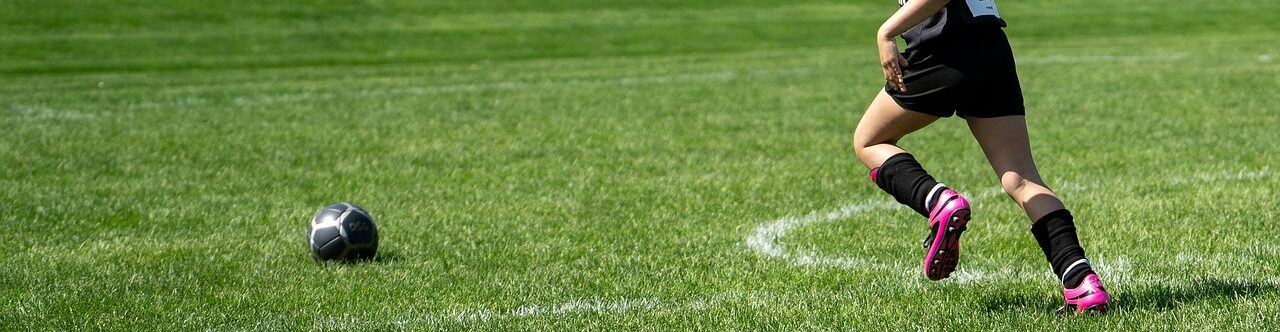
Cut for performance: why women’s sports kit matters
By Jess Pinchbeck and Caroline Heaney
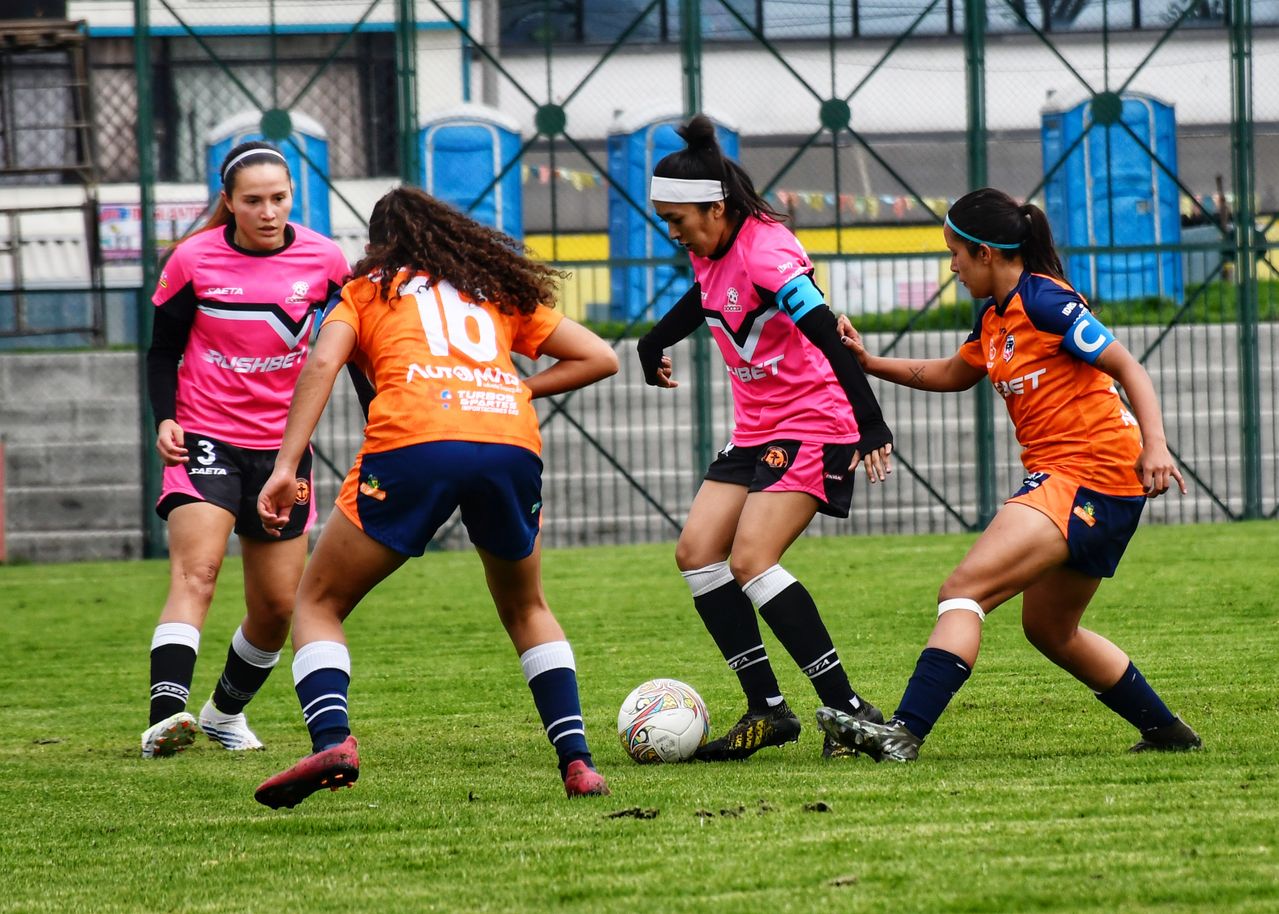
Why sports kit matters for women’s performance
The design and fit of women’s sports kit is increasingly recognised as a key factor in female sports participation and performance. While kit may seem trivial, evidence suggests that sportswear plays an active role in shaping athletes’ experiences, influencing comfort, safety, performance and empowerment of participants during sports performance.
Many women are still expected to wear sports kit that fits poorly, is impractical in colour, or unnecessarily sexualises their bodies.
These factors can discourage participation and affect performance at every level – from recreational sport to elite competition. This makes women’s sports kit a critical issue for those working with female participants, such as coaches, PE teachers and sport and exercise scientists.
The ‘shrink it and pink it’ problem in sportswear design
In many sports, particularly those traditionally considered ‘male’, women’s kit is created using a ‘shrink it and pink it’ approach. This means designs are based on standard male proportions and scaled down.
This reflects a wider research gap. Data shows that only around 6% of sports science research has focused exclusively on female athletes. This had led to women typically following training regimes and wearing footwear and clothing that has been designed based on research with male athletes.
As a result, women often have to adapt poorly fitting kit themselves. For example, footballers rolling waistbands for a better fit and women in martial arts altering uniforms to improve .
Improving female-focused sport and exercise science research is essential to designing kit that genuinely supports women’s bodies and performance.
Sexualisation of women’s sports kit
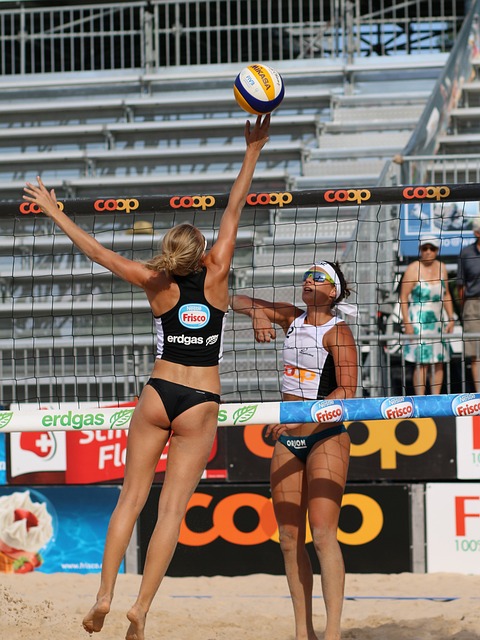
At the other end of the spectrum, sportswear designed specifically for women is often created to accentuate the female form. This contributes to the sexualisation of female athletes, with kit frequently designed to appeal to the male gaze. Compared to men’s sportswear, women’s kit is often more revealing, tighter fitting and less practical for movement and comfort.
Research suggests that tight, revealing clothing can reduce comfort and negatively affect performance. In recent years, many athletes are challenging these norms:
- The Norwegian beach handball team wore shorts instead of traditional bikini briefs at the 2021 European Championships, to improve comfort and performance.
- Gymnast Sarah Voss wore a full-body suit to compete in the 2021 European Championships making a stand against the sexualisation and the fear of exposure associated with wearing a leotard.
These actions highlight a growing movement to prioritise functionality, comfort and athlete autonomy over outdated expectations. Elite athletes are leading the way to drive change and stimulate discussion to alter the discourse around female athletes.
Why colour matters: menstruation and kit design
Sports kit colour, particularly white, is a major issue for many female athletes.
Research shows that wearing white kit can cause anxiety during menstruation due to concerns about the visibility of period blood – in sports such as rugby, tennis, and soccer. This is linked to wider societal pressures to conceal menstruation.
As a result, several high-profile changes have taken place, such as:
- Wimbledon updated its dress code in 2023 to allow darker undershorts – the first significant shift in the iconic dress codes since 1877.
- England women’s football and Ireland women’s rugby changed from white to darker shorts following player concerns.
Feminist acts such as these to resist uniform traditions can stimulate positive change, empower and develop agency amongst female athletes. All of which are important in the psychology of sport performance, influencing confidence and concentration, and facilitating the attainment of optimal performance.
Beyond the kit: challenging gender norms in sport
Sportswear doesn’t just affect performance – it can both challenge and reinforce traditional gender roles. Design choices reflecting societies’ ideas of what is ‘feminine’ can shape how women are viewed in the sporting environment and how female athletes are discussed and valued.
For example, in 2011 the Amateur International Boxing Association suggested skirts could make female boxers appear more ‘elegant’ and help distinguish them from their male counterparts. Two national teams (Poland and Romania) briefly mandated this approach, with the Polish coach Leszek Piotrowski stating “By wearing skirts, in my opinion, it gives a good impression, a womanly impression. Wearing shorts is not a good way for women boxers to dress”. However, this proposed skirt uniform was widely contested and refuted by the majority.
There is growing recognition that sports kit should be designed around function, inclusion and athlete experience – not outdated stereotypes.
Designing better sports kit for women and girls
To improve women’s sport experiences, sports kit should be designed for the female body for practical and performance reasons, not to confirm to societies’ acceptance and without sexualising the athlete.
Key considerations include:
- Offering a wider range of sizes, fits and lengths
- Providing choice in styles (e.g. shorts, leggings, bodysuits)
- Avoiding ‘one-size-fits-all’ or unisex solutions.
Positive changes are already emerging. Both England Netball and Netball Australia have broadened uniform options in response to players’ calls for choice and inclusivity. Players can now wear combinations such as shirts, bodysuits, shorts, long pants and more.
These developments support body confidence, inclusion and performance optimisation.
What needs to change next?
The design of sports kit can either facilitate or hinder women’s participation and performance in sports.
To drive meaningful change, the sport and exercise sector must:
- Invest in female-specific research
- Listen to the lived experiences of female athletes
- Design kit that prioritises comfort, function and choice
- Challenge outdated traditions and gender norms.
By raising awareness of the intricacies of this through research and teaching it is possible to improve the knowledge of those working with girls and women to support choice and empowerment when it comes to sportswear design. Working together, those within the sport and exercise field can promote a more inclusive and empowering sport environment for female athletes.
Interested in sport, performance and inclusion?
Studying sport and exercise can help you understand how factors like sports kit influence performance, identity and participation.
At The Open University, you can explore these topics through flexible, research-led study designed to reflect real-world challenges in sport today.
Exercise and mental health: understanding why movement works (and when it doesn’t)
By Caroline Heaney
Why mental health challenges are rising – and why it matters
Modern day life places challenges on our mental health whether it be pressures from social media, balancing work/study/home life, financial pressures, or processing the state of the world currently.
An NHS Survey (2025) found that the prevalence of mental health conditions is at an all-time high in the UK. For example, 20.2% of adults in England were reported to be living with a common mental health condition, such as depression or anxiety in 2023/4, compared to 15.5% in 1993 and 18.9% in 2014. Young people appear to be at significant risk with the survey indicating that the prevalence has risen from 17.5% in 2007 to 25.8% in 2023/4 amongst those aged 16–24 years.
This means more people are actively looking for ways to support their mental health, including through movement and exercise.
Can exercise improve mental health? (Short answer: yes)
This rise in mental health problems places a significant strain on mental health support services.
The cost of mental ill health in the UK is estimated at £300 billion per year, and long waiting lists for support services can mean people don’t always get help quickly, often leading to further deterioration (The Big Mental Health Report 2025).
There are various treatment options available including talking therapies and medication, but medication is reported to be the most common treatment for mental health problems.
Exercise has been suggested as an alternative or additional treatment for those with mental health problems, but does it actually work?
The short answer is yes.
Exercise for mental health: what the evidence says
Exercise can be used both in the prevention and treatment of mental health problems. Regular physical activity can play a key role in both preventing and managing conditions such as anxiety and depression.
In their review of existing research Rahmati et al. (2024) found that people who were physically active had a significantly lower risk of developing depression and anxiety. Similarly, exercise can help people who already have mental health conditions to manage or reduce their symptoms. In their review of existing research Noetel et al. (2024) concluded that exercise was an effective treatment for depression.
Depending on the severity of symptoms, exercise can be used on its own or alongside other treatments as part of a broader plan, under the guidance of a mental health professional.
Despite its benefits, exercise is still a relatively underused form of treatment for mental health conditions, although there are several GP referral and social prescribing programmes in existence that successfully support people through exercise.
Given the benefits to mental health, some people have questioned whether failing to prescribe exercise is unethical. Prescribing exercise seems like a sensible idea especially considering that it has multiple other health benefits (e.g., reduced risk of cardiovascular disease, etc).
Why does exercise improve mental health?
There are several potential explanations for the link between exercise and mental health, including:
- Feel-good factor – Exercise triggers the release of chemicals in the body such as endorphins that make us feel good, boost wellbeing and reduce stress
- Improved mood and energy – Movement can help regulate emotions and increase motivation
- Reduced tension – Exercise lowers physical symptoms of stress such as muscle tension
- Distraction – Exercise can provide a mental break from worries and pressure
- Social connection – Exercising with others can reduce isolation and provide social support
- Healthy redirection – Movement offers a constructive way to process difficult feelings (e.g. feeling of anger might be reduced by punching a punchbag or going for a run)
- Sense of control – Exercise can help restore structure and routine, which is important when it feels like other things in your life are out of control
- Nature and environment – Outdoor activity supports can give us an opportunity to engage with nature/green spaces which can boost wellbeing
- Self-confidence – Engaging in exercise can improve self-esteem
- Better sleep – Regular exercise can support healthier sleep patterns, which is important for mental health.
When exercise can harm mental health: burnout, addiction and pressure
While exercise generally has a positive impact on mental health, there are times when it can have a negative impact.
A key example is exercise addiction (also known as exercise dependence), where someone feels a compulsive need to exercise, even when it leads to injury, illness or other negative life consequences (Hausenblas & Symons Downs, 2002). In these cases, the relationship with exercise becomes unhealthy, rather than positive.
There is some evidence to suggest that people with mental health conditions may be more vulnerable to developing exercise addiction. This is why building a healthy relationship with exercise is essential, including seeking advice from your GP or mental health professional when starting an exercise programme if you have a diagnosed mental health condition, and exercising under the guidance of a fitness professional.
A well-structured exercise programme that supports mental health will include rest and recovery, flexibility and realistic expectations. Failure to do this can lead to overtraining, burnout and addiction.
Pressure, performance and mental health in sport
Whilst exercise can reduce stress, sport and mental health don’t always have a simple relationship. For some — particularly elite athletes — pressure and performance expectations can actually increase mental health challenges.
Some research suggests that rates of anxiety and depression may be higher in elite sport compared to the general population. Several high-profile athletes such as Simone Biles and Joe Marler have spoken publicly about their challenges.
Mental health challenges are particularly common when athletes retire, often due to a loss of identity, something that is discussed in this free Open University course The athlete’s journey: transitions through sport.
What studying sport and exercise teaches you about mental health
The links between sport, exercise and mental health are something you can study and apply professionally.
Studying a degree in sport and exercise helps you understand:
- How sport and exercise influence mental health
- Different mental health conditions
- How stress affects the body and mind
- The science behind exercise and wellbeing
- The importance of designing balanced programmes with rest and recovery
- Motivation and behaviour change
From understanding to impact: careers in sport, exercise and wellbeing
This knowledge can lead to a range of careers where you support others to improve their mental health, including:
- Fitness instructor or personal trainer
- Work in GP referral or social prescribing programmes
- Sports coaching
- Community sport
- PE or youth sport
- Sport and exercise psychology.
These roles focus on helping people thrive – not just physically, but mentally and sustainably.
Conclusion: exercise and mental health – it’s about balance
As a low-cost, accessible and effective tool, exercise plays a powerful role in supporting mental health. However, it’s not a one-size-fits-all solution. Knowing when exercise helps, and when it doesn’t, is key.
Supervised and well-balanced exercise programmes can maximise benefits while reducing risks such as burnout, overtraining and unhealthy relationships with exercise.
Studying sport and exercise, such as through courses at The Open University, can give you the knowledge and skills to apply this understanding responsibly and help others do the same.
What is sustainability and what does it have to do with sport and exercise?
By Jim Lusted

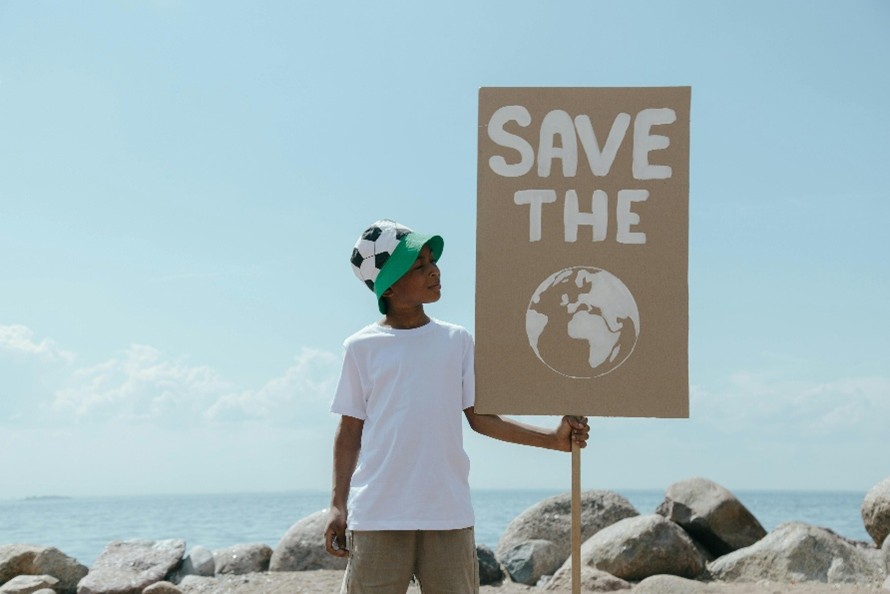
Photo by Ron Lach from Pexels
Sustainability is an increasingly ‘hot’ topic in sport and exercise. You will find it featuring in the strategic objectives of many sport organisations who are developing sustainability ‘objectives’, ‘plans’, ‘policies’ and the like. You may have also heard it mentioned alongside major sporting events like the Olympic and Paralympic Games and the FIFA World Cup (see the sustainability strategy for the 2026 competition here). There is also an increasing recognition that many sports (at least in their current form) are ‘unsustainable’; that is, if things stay as they are, activities like winter sports or exercising in extremely hot climates are going to look very different in the years ahead.
So… what exactly is sustainability? What does it consist of? How might someone – whether an individual or a global organisation – go about being ‘sustainable’? What might be considered ‘unsustainable’? And what has all this got to do with sport and exercise? I have written this blog give you a short, snappy guide to the term, so that when you come across it next time, you might feel a little clearer about what it means.
Sustainability – a definition
Let’s start with a broad definition. One of the most common definitions used here is the one that comes from the United Nations (UN) Bruntland Commission from way back in 1987, which describes sustainability as:
“…meet[ing] the needs of the present without compromising the ability of future generations to meet their own needs” (Bruntland Commission, 1987)
This comes from a huge 300-page report that was produced by the commission. If you are curious, you can find it in the link above – skip to point 27 of Part 1 of the report to read the full passage. The reference to meeting people’s needs means how we make use of the planet’s natural resources, such as trees, water, oil and land in our daily lives. In simple terms, sustainability means ensuring we make use of such resources in a way that protects their availability for future generations.
Two of the major outcomes of unsustainable practices that have been a feature of recent history relate to
- how much and how quickly we are using these resources
- the wider impact that this use has on the climate
Let’s explore these a little further.
What is the ‘replacement rate’?
The term replacement rate has been used to describe the balance between the rate of our use of natural resources and the rate they are replenished. A simple example of this is: how many trees are chopped down in relation to new trees being planted. It is argued that we have been consuming too many such resources at too fast a rate for them to be naturally replaced. This is threatening their availability for future generations to make use of. Check out the video below which used the analogy of a bath tub to explain the replacement rate (skip to 0:40). It suggests that the ‘water’ level of the global resources bathtub is continually lowering, in large part due to our unnecessary over-consumption of them (going down the plughole…).
Climate change
One result of this over-consumption of resources is the effect it can have on climate change. For example, burning fossil fuels such as wood, oil and coal releases ‘greenhouse’ gases like carbon dioxide into the atmosphere, which contribute to rising global temperatures leading to more frequent extreme weather events like flooding, storms and extreme heat conditions. Sport and exercise is both a contributor to climate change (through carbon emissions) and is under significant threat of its consequences. The future of many sport and exercise activities are at risk specifically due to climate change (Larneby et al., 2025).
Systems thinking
The impact of climate change is felt both locally and right across the world, which reminds us that sustainability is a global issue. The way we meet our needs is increasingly global in nature and this process involves many interconnections across the world. Think about the clothes you are currently wearing, or the mobile phone or laptop you are reading this blog from – the manufacture and transporting of these products involve a complex ‘system’ of processes involving people and resources from all over the planet. In some cases, those employed in making these items have faced very poor working conditions and rights – which are directly connected to the price you pay for the item and the higher profits made by the companies that sell them. The term ‘systems thinking’ helps make sense of how the use of resources involves complex interconnections between many people around the world, sometimes with unsustainable outcomes.
The 3 Ps, 3 Es and the triple bottom line
As the previous example suggests, sustainability concerns are not just limited to the environment, climate change and over-consumption. Sustainability also involves debates about how we should be living our lives and leaving a positive legacy for future generations. Terms such as:
- the 3 Ps – people, profit, planet
- the 3 Es – environment, economy, equity
- the ‘triple bottom line’ – financial, social and environmental performance indicators
are used to highlight three major aspects of sustainable development. The United Nations has taken this further to identify 17 sustainable development goals (SDGs) – you can find out more about these here. This shows that a sustainable future must take into consideration not only the protection of the environment but also the development of a sustainable economy and society.
How sustainable are your trainers?

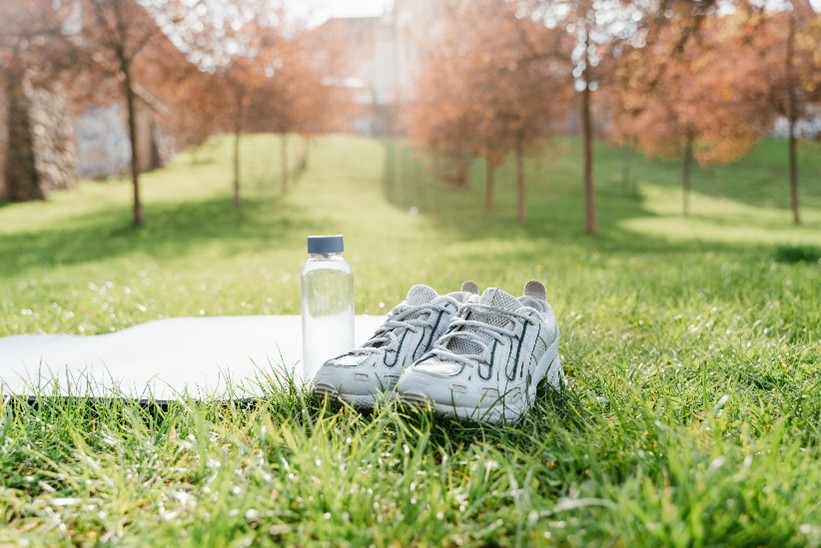
Photo by MART PRODUCTION from Pexels
Let’s bring this all to and end with an example from the sport and exercise sector. Imagine you buy a new pair of trainers online – not necessarily because you need a new pair but you want to try a new brand or style (over-consumption). They have probably been made in a different country, by people with very different working conditions to your own, using a variety of materials (i.e., rubber, cotton, or plastics) from multiple locations (systems thinking). The factories where these trainers are made need resources (i.e., energy and water), that are often used up much faster than they can be replaced, causing over-consumption (replacement rate). If factories burn fossil fuels during production or transport, this can emit greenhouse gases that add to rising temperatures (climate change).
This current approach to trainer manufacture and consumption can therefore be seen to be unsustainable. A more sustainable approach to making and using trainers would include ensuring workers are paid fairly, have decent rights including safe conditions (people / equity). Trainer companies should also reduce waste and pollution through the manufacturing and transporting process, using renewable energy and resources where possible – consumers may also look to only replace their trainers when really needed, while also considering re-use, repair and second hand options (planet / environment). While the company still needs to make a profit to continue trading, their performance should not solely be measured in financial terms (profit / economy), but by considering the triple bottom line as an indicator of success.
This whistle-stop tour of the basics of sustainability should help make you a little more aware of the background of this ‘buzzword’ when you next read or hear about it in a sport or exercise related context. It may also help you to reflect both on your own approach to sustainability and the contribution of sport and exercise to a more sustainable future for you and your planet!
References
Bruntland Commission (1987) ‘Report of the World Commission on Environment and Development: Our Common Future’ United Nations. Available at: http://un-documents.net/our-common-future.pdf . Accessed 1st May 2026.
Larneby, M., Svensson, D., & Hedenborg, S. (2025). Challenges, tensions and opportunities: sport and climate change. Sport in Society, 28(10), 1429-1433.
Nayak, R. (2025). Sportswear and activewear: Analysis of recent trends from sustainability standpoint. In Sustainable Sportswear and Activewear (pp. 1-22). Elsevier.