
By Jim Lusted
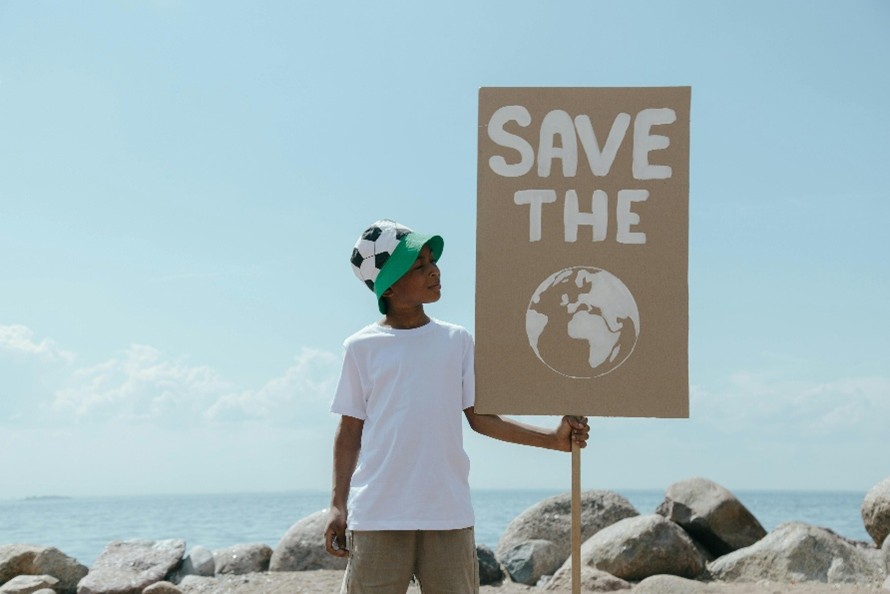
Photo by Ron Lach from Pexels
Sustainability is an increasingly ‘hot’ topic in sport and exercise. You will find it featuring in the strategic objectives of many sport organisations who are developing sustainability ‘objectives’, ‘plans’, ‘policies’ and the like. You may have also heard it mentioned alongside major sporting events like the Olympic and Paralympic Games and the FIFA World Cup (see the sustainability strategy for the 2026 competition here). There is also an increasing recognition that many sports (at least in their current form) are ‘unsustainable’; that is, if things stay as they are, activities like winter sports or exercising in extremely hot climates are going to look very different in the years ahead.
So… what exactly is sustainability? What does it consist of? How might someone – whether an individual or a global organisation – go about being ‘sustainable’? What might be considered ‘unsustainable’? And what has all this got to do with sport and exercise? I have written this blog give you a short, snappy guide to the term, so that when you come across it next time, you might feel a little clearer about what it means.
Sustainability – a definition
Let’s start with a broad definition. One of the most common definitions used here is the one that comes from the United Nations (UN) Bruntland Commission from way back in 1987, which describes sustainability as:
“…meet[ing] the needs of the present without compromising the ability of future generations to meet their own needs” (Bruntland Commission, 1987)
This comes from a huge 300-page report that was produced by the commission. If you are curious, you can find it in the link above – skip to point 27 of Part 1 of the report to read the full passage. The reference to meeting people’s needs means how we make use of the planet’s natural resources, such as trees, water, oil and land in our daily lives. In simple terms, sustainability means ensuring we make use of such resources in a way that protects their availability for future generations.
Two of the major outcomes of unsustainable practices that have been a feature of recent history relate to
- how much and how quickly we are using these resources
- the wider impact that this use has on the climate
Let’s explore these a little further.
What is the ‘replacement rate’?
The term replacement rate has been used to describe the balance between the rate of our use of natural resources and the rate they are replenished. A simple example of this is: how many trees are chopped down in relation to new trees being planted. It is argued that we have been consuming too many such resources at too fast a rate for them to be naturally replaced. This is threatening their availability for future generations to make use of. Check out the video below which used the analogy of a bath tub to explain the replacement rate (skip to 0:40). It suggests that the ‘water’ level of the global resources bathtub is continually lowering, in large part due to our unnecessary over-consumption of them (going down the plughole…).
Climate change
One result of this over-consumption of resources is the effect it can have on climate change. For example, burning fossil fuels such as wood, oil and coal releases ‘greenhouse’ gases like carbon dioxide into the atmosphere, which contribute to rising global temperatures leading to more frequent extreme weather events like flooding, storms and extreme heat conditions. Sport and exercise is both a contributor to climate change (through carbon emissions) and is under significant threat of its consequences. The future of many sport and exercise activities are at risk specifically due to climate change (Larneby et al., 2025).
Systems thinking
The impact of climate change is felt both locally and right across the world, which reminds us that sustainability is a global issue. The way we meet our needs is increasingly global in nature and this process involves many interconnections across the world. Think about the clothes you are currently wearing, or the mobile phone or laptop you are reading this blog from – the manufacture and transporting of these products involve a complex ‘system’ of processes involving people and resources from all over the planet. In some cases, those employed in making these items have faced very poor working conditions and rights – which are directly connected to the price you pay for the item and the higher profits made by the companies that sell them. The term ‘systems thinking’ helps make sense of how the use of resources involves complex interconnections between many people around the world, sometimes with unsustainable outcomes.
The 3 Ps, 3 Es and the triple bottom line
As the previous example suggests, sustainability concerns are not just limited to the environment, climate change and over-consumption. Sustainability also involves debates about how we should be living our lives and leaving a positive legacy for future generations. Terms such as:
- the 3 Ps – people, profit, planet
- the 3 Es – environment, economy, equity
- the ‘triple bottom line’ – financial, social and environmental performance indicators
are used to highlight three major aspects of sustainable development. The United Nations has taken this further to identify 17 sustainable development goals (SDGs) – you can find out more about these here. This shows that a sustainable future must take into consideration not only the protection of the environment but also the development of a sustainable economy and society.
How sustainable are your trainers?

Photo by MART PRODUCTION from Pexels
Let’s bring this all to and end with an example from the sport and exercise sector. Imagine you buy a new pair of trainers online – not necessarily because you need a new pair but you want to try a new brand or style (over-consumption). They have probably been made in a different country, by people with very different working conditions to your own, using a variety of materials (i.e., rubber, cotton, or plastics) from multiple locations (systems thinking). The factories where these trainers are made need resources (i.e., energy and water), that are often used up much faster than they can be replaced, causing over-consumption (replacement rate). If factories burn fossil fuels during production or transport, this can emit greenhouse gases that add to rising temperatures (climate change).
This current approach to trainer manufacture and consumption can therefore be seen to be unsustainable. A more sustainable approach to making and using trainers would include ensuring workers are paid fairly, have decent rights including safe conditions (people / equity). Trainer companies should also reduce waste and pollution through the manufacturing and transporting process, using renewable energy and resources where possible – consumers may also look to only replace their trainers when really needed, while also considering re-use, repair and second hand options (planet / environment). While the company still needs to make a profit to continue trading, their performance should not solely be measured in financial terms (profit / economy), but by considering the triple bottom line as an indicator of success.
This whistle-stop tour of the basics of sustainability should help make you a little more aware of the background of this ‘buzzword’ when you next read or hear about it in a sport or exercise related context. It may also help you to reflect both on your own approach to sustainability and the contribution of sport and exercise to a more sustainable future for you and your planet!
References
Bruntland Commission (1987) ‘Report of the World Commission on Environment and Development: Our Common Future’ United Nations. Available at: http://un-documents.net/our-common-future.pdf . Accessed 1st May 2026.
Larneby, M., Svensson, D., & Hedenborg, S. (2025). Challenges, tensions and opportunities: sport and climate change. Sport in Society, 28(10), 1429-1433.
Nayak, R. (2025). Sportswear and activewear: Analysis of recent trends from sustainability standpoint. In Sustainable Sportswear and Activewear (pp. 1-22). Elsevier.